Genres
Make Music
Artists
Albums
Challenges
Sign in
Sign in
Albums
By Mon Laferte
Albums
By Mon Laferte
Femme fatale
October 24, 2025
Listen
5
/5
Genres
Latin Indie
Latin indie is a broad umbrella for Spanish- and Portuguese-language independent music scenes across Latin America and the Latin diaspora. It blends the DIY ethos and sonic palettes of global indie rock and indie pop with regional rhythms, folk traditions, and electronic textures. While stylistically diverse—from jangly guitars and dreamy synth-pop to folktronica and cumbia-inflected grooves—Latin indie is united by an independent production mindset, intimate and poetic lyricism, and a taste for warm, reverb-soaked aesthetics. Artists commonly release through local indie labels or self-release, and they build audiences via blogs, small venues, and festival circuits before reaching wider streaming platforms. The genre’s identity crystallized in the mid-to-late 2000s, as scenes in Mexico, Argentina, Chile, Colombia, and the U.S. Latinx community cross-pollinated online, eventually becoming a defining contemporary movement in Spanish-language alternative music.
Discover
Listen
Latin Alternative
Latin alternative is an umbrella term for genre-bending music made by Latin American and US Latino artists that sits outside mainstream Latin pop. It blends alternative and indie rock attitudes with Latin rhythmic vocabularies (cumbia, salsa, ska, reggae), hip hop, and electronic production. The style privileges experimentation, hybridity, and scene-driven authenticity rather than commercial formulas. Lyrics are often in Spanish (sometimes bilingual or Spanglish), and themes range from the personal and poetic to social and political commentary. The movement coalesced in the mid-to-late 1990s around U.S. media and festivals (e.g., LAMC), helping connect diverse scenes from Mexico, Argentina, Chile, Colombia, Puerto Rico, and beyond.
Discover
Listen
Canción Melódica
Canción melódica is a Spanish popular song tradition centered on emotive, melody-forward ballads delivered by powerful vocalists and framed by lush, orchestral arrangements. It is the Spanish counterpart to Europe’s mainstream schlager and the Italian canzone tradition, but with clear ties to Iberian styles and Latin romanticism. Characterized by dramatic vocal climaxes, key changes near the finale, and string-heavy, cinematic backdrops, the style privileges memorable melodies, heartfelt lyrics, and a polished, elegant sound. Its themes revolve around love, longing, heartbreak, and resilience, using poetic images and rhetorical flourishes to maximize emotional impact. The genre achieved mass popularity in Spain and the Spanish-speaking world from the late 1960s through the 1980s, and its repertoire remains a staple of television galas, festival circuits, and nostalgic revivals.
Discover
Listen
Pop Soul
Pop soul is a crossover style that blends the emotive vocals, gospel-rooted harmonies, and backbeat of soul music with the concise song forms, catchy hooks, and polished production of mainstream pop. It emphasizes memorable choruses, smooth lead vocals, tight background harmonies, and radio-friendly arrangements designed for broad appeal. The sound is often defined by a crisp rhythm section, tambourine on the backbeat, melodic bass lines, piano/organ comping, handclaps, and lush string or horn arrangements. Originating with the Motown hit-making model, pop soul prized sophisticated songwriting and sleek studio craft that could connect equally on the dance floor and the pop charts.
Discover
Listen
Vocal Jazz
Vocal jazz is a jazz tradition in which the human voice is treated as an instrument—matching the phrasing, articulation, and timbral nuance of horns or piano. Singers often improvise melodically and rhythmically, including using scat singing (nonsense syllables) to emulate instrumental solos. At the same time, many vocal‑jazz performances favor traditional, pop‑leaning song structures and clear lyric delivery, reducing the overall role of extended improvisation compared with small‑group instrumental jazz. Repertoires frequently draw from Tin Pan Alley and Broadway standards (the Great American Songbook), rendered with swing, ballad, or Latin feels.
Discover
Listen
Bolero
Bolero is both a Spanish dance-music form from the late 18th century and, later, a Cuban song style from the late 19th century. The Spanish bolero emerged as a moderately slow solo or partner dance in 3/4 time, shaped by Andalusian song-dance traditions. It typically features guitar accompaniment and castanets, and its sung texts often follow the seguidilla stanza pattern. In Cuba, bolero evolved into a romantic ballad—most often in 2/4 (later also felt in 4/4)—performed by singers, trios, and salon ensembles. Cuban bolero emphasizes intimate, lyrical melodies, guitar-led accompaniment (often with requinto), and gentle Afro-Caribbean rhythmic undercurrents (habanera feel, soft bongo, claves), becoming one of Latin America’s quintessential love-song forms.
Discover
Listen
Similar albums
2025
Otra Noche de Llorar
Mon Laferte
2018
Que la Vida Vale
Natalia Lafourcade
2003
En el 2000
Natalia Lafourcade
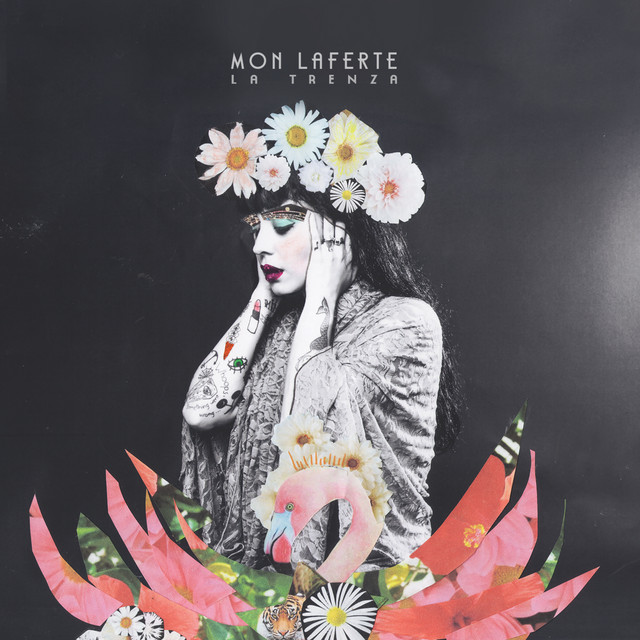
2017
La trenza
Mon Laferte
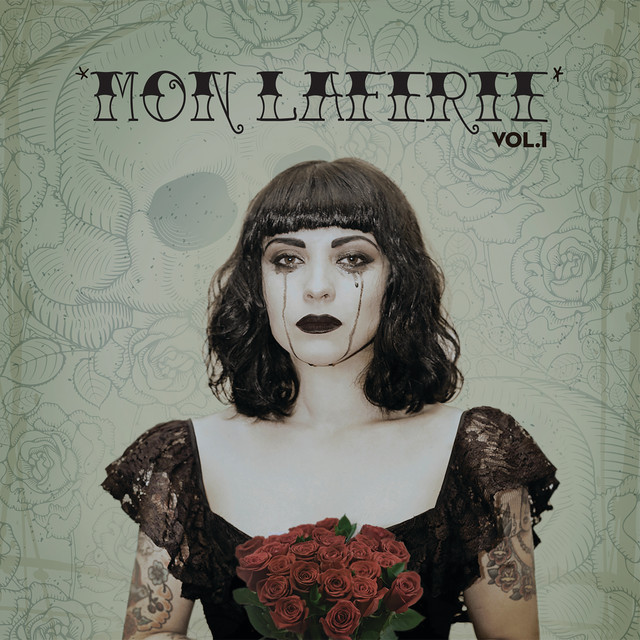
2015
Mon Laferte, Vol. 1
Mon Laferte
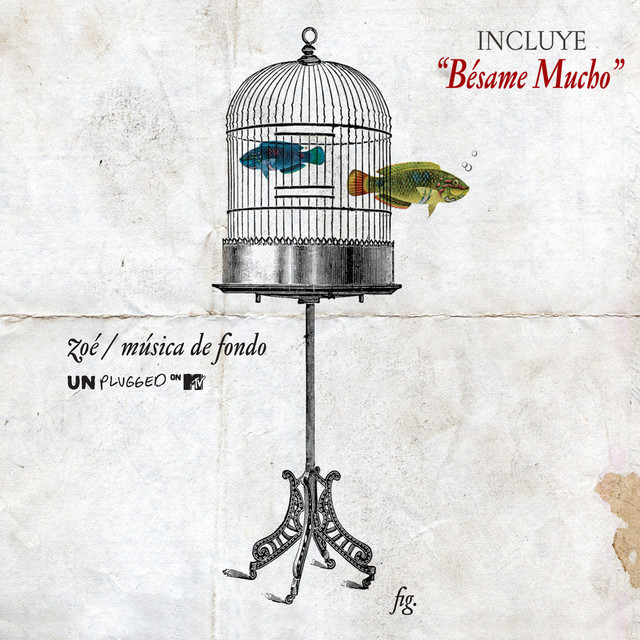
2011
MTV Unplugged Música De Fondo (Reissue/Live)
Zoé
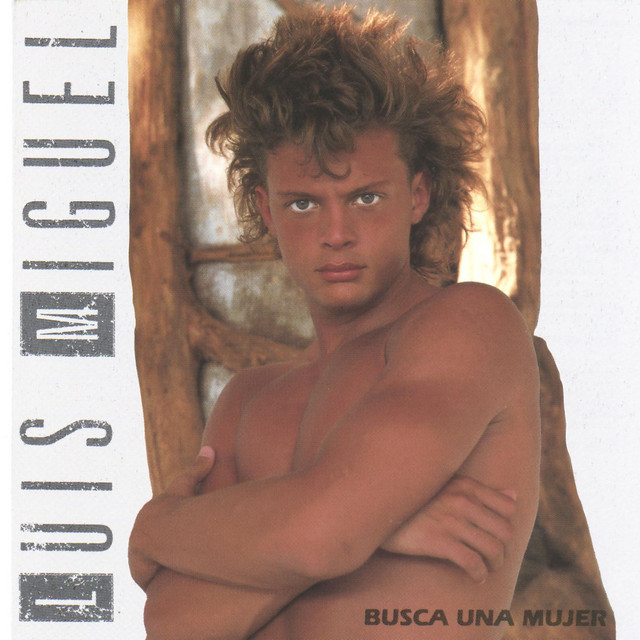
1988
Busca una mujer
Luis Miguel
1991
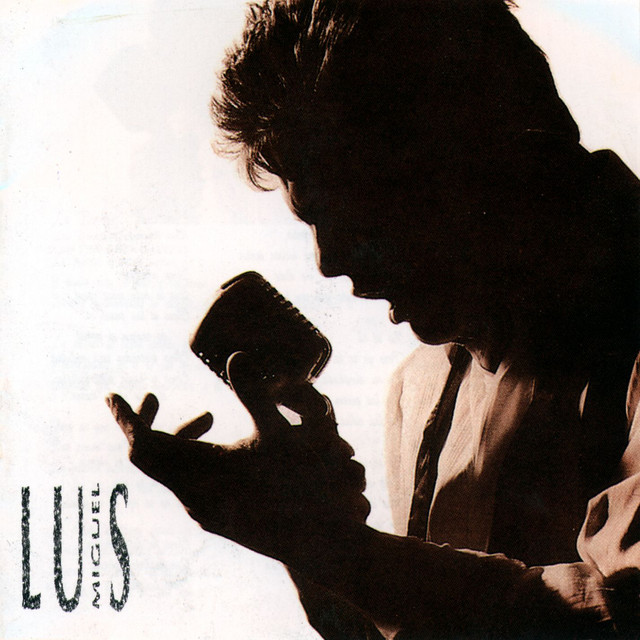
Romance
Luis Miguel
1990
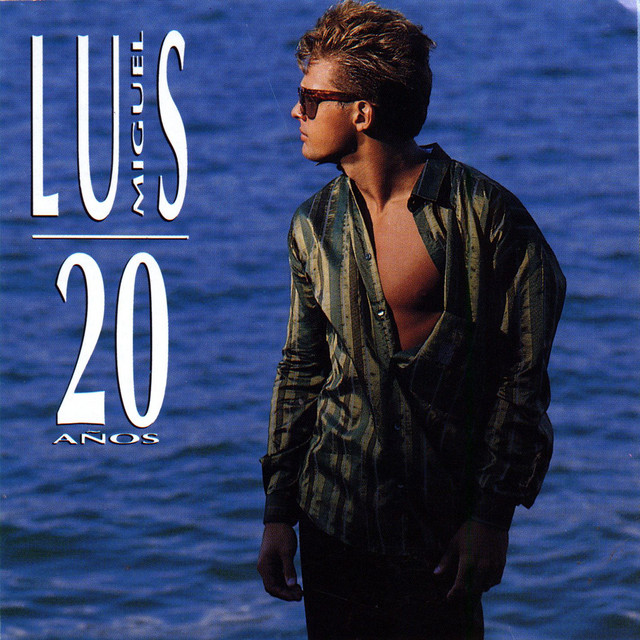
20 años
Luis Miguel
1987
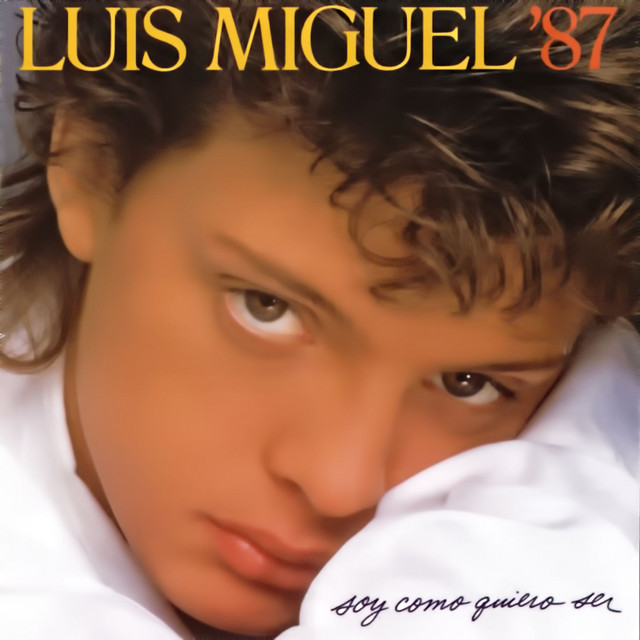
Soy como quiero ser
Luis Miguel
Download our mobile app
Get the Melodigging app and start digging for new genres on the go
Download on the App Store
Get it on Google Play
© 2026 Melodigging
Give feedback
Legal
Melodding was created as a tribute to
Every Noise at Once
, which inspired us to help curious minds keep digging into music's ever-evolving genres.