Genres
Artists
Albums
Make Music
Sign in
Sign in
Artists
Psychedelic Rock
Artists
Psychedelic Rock
Modulo 1000
2011
·
1 album
Listen
1
/5
Genres
Neo-Psicodelia Brasileira
Neo-psicodelia brasileira (Brazilian neo-psychedelia) is a contemporary wave of Brazilian artists who revive and reinvent classic 1960s/70s psychedelic aesthetics through today’s indie-rock, dream-pop, shoegaze, and experimental production. Marked by shimmering guitars drenched in reverb and fuzz, hypnotic grooves that often nod to Brazilian rhythmic DNA (from Tropicália’s eclecticism to samba, baião, and maracatu pulses), and kaleidoscopic synth textures, the style pairs vintage tones with modern bedroom-studio craft. Portuguese lyrics frequently blend surreal imagery with everyday urban poetics, creating a sound that is at once nostalgic and forward-looking. This scene flourished around DIY venues, independent labels, and digital communities across Brazil, with a particularly strong footprint in cities like São Paulo, Goiânia, Belo Horizonte, and Recife. The result is a colorful, exploratory ecosystem that treats psychedelia not as pure retro revival but as a living vocabulary.
Discover
Listen
Occult Rock
Occult rock is a dark, vintage-leaning strain of hard and psychedelic rock that centers on esoteric, witchcraft, and ceremonial themes. It pairs heavy, riff-led songwriting with theatrical vocals and ritualistic imagery—candles, robes, sigils—evoking a sense of mystery and forbidden knowledge. Musically it draws on late-1960s/early-1970s hard rock and acid-drenched psychedelia: overdriven guitars, warm tube tones, analog organs (Hammond, Mellotron), fuzz bass, and dry, punchy drums. Songs are typically mid‑tempo, minor‑key, and hooky, favoring modal turns (Aeolian, Phrygian) and occasional tritone or chromatic color to heighten the ominous atmosphere. Lyrically, it references grimoires, folklore, and occult philosophy, often balancing narrative storytelling with chant-like choruses. Modern revivals preserve the 70s aesthetic—tape-saturated mixes and retro gear—while refining arrangements and production for contemporary audiences.
Discover
Listen
Psychedelic Rock
Psychedelic rock is a style of rock music that seeks to evoke, simulate, and expand altered states of consciousness through sound. It typically features timbral experimentation (fuzz, wah, tape delay, phasing), drones, modal or raga-influenced harmony, extended improvisation, studio-as-instrument production, and surreal, mystical, or mind-expanding lyrics. Emerging from mid-1960s counterculture, it fused garage-band energy with folk, blues, and non-Western musical ideas—especially Indian classical ragas—while embracing new studio technologies and concert light shows. Both a live and a studio art, psychedelic rock ranges from jangly, kaleidoscopic pop to heavy, hypnotic jams and cosmic soundscapes.
Discover
Listen
Heavy Psych
Heavy psych is a louder, denser offshoot of late‑1960s psychedelic rock characterized by fuzz‑soaked guitar tones, wah‑drenched solos, thunderous drums, and a visceral low‑end. It takes the exploratory jams and mind‑bending studio tricks of psychedelia and pushes them toward proto‑metal weight and volume. Musically, it leans on blues‑based riffs, pentatonic and modal improvisation (especially Dorian and Mixolydian), droning vamps, and feedback‑saturated climaxes. Production often favors analog saturation, tape echo, phasing, and other period effects that magnify a sense of heady, cosmic intensity. The result is a sound that bridges psychedelic freedom and hard rock punch—music that feels both trippy and physically overwhelming, laying essential groundwork for heavy metal, stoner rock/metal, doom, and space rock.
Discover
Listen
Rock
Rock is a broad family of popular music centered on amplified instruments, a strong backbeat, and song forms that foreground riffs, choruses, and anthemic hooks. Emerging from mid‑20th‑century American styles like rhythm & blues, country, and gospel-inflected rock and roll, rock quickly expanded in scope—absorbing folk, blues, and psychedelic ideas—while shaping global youth culture. Core sonic markers include electric guitar (often overdriven), electric bass, drum kit emphasizing beats 2 and 4, and emotive lead vocals. Rock songs commonly use verse–chorus structures, blues-derived harmony, and memorable melodic motifs, ranging from intimate ballads to high‑energy, stadium‑sized performances.
Discover
Listen
Albums
2011
1
/5
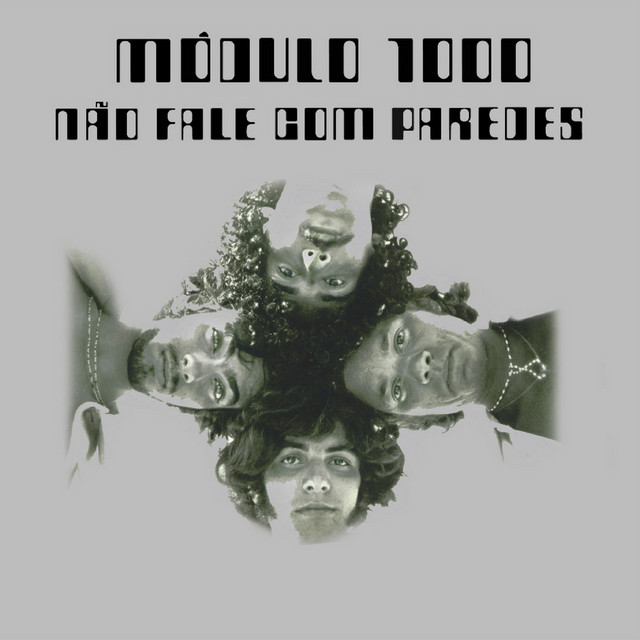
Não fale com paredes
Módulo 1000
Occult Rock
Psychedelic Rock
Rock
Similar artists
3
/5
Uncle Acid & The Deadbeats
Doom Metal
Acid Rock
Drone Metal
3
/5
Witchcraft
Doom Metal
Stoner Rock
Occult Rock
2
/5
Roky Erickson
Outsider
Garage Rock
Psychedelic Rock
2
/5
Naxatras
Heavy Psych
Instrumental Stoner Rock
Stoner Rock
2
/5
Blood Ceremony
Stoner Rock
Doom Metal
Gaian Doom
1
/5
Colour Haze
Stoner Rock
Psychedelic Rock
Rock
1
/5
The Human Beast
Acid Rock
Stoner Metal
Stoner Rock
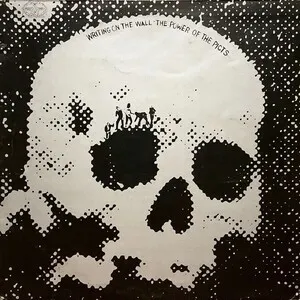
Writing on the Wall
A Cappella
Occult Rock
Psychedelic Rock
3
/5
Psychedelic Porn Crumpets
Acid Rock
Indie Pop Rap
Neo-Psychedelia
3
/5
Elder
Progressive Doom
Stoner Metal
Stoner Rock
Download our mobile app
Get the Melodigging app and start digging for new genres on the go
Download on the App Store
Get it on Google Play
© 2026 Melodigging
Give feedback
Legal
Melodding was created as a tribute to
Every Noise at Once
, which inspired us to help curious minds keep digging into music's ever-evolving genres.