Genres
Artists
Albums
Make Music
Sign in
Sign in
Artists
Neoclassicism
Artists
Neoclassicism
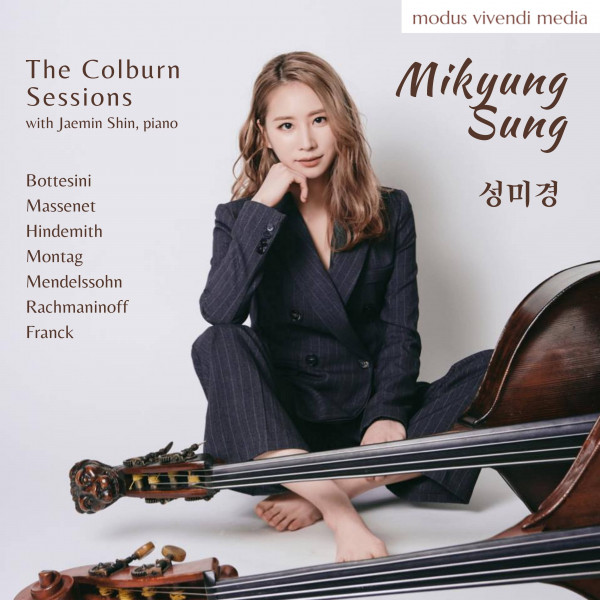
Mikyung Sung
2023
·
1 album
Listen
1
/5
Genres
Neoclassicism
Neoclassicism in music is a 20th‑century movement that revived forms, genres, and aesthetics from the Baroque and Classical eras, but reframed them with modern harmony, rhythm, and orchestration. It emphasizes clarity, balance, objectivity, and contrapuntal craft, often rejecting late‑Romantic excess while retaining a tonal or modal center enriched by dissonance, bitonality, and crisp rhythmic drive. Typical hallmarks include neobaroque dance suites, neoclassical sonatas and concerti, chamber‑oriented scoring, clean textures, and a dry, anti‑rhetorical performance style.
Discover
Listen
Contrabass
Contrabass (double bass) as a classical genre centers on music written to feature the lowest member of the violin family as a solo and chamber instrument, as well as concertante works with orchestra. Emerging at the end of the Classical era and flowering in the Romantic period, the repertoire ranges from elegant Viennese concertos with distinctive historical tunings to virtuosic 19th‑century showpieces and 20th/21st‑century modernist and post-tonal works. The idiom exploits the instrument’s cavernous resonance, lyrical cantabile in the upper register, and a wide coloristic palette (arco, pizzicato, harmonics, sul ponticello/tasto). Hallmarks include cantabile melodies supported by orchestral or piano textures, idiomatic passagework using positions and harmonics, and cadenzas that highlight the instrument’s surprising agility and expressive range.
Discover
Listen
Orchestral
Orchestral music refers to compositions written for an orchestra—a large ensemble typically built around a string section (violins, violas, cellos, double basses), complemented by woodwinds, brass, percussion, and often harp, keyboard, or other auxiliary instruments. A conductor coordinates the ensemble, shaping balance, phrasing, and expression. The style emphasizes coloristic timbre combinations, dynamic range from the softest pianissimo to explosive tuttis, and textures that can shift seamlessly between transparent chamber-like writing and monumental masses of sound. Orchestral writing underpins concert genres such as symphonies, overtures, and tone poems, as well as opera, ballet, and modern film and game scores. While orchestral writing evolved across centuries, its core craft centers on melody, counterpoint, harmony, register, and orchestration—the art of assigning musical ideas to instruments to achieve clarity, contrast, and narrative impact.
Discover
Listen
Albums
2023
The Colburn Sessions
Mikyung Sung, Jaemin Shin
Contrabass
Similar artists
4
/5
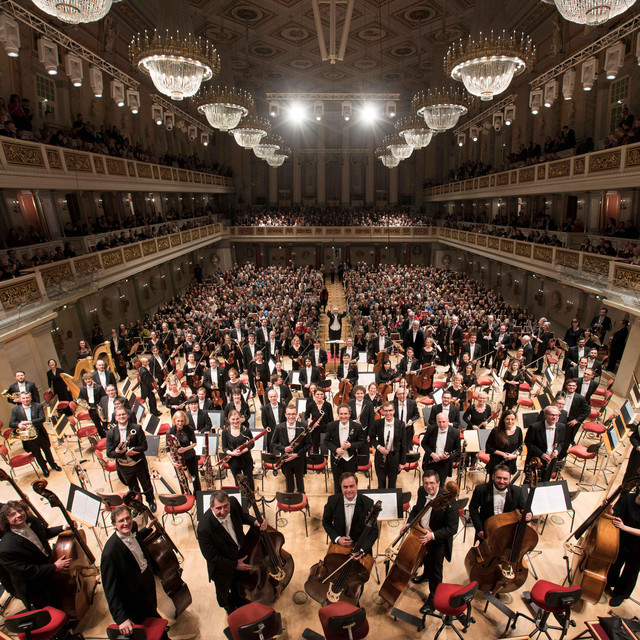
Berliner Philharmoniker
Classical
Symphony
Romantic Classical
3
/5
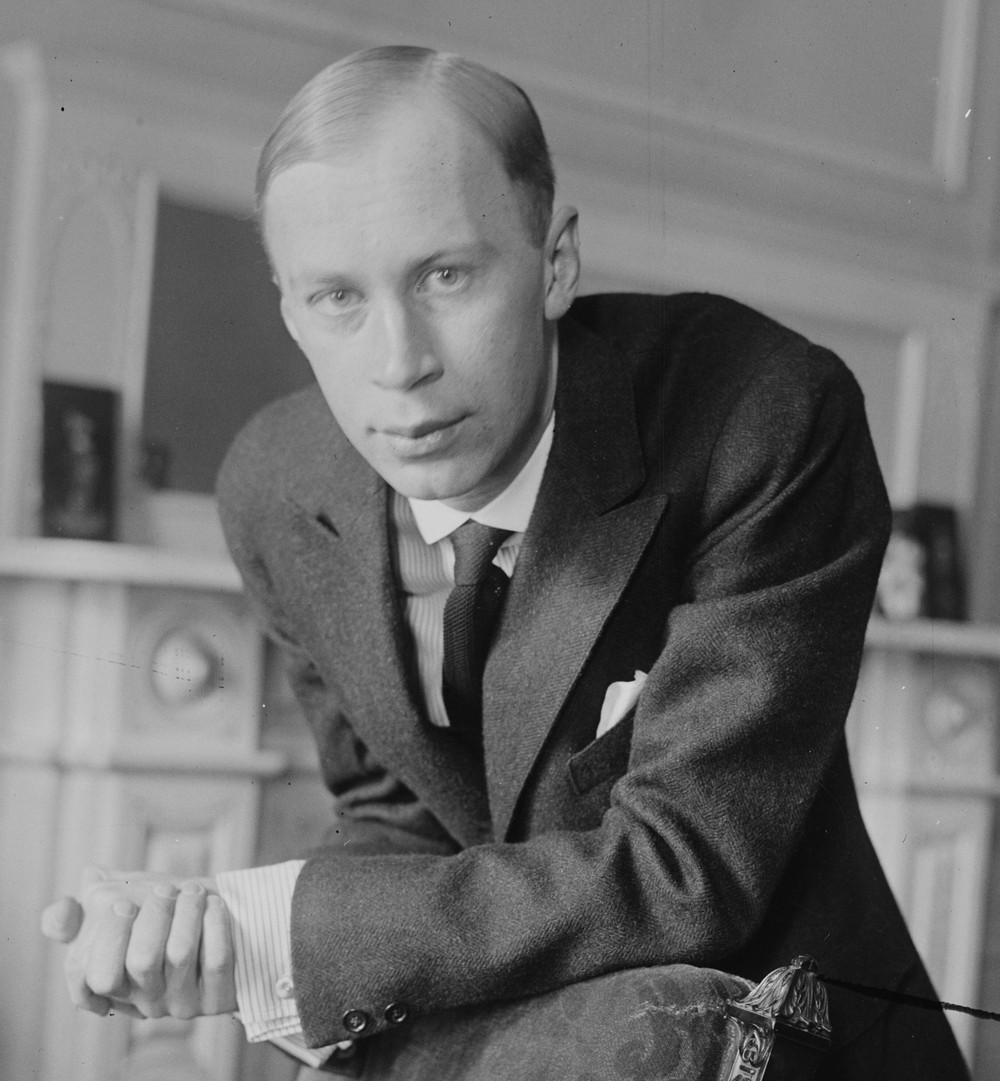
Sergei Prokofiev
Modern Classical
Ballet
Classical
3
/5
Igor Stravinsky
Ballet
Neoclassicism
Classical
3
/5
Konzerthausorchester Berlin
Contemporary Classical
Neoclassicism
Orchestral
3
/5
Brand X Music
Neoclassicism
Orchestral
Production Music
2
/5
Alberto Ginastera
Latin American Classical Music
Concerto
Neoclassicism
2
/5
Hypersonic Music
Neoclassicism
Orchestral
Production Music
2
/5
Revolt Production Music
Neoclassicism
Orchestral
Production Music
2
/5
Enrique Mazzola
Classical
Neoclassicism
Opera
1
/5
James Ross
Neoclassicism
Orchestral
Download our mobile app
Get the Melodigging app and start digging for new genres on the go
Download on the App Store
Get it on Google Play
© 2026 Melodigging
Give feedback
Legal
Melodding was created as a tribute to
Every Noise at Once
, which inspired us to help curious minds keep digging into music's ever-evolving genres.