Genres
Artists
Albums
Make Music
Sign in
Sign in
Artists
Latin American Classical Music
Artists
Latin American Classical Music
Alberto Ginastera
1989–2018
·
6 albums
Listen
2
/5
Genres
Soundtrack
Soundtrack is music created to accompany and enhance visual media such as film, television, and video games. It includes original scores (instrumental or vocal music composed specifically for the picture) and, at times, curated compilations of pre-existing songs. Stylistically, soundtrack is a meta-genre that can encompass orchestral symphonic writing, jazz, electronic and synth-driven textures, choral forces, popular song, and experimental sound design. Its defining trait is functional storytelling: themes, motifs, harmony, rhythm, and timbre are shaped by narrative needs, character psychology, pacing, and editing. Common features include leitmotifs for characters or ideas, modular cues that can be edited to picture, dynamic orchestration for dramatic range, and production approaches that sit well under dialogue and sound effects. Because it must synchronize to picture, soundtrack often uses clear dramatic arcs, tempo maps, and hit points.
Discover
Listen
Neoclassicism
Neoclassicism in music is a 20th‑century movement that revived forms, genres, and aesthetics from the Baroque and Classical eras, but reframed them with modern harmony, rhythm, and orchestration. It emphasizes clarity, balance, objectivity, and contrapuntal craft, often rejecting late‑Romantic excess while retaining a tonal or modal center enriched by dissonance, bitonality, and crisp rhythmic drive. Typical hallmarks include neobaroque dance suites, neoclassical sonatas and concerti, chamber‑oriented scoring, clean textures, and a dry, anti‑rhetorical performance style.
Discover
Listen
Expressionism
Expressionism in music is an early-20th-century modernist movement that foregrounds inner psychological states, anxiety, and alienation through highly charged sonic language. It abandons traditional tonal centers in favor of atonality or extreme chromaticism, embraces dissonance without immediate resolution, and often fragments melody into sharp, angular gestures. Textures favor clarity and intensity: chamber forces, extreme registers, abrupt contrasts of dynamics and timbre, and sparse, aphoristic forms are common. Composers experiment with Sprechstimme (speech-like vocalization), Klangfarbenmelodie (melody distributed across changing timbres), and rapidly shifting meters to intensify expression. Vocal works (monodramas, song cycles) and concise instrumental miniatures became emblematic vehicles for psychological drama.
Discover
Listen
Latin American Classical Music
Latin American classical music is the concert-music tradition cultivated across the Americas south of (and including parts of) Mexico, drawing on European art-music forms while integrating Indigenous, Afro‑Latin, and criollo musical languages. It encompasses sacred and secular repertoires from the colonial baroque through romantic nationalism, modernism, and contemporary experimental currents. Stylistically, it blends European harmony, counterpoint, and orchestral practice with regional rhythmic cells (sesquiáltera/hemiola, 3‑2/2‑3 clave, malambo, huapango), modal and pentatonic inflections from Andean and Mesoamerican sources, and timbral colors inspired by local instruments and dances. The result ranges from exuberant, rhythmically vital symphonic music to intimate guitar works and choral music suffused with local idioms.
Discover
Listen
Orchestral
Orchestral music refers to compositions written for an orchestra—a large ensemble typically built around a string section (violins, violas, cellos, double basses), complemented by woodwinds, brass, percussion, and often harp, keyboard, or other auxiliary instruments. A conductor coordinates the ensemble, shaping balance, phrasing, and expression. The style emphasizes coloristic timbre combinations, dynamic range from the softest pianissimo to explosive tuttis, and textures that can shift seamlessly between transparent chamber-like writing and monumental masses of sound. Orchestral writing underpins concert genres such as symphonies, overtures, and tone poems, as well as opera, ballet, and modern film and game scores. While orchestral writing evolved across centuries, its core craft centers on melody, counterpoint, harmony, register, and orchestration—the art of assigning musical ideas to instruments to achieve clarity, contrast, and narrative impact.
Discover
Listen
Classical
Classical music is the notated art-music tradition of Europe and its global descendants, characterized by durable forms, carefully codified harmony and counterpoint, and a literate score-based practice. The term “classical” can refer broadly to the entire Western art-music lineage from the Medieval era to today, not just the Classical period (c. 1750s–1820s). It privileges long-form structures (such as symphonies, sonatas, concertos, masses, and operas), functional or modal harmony, thematic development, and timbral nuance across ensembles ranging from solo instruments to full orchestras and choirs. Across centuries, the style evolved from chant and modal polyphony to tonal harmony, and later to post-tonal idioms, while maintaining a shared emphasis on written notation, performance practice, and craft.
Discover
Listen
Albums
2018
1
/5
Orchestral Works 3
Alberto Ginastera
Expressionism
2009
1
/5
String Quartets (Complete)
Alberto Ginastera / Ensō Quartet / Lucy Shelton
Latin American Classical Music
2009
1
/5
The Three String Quartets
Alberto Ginastera / Cuarteto Latinoamericano
Latin American Classical Music
2007
1
/5
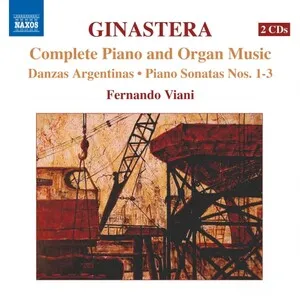
Complete Piano and Organ Music
Alberto Ginastera / Domenico Zipoli
Latin American Classical Music
1989
1
/5
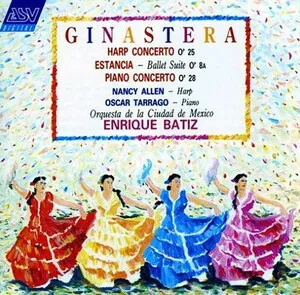
Harp Concerto; Estancia; Piano Concerto
Alberto Ginastera
Latin American Classical Music
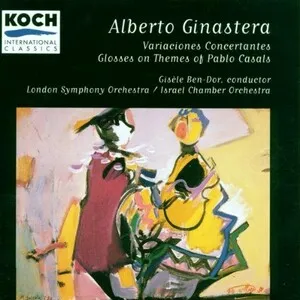
Variaciones concertantes; Glosses on Themes of Pablo Casals
Alberto Ginastera
Latin American Classical Music
Similar artists
4
/5
Berliner Philharmoniker
Classical
Romantic Classical
Romanticism
4
/5
Herbert von Karajan
Classical
Symphonic Poem
Symphony
3
/5
Pierre Boulez
Classical
Serialism
Second Viennese School
2
/5
Atlanta Symphony Orchestra
Choral
Orchestral
Classical
3
/5
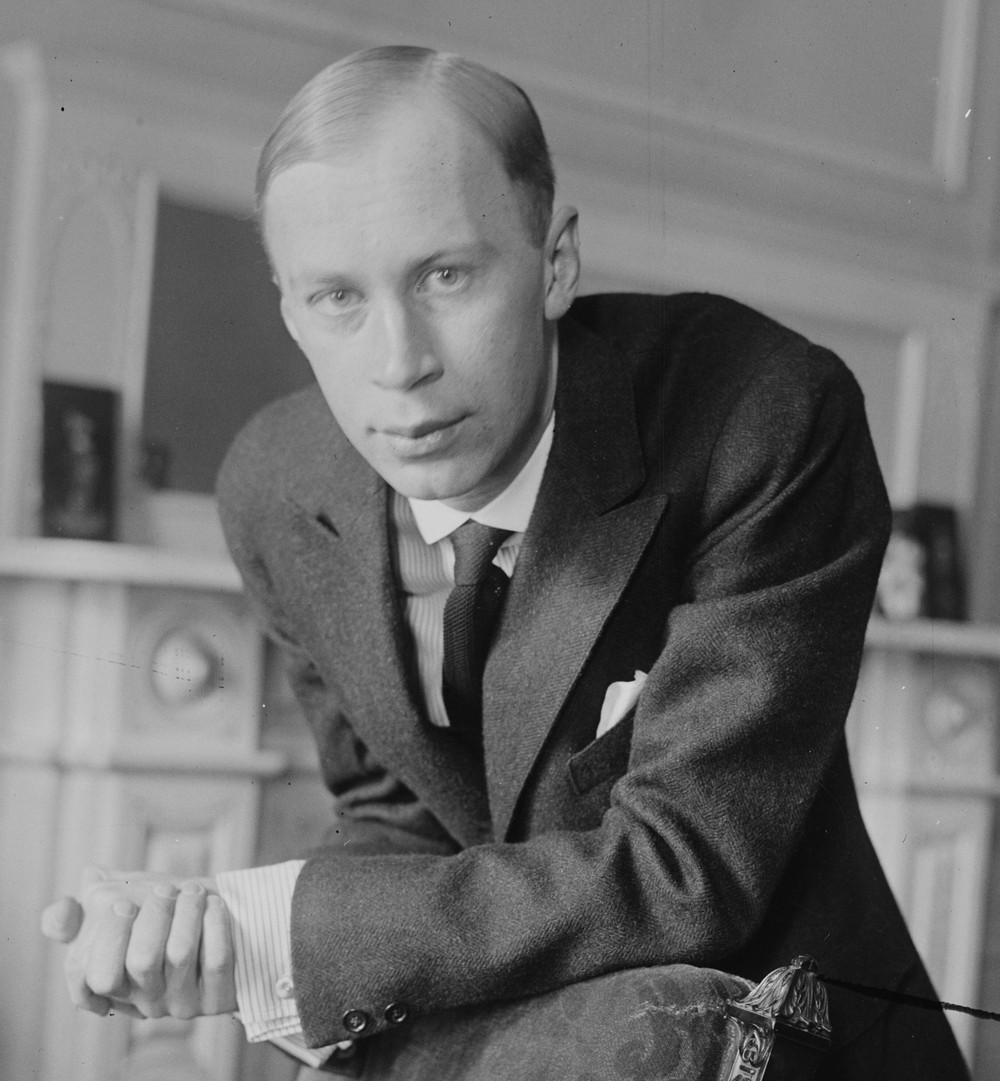
Sergei Prokofiev
Classical
Concerto
Neoclassicism
3
/5
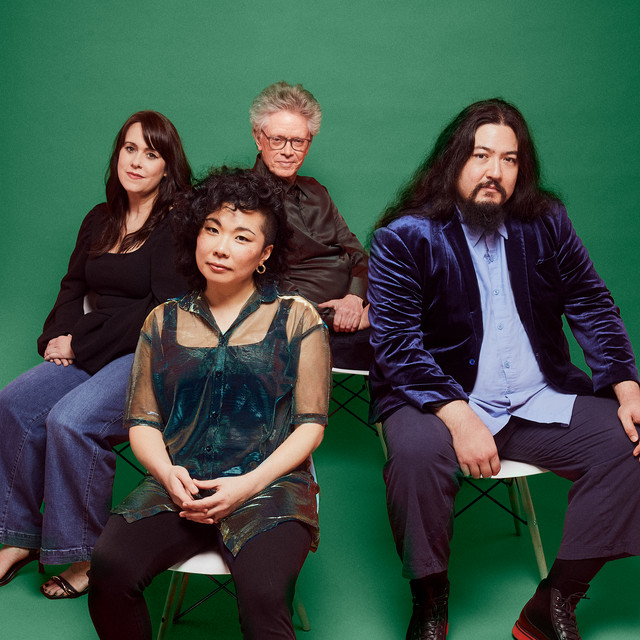
Kronos Quartet
Classical
Chamber Music
Latin American Classical Music
3
/5
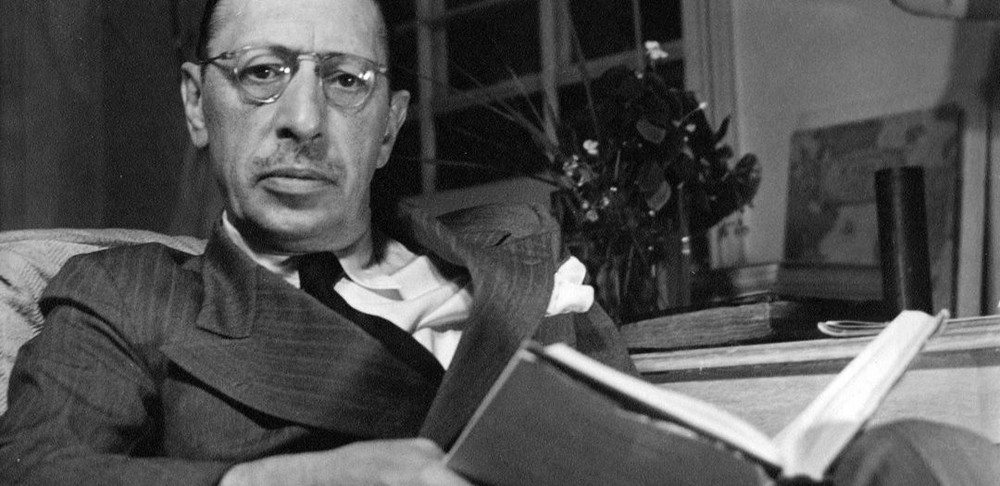
Igor Stravinsky
Neoclassicism
Classical
Ballet
2
/5
Enrique Mazzola
Classical
Neoclassicism
Opera
4
/5
London Symphony Orchestra
Classical
Ballet
Concerto
4
/5
London Philharmonic Orchestra
Opera
Classical
Deep Soundtrack
Download our mobile app
Get the Melodigging app and start digging for new genres on the go
Download on the App Store
Get it on Google Play
© 2026 Melodigging
Give feedback
Legal
Melodding was created as a tribute to
Every Noise at Once
, which inspired us to help curious minds keep digging into music's ever-evolving genres.