Genres
Artists
Albums
Make Music
Sign in
Sign in
Artists
Contemporary Classical
Artists
Contemporary Classical
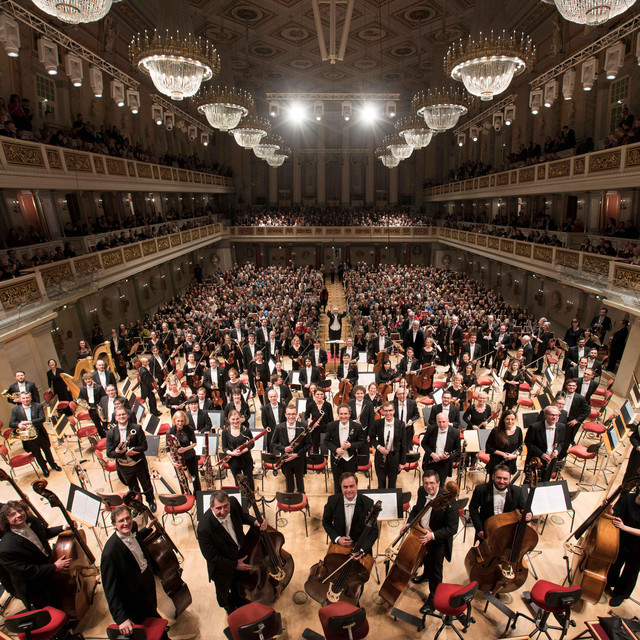
Konzerthausorchester Berlin
2023
·
1 album
Listen
3
/5
Genres
Contemporary Classical
Contemporary classical is the broad field of Western art music created after World War II. It embraces an array of aesthetics—from serialism and indeterminacy to minimalism, spectralism, electroacoustic practices, and post‑tonal lyricism—while retaining a concern for notated composition and timbral innovation. Unlike the unified styles of earlier eras, contemporary classical is pluralistic. Composers freely mix acoustic and electronic sound, expand instrumental techniques, adopt non‑Western tuning and rhythm, and explore new forms, from process-based structures to open and graphic scores. The result is a music that can be rigorously complex or radically simple, technologically experimental or intimately acoustic, yet consistently focused on extending how musical time, timbre, and form can be shaped.
Discover
Listen
Neoclassicism
Neoclassicism in music is a 20th‑century movement that revived forms, genres, and aesthetics from the Baroque and Classical eras, but reframed them with modern harmony, rhythm, and orchestration. It emphasizes clarity, balance, objectivity, and contrapuntal craft, often rejecting late‑Romantic excess while retaining a tonal or modal center enriched by dissonance, bitonality, and crisp rhythmic drive. Typical hallmarks include neobaroque dance suites, neoclassical sonatas and concerti, chamber‑oriented scoring, clean textures, and a dry, anti‑rhetorical performance style.
Discover
Listen
Austro-German Modernism
Austro-German modernism is a current in early 20th‑century classical music centered in Vienna, Berlin, and other cultural hubs of the German‑speaking world. It is marked by the break with late‑Romantic tonality through chromatic saturation, atonality, and ultimately systematic twelve‑tone/serial procedures; a heightened, often expressionist intensity of gesture; concentrated motivic work; and refined attention to timbre (including Klangfarbenmelodie). While many composers retained or reimagined traditional forms, their harmonic language, rhythm, and orchestration pursued a radical new expressivity. Beyond its signature pitch techniques, the movement embraced new vocal practices (such as Sprechstimme), chamber ensembles of novel makeup, and an aesthetics that oscillated between ecstatic subjectivity and ascetic concentration. Its innovations set the groundwork for much of 20th‑ and 21st‑century concert music.
Discover
Listen
Post-Romantic Era
Post-Romantic era refers to late-19th- and early-20th-century classical music that extends the lush harmonies, expansive forms, and emotive rhetoric of High Romanticism while pushing tonality and orchestration to their limits. It is characterized by chromatic saturation, extended tonal relationships, large orchestras (often with auxiliary instruments such as celesta, harps, and organ), and grand, often programmatic designs (tone poems, multi-movement symphonies, and large-scale operas). Composers frequently adopt leitmotivic writing, extreme dynamic ranges, and deeply personal, sometimes metaphysical subject matter. Historically it overlaps with the early stirrings of musical Modernism: while remaining fundamentally tonal, it explores ambiguous tonal centers, altered/chromatic mediants, and advanced chordal extensions (9ths, 11ths, 13ths), thereby creating a bridge between Romantic idioms and the innovations of the 20th century.
Discover
Listen
Orchestral
Orchestral music refers to compositions written for an orchestra—a large ensemble typically built around a string section (violins, violas, cellos, double basses), complemented by woodwinds, brass, percussion, and often harp, keyboard, or other auxiliary instruments. A conductor coordinates the ensemble, shaping balance, phrasing, and expression. The style emphasizes coloristic timbre combinations, dynamic range from the softest pianissimo to explosive tuttis, and textures that can shift seamlessly between transparent chamber-like writing and monumental masses of sound. Orchestral writing underpins concert genres such as symphonies, overtures, and tone poems, as well as opera, ballet, and modern film and game scores. While orchestral writing evolved across centuries, its core craft centers on melody, counterpoint, harmony, register, and orchestration—the art of assigning musical ideas to instruments to achieve clarity, contrast, and narrative impact.
Discover
Listen
Classical
Classical music is the notated art-music tradition of Europe and its global descendants, characterized by durable forms, carefully codified harmony and counterpoint, and a literate score-based practice. The term “classical” can refer broadly to the entire Western art-music lineage from the Medieval era to today, not just the Classical period (c. 1750s–1820s). It privileges long-form structures (such as symphonies, sonatas, concertos, masses, and operas), functional or modal harmony, thematic development, and timbral nuance across ensembles ranging from solo instruments to full orchestras and choirs. Across centuries, the style evolved from chant and modal polyphony to tonal harmony, and later to post-tonal idioms, while maintaining a shared emphasis on written notation, performance practice, and craft.
Discover
Listen
Albums
2023
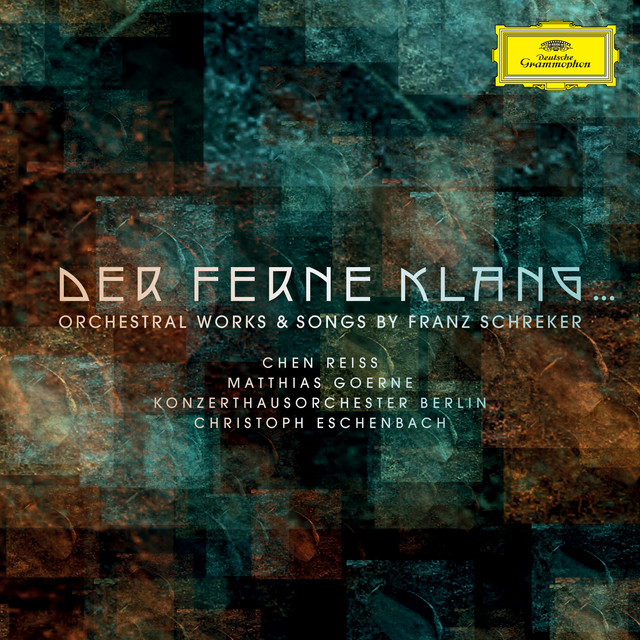
Der ferne Klang... Orchestral Works & Songs by Franz Schreker
Franz Schreker, Konzerthausorchester Berlin, Christoph Eschenbach
Austro-German Modernism
Post-Romantic Era
Similar artists
4
/5
Daniel Barenboim
Impressionism
Classical
Chamber Music
3
/5
Igor Stravinsky
Ballet
Neoclassicism
Classical
4
/5
Berliner Philharmoniker
Classical
Symphony
Romantic Classical
3
/5
Deutsches Symphonie-Orchester Berlin
Classical
Opera
Concerto
2
/5
Atlanta Symphony Orchestra
Choral
Orchestral
Classical
2
/5
Witold Lutosławski
Avant-Garde
Concerto
Contemporary Classical
4
/5
Herbert von Karajan
Classical
Symphonic Poem
Symphony
3
/5
Chicago Symphony Orchestra
Classical
Concerto
Expressionism
3
/5
Roberto Cacciapaglia
Contemporary Classical
Compositional Ambient
Neoclassicism
3
/5
BBC Philharmonic
Classical
Concerto
Contemporary Classical
Download our mobile app
Get the Melodigging app and start digging for new genres on the go
Download on the App Store
Get it on Google Play
© 2026 Melodigging
Give feedback
Legal
Melodding was created as a tribute to
Every Noise at Once
, which inspired us to help curious minds keep digging into music's ever-evolving genres.