Genres
Artists
Albums
Make Music
Sign in
Sign in
Artists
Baroque
Artists
Baroque
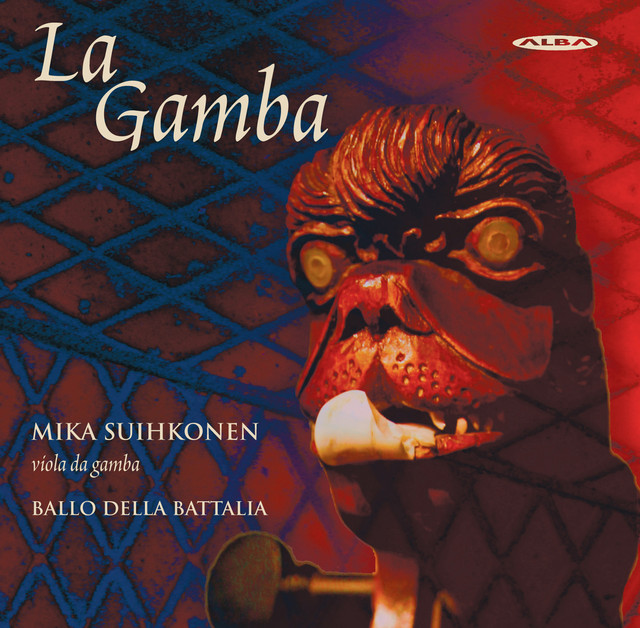
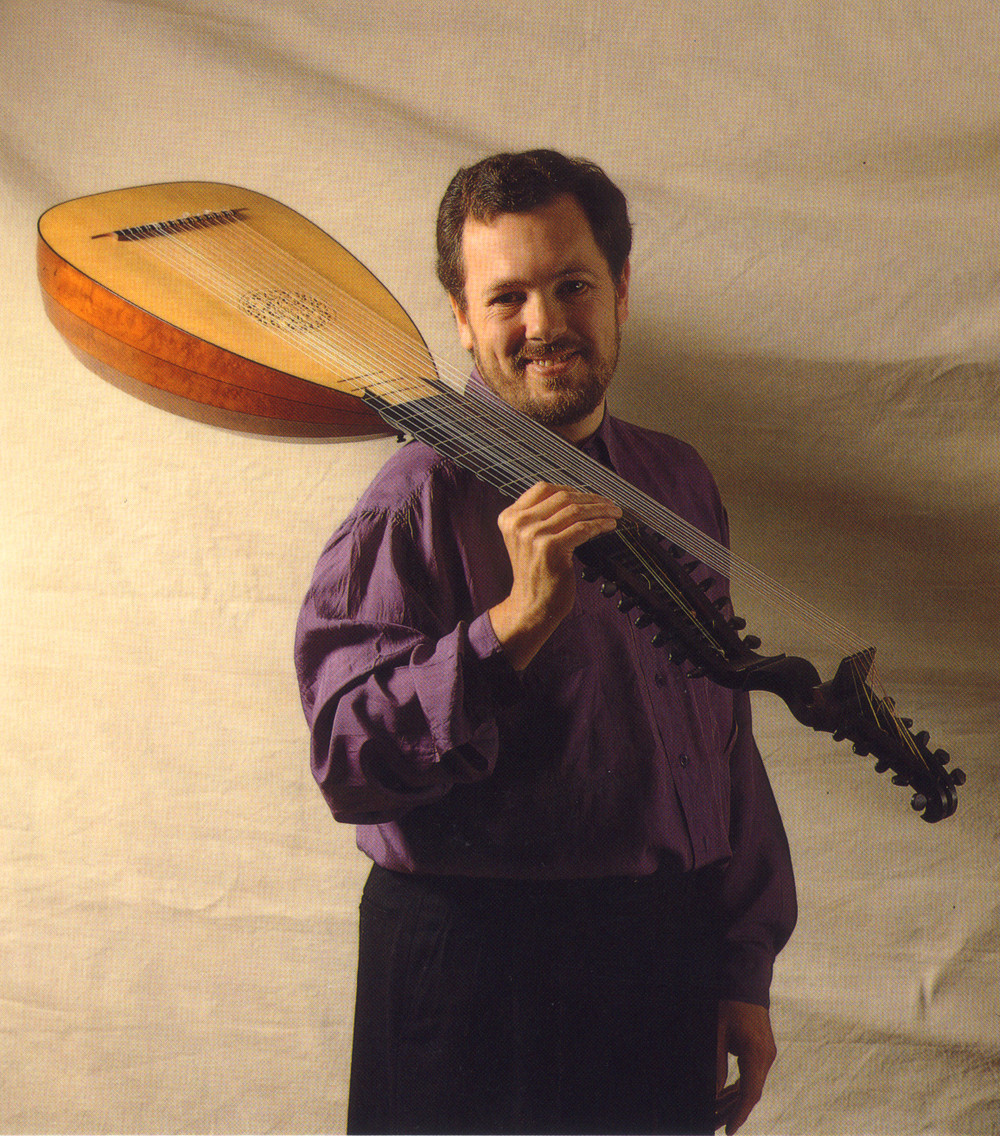
Mika Suihkonen
2013
·
1 album
Listen
1
/5
Genres
Early Music
Early music is a modern performance movement devoted to the repertoire of the Medieval, Renaissance, and early Baroque eras (roughly before c. 1750), approached with historically informed performance (HIP) practices. It emphasizes period instruments (or faithful replicas), historical tunings and temperaments, original notations and sources, and performance conventions documented in treatises of the time. The sound world ranges from monophonic chant and modal organum, to intricate Renaissance polyphony, to the emergence of basso continuo and dramatic affect in the early Baroque. Rather than being a single historical style, early music is a contemporary practice of reviving diverse pre‑Classical musics with scholarly rigor and artistic vitality.
Discover
Listen
Baroque
Baroque is a period and style of Western art music spanning roughly 1600–1750. It is characterized by the birth of functional tonality, the widespread use of basso continuo (figured bass), and a love of contrast—between soloist and ensemble, loud and soft, and different timbres. Hallmark genres and forms of the era include opera, cantata, oratorio, concerto (especially the concerto grosso), dance suite, sonata, and fugue. Textures range from expressive monody to intricate counterpoint, and melodies are richly ornamented with trills, mordents, and appoggiaturas. Baroque music flourished in churches, courts, and theaters across Europe, with regional styles (Italian, French, German, English) shaping distinctive approaches to rhythm, dance, harmony, and ornamentation.
Discover
Listen
Viola Da Gamba
Viola da gamba refers both to a family of bowed, fretted, gut‑strung instruments held between the legs and to the repertoire and performance practice that grew around them. Emerging in late 15th‑century Spain and flourishing across Renaissance and Baroque Europe, gamba music spans intimate solo works, expressive duos, and rich consort textures. Its tone is subtle, vocal, and nuanced—ideal for contrapuntal lines, divisions (ornamented variations), and dance‑derived forms. Typical features include modal and early tonal harmony, contrapuntal writing, elaborate ornamentation, and a refined, inward character suited to courtly and domestic music-making.
Discover
Listen
Renaissance
Renaissance music (c. 1400–1600) marks the shift from medieval sonorities to a clearer, triad-based polyphony in which multiple independent voices are treated with near-equal importance. It favors modal counterpoint, pervasive imitation, smooth voice-leading, and carefully prepared cadences. Text intelligibility and expressive text-setting become central concerns, especially in sacred motets and masses and in secular forms like the Italian madrigal and the French chanson. While much of the repertory is a cappella, instrumental consorts (viol, recorder, sackbut, cornett, organ) play a growing role. A steady tactus underpins rhythms, and tuning systems such as meantone temperament shape its characteristic color. Music printing (from 1501) accelerates stylistic diffusion across Europe.
Discover
Listen
Medieval
Medieval music refers to the diverse sacred and secular musical practices of Europe between the fall of the Western Roman Empire and the dawn of the Renaissance. It spans more than eight centuries, from early monophonic chant to the first notated polyphony. Core features include the use of church modes rather than major/minor, extensive reliance on vocal music (Latin sacred chant as well as vernacular song), and the progressive development from unmeasured chant to rhythmic modal notation and, later, mensural notation. Texture evolves from monophony (plainchant, troubadour songs) to organum, conductus, and the motet, culminating in complex isorhythmic works by the late 13th–14th centuries. Secular traditions—troubadours and trouvères in France, Minnesänger in German lands, and the Iberian Cantigas—coexisted with and influenced sacred practice. Instruments such as the vielle, harp, psaltery, recorder, shawm, hurdy-gurdy, and portative organ often doubled or accompanied voices, though much music remained purely vocal.
Discover
Listen
Albums
2013
La Gamba
Mika Suihkonen
Viola Da Gamba
Similar artists
2
/5
Nigel North
Baroque
Classical
Early Music
2
/5
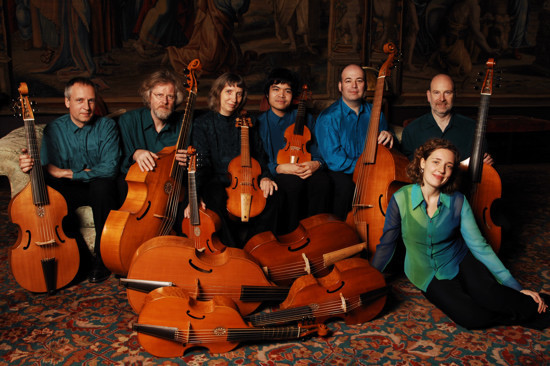
The Rose Consort Of Viols
Baroque
Early Music
Medieval
3
/5
John Dowland
Renaissance
Elizabethan Song
Early Music
3
/5
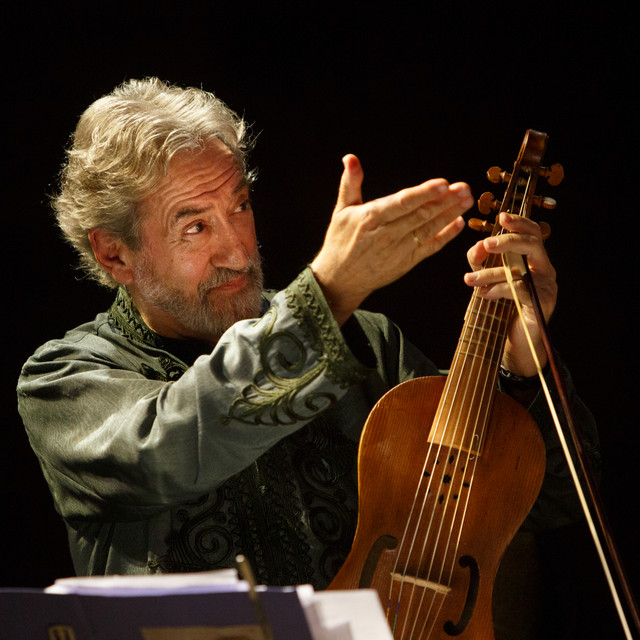
Jordi Savall
Renaissance
Baroque
Classical
2
/5
Fretwork
English Renaissance
Baroque
Chamber Music
3
/5
Christina Pluhar
Classical
Italian Folk Music
Baroque
3
/5
Peter Phillips
Renaissance
Choral
Requiem
3
/5
Giovanni Pierluigi da Palestrina
Classical
Renaissance
Mass
3
/5
The Tallis Scholars
Renaissance
Choral
Classical
3
/5
L'Arpeggiata
Classical
Italian Folk Music
Baroque
Download our mobile app
Get the Melodigging app and start digging for new genres on the go
Download on the App Store
Get it on Google Play
© 2026 Melodigging
Give feedback
Legal
Melodding was created as a tribute to
Every Noise at Once
, which inspired us to help curious minds keep digging into music's ever-evolving genres.