Genres
Artists
Albums
Make Music
Sign in
Sign in
Artists
Chamber Music
Artists
Chamber Music
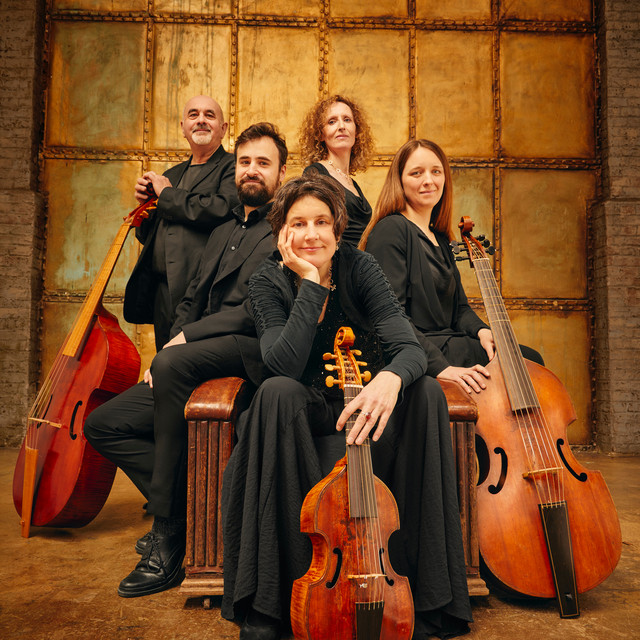
Fretwork
1995–2009
·
3 albums
Listen
2
/5
Genres
Early Music
Early music is a modern performance movement devoted to the repertoire of the Medieval, Renaissance, and early Baroque eras (roughly before c. 1750), approached with historically informed performance (HIP) practices. It emphasizes period instruments (or faithful replicas), historical tunings and temperaments, original notations and sources, and performance conventions documented in treatises of the time. The sound world ranges from monophonic chant and modal organum, to intricate Renaissance polyphony, to the emergence of basso continuo and dramatic affect in the early Baroque. Rather than being a single historical style, early music is a contemporary practice of reviving diverse pre‑Classical musics with scholarly rigor and artistic vitality.
Discover
Listen
Contemporary Classical
Contemporary classical is the broad field of Western art music created after World War II. It embraces an array of aesthetics—from serialism and indeterminacy to minimalism, spectralism, electroacoustic practices, and post‑tonal lyricism—while retaining a concern for notated composition and timbral innovation. Unlike the unified styles of earlier eras, contemporary classical is pluralistic. Composers freely mix acoustic and electronic sound, expand instrumental techniques, adopt non‑Western tuning and rhythm, and explore new forms, from process-based structures to open and graphic scores. The result is a music that can be rigorously complex or radically simple, technologically experimental or intimately acoustic, yet consistently focused on extending how musical time, timbre, and form can be shaped.
Discover
Listen
Chamber Music
Chamber music is a tradition of composed music for small ensembles—typically one player per part—intended for intimate spaces such as courts, salons, and private rooms rather than large public halls. Its aesthetic emphasizes clarity of texture, conversational interplay among parts, and balance without a conductor. Hallmark formations include the string quartet, piano trio, wind quintet, string quintet, and various mixed ensembles. Multi‑movement cycles (often in sonata form) and finely wrought counterpoint are common, ranging from Baroque trio sonatas to Classical string quartets and modern works with expanded timbres and techniques. Because of its scale and transparency, chamber music has long been a proving ground for compositional craft and ensemble musicianship, shaping the core of Western art music from the Baroque through the present.
Discover
Listen
Elizabethan Song
Elizabethan song refers primarily to the English solo song with lute (often called the ayre), and the related consort song for voice with a viol consort, cultivated during the reign of Elizabeth I. Typically strophic and text-led, these songs set courtly, pastoral, or amorous poetry in clear, singable melodies supported by contrapuntal or chordal lute accompaniments. Hallmarks include finely balanced prosody, vivid word-painting, and modal harmony (often Aeolian, Dorian, and Mixolydian) gradually shading toward early tonal cadences. The style sits between popular and learned traditions: it borrows memorable tunefulness from ballad and dance idioms while deploying Renaissance contrapuntal craft. Songs were circulated in printed partbooks and lute tablature, intended for both courtly performance and domestic music-making. The repertory remains prized for its intimate expressivity, rhetorical clarity, and refined yet approachable musical language.
Discover
Listen
Fantasia
Fantasia (or fantasy/fantasie) is a classical composition type defined by an improvisatory character, flexible form, and the free development of one or more motives. Unlike strict dance forms or fugues, a fantasia typically privileges invention, dramatic contrast, and rhapsodic flow over predetermined structures. Emerging in the Renaissance with vihuela, lute, viol consort, and keyboard repertories, the fantasia evolved through the Baroque (notably on harpsichord and organ) and was later adopted by Classical and Romantic composers for piano and orchestra. Across eras, common threads include sectional design, sudden textural changes, imitative counterpoint, and exploration of harmony from modal to chromatic languages.
Discover
Listen
Renaissance
Renaissance music (c. 1400–1600) marks the shift from medieval sonorities to a clearer, triad-based polyphony in which multiple independent voices are treated with near-equal importance. It favors modal counterpoint, pervasive imitation, smooth voice-leading, and carefully prepared cadences. Text intelligibility and expressive text-setting become central concerns, especially in sacred motets and masses and in secular forms like the Italian madrigal and the French chanson. While much of the repertory is a cappella, instrumental consorts (viol, recorder, sackbut, cornett, organ) play a growing role. A steady tactus underpins rhythms, and tuning systems such as meantone temperament shape its characteristic color. Music printing (from 1501) accelerates stylistic diffusion across Europe.
Discover
Listen
Medieval
Medieval music refers to the diverse sacred and secular musical practices of Europe between the fall of the Western Roman Empire and the dawn of the Renaissance. It spans more than eight centuries, from early monophonic chant to the first notated polyphony. Core features include the use of church modes rather than major/minor, extensive reliance on vocal music (Latin sacred chant as well as vernacular song), and the progressive development from unmeasured chant to rhythmic modal notation and, later, mensural notation. Texture evolves from monophony (plainchant, troubadour songs) to organum, conductus, and the motet, culminating in complex isorhythmic works by the late 13th–14th centuries. Secular traditions—troubadours and trouvères in France, Minnesänger in German lands, and the Iberian Cantigas—coexisted with and influenced sacred practice. Instruments such as the vielle, harp, psaltery, recorder, shawm, hurdy-gurdy, and portative organ often doubled or accompanied voices, though much music remained purely vocal.
Discover
Listen
Show all 7 genres
Albums
2009
1
/5
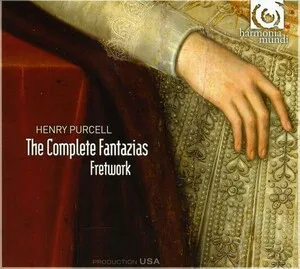
The Complete Fantazias
Henry Purcell / Fretwork
Fantasia
2005
1
/5
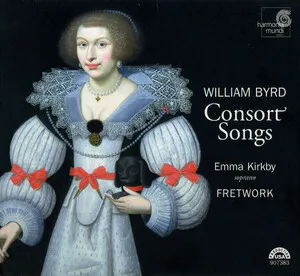
Consort Songs
William Byrd / Fretwork / Emma Kirkby
Elizabethan Song
1995
1
/5
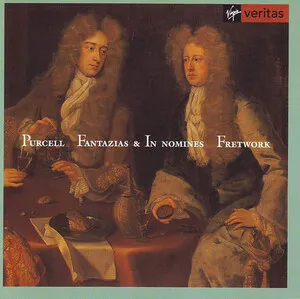
Fantazias & In nomines
Henry Purcell / Fretwork
Fantasia
Similar artists
3
/5
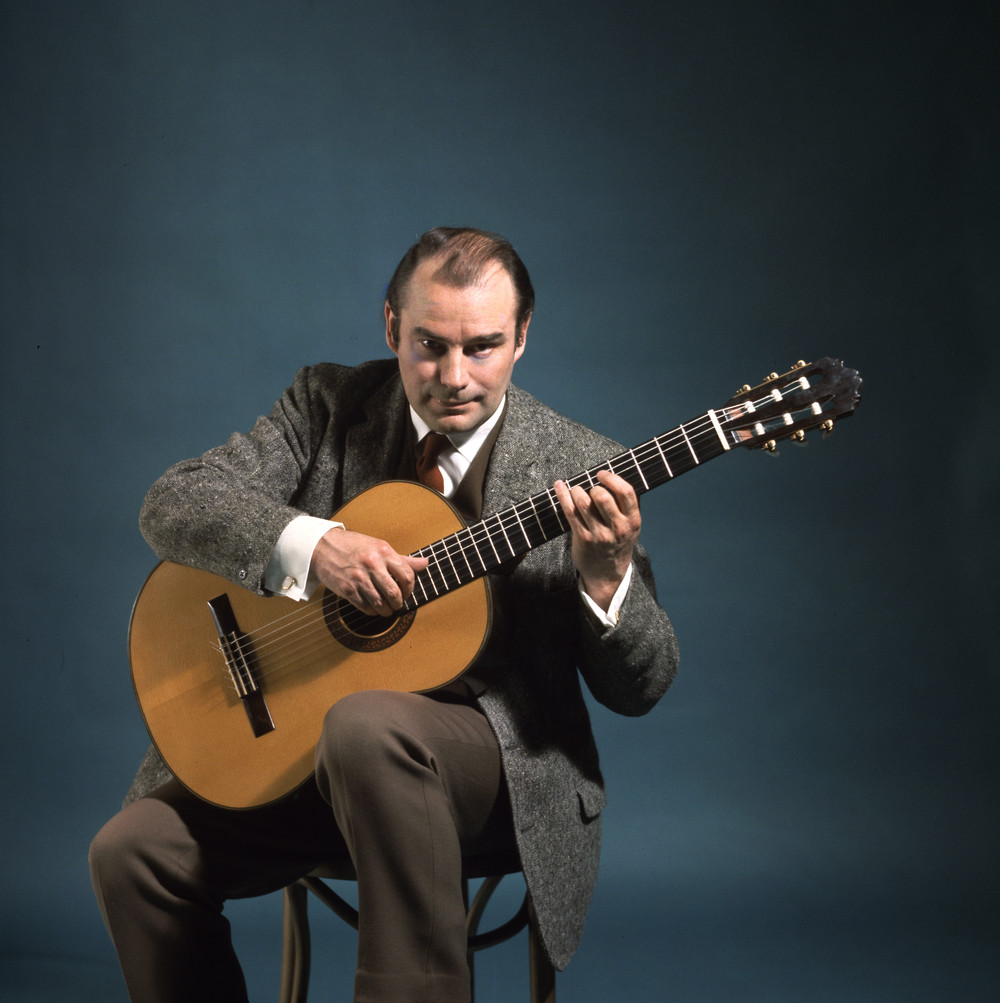
Julian Bream
Classical
Medieval
Renaissance
4
/5
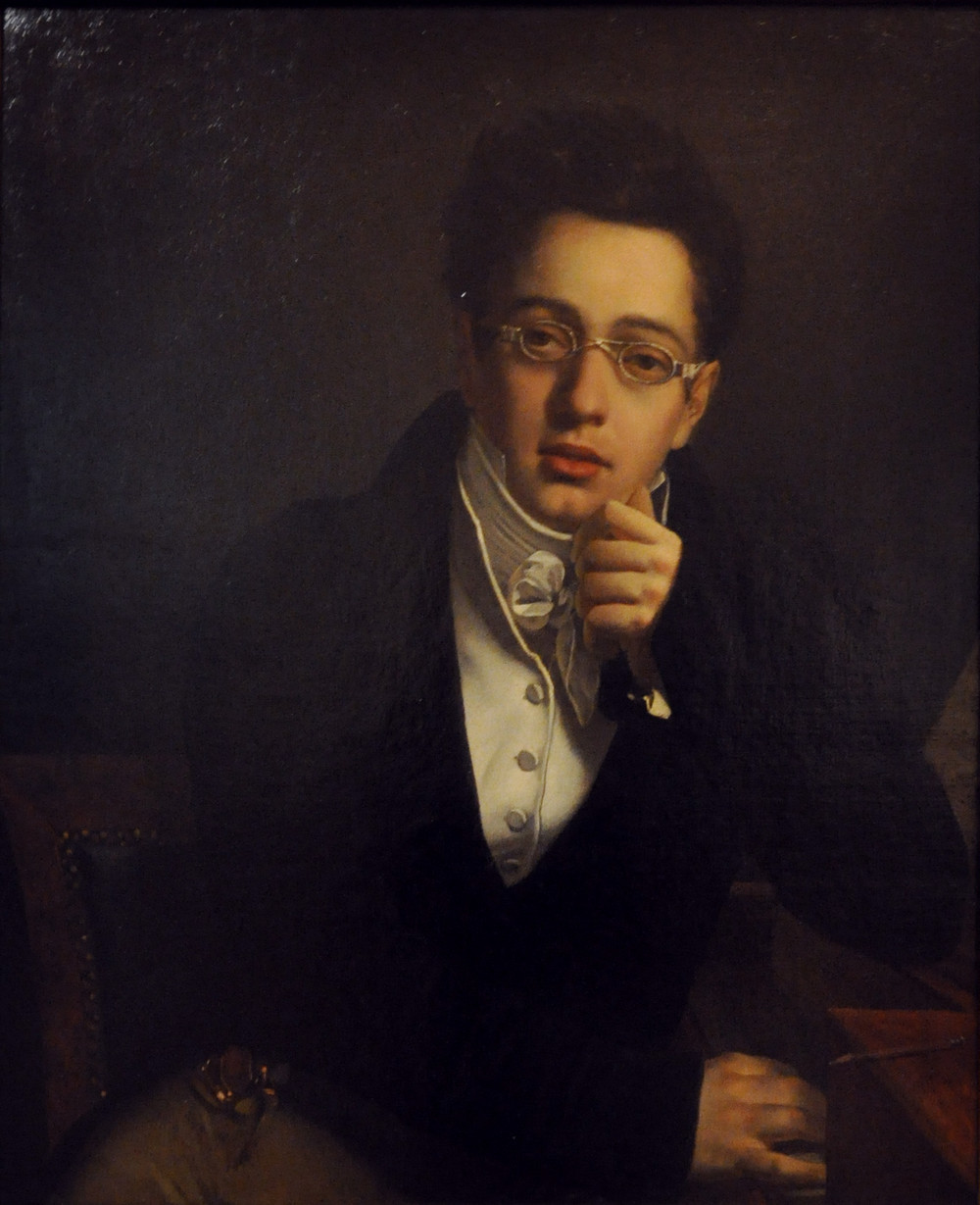
Franz Schubert
Impromptu
Lied
Art Song
3
/5
Anonymous
Ars Antiqua
Gregorian Chant
Medieval
3
/5
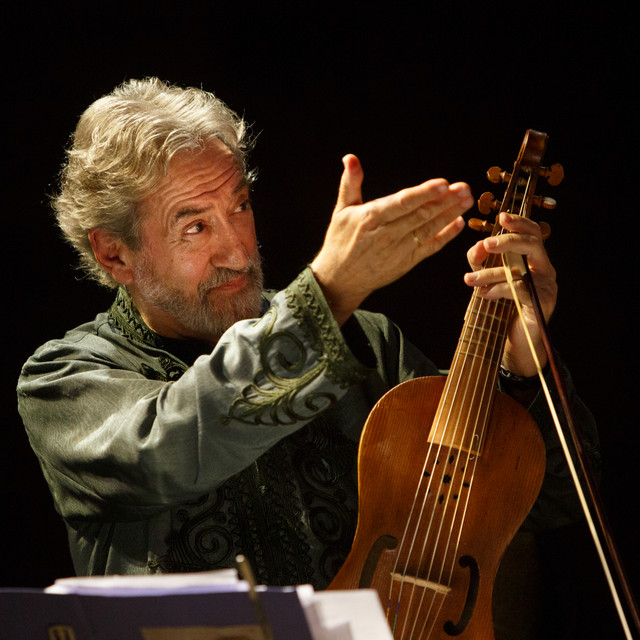
Jordi Savall
Renaissance
Baroque
Classical
2
/5
Hopkinson Smith
Chamber Music
Medieval
2
/5
Jakob Lindberg
Chamber Music
Medieval
2
/5
Ricercar Consort
Cantata
Baroque
Chamber Music
2
/5
Guido Morini
Canzone Napoletana
Chamber Music
Medieval
2
/5
Michael Form
Chamber Music
Medieval
2
/5
Yasunori Imamura
Chamber Music
Medieval
Download our mobile app
Get the Melodigging app and start digging for new genres on the go
Download on the App Store
Get it on Google Play
© 2026 Melodigging
Give feedback
Legal
Melodding was created as a tribute to
Every Noise at Once
, which inspired us to help curious minds keep digging into music's ever-evolving genres.