Genres
Artists
Albums
Make Music
Sign in
Sign in
Artists
Early Music
Artists
Early Music
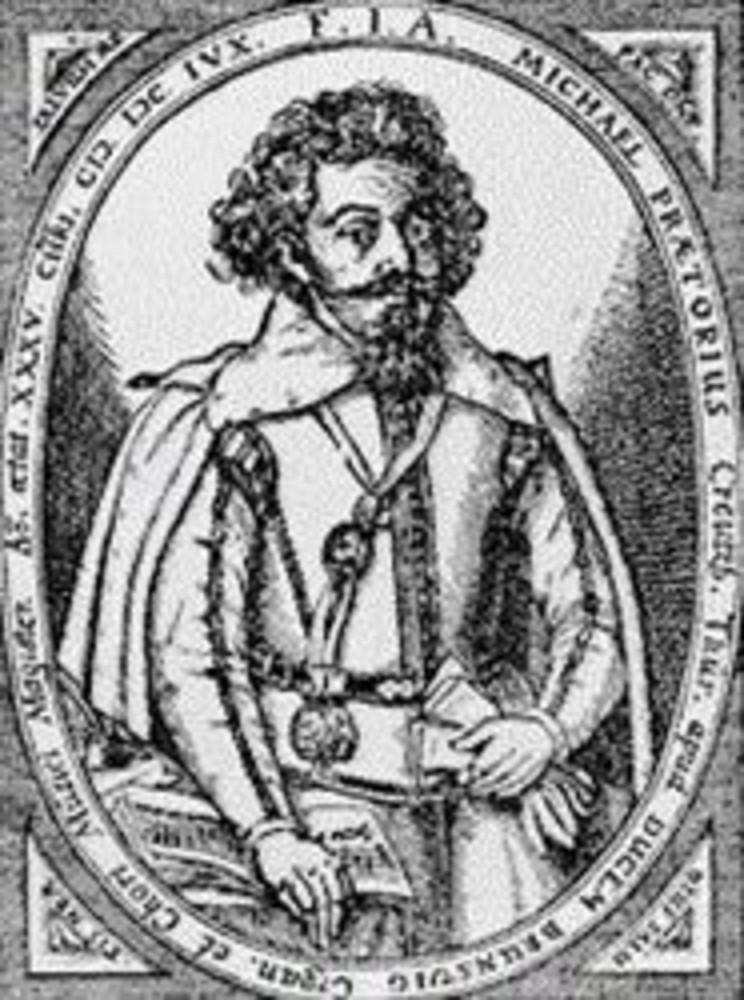
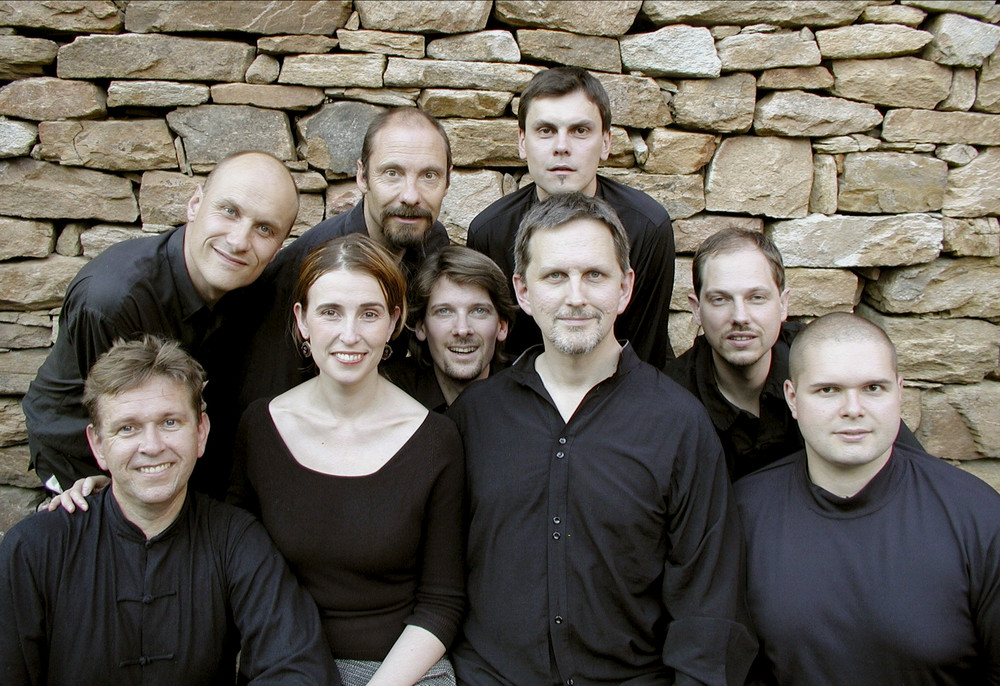
Michael Praetorius
1998–2020
·
2 albums
Listen
2
/5
Genres
Instrumental Worship
Instrumental worship is a contemplative, devotional offshoot of contemporary Christian worship that removes vocals and foregrounds atmosphere, texture, and melody. It typically features slow to mid‑tempo grooves, lush pads, gentle piano or guitar figures, long reverbs, and swelling strings that create space for prayer, meditation, and reflection. Harmonically it favors consonant, diatonic progressions (e.g., I–V–vi–IV) in major keys or modal colors (Mixolydian, Dorian), with minimal modulation and extended drones to sustain a sense of calm and continuity. While some releases are instrumental re‑arrangements of well‑known worship songs, many pieces are free‑flowing improvisations designed for background use in services, prayer rooms, and devotional settings. The genre grew alongside streaming and long‑form YouTube sessions, where multi‑hour “soaking” and “prayer” instrumentals are common.
Discover
Listen
Early Music
Early music is a modern performance movement devoted to the repertoire of the Medieval, Renaissance, and early Baroque eras (roughly before c. 1750), approached with historically informed performance (HIP) practices. It emphasizes period instruments (or faithful replicas), historical tunings and temperaments, original notations and sources, and performance conventions documented in treatises of the time. The sound world ranges from monophonic chant and modal organum, to intricate Renaissance polyphony, to the emergence of basso continuo and dramatic affect in the early Baroque. Rather than being a single historical style, early music is a contemporary practice of reviving diverse pre‑Classical musics with scholarly rigor and artistic vitality.
Discover
Listen
Early Music Ensemble
An early music ensemble is a specialized vocal, instrumental, or mixed group devoted to the historically informed performance of Medieval, Renaissance, and Baroque repertoires (roughly before 1750). These ensembles typically use period instruments (or accurate reconstructions), historical tunings and temperaments, and performance practices derived from primary sources and treatises. Their goal is not a museum-like re‑creation but a living, stylistically grounded interpretation that clarifies texture, rhythm, rhetoric, and the soundworlds of earlier eras. Line‑ups range from small consorts (e.g., viols, recorders, lutes) to chamber orchestras with continuo groups, and from one‑to‑a‑part vocal consorts to medium‑sized choirs for larger polyphonic or Baroque works.
Discover
Listen
Renaissance
Renaissance music (c. 1400–1600) marks the shift from medieval sonorities to a clearer, triad-based polyphony in which multiple independent voices are treated with near-equal importance. It favors modal counterpoint, pervasive imitation, smooth voice-leading, and carefully prepared cadences. Text intelligibility and expressive text-setting become central concerns, especially in sacred motets and masses and in secular forms like the Italian madrigal and the French chanson. While much of the repertory is a cappella, instrumental consorts (viol, recorder, sackbut, cornett, organ) play a growing role. A steady tactus underpins rhythms, and tuning systems such as meantone temperament shape its characteristic color. Music printing (from 1501) accelerates stylistic diffusion across Europe.
Discover
Listen
Nyckelharpa
Nyckelharpa refers to the Swedish keyed-fiddle tradition centered on the nyckelharpa instrument, a bowed chordophone with wooden keys and a chorus of resonant sympathetic strings. Its timbre is bright, glassy, and bell-like, with a natural shimmer created by the sympathetic strings that ring along with the bowed melody. Historically rooted in Uppland (east-central Sweden), the style features dance-derived forms such as polska, schottis, waltz, and polka. Modern performance often blends traditional dance tunes with newly composed repertoire and baroque/renaissance pieces adapted to the instrument’s chromatic range. The chromatic nyckelharpa (developed in the 20th century) enabled expanded harmony and modulation, making it equally at home in solo settings, small folk ensembles, and cross-genre collaborations.
Discover
Listen
Classical
Classical music is the notated art-music tradition of Europe and its global descendants, characterized by durable forms, carefully codified harmony and counterpoint, and a literate score-based practice. The term “classical” can refer broadly to the entire Western art-music lineage from the Medieval era to today, not just the Classical period (c. 1750s–1820s). It privileges long-form structures (such as symphonies, sonatas, concertos, masses, and operas), functional or modal harmony, thematic development, and timbral nuance across ensembles ranging from solo instruments to full orchestras and choirs. Across centuries, the style evolved from chant and modal polyphony to tonal harmony, and later to post-tonal idioms, while maintaining a shared emphasis on written notation, performance practice, and craft.
Discover
Listen
Medieval
Medieval music refers to the diverse sacred and secular musical practices of Europe between the fall of the Western Roman Empire and the dawn of the Renaissance. It spans more than eight centuries, from early monophonic chant to the first notated polyphony. Core features include the use of church modes rather than major/minor, extensive reliance on vocal music (Latin sacred chant as well as vernacular song), and the progressive development from unmeasured chant to rhythmic modal notation and, later, mensural notation. Texture evolves from monophony (plainchant, troubadour songs) to organum, conductus, and the motet, culminating in complex isorhythmic works by the late 13th–14th centuries. Secular traditions—troubadours and trouvères in France, Minnesänger in German lands, and the Iberian Cantigas—coexisted with and influenced sacred practice. Instruments such as the vielle, harp, psaltery, recorder, shawm, hurdy-gurdy, and portative organ often doubled or accompanied voices, though much music remained purely vocal.
Discover
Listen
Show all 7 genres
Albums
2020
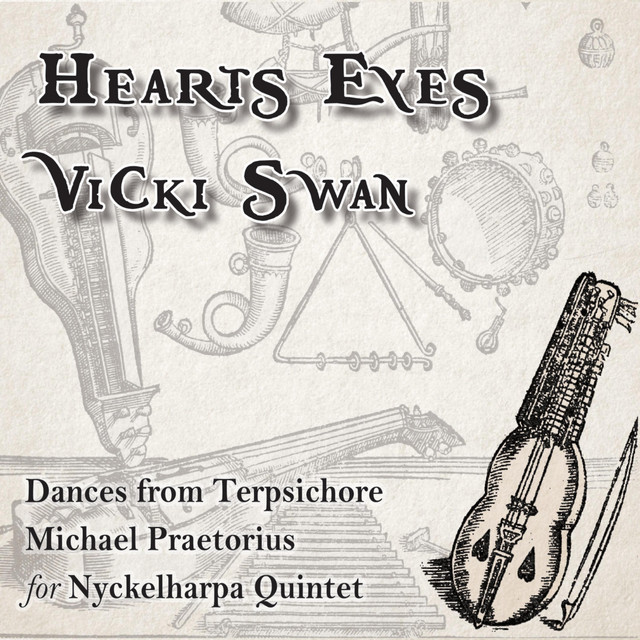
Hearts Eyes
Michael Praetorius, Vicki Swan
Nyckelharpa
1998
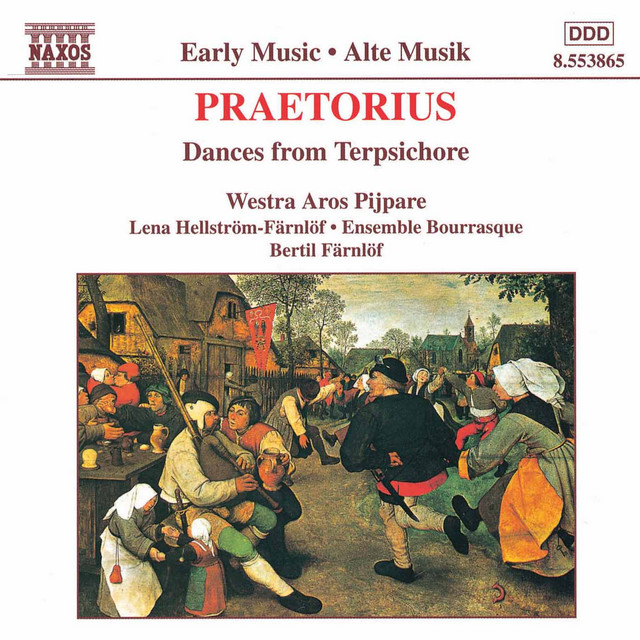
Praetorius: Dances From Terpsichore
Michael Praetorius, Westra Aros Pipers
Early Music Ensemble
Similar artists
3
/5
John Dowland
Renaissance
Elizabethan Song
Early Music
2
/5
Sequentia
Gregorian Chant
Plainchant
Medieval
1
/5
Ensemble Celadon
Medieval
Early Music
Renaissance
3
/5
New London Consort
Baroque
Classical
Early Music
2
/5
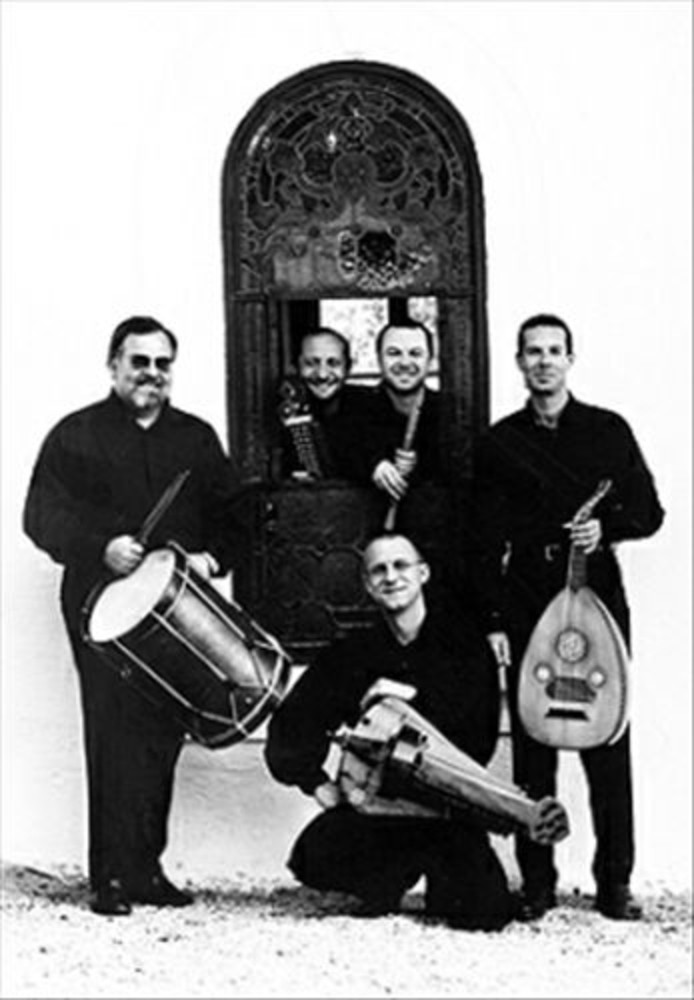
Unicorn Ensemble
Medieval
Medieval Classical Music
Medieval Lyric Poetry
3
/5
Hildegard von Bingen
Gregorian Chant
Plainchant
Classical
2
/5
Les Musiciens De Saint-Julien
Baroque
Celtic
Early Music
2
/5
François Lazarevitch
Baroque
Early Music
Medieval
2
/5
Baltimore Consort
Celtic
Early Music
Medieval
3
/5
Oxford Camerata
Renaissance
Classical
Gregorian Chant
Download our mobile app
Get the Melodigging app and start digging for new genres on the go
Download on the App Store
Get it on Google Play
© 2026 Melodigging
Give feedback
Legal
Melodding was created as a tribute to
Every Noise at Once
, which inspired us to help curious minds keep digging into music's ever-evolving genres.