Genres
Artists
Albums
Make Music
Sign in
Sign in
Artists
Neoperreo
Artists
Neoperreo
Merca Bae
2020–2025
·
4 albums
Listen
2
/5
Genres
Neoperreo
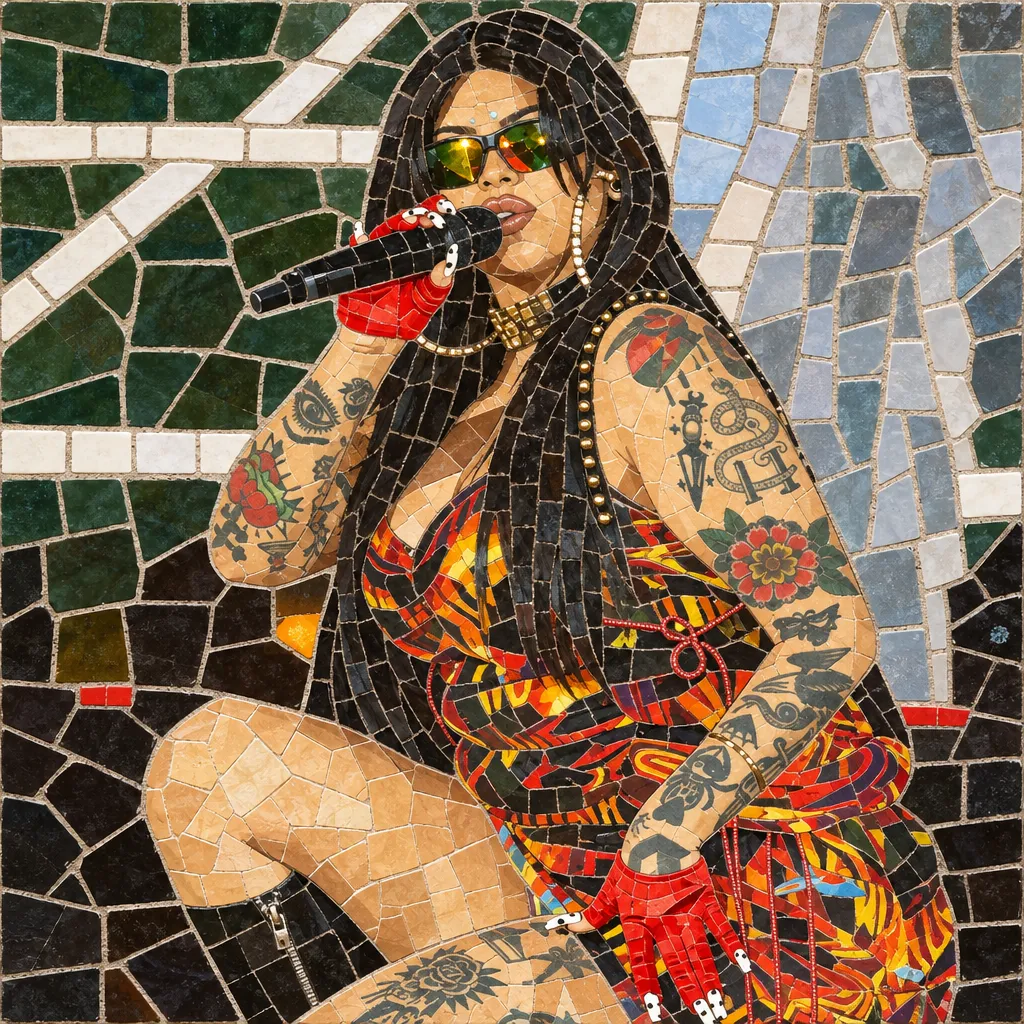
Neoperreo is a 2010s, internet-native reboot of reggaeton’s perreo culture, spearheaded by a DIY, club-oriented scene that embraces queer, feminist, and body-positive values. It keeps the genre’s dembow backbone while pushing sound design into heavier 808s, crisp digital percussion, and glossy autotuned vocals. Aesthetically, it borrows from global/experimental club currents, moombahton’s mid-tempo thump, and hyperpop’s online sensibility, yielding tracks that are minimal yet hard-hitting, hooky but adventurous. Neoperreo thrives in parties, YouTube/SoundCloud ecosystems, and pop-up scenes across Latin America, Spain, and the diaspora—designed first and foremost for the dancefloor and for perreo.
Discover
Listen
Flex Dance Music
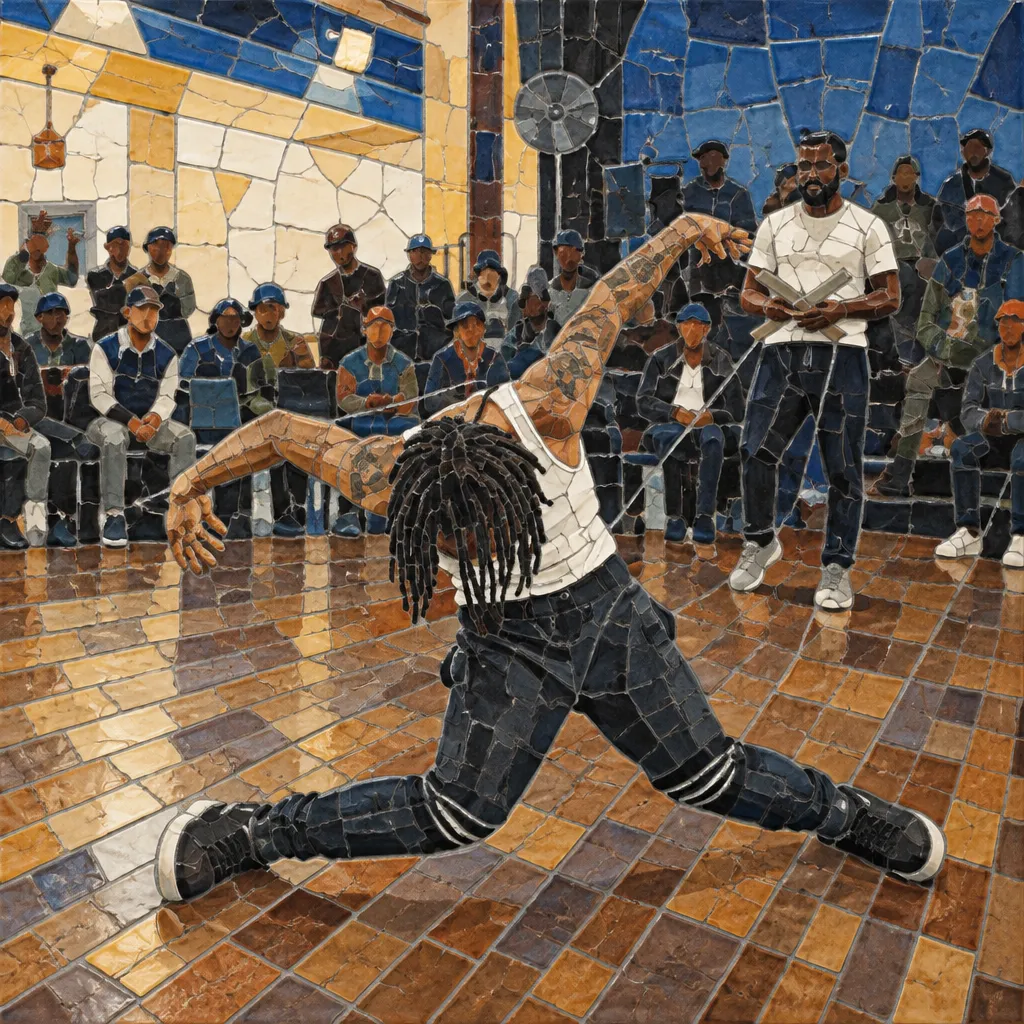
Flex Dance Music (often abbreviated FDM) is a high-energy, battle-ready club sound created to accompany the Brooklyn street-dance style known as flexing. Built for showcases and one-on-one battles, the music emphasizes sudden drops, hollow spaces, and explosive percussive hits that mirror the dance’s bone-breaking, pausing, and gliding techniques. Rhythmically it draws heavily from dancehall while absorbing elements from East Coast club music, trap, and grime. Expect chopped vocal calls, airhorns, sirens, spin-backs, and subby 808s arranged in stark, stop–start patterns. Melodic content tends to be minimal and tense; the groove does the storytelling so dancers can punctuate the silence with dramatic movement.
Discover
Listen
Grimewave
Grimewave is a hybrid microgenre that fuses the cold, skippy rhythms and sub-bass pressure of UK grime with the cinematic, reverb-laden atmospheres of the modern “wave”/ambient-trap continuum. It typically runs at grime-leaning tempos but borrows the widescreen pads, washed-out textures, and melancholic tone of wave and witch house. Producers favor skeletal, syncopated drum programming, sine and Reese sub-basses, and minimal but striking motifs—glassy bells, detuned synth chords, and distant vocal chops—leaving space for mood and bass weight to carry the track. Some cuts remain instrumental; others invite sparse grime/UK rap flows, with verses delivered over half-time lurches and foggy, nocturnal soundscapes.
Discover
Listen
Fluxwork
Fluxwork is a contemporary microgenre of electronic music optimized for sustained concentration and “flow state” listening. It blends the warmth and space of ambient with the pulse and structure of minimal techno and microhouse, emphasizing unobtrusive rhythms and gradual, textural movement. Tracks usually feature understated four-on-the-floor or gently broken patterns, soft sidechained pads, subtle arpeggios, and carefully filtered transitions. Vocals, if present at all, are sparse and textural. The result is music that feels propulsive yet calm—capable of fading into the background while quietly supplying kinetic focus.
Discover
Listen
Hard Drum
Hard drum is a UK-born strain of percussive club music that foregrounds heavy, syncopated drums, sharp transients, and minimal melodic content. Tracks often function as DJ tools: skeletal, high-impact, and designed to generate momentum and tension on the dancefloor. Drawing on UK funky’s swing, grime’s sound-design bite, and Afro-diasporic rhythms (kuduro, batida, gqom), hard drum emphasizes tuned toms, metallic hits, hand percussion, and sub-weighted kicks over sustained chords or vocal leads. The result is a stark, propulsive style that prizes polyrhythms, negative space, and sudden drops as its main dramatic devices.
Discover
Listen
Breaks
Breaks is a broad electronic dance music style built around syncopated breakbeat drum patterns instead of a straight four-on-the-floor kick. It emphasizes sliced, rearranged, and layered drum breaks—often sampled from classic funk, hip hop, and early electro—combined with heavy sub-bass and club-ready arrangements. As a scene and label category, “breaks” crystallized in the UK in the late 1990s out of the rave continuum, alongside big beat and later “nu skool breaks.” While tempos usually range from roughly 125–140 BPM, the defining trait is the swung, shuffling, and fragmented rhythm that drives dancers with push–pull groove rather than rigid grid-based kicks. Breaks spans a spectrum from funky, party-oriented tracks to darker, techy, bass-heavy material (often called tech breaks). Across its variants, it remains DJ-friendly, sample-savvy, and grounded in the art of drum manipulation.
Discover
Listen
Changa Tuki
Changa tuki (often associated with or nicknamed Raptor House) is a Venezuelan subgenre of house and a street dance culture that emerged in Caracas in the early 1990s. It fuses the relentless pulse of house/techno with tribal-style percussion, breakbeat fills, and strident, siren‑like synthesizers at fast club tempos. The scene grew around minitecas (mobile sound systems) and barrio parties, where dancers known as tuki(s) developed a distinctive, athletic “ghetto” dance vocabulary that became inseparable from the music. Sonically, expect hard‑thumping 4/4 kicks, rolling toms/congas, crisp claps, chopped vocal tags, and bright, metallic synth stabs—an urgent, street‑level take on 1990s electronic dance music.
Discover
Listen
Dancehall
Dancehall is a Jamaican popular music style built around bass‑heavy, groove‑centric riddims and the vocal art of chatting or singjaying in Jamaican Patois. It emphasizes direct, energetic delivery, call‑and‑response hooks, and a party‑forward attitude, while also leaving space for sharp social commentary and witty wordplay. The genre is fundamentally riddim‑based: producers release instrumental tracks (riddims) that many different vocalists "voice" with their own songs. This culture encourages competitive creativity, rapid evolution of styles, and a constant stream of new versions. Tempos typically sit in the midtempo range, with syncopated kicks and snares and prominent sub‑bass. Since the mid‑1980s, digital drum machines and synths have defined much of dancehall’s sound, though live instrumentation and hybrid production are common too.
Discover
Listen
Electronic
Electronic is a broad umbrella genre defined by the primary use of electronically generated or electronically processed sound. It encompasses music made with synthesizers, drum machines, samplers, computers, and studio/tape techniques, as well as electroacoustic manipulation of recorded or synthetic sources. The genre ranges from academic and experimental traditions to popular and dance-oriented forms. While its sonic palette is rooted in electricity and circuitry, its aesthetics span minimal and textural explorations, structured song forms, and beat-driven club permutations. Electronic emphasizes sound design, timbre, and studio-as-instrument practices as much as melody and harmony.
Discover
Listen
Show all 9 genres
Albums
2025
2
/5
Merca Zip /2024/
Merca Bae
Changa Tuki
2023
2
/5
Merca Zip /2022/
Merca Bae
Flex Dance Music
Neoperreo
Breaks
2021
2
/5
Merca Zip /2021/
Merca Bae
Neoperreo
2020
1
/5
Merca Zip 2020
Merca Bae
Neoperreo
Similar artists
4
/5
Bad Gyal
Latin Rap
Neoperreo
Basshall
2
/5
Dj Babatr
Neoperreo
Uk Funky
Changa Tuki
1
/5
Anti-G
Footwork
Idm
Neoperreo
5
/5
Rihanna
Barbadian Pop
Contemporary R&b
Electronic
5
/5
J Balvin
Reggaeton
Latin
Trap Latino
5
/5
Sean Paul
Dancehall
Reggae
Pop
5
/5
Farruko
Reggaeton
Latin
Trap Latino
4
/5
Major Lazer
Electronic
Dancehall
Edm
4
/5
Shaggy
Reggae
Dancehall
Pop
4
/5
Seeed
German Pop
Dancehall
Dub
Download our mobile app
Get the Melodigging app and start digging for new genres on the go
Download on the App Store
Get it on Google Play
© 2026 Melodigging
Give feedback
Legal
Melodding was created as a tribute to
Every Noise at Once
, which inspired us to help curious minds keep digging into music's ever-evolving genres.