Your digging level
Description
Changa tuki (often associated with or nicknamed Raptor House) is a Venezuelan subgenre of house and a street dance culture that emerged in Caracas in the early 1990s.
It fuses the relentless pulse of house/techno with tribal-style percussion, breakbeat fills, and strident, siren‑like synthesizers at fast club tempos. The scene grew around minitecas (mobile sound systems) and barrio parties, where dancers known as tuki(s) developed a distinctive, athletic “ghetto” dance vocabulary that became inseparable from the music.
Sonically, expect hard‑thumping 4/4 kicks, rolling toms/congas, crisp claps, chopped vocal tags, and bright, metallic synth stabs—an urgent, street‑level take on 1990s electronic dance music.


History
Changa tuki arose in Caracas, Venezuela, within the miniteca (mobile sound system) party circuit. Local DJs adapted the dominant club sounds of the time—1990s techno and house—toward a rawer, faster, percussive style that fit street parties and dance battles. In Venezuelan slang, “changa” came to denote house/eurodance party music, and “tuki(s)” identified the devoted dancers and supporters of the culture.
Through the late 1990s and 2000s the music and its dance vocabulary crystallized: pounding 4/4 kicks at ~140–150 BPM, tribal/Latin‑leaning percussion patterns, breakbeat fills, aggressive synth riffs, and vocal exclamations that energized competitive dance circles. The culture became mainstream within Venezuela’s urban nightlife, coexisting with reggaeton, salsa, and other popular forms while retaining a distinct barrio identity.
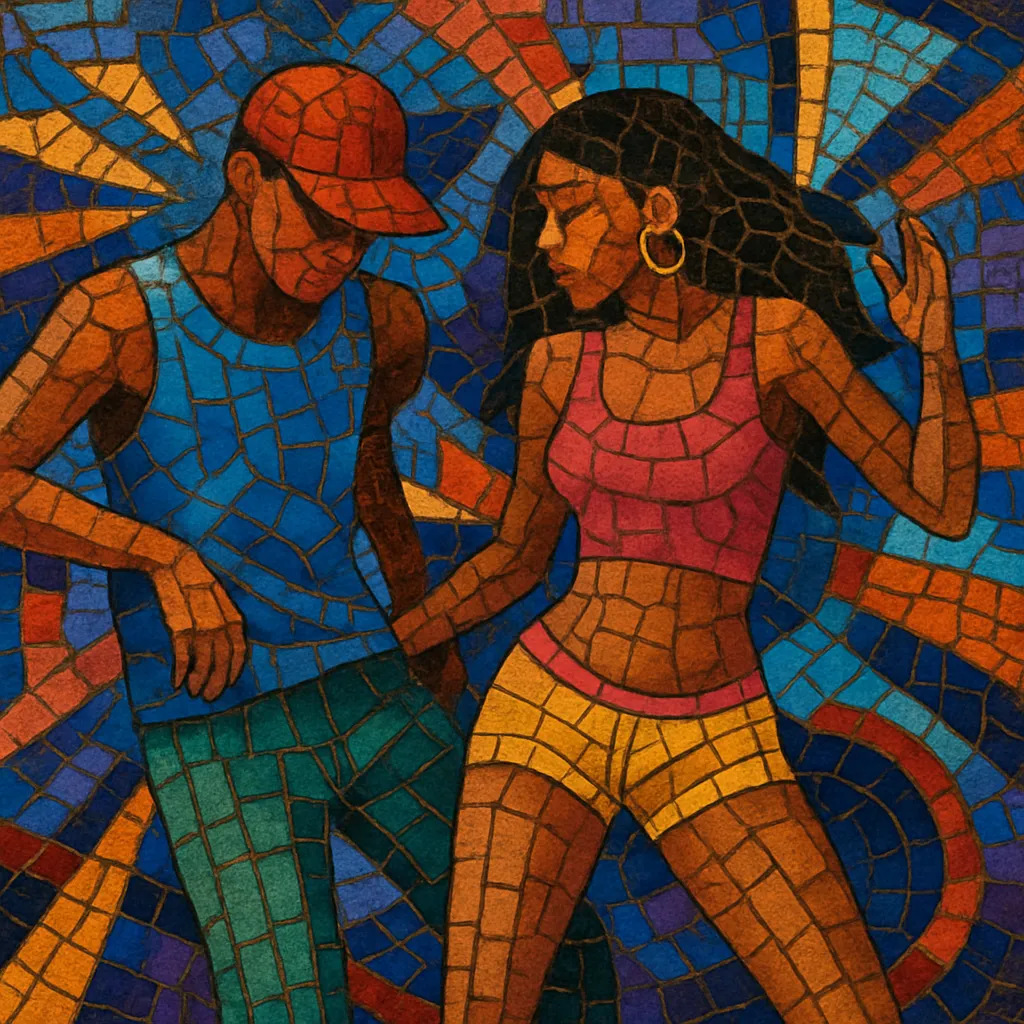
Changa tuki is as much a lifestyle and dance scene as it is a musical genre. Tuki dancers codified steps, spins, and floor moves that emphasized speed, balance, and attitude—often performed in crews at neighborhood parties. Fashion (sportswear, bright colors) and street‑level showmanship were integral to the scene’s identity.
After peaking in local popularity, the scene saw ebbs and flows, but gained renewed international attention in the 2010s through documentaries, online sharing, and diaspora artists highlighting the style’s roots. Contemporary producers and DJs have recontextualized changa tuki within broader Latin electronic and house circuits, while dancers continue to preserve and evolve the original tuki movement vocabulary.