Genres
Artists
Albums
Make Music
Sign in
Sign in
Artists
Jazz
Artists
Jazz
Mendoza, Vince
1994
·
1 album
Listen
Genres
Classical Crossover
Classical crossover blends elements of Western classical music with popular styles to create accessible, cinematic, and vocally forward repertoire. It typically keeps classical vocal technique or orchestral timbres while adopting pop song structures, contemporary production, and ear‑catching hooks. Arrangements often feature lush strings, piano, and choir, with dramatic dynamic arcs and key changes. Repertoire may include pop-influenced originals, classical themes with new lyrics, and reinterpretations of opera arias or film melodies, frequently sung in English, Italian, or Latin. The genre is designed for broad appeal without abandoning the polish and gravitas of classical performance, bridging concert hall aesthetics and mainstream listening contexts.
Discover
Listen
Flamenco Jazz
Flamenco jazz is a fusion style that blends the rhythmic cycles, guitar techniques, and vocal melismas of flamenco with the harmony, improvisation, and ensemble language of modern jazz. It typically features flamenco guitar (rasgueado, picado, alzapúa), palmas (handclaps), and cajón alongside piano, saxophone, bass, and drum set. Harmonically it mixes the Phrygian/Phrygian-dominant colors and Andalusian cadence of flamenco with jazz extensions, reharmonization, and modal or bebop-derived lines. The result ranges from driving bulerías and tangos in 4/4 or 12-beat compás to spacious, lyrical soleá-inspired pieces with jazz counterpoint and solo choruses.
Discover
Listen
Third Stream
Third stream is a hybrid genre that intentionally merges the languages of jazz and Western classical music. Coined by composer and horn player Gunther Schuller in 1957, the term describes music that is neither "jazz with strings" nor classical music with a swing veneer, but a true synthesis. It typically combines classical forms (such as fugue, theme and variations, or concerto-like structures) and orchestration with jazz harmony, rhythm, and improvisation. The results range from chamber-sized works for jazz combo and string quartet to large pieces for orchestra and jazz soloists. Third stream pieces often alternate between fully notated sections and improvised passages, use counterpoint and extended harmony, and may blend straight and swung time feels within a single work.
Discover
Listen
Latin Jazz
Latin jazz is a fusion of jazz harmony and improvisation with Afro–Latin American rhythms, song forms, and percussion. It combines the swing, bebop, and big-band traditions with clave-based grooves such as son, rumba, danzón, and mambo, and later integrates Brazilian feels like samba and bossa nova. Typical features include the use of the clave (2–3 or 3–2), piano montunos (guajeos), bass tumbao patterns, timbales cáscara, conga marcha, and call-and-response horn "mambo" figures. While the rhythm section locks into cyclical patterns, soloists improvise using the vocabulary of jazz, creating music that is both danceable and harmonically rich.
Discover
Listen
Orchestral Jazz
Orchestral jazz blends the improvisational spirit, swing feel, and extended harmony of jazz with the instrumentation, color, and large-scale forms of the orchestra. Typically built on a big-band core of saxophones, trumpets, trombones, and rhythm section, it augments the palette with strings, French horns, tuba, harp, and expanded percussion to achieve symphonic weight and timbral variety. Arrangers use techniques from classical orchestration—counterpoint, sectional scoring, motivic development—while preserving room for jazz solos and groove. The style took shape in the 1920s as “symphonic jazz” in the United States (e.g., Paul Whiteman’s commissions of George Gershwin), matured through Duke Ellington’s extended suites, and evolved post‑war via Stan Kenton, Claude Thornhill, and Gil Evans. Today, contemporary composers such as Maria Schneider continue the lineage with modern harmony, subtle textures, and long-form works.
Discover
Listen
Jazz
Jazz is an improvisation-centered music tradition that emerged from African American communities in the early 20th century. It blends blues feeling, ragtime syncopation, European harmonic practice, and brass band instrumentation into a flexible, conversational art. Defining features include swing rhythm (a triplet-based pulse), call-and-response phrasing, blue notes, and extended harmonies built on 7ths, 9ths, 11ths, and 13ths. Jazz is as much a way of making music—spontaneous interaction, variation, and personal sound—as it is a set of forms and tunes. Across its history, jazz has continually hybridized, from New Orleans ensembles and big-band swing to bebop, cool and hard bop, modal and free jazz, fusion, and contemporary cross-genre experiments. Its influence permeates global popular and art music.
Discover
Listen
Albums
1994
1
/5
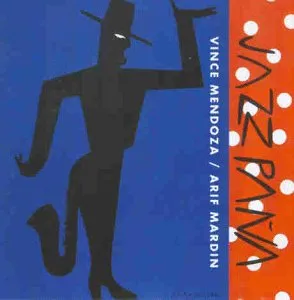
Jazzpaña
Vince Mendoza & Arif Mardin
Flamenco Jazz
Jazz
Latin Jazz
Similar artists
2
/5
Chano Dominguez
Flamenco
Contemporary Jazz
Flamenco Jazz
1
/5
Dave Holland and Pepe Habichuela
Flamenco
Latin Jazz
Flamenco Jazz
Mardin, Arif
Flamenco Jazz
Jazz
Latin Jazz
4
/5
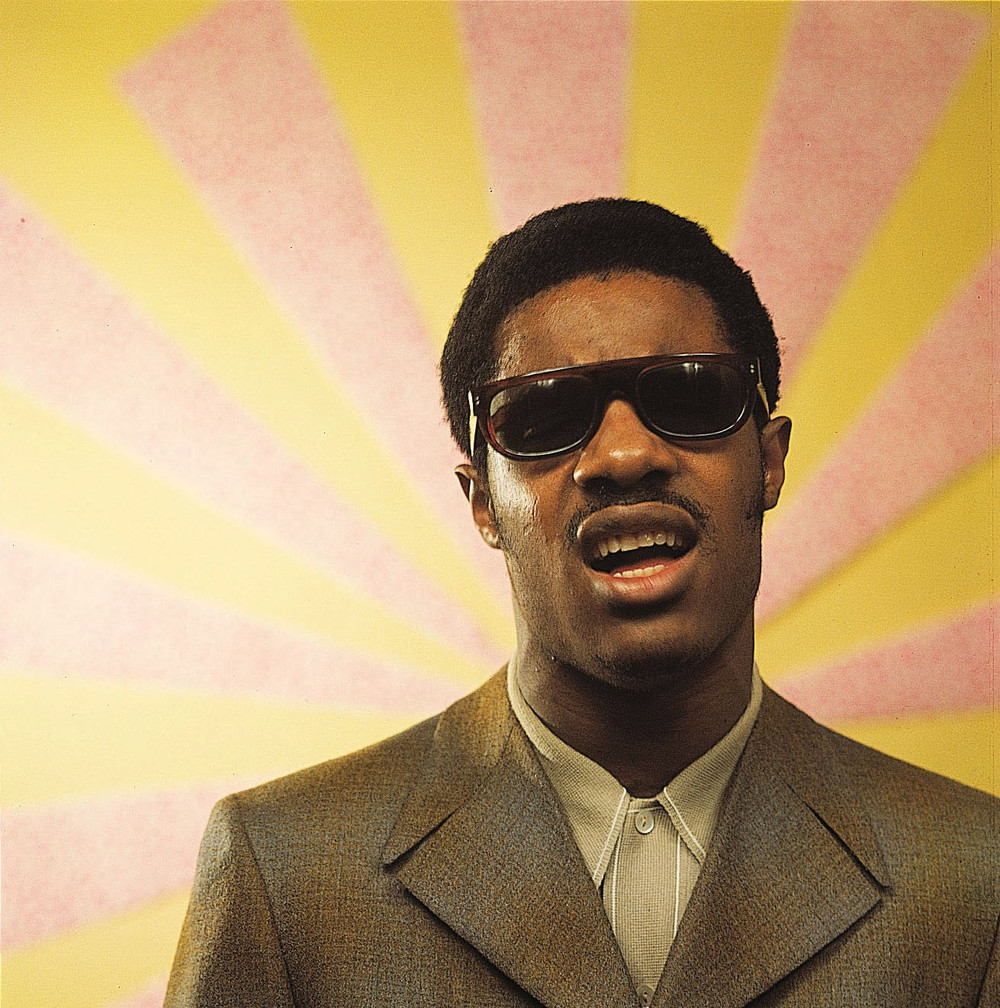
Stevie Wonder
Soul
Funk
Motown
4
/5
Antônio Carlos Jobim
Bossa Nova
Latin Jazz
Brazilian Jazz
4
/5
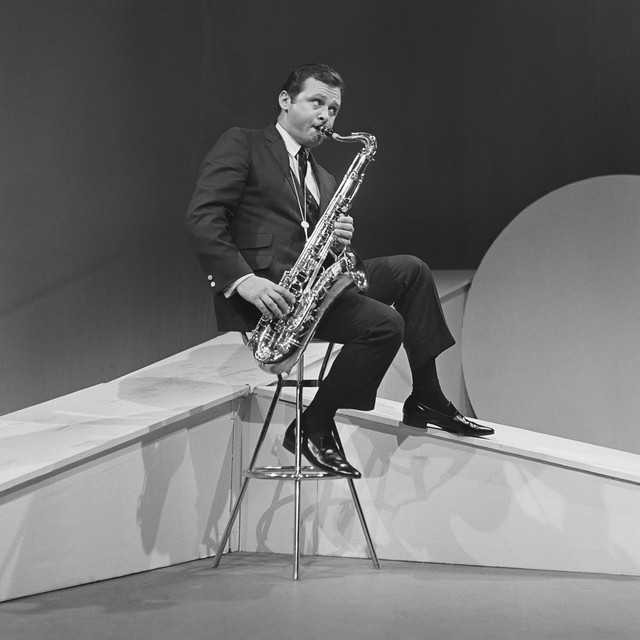
Stan Getz
Samba-Jazz
Bebop
Jazz
4
/5
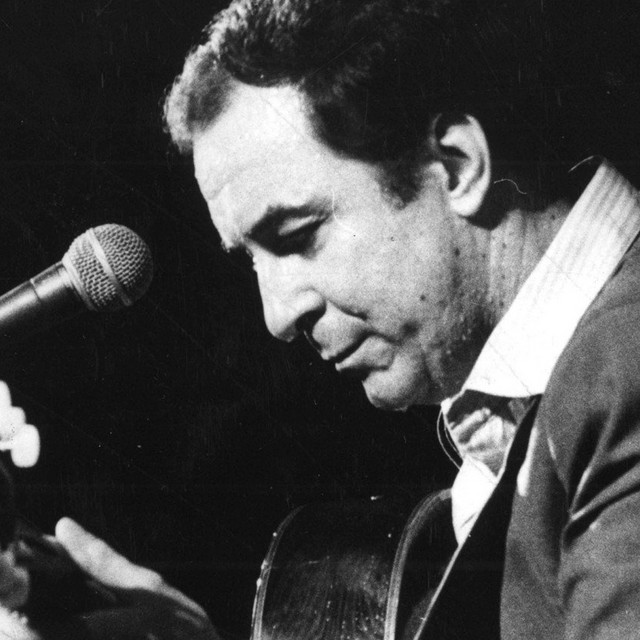
João Gilberto
Bossa Nova
Latin Jazz
Cool Jazz
4
/5
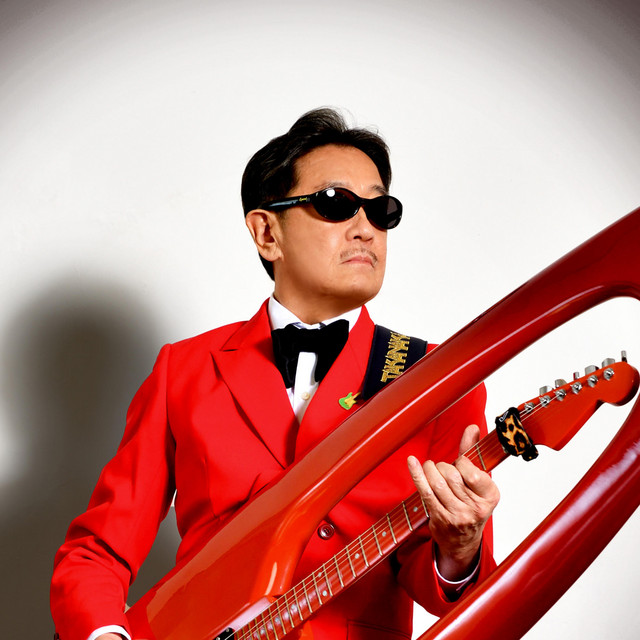
Masayoshi Takanaka
Jazz Fusion
Jazz-Funk
City Pop
3
/5
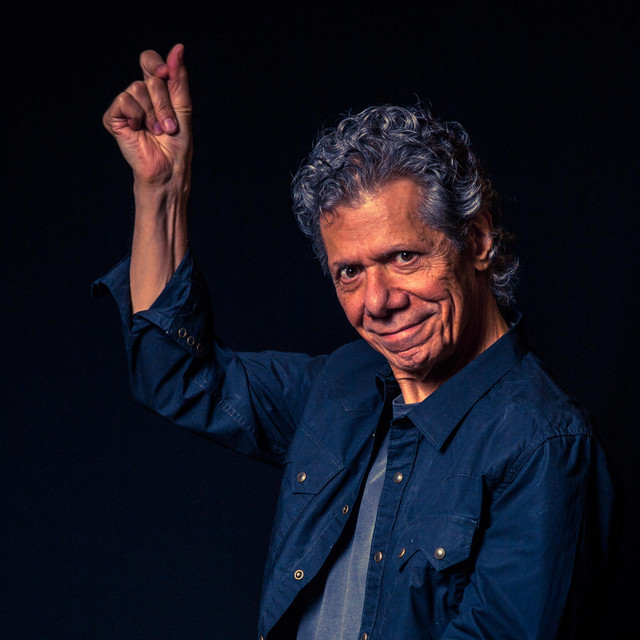
Chick Corea
Ecm Style Jazz
Jazz Fusion
Free Jazz
3
/5
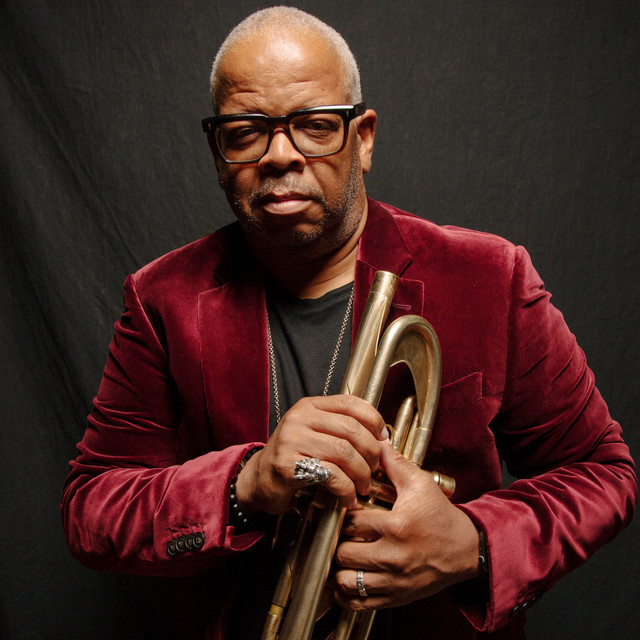
Terence Blanchard
Jazz
Jazz Trumpet
Latin Jazz
Download our mobile app
Get the Melodigging app and start digging for new genres on the go
Download on the App Store
Get it on Google Play
© 2026 Melodigging
Give feedback
Legal
Melodding was created as a tribute to
Every Noise at Once
, which inspired us to help curious minds keep digging into music's ever-evolving genres.