Genres
Artists
Albums
Make Music
Sign in
Sign in
Artists
Mongolian Throat Singing
Artists
Mongolian Throat Singing
Meïkhâneh
2017–2022
·
2 albums
Listen
Genres
Persian Folk Music
Persian folk music refers to the diverse local song and dance traditions of Iran’s Persian‑speaking heartland and adjacent Iranian cultural regions, preserved mainly through oral transmission. It is strongly modal, uses microtonal inflections (koron and sori), and favors heterophonic textures where multiple instruments/voices ornament the same melody together. Typical forms are strophic songs, narrative ballads, dance tunes, lullabies, work songs, and spiritual/devotional pieces. Instrumentation varies by region but commonly includes voice with tahrir (ornamented melisma), long‑necked lutes (dotar, setar, tar, tanbur), bowed kamancheh, santur, ney, and regional winds (sorna/zirna, ney‑anban). Percussion such as daf, tombak, dohol, dayereh, and dammam underpins dance meters—especially 6/8—alongside additive meters like 5/8 and 7/8. While related to the courtly/classical dastgāh tradition, Persian folk repertories keep distinctive local maqams, rhythms, dialects, and poetic forms (from ghazal‑like love lyrics to epic and ritual texts), making them essential to Iran’s cultural identity.
Discover
Listen
Mongolian Throat Singing
Mongolian throat singing (höömii) is a traditional overtone-singing art in which a vocalist produces a low, sustained fundamental drone while shaping the mouth and throat to amplify specific overtones, making two or more pitches audible at once. The result is an otherworldly, flute-like melody floating above a deep, stable tone. Rooted in the nomadic herding culture of Mongolia, höömii is closely tied to the natural soundscape of the steppe—wind, rivers, and animal calls—often imitated in timbre and phrasing. Distinct Mongolian styles include kharkhiraa (a growling undertone beneath the drone) and isgeree khöömii (a whistling-overtone style), among others categorized by the primary resonance area (throat, chest, palate, nasal cavity). Performances range from intimate solo pieces to ensemble settings with morin khuur (horsehead fiddle) and tovshuur (lute), and appear in ritual, celebratory, and concert contexts. The practice emphasizes breath control, resonance, and subtly shifting vowel shapes rather than conventional harmonic progressions.
Discover
Listen
Albums
2022
1
/5
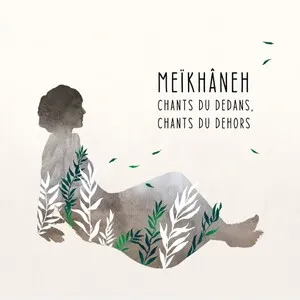
Chants du dedans, chants du dehors
Meïkhâneh
Persian Folk Music
2017
1
/5
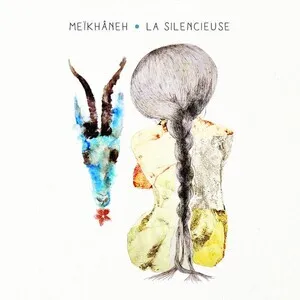
La Silencieuse
Meïkhâneh
Mongolian Throat Singing
Similar artists
4
/5
Traditional
Gregorian Chant
Spanish Classical Music
Medieval Classical Music
2
/5
Azam Ali
World Fusion
Celtic
Classical
2
/5
Khusugtun
Central Asian Throat Singing
Mongolian Music
Mongolian Throat Singing
2
/5
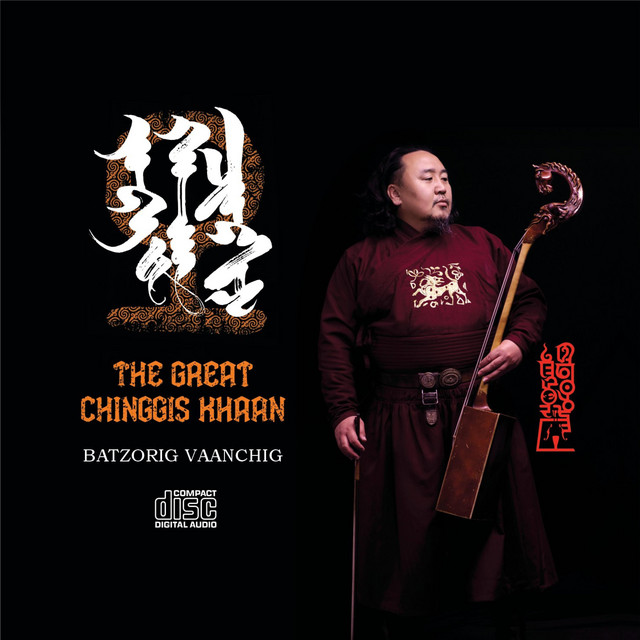
Batzorig Vaanchig
Mongolian Music
Mongolian Throat Singing
2
/5
Salar Aghili
Persian Folk Music
Sufi
Traditional Music
2
/5
Egschiglen
Mongolian Music
Mongolian Throat Singing
Central Asian Music
2
/5
Naghib Shanbehzadeh
Achomi Music
Bandari
Jazz
2
/5
Anda Union
Traditional Music
Mongolian Music
Mongolian Throat Singing
2
/5
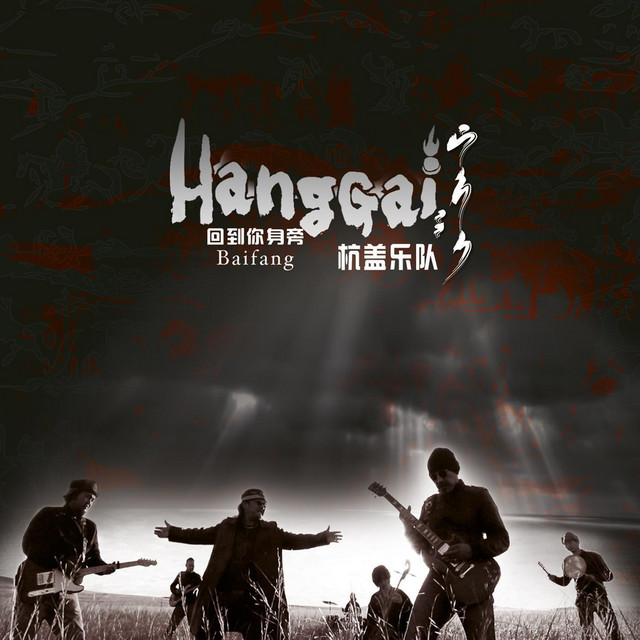
Hanggai
Chinese Indie
Chinese Rock
Folk Metal
2
/5
Sima Bina
Persian Folk Music
Download our mobile app
Get the Melodigging app and start digging for new genres on the go
Download on the App Store
Get it on Google Play
© 2026 Melodigging
Give feedback
Legal
Melodding was created as a tribute to
Every Noise at Once
, which inspired us to help curious minds keep digging into music's ever-evolving genres.