Genres
Artists
Albums
Make Music
Sign in
Sign in
Artists
Breakbeat
Artists
Breakbeat
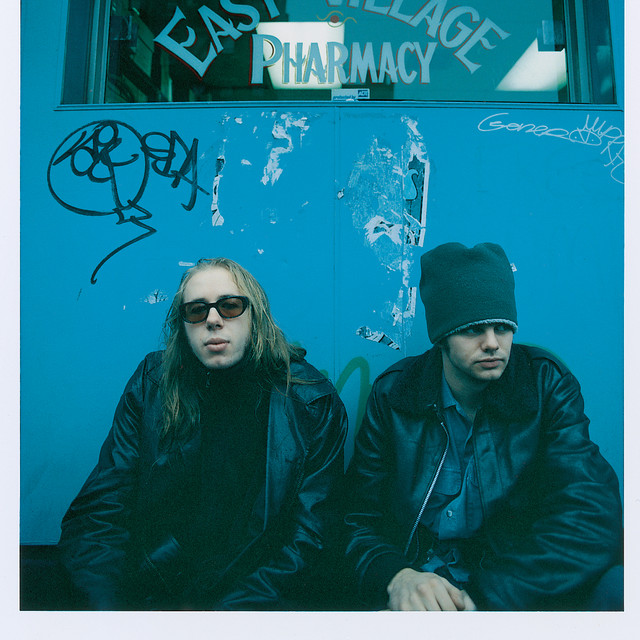
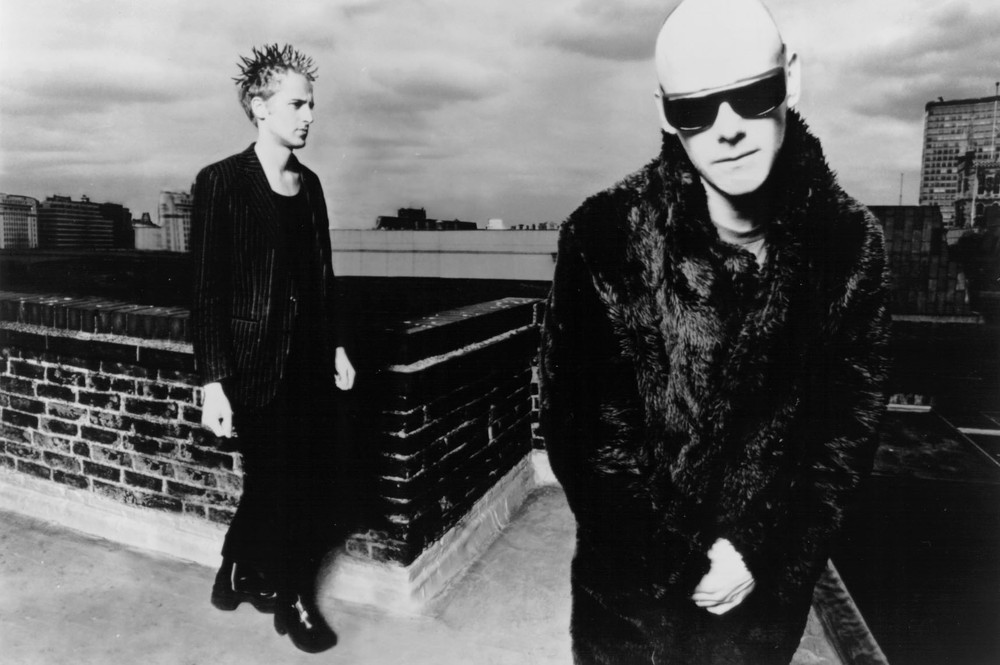
Meat Beat Manifesto
1992–2024
·
8 albums
Listen
2
/5
Genres
Post-Dubstep
Post-dubstep is a loosely defined wave of UK-born electronic music that grew out of dubstep but moved away from its rigid 140 BPM wobble-bass formula. It keeps the bass-weight, sound-system focus, and rhythmic syncopation of dubstep and UK garage, but folds in house and techno tempos, R&B vocal chops, ambient space, and experimental production. Typical tracks explore 120–135 BPM (not fixed at 140), use broken 2‑step/garage swing instead of 4/4, and favor detailed sound design over maximal drops. You’ll often hear hushed, intimate vocals (sampled or original), neo-soul/jazz-influenced chords, and micro-edited percussion with lots of negative space. The mood is frequently introspective, melancholic, and textural—more headphone-oriented than festival-leaning—yet still rooted in club culture.
Discover
Listen
Dungeon Sound
Dungeon sound is an underground, lo‑fi strain of trap/phonk that cultivates a claustrophobic, “subterranean” atmosphere through tape‑worn samples, heavy sub‑bass, and ominous melodics. It typically borrows chopped and screwed vocal snippets from 1990s Memphis rap, horror film cues, and eerie ambient/drone textures to build a bleak mood. Production emphasizes dusty loops, minimal drum programming, and wide, cavernous reverb—evoking the feeling of beats echoing inside a dungeon. Tempos usually sit in the 90–110 BPM range (or presented in half‑time at higher grids), with punchy 808s, sparse hats, and saturated mixes that privilege vibe over polish.
Discover
Listen
Breakstep
Breakstep (often called breakbeat garage) is a UK-born offshoot of UK garage that replaces the 4×4 house pulse with syncopated breakbeats while keeping the scene’s signature sub‑bass weight and swung rhythmic feel. Typical tempos sit around 130–140 BPM, with clipped snares, shuffled hi‑hats, and dark, rolling basslines. The style bridges late UK garage and the earliest phases of dubstep and grime, emphasizing rugged drum programming, sparse minor‑key atmospheres, and sound system‑ready low end. Vocals, when present, are often chopped R&B snippets or toasting from UK MCs, but many tracks are instrumental, engineered for DJs and dancefloors.
Discover
Listen
Big Beat
Big beat is a high-energy style of electronic dance music built around heavy, looped breakbeats, overdriven drums, and bold, riff-driven hooks. It typically blends hip hop sampling techniques with the attitude and instrumentation of rock, creating an immediately impactful, party-focused sound. Characterized by distorted basslines, chunky drum breaks, sirens, vocal shouts, and funk or rock samples, big beat favors maximalist, crowd-pleasing arrangements. It rose to mainstream prominence in the mid-to-late 1990s through UK acts who popularized it in clubs, on radio, and via music videos that emphasized its unruly, fun-loving aesthetic.
Discover
Listen
Idm
IDM (often expanded as "Intelligent Dance Music") is a strand of experimental electronic music that applies the sound palette and production methods of club genres to listening-focused, often home-oriented works. It favors intricate rhythm programming, unusual time signatures, and richly textured sound design, blending ambient atmospheres with techno’s pulse, electro’s syncopation, and breakbeat’s fragmentation. The music often de-emphasizes the dancefloor in favor of headphone detail, algorithmic structure, and timbral exploration. The term itself is contentious—many artists rejected the "intelligent" label—yet it became a convenient tag for the early- to mid‑1990s cluster of Warp, Rephlex, and related scenes that foregrounded complexity, abstraction, and emotional ambiguity.
Discover
Listen
Illbient
Illbient is an experimental, sample-based offshoot of ambient and dub that emerged in mid‑1990s New York. Its name fuses hip‑hop slang “ill” (meaning striking, intense, or unsettling) with “ambient,” signaling music that is both atmospheric and disequilibrating. Sonically, it layers heavy dub bass and echo with downtempo breakbeats, detuned drones, gritty field recordings, and noise textures. Rather than offering placid ambience, illbient evokes urban decay and nocturnal space—collaging fragments of speech, sirens, vinyl crackle, and industrial hum into sprawling, cinematic soundscapes. Hip‑hop’s sampling ethos, dub’s studio-as-instrument approach, and the spatial imagination of ambient guide the production, while dissonance, negative space, and slow, unstable grooves create a tense, dreamlike drift.
Discover
Listen
Trip Hop
Trip hop is a downtempo, atmospheric fusion of hip hop rhythm and sampling techniques with the textures of dub, soul, jazz, and ambient music. Emerging from the Bristol scene in the early 1990s, it favors slow, head‑nodding breakbeats, deep bass, and cinematic sound design. The style is characterized by moody harmonies (often in minor keys), woozy tape- and vinyl-derived timbres, and liberal use of delay and reverb. Vocals frequently alternate between intimate, breathy singing and spoken word/rap, and lyrical themes tend toward noir, introspective, and melancholic subjects. Strings, Rhodes pianos, turntable scratches, and field recordings are common, creating a shadowy, filmic vibe.
Discover
Listen
Power Noise
Power noise, also known as rhythmic noise, is a club-oriented offshoot of industrial and noise that focuses on heavily distorted, beat-driven patterns. It emphasizes pounding kick drums, clipped and bit-crushed percussion, metallic samples, and relentless repetition over traditional melody or harmony. The tempo typically ranges from 120 to 160 BPM, with grooves that alternate between strict four-on-the-floor and jagged, syncopated sequences. Producers use waveshaping, hard clipping, resonant filtering, and dynamic abuse to turn drums and noise bursts into the main musical material, resulting in a stark, physical, and hypnotically mechanized sound. While rooted in the experimental ethos of noise, power noise is designed for the dancefloor, bridging abrasive timbres with propulsive, minimalist structures.
Discover
Listen
Downtempo
Downtempo is a mellow, groove-oriented branch of electronic music characterized by slower tempos, plush textures, and a focus on atmosphere over dancefloor intensity. Typical tempos range from about 60–110 BPM, with swung or laid-back rhythms, dub-informed basslines, and warm, jazz-tinged harmonies. Stylistically, it blends the spaciousness of ambient, the head-nodding rhythms of hip hop and breakbeat, and the cosmopolitan smoothness of lounge and acid jazz. Producers often use sampled drums, Rhodes or Wurlitzer electric pianos, guitar licks with delay, and field recordings to create intimate, cinematic soundscapes. The mood spans from soulful and romantic to introspective and dusk-lit, making it a staple of after-hours listening, cafes, and relaxed club back rooms.
Discover
Listen
Industrial Hip Hop
Industrial hip hop is a fusion genre that threads the rhythmic backbone of hip hop with the abrasive textures, mechanical timbres, and confrontational aesthetics of industrial music. It typically features heavy, distorted percussion, metallic hits, harsh noise layers, and sample collage techniques, while retaining MC-driven vocals or spoken-word cadences. The style leans into sonic extremity: detuned or bitcrushed drums, re-amped breaks, atonal drones, and saturated bass coexist with turntablism, dub-informed space, and politically charged lyricism. Tempos often sit in the 80–110 BPM range, but feel lurching and monolithic due to swung grooves, halting gates, and heavy compression. Lyrically and thematically, industrial hip hop embraces dystopian urban imagery, media critique, and social protest, mirroring its rugged sound design with stark, incisive narratives.
Discover
Listen
Acid House
Acid house is a subgenre of house music defined by the squelching, modulated basslines of the Roland TB-303 bass synthesizer-sequencer, typically set against a steady 4/4 drum pattern. It emerged in the mid-1980s club culture of Chicago, with formative 303 experiments credited to artists like Phuture and Sleezy D around 1986, and parallel early-1980s experiments occasionally cited in Mumbai’s nascent electronic scene. The style emphasizes hypnotic repetition, filter resonance, accent/slide programming, and minimalist arrangements that build intensity through real-time knob-tweaking rather than harmonic complexity.
Discover
Listen
Ebm
Electronic Body Music (EBM) is a post-industrial dance music style that fuses the stark textures and aesthetics of industrial and synth‑punk with propulsive, club‑ready rhythms. Built on sequenced, repetitive basslines, rigid 4/4 kick patterns, and clipped, military‑tight percussion, EBM favors mostly undistorted, barked or chanted vocals and confrontational, sometimes political or provocative themes. Its sound is physical and kinetic—designed for bodies on the dance floor—yet retains the minimalist, machine‑driven discipline of early industrial and new wave electronics.
Discover
Listen
Uk Hip Hop
UK hip hop is the British incarnation of hip hop culture, characterized by local accents, regional slang, and production aesthetics shaped by the UK’s sound system heritage. While it draws on the core elements of American hip hop—MCing, DJing, sampling, and breakbeats—it sounds distinct due to its emphasis on dub-style bass, reggae and dancehall inflections, and a gritty, observational lyrical lens on British life. From the outset, the genre developed alongside the UK’s pirate radio culture and club scenes, absorbing influences from electro, breakbeat, jungle, and later garage and bass music. The result is a spectrum that runs from classic boom-bap and conscious rap to darker “road rap” narratives and more experimental, left-field productions.
Discover
Listen
Breakbeat
Breakbeat is a broad branch of electronic music defined by its use of broken, syncopated drum patterns ("breakbeats") rather than straight four-on-the-floor rhythms. Producers typically build tracks from looped and chopped drum breaks—often sampled from vintage funk, jazz, and R&B recordings—layered with basslines, synths, and effects. As both a production technique and a stylistic umbrella, breakbeat underpins and intersects with many scenes: from old‑school hip‑hop turntablism and electro to the UK rave continuum (breakbeat hardcore, big beat, Florida breaks) and onward to garage-derived styles. While not synonymous with jungle and drum & bass, the same culture of sampling and chopping classic breaks (e.g., the Amen break) helped inform those genres as well.
Discover
Listen
Industrial
Industrial is an experimental electronic music tradition that uses abrasive timbres, mechanical rhythms, and transgressive aesthetics. Its sound palette often includes distorted drum machines, tape loops, metallic percussion, feedback, and found-object recordings alongside synthesizers and samplers. Emerging from late-1970s UK underground art and performance scenes, industrial foregrounds themes of dehumanization, technology, surveillance, and power. Releases frequently embrace anti-commercial presentation, stark graphic design, and confrontational performance art, treating the studio as a laboratory for sonic manipulation rather than a vehicle for conventional songcraft. While early industrial emphasized noise, tape processing, and avant-garde collage, later waves fused the style with dancefloor precision (EBM), rock and metal heft, and club-oriented production, giving rise to a broad post-industrial family that remains influential in experimental, electronic, and popular music.
Discover
Listen
Noise
Noise is an experimental music genre that uses non-traditional sound sources, distortion, feedback, and extreme dynamics as primary musical materials. Instead of emphasizing melody, harmony, or conventional rhythm, it focuses on texture, density, timbre, and the physical presence of sound. Practitioners sculpt saturated walls of sound, piercing feedback, metallic clatter, contact-mic scrapes, tape hiss, and electronic interference into works that can be confrontational or meditative. Performances often highlight process and immediacy—improvisation, body movement, and site-specific acoustics—while recordings can range from lo-fi cassette overload to meticulously layered studio constructions. Though rooted in early avant-garde ideas, the genre coalesced as a distinct practice in the late 1970s and 1980s, especially through Japan’s ‘Japanoise’ scene, and subsequently influenced numerous styles across industrial, punk-adjacent, and experimental electronic music.
Discover
Listen
Experimental
Experimental music is an umbrella term for practices that prioritize exploration, process, and discovery over adherence to established genre norms. It embraces new sound sources, nonstandard tuning systems, indeterminacy and chance operations, graphic and open-form scores, extended techniques, and technology-led sound design (tape, electronics, computers, and live processing). Rather than a single style, it is a methodology and ethos: testing hypotheses about sound, structure, and performance, often blurring boundaries between composition, improvisation, sound art, and performance art. Listeners can expect unfamiliar timbres, unusual forms, and an emphasis on how music is made as much as the resulting sound.
Discover
Listen
Electronic
Electronic is a broad umbrella genre defined by the primary use of electronically generated or electronically processed sound. It encompasses music made with synthesizers, drum machines, samplers, computers, and studio/tape techniques, as well as electroacoustic manipulation of recorded or synthetic sources. The genre ranges from academic and experimental traditions to popular and dance-oriented forms. While its sonic palette is rooted in electricity and circuitry, its aesthetics span minimal and textural explorations, structured song forms, and beat-driven club permutations. Electronic emphasizes sound design, timbre, and studio-as-instrument practices as much as melody and harmony.
Discover
Listen
Show all 18 genres
Albums
2024
1
/5
Extinct
Meat Beat Manifesto & Merzbow
Power Noise
Breakbeat
Industrial
2010
1
/5
Answers Come in Dreams
Meat Beat Manifesto
Dungeon Sound
2010
1
/5
Armed Audio Warfare
Meat Beat Manifesto
Industrial Hip Hop
2010
2
/5
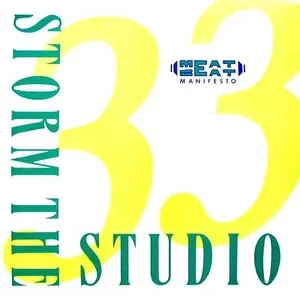
Storm the Studio
Meat Beat Manifesto
Breakbeat
Uk Hip Hop
Industrial Hip Hop
2008
1
/5
Autoimmune
Meat Beat Manifesto
Breakstep
Illbient
1998
1
/5
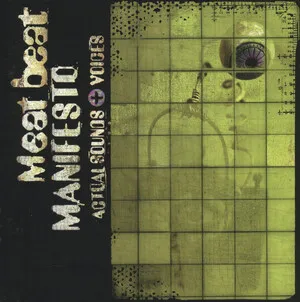
Actual Sounds + Voices
Meat Beat Manifesto
Big Beat
Breakbeat
1996
1
/5
Subliminal Sandwich
Meat Beat Manifesto
Illbient
Breakbeat
1992
1
/5
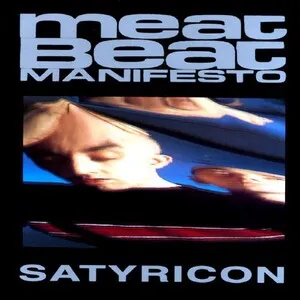
Satyricon
Meat Beat Manifesto
Breakbeat
Similar artists
1
/5
Various Artists
Afro-Funk
Alternative Rock
Ambient
4
/5
The Chemical Brothers
Big Beat
Electronic
Breakbeat
3
/5
Orbital
Breakbeat
Idm
Electronic
2
/5
Praga Khan
New Beat
Big Beat
Electronic
3
/5
The Future Sound Of London
Ambient
Acid House
Ambient Techno
2
/5
Renegade Soundwave
Grebo
Acid House
Alternative Dance
1
/5
Shut Up and Dance
Acid House
Big Beat
Breakbeat
1
/5
Rennie Pilgrem
Acid House
Big Beat
Breakbeat
1
/5
Uberzone
Acid House
Acid Techno
Big Beat
2
/5
Pop Will Eat Itself
Grebo
Electronic
Rock
Download our mobile app
Get the Melodigging app and start digging for new genres on the go
Download on the App Store
Get it on Google Play
© 2026 Melodigging
Give feedback
Legal
Melodding was created as a tribute to
Every Noise at Once
, which inspired us to help curious minds keep digging into music's ever-evolving genres.