Genres
Artists
Albums
Make Music
Sign in
Sign in
Artists
Classical
Artists
Classical
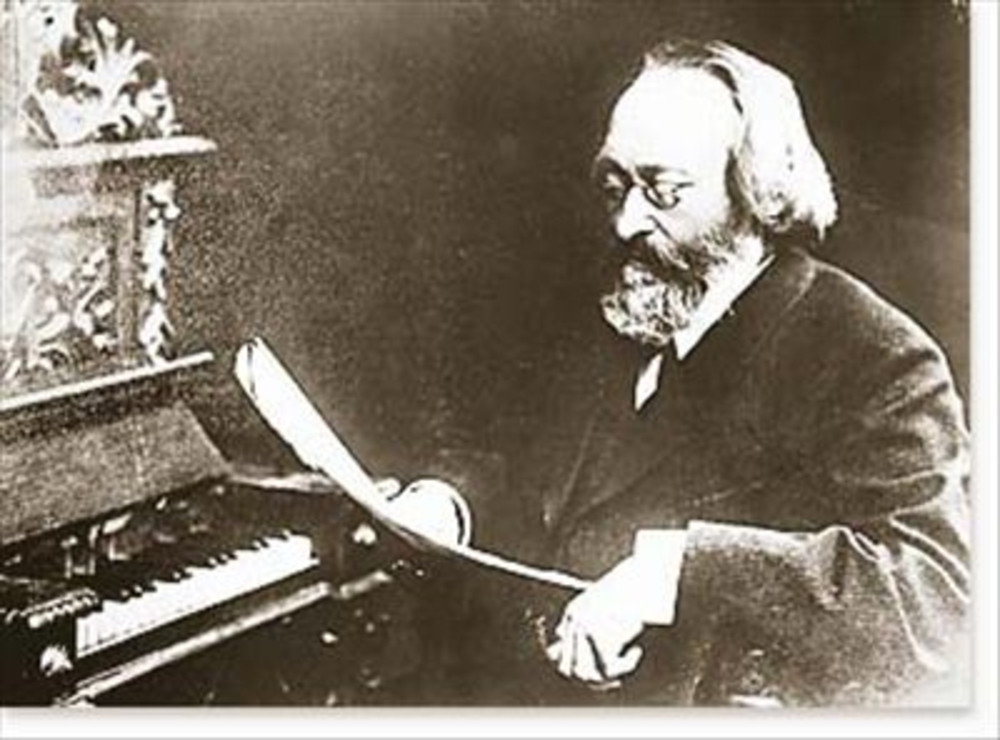
Max Bruch
2000–2018
·
3 albums
Listen
3
/5
Genres
Streichquartett
Streichquartett (string quartet) denotes both an ensemble of two violins, viola, and cello, and the repertory written for that combination. It is the central genre of chamber music in the Western classical tradition. The idiom is defined by a conversational texture among four independent yet interlocking voices. Classical-era works typically unfold in clear forms (especially sonata form), elegant phrase structures, and transparent counterpoint. Across the 19th and 20th centuries the quartet became a crucible for harmonic innovation, structural experimentation, and extended string techniques, while retaining its intimate scale and emphasis on musical dialogue. Because every part is exposed, the medium prizes balance, clarity, and economy of material: a few motives can generate entire movements through imitation, variation, and development.
Discover
Listen
Classical Clarinet
Classical clarinet refers to the body of Western classical music written for the clarinet family (notably the B♭ and A clarinets, as well as E♭, basset, and bass clarinets) from the 18th century to the present. It encompasses concertos, sonatas, chamber music (e.g., clarinet–piano, clarinet quintets, woodwind quintets), orchestral solos, and modern works that explore extended techniques. Stylistically it is marked by cantabile melodic writing, agile passagework, vivid dynamic contrasts, and expressive use of the instrument’s distinct registers (chalumeau, clarion, and altissimo). Tone production and articulation emphasize clarity, legato flexibility, and nuanced control; vibrato, if used, is typically subtle and style-dependent. Canonical repertoire spans the Classical era through Romanticism and into the 20th/21st centuries, creating a continuous tradition of performance and pedagogy that shapes how clarinetists learn phrasing, color, and technique across solo, chamber, and orchestral contexts.
Discover
Listen
Classical
Classical music is the notated art-music tradition of Europe and its global descendants, characterized by durable forms, carefully codified harmony and counterpoint, and a literate score-based practice. The term “classical” can refer broadly to the entire Western art-music lineage from the Medieval era to today, not just the Classical period (c. 1750s–1820s). It privileges long-form structures (such as symphonies, sonatas, concertos, masses, and operas), functional or modal harmony, thematic development, and timbral nuance across ensembles ranging from solo instruments to full orchestras and choirs. Across centuries, the style evolved from chant and modal polyphony to tonal harmony, and later to post-tonal idioms, while maintaining a shared emphasis on written notation, performance practice, and craft.
Discover
Listen
Albums
2018
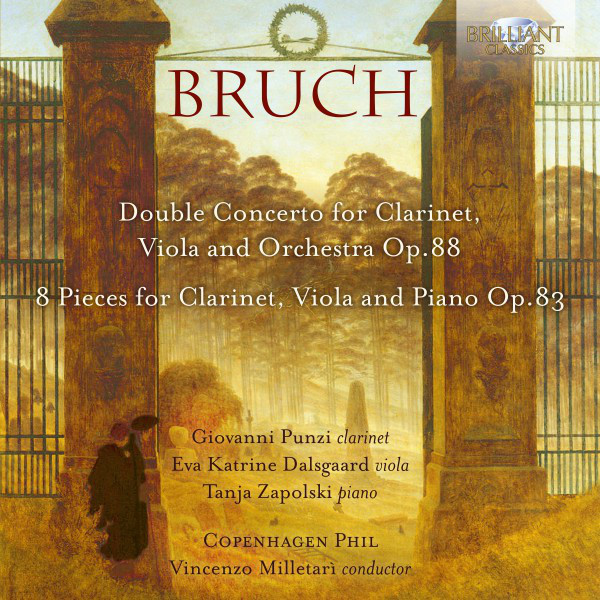
Bruch: Double Concerto for Clarinet, Viola and Orchestra, Op. 88, 8 Pieces for Clarinet, Viola and Piano, Op. 83
Max Bruch, Copenhagen Phil, Vincenzo Milletarí
Classical Clarinet
2016
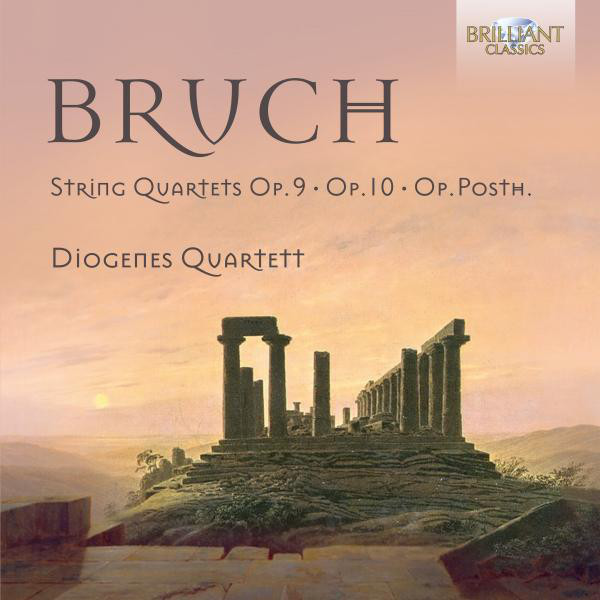
Bruch: Complete String Quartets
Max Bruch, Diogenes Quartet
Streichquartett
2000
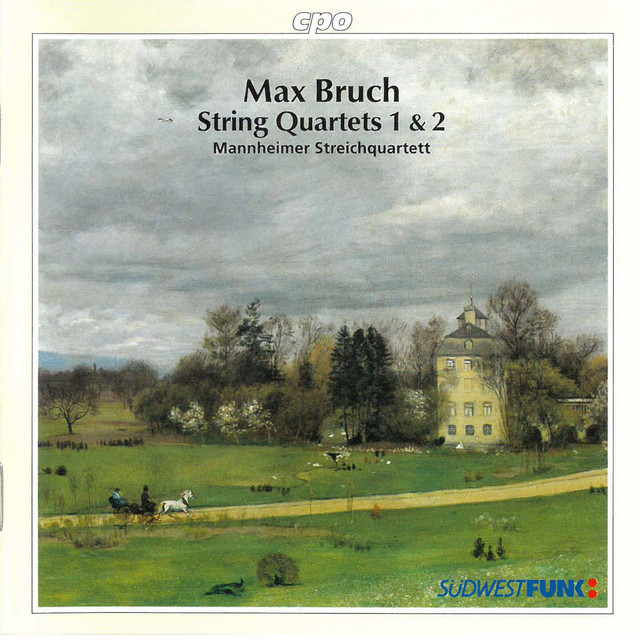
Bruch: String Quartets Nos. 1 & 2
Max Bruch, Mannheim String Quartet
Streichquartett
Similar artists
4
/5
Wolfgang Amadeus Mozart
Classical
Requiem
Classical Period
4
/5
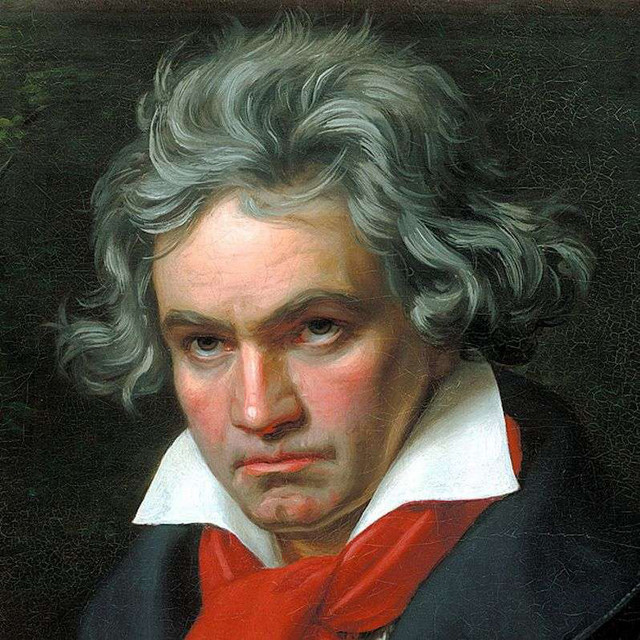
Ludwig van Beethoven
Classical
Classical Period
Romantic Classical
4
/5
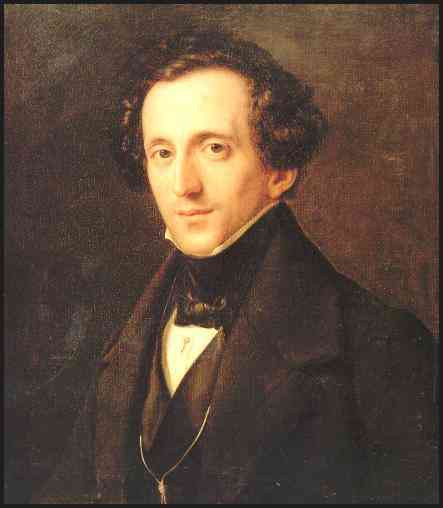
Felix Mendelssohn
Chamber Music
Choral
Classical
4
/5
Johann Sebastian Bach
Baroque
Classical
Baroque Suite
4
/5
Academy of St. Martin in the Fields
Baroque
Classical
Classical Performance
4
/5
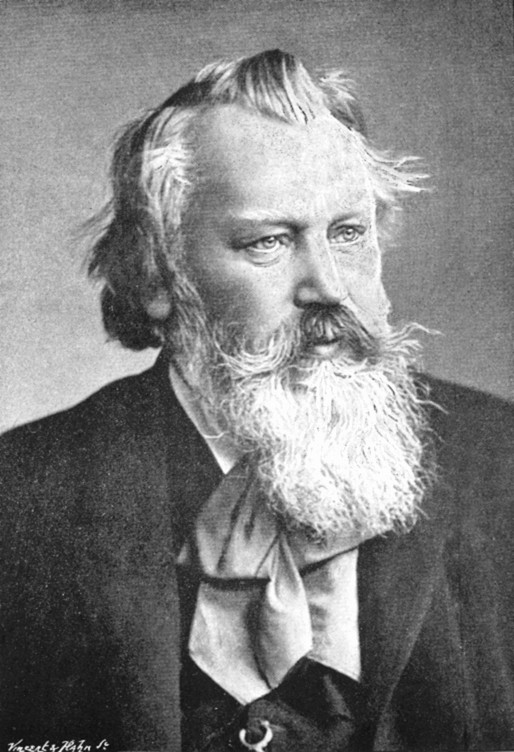
Johannes Brahms
Classical Clarinet
Classical Piano Quartet
Concerto
4
/5
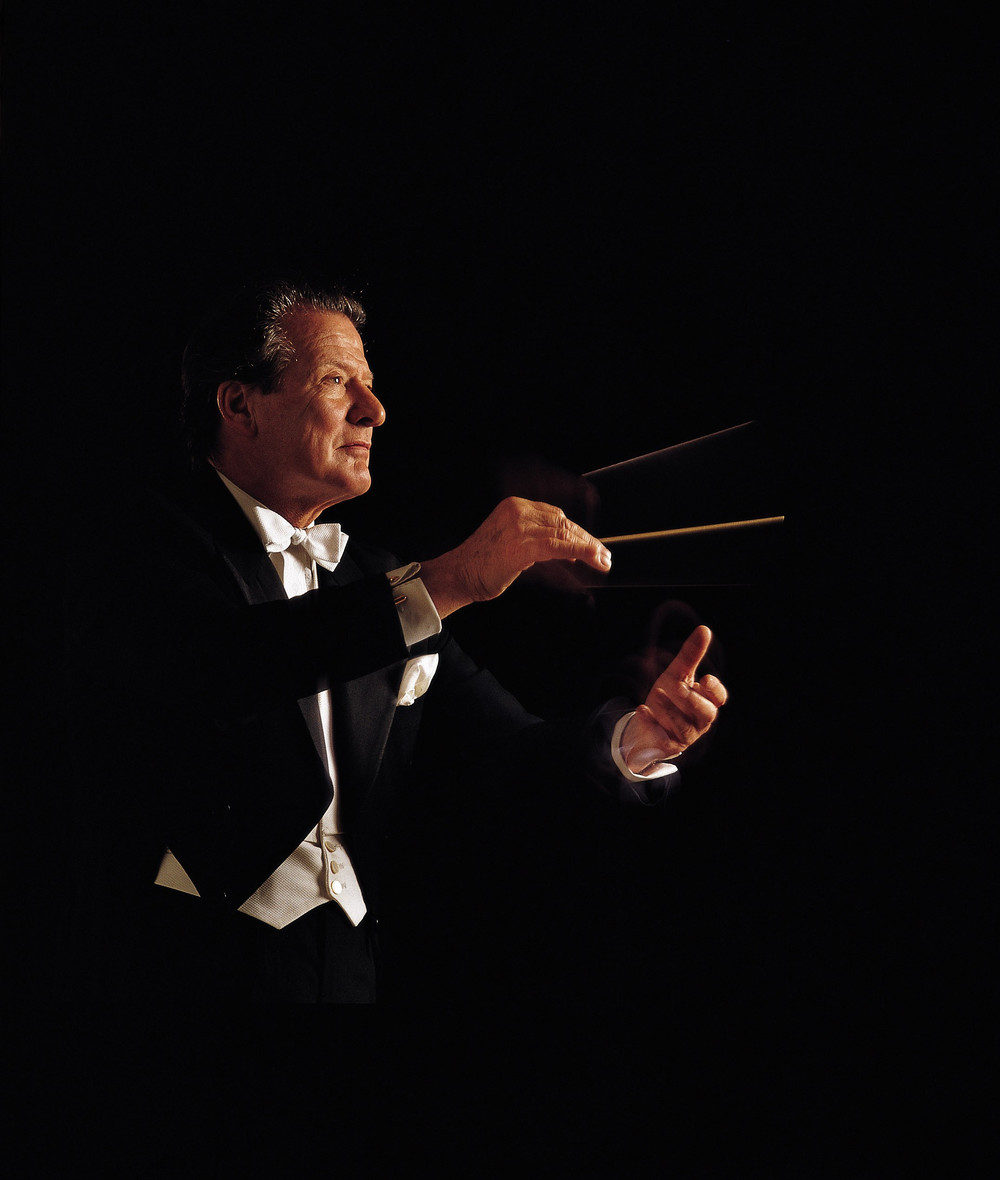
Sir Neville Marriner
Baroque
Classical
Concerto
4
/5
Claudio Abbado
Classical
Concerto
Expressionism
4
/5
Franz Schubert
Impromptu
Lied
Art Song
4
/5
Robert Schumann
Classical
Character Piece
Chamber Music
Download our mobile app
Get the Melodigging app and start digging for new genres on the go
Download on the App Store
Get it on Google Play
© 2026 Melodigging
Give feedback
Legal
Melodding was created as a tribute to
Every Noise at Once
, which inspired us to help curious minds keep digging into music's ever-evolving genres.