Genres
Artists
Albums
Make Music
Sign in
Sign in
Artists
Jazz
Artists
Jazz
Matthew Halsall
2008–2023
·
6 albums
Listen
3
/5
Genres
Neo R&b
Neo R&B is a modern evolution of contemporary R&B that blends classic soul vocal traditions with current hip-hop sensibilities and forward-looking electronic production. It typically features intimate, close-mic singing (often with melisma and layered harmonies), spacious mixes, and experimental textures drawn from electronic music, alternative pop, and modern hip-hop beat-making. Compared with earlier mainstream R&B, neo R&B often favors subtler hooks, mood-driven songwriting, and a “late-night” sonic palette built on deep bass, soft drums, and minimalist chord movement.
Discover
Listen
Souldies
Souldies is a modern revival of classic lowrider “oldies” soul—slow, tender ballads rooted in 1960s and early-’70s sweet soul and doo‑wop aesthetics, reimagined by a new generation of largely Chicano/Latinx artists in Southern California. Characterized by warm, analog-leaning production, mellow backbeats, honeyed vocal harmonies, and heart‑on‑sleeve lyricism, the style favors mid‑slow tempos, tape‑like saturation, spring/plate reverb, and minimalist yet expressive arrangements. English and Spanish (or Spanglish) lyrics often explore love, longing, devotion, and cruising/lowrider culture. Souldies sits at the intersection of classic soul, rhythm & blues, northern soul selections, and Latin soul, offering a contemporary, community‑centered sound that feels both timeless and newly personal.
Discover
Listen
Indie Jazz
Indie jazz blends the improvisational language and harmonic richness of jazz with the songwriting, aesthetics, and DIY production ethos of indie rock and indie pop. It favors intimate, groove-oriented ensembles, accessible melodies, and textural experimentation over virtuosic display alone, often incorporating ambient electronics, hip hop rhythms, and post‑rock dynamics. The result is a contemporary, listener-friendly sound that keeps jazz harmony and improvisation at its core while embracing indie sensibilities in arrangement, tone, and mood.
Discover
Listen
Nu Jazz
Nu jazz is a late-1990s movement that blends contemporary electronic production with the improvisational language and harmony of jazz. It keeps jazz’s extended chords, modal colors, and live soloing, but places them over programmed beats, sampled textures, and synth-driven arrangements. Typical tracks feature warm Rhodes or piano voicings, roomy horns, and deep bass sitting alongside house, broken beat, or downtempo grooves. The result is music that feels both club-ready and listening-focused, bridging intimate jazz sensibilities with modern electronic sound design.
Discover
Listen
Ambient
Ambient is a form of electronic and electroacoustic music that prioritizes tone, atmosphere, and texture over conventional song structures and rhythmic drive. It typically features slow-moving harmonies, sustained drones, gentle timbral shifts, and extensive use of space and silence. Rather than drawing attention to itself through hooks or beats, ambient is designed to be as ignorable as it is interesting, rewarding both background listening and focused immersion. Artists often employ synthesizers, samplers, tape loops, field recordings, and subtle acoustic instruments, with reverb and delay creating a sense of place. Substyles range from luminous, consonant soundscapes to darker, more dissonant atmospheres.
Discover
Listen
Contemporary Jazz
Contemporary jazz is an umbrella term for post-1970 jazz that absorbs advances from post‑bop, fusion, free jazz, modern classical, and global traditions while retaining the core values of improvisation and interaction. It favors a flexible rhythmic feel (from straight‑8 to polyrhythms), modal and post‑tonal harmony, and a producer’s ear for space, texture, and sound design. Unlike earlier era labels tied to a single movement, contemporary jazz denotes a living, evolving practice. It ranges from intimate acoustic trios to electronics‑enhanced ensembles, often using odd meters, ambient timbres, and song forms that move beyond the 32‑bar standard. The result is a wide spectrum—from lyrical, ECM‑influenced spaciousness to groove‑forward, rhythmically intricate music influenced by funk and world traditions.
Discover
Listen
Spiritual Jazz
Spiritual jazz is a strand of modern jazz that seeks transcendence through sound, blending free improvisation, modal frameworks, and non‑Western musical concepts to evoke the sacred, the cosmic, and the ecstatic. It often features long, open forms; drones and pedal points; polyrhythmic percussion; and timbres associated with ritual or meditation (harp, flutes, bells, tanpura). Melodic language leans toward modes and scales from African, Middle Eastern, and South Asian traditions alongside blues inflection. The mood can shift from contemplative prayer to cathartic release, and vocal elements may include chants, mantras, spoken word, or invocations aligned with spiritual or philosophical themes.
Discover
Listen
Modal Jazz
Modal jazz is a style of jazz in which improvisation and composition are organized around musical modes rather than rapid chord changes. Instead of navigating dense harmonic progressions (as in bebop and hard bop), modal jazz often sustains a single scale or a small set of modes for long stretches, creating a spacious, open canvas for melodic development. Hallmarks include slow harmonic rhythm, pedal points or drones, vamp-based forms, and quartal/quintal voicings on piano and guitar. Improvisers focus on color, contour, and motivic variation inside a mode (e.g., Dorian, Mixolydian, Aeolian, Lydian), rather than outlining constant chord substitutions. The sound is typically lyrical, floating, and contemplative, but it can also be turbulent and intense when rhythm section dynamics and modal tension are pushed. Canonical examples include Miles Davis’s Kind of Blue (1959) and John Coltrane’s modal vehicles such as Impressions and My Favorite Things.
Discover
Listen
Cool Jazz
Cool jazz is a modern jazz style marked by relaxed tempos, lighter tone, and a focus on arrangement, counterpoint, and timbral clarity. It favors understatement over virtuoso display and uses dynamics, space, and balance to create an airy, "cool" ambience. Emerging in the late 1940s, the style drew on bebop’s harmonic sophistication while smoothing its angular edges, often incorporating classical techniques such as linear writing and orchestral color. Hallmarks include brushed drums, lyrical improvisation, careful voice-leading, and unusual instrumentation (for jazz) like French horn and tuba alongside trumpet, saxophones, trombone, piano, bass, and drums. Although associated with the U.S. West Coast in the 1950s, cool jazz originated in New York through sessions led by Miles Davis and arranged by Gil Evans and others. It went on to influence bossa nova, third stream, modal jazz, and later smooth jazz and lounge aesthetics.
Discover
Listen
Jazz
Jazz is an improvisation-centered music tradition that emerged from African American communities in the early 20th century. It blends blues feeling, ragtime syncopation, European harmonic practice, and brass band instrumentation into a flexible, conversational art. Defining features include swing rhythm (a triplet-based pulse), call-and-response phrasing, blue notes, and extended harmonies built on 7ths, 9ths, 11ths, and 13ths. Jazz is as much a way of making music—spontaneous interaction, variation, and personal sound—as it is a set of forms and tunes. Across its history, jazz has continually hybridized, from New Orleans ensembles and big-band swing to bebop, cool and hard bop, modal and free jazz, fusion, and contemporary cross-genre experiments. Its influence permeates global popular and art music.
Discover
Listen
Instrumental
Instrumental is music created and performed without sung lyrics, placing the expressive weight on melody, rhythm, harmony, and timbre produced by instruments. As an umbrella practice it appears in many cultures, but its modern identity cohered in Baroque-era Europe when purely instrumental forms such as the sonata, concerto, and dance suites began to flourish. Since then, instrumental thinking—developing motives, structuring form without text, and showcasing timbral contrast—has informed everything from orchestral music and solo piano repertoire to post-rock, film scores, and beat-driven electronic styles. Instrumental works can be intimate (solo or chamber) or expansive (full orchestra), narrative (programmatic) or abstract (absolute music). The absence of lyrics invites listeners to project imagery and emotion, making the style a natural fit for cinema, games, and contemplative listening.
Discover
Listen
Classical
Classical music is the notated art-music tradition of Europe and its global descendants, characterized by durable forms, carefully codified harmony and counterpoint, and a literate score-based practice. The term “classical” can refer broadly to the entire Western art-music lineage from the Medieval era to today, not just the Classical period (c. 1750s–1820s). It privileges long-form structures (such as symphonies, sonatas, concertos, masses, and operas), functional or modal harmony, thematic development, and timbral nuance across ensembles ranging from solo instruments to full orchestras and choirs. Across centuries, the style evolved from chant and modal polyphony to tonal harmony, and later to post-tonal idioms, while maintaining a shared emphasis on written notation, performance practice, and craft.
Discover
Listen
Show all 12 genres
Albums
2023
3
/5
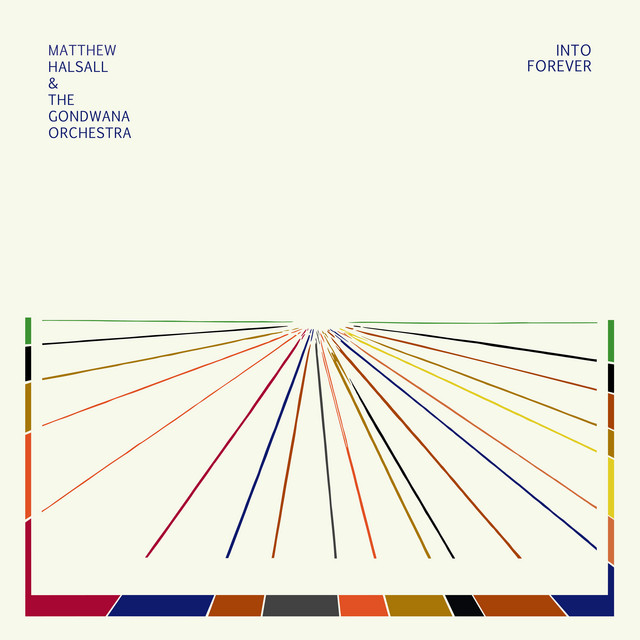
An Ever Changing View
Matthew Halsall
Contemporary Jazz
Ambient
Instrumental
2014
2
/5
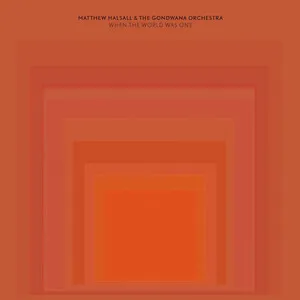
When the World Was One
Matthew Halsall & Gondwana Orchestra
Modal Jazz
Ambient
Classical
2012
3
/5
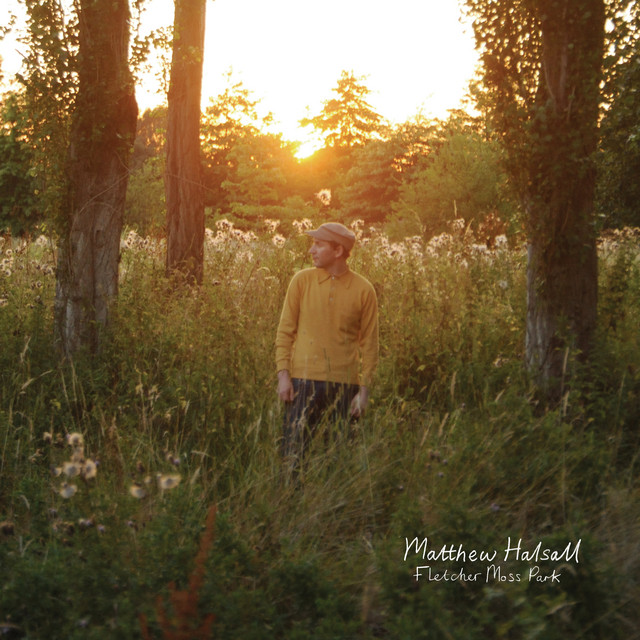
Fletcher Moss Park
Matthew Halsall
Contemporary Jazz
2009
3
/5
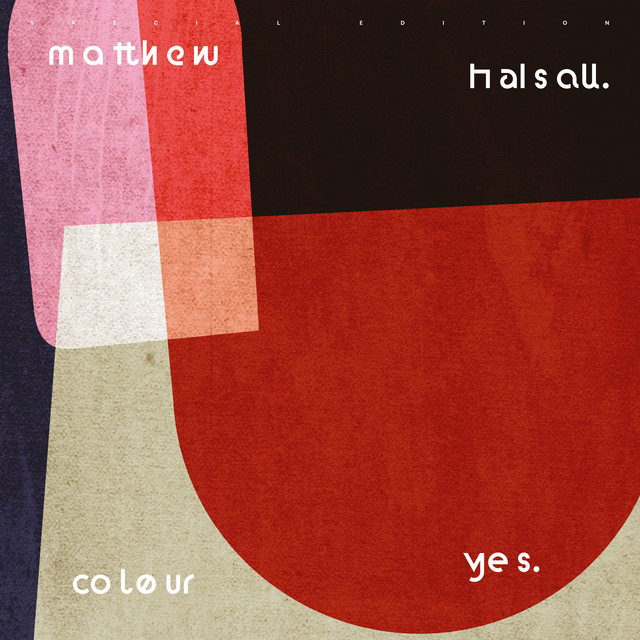
Colour Yes (Special Edition)
Matthew Halsall
Contemporary Jazz
Ambient
Classical
2009
1
/5
Colour Yes
Matthew Halsall
Cool Jazz
Modal Jazz
Ambient
2008
1
/5
Sending My Love
Matthew Halsall
Cool Jazz
Modal Jazz
Ambient
Similar artists
1
/5
Various Artists
Afro-Funk
Alternative Rock
Ambient
2
/5
The Gondwana Orchestra
Jazz
Nu Jazz
Ambient
1
/5
John Zorn
Avant-Garde Jazz
Free Improvisation
Jazz
5
/5
Hans Zimmer
Country Dawn
Soundtrack
Classical
3
/5
Keith Jarrett
Ecm Style Jazz
Contemporary Jazz
Jazz
3
/5
Nala Sinephro
Ambient
New London Jazz
Nu Jazz
3
/5
Portico Quartet
Contemporary Jazz
Nu Jazz
Jazz
1
/5
Nils Økland
Norwegian Folk Music
Jazz
Contemporary Jazz
3
/5
George Winston
New Age
Classical
Neoclassical New Age
4
/5
Traditional
Gregorian Chant
Spanish Classical Music
Medieval Classical Music
Download our mobile app
Get the Melodigging app and start digging for new genres on the go
Download on the App Store
Get it on Google Play
© 2026 Melodigging
Give feedback
Legal
Melodding was created as a tribute to
Every Noise at Once
, which inspired us to help curious minds keep digging into music's ever-evolving genres.