Genres
Artists
Albums
Make Music
Sign in
Sign in
Artists
Organic House
Artists
Organic House
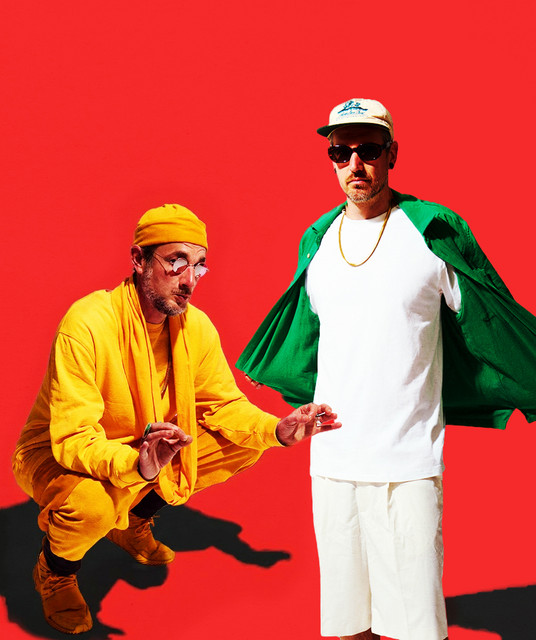
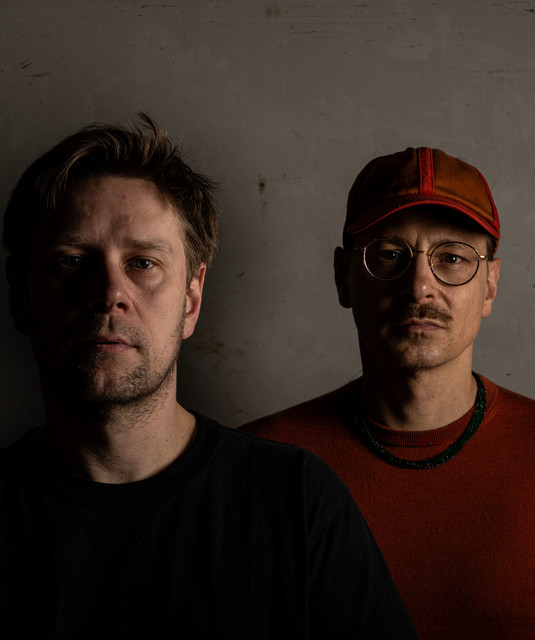
Marsh
2021–2023
·
2 albums
Listen
3
/5
Genres
Lo-Fi Product
Lo-fi product is a micro–genre of lo-fi hip hop tailored for "product" use-cases: background beds for ads, explainer videos, tutorials, livestreams, apps, and UX/product demos. It keeps the warm vinyl patina, jazzy chords, and relaxed drums of lo-fi hip hop, but avoids attention-grabbing elements (vocals, intrusive melodies, dramatic drops) to remain non-distracting and fully licensable. Tracks are usually short, loopable, and delivered in multiple cutdowns (60/30/15 seconds, stings, loop stems) for commercial editorial and production work. Compared to artist-first lo-fi, lo-fi product is more neutral in mood, sparser in arrangement, cleaner in rights (no uncleared samples), and mastered for consistent, unobtrusive playback in mixed media contexts.
Discover
Listen
Future Rave
Future rave is an electronic dance music style popularized by David Guetta and MORTEN that fuses the dark, muscular drive of techno with the euphoric tension-and-release of trance and the festival scale of big room house. It typically sits around 126–130 BPM, uses minor-key progressions, saturated supersaw leads, reese/rolling basslines, chunky offbeat stabs, and cinematic build-ups. The sonic palette favors gritty, modern sound design (distorted yet controlled), 909/modern drum kits, and atmospheric FX that enhance a nocturnal, high-stakes mood. Unlike brighter, pop-facing EDM, future rave keeps a moody, industrial sheen while still delivering emotional, hands-in-the-air breakdowns and anthemic toplines.
Discover
Listen
Organic House
Organic house is a warm, earthy branch of house music that blends the steady pulse of club rhythms with acoustic timbres, hand-played percussion, and natural ambience. Instead of hard-edged synths and aggressive drops, it favors wood, skin, breath, and strings—think bongos, kalimba, nylon‑string guitar, ney and bansuri flutes, hang drum, and gentle field recordings. Typically cruising between 110–122 BPM, it keeps a 4/4 foundation while using lightly swung grooves, intricate shaker patterns, and softly saturated textures. Melodies often draw on modal and folk traditions (Dorian, Phrygian, pentatonic), creating a contemplative, nomadic feel. The result is dance music that is intimate, human, and cinematic—equally at home on a sunlit dance floor or a deep-listening session.
Discover
Listen
Melodic Techno
Melodic techno is a strain of techno that centers emotive, memorable melodies while retaining the hypnotic, steady pulse of club-oriented techno. It typically sits between 120 and 128 BPM, employs long-form arrangements, and favors minor-key progressions, evolving arpeggios, and lush pads over aggressive distortion. The style blends techno’s linear groove with the harmonic storytelling of progressive house and the suspended euphoria of trance. The overall palette is sleek and cinematic: warm analog leads, rolling sub-driven basslines, crisp 909/707-inspired drums, and extensive use of reverb, delay, and automation to create tension-and-release without resorting to maximal drops. Compared with big-room or festival trance, melodic techno tends to be darker and more restrained; compared with progressive house, it is often more minimal in its drum writing yet more insistent in its ostinatos and motifs. Its mood is frequently melancholic yet uplifting, making it effective both in late-night clubs and on large festival stages.
Discover
Listen
Post-Dubstep
Post-dubstep is a loosely defined wave of UK-born electronic music that grew out of dubstep but moved away from its rigid 140 BPM wobble-bass formula. It keeps the bass-weight, sound-system focus, and rhythmic syncopation of dubstep and UK garage, but folds in house and techno tempos, R&B vocal chops, ambient space, and experimental production. Typical tracks explore 120–135 BPM (not fixed at 140), use broken 2‑step/garage swing instead of 4/4, and favor detailed sound design over maximal drops. You’ll often hear hushed, intimate vocals (sampled or original), neo-soul/jazz-influenced chords, and micro-edited percussion with lots of negative space. The mood is frequently introspective, melancholic, and textural—more headphone-oriented than festival-leaning—yet still rooted in club culture.
Discover
Listen
Workout Product
Workout product is a functional, production-oriented music micro-genre built for high-energy exercise contexts—HIIT, cardio, strength circuits, spin, and bootcamps. Rather than being artist-led, it is library- and catalog-driven: concise, loop-friendly tracks emphasize a steady, powerful four-on-the-floor pulse, simple hyping hooks, and drop-focused structures that sustain intensity. Typical tempos fall in the 120–150 BPM range (often synced to rep cadence or interval timers), with bright, compressed sonics, sidechained bass, and clear transitional cues for work/rest blocks. It draws from mainstream EDM and dance-pop (big-room builds, future-bass lift, electro-house grit) and modern pop/rap percussion. The result is highly motivational, durable background music that helps pace workouts and energize group classes, digital fitness content, and gym environments.
Discover
Listen
Melodic House
Melodic house is a strain of house music that foregrounds memorable melodies, emotive chord progressions, and lush atmospheres while retaining a steady four-on-the-floor groove. It typically runs at a mid-tempo pace, features warm basslines, gentle percussion, and arpeggiated or plucked leads, and often balances a bittersweet, introspective tone with a quietly uplifting drive. Tracks are arranged with DJ-friendly intros and outros, spacious breakdowns, and tasteful builds, making the style equally suited to late-night dancefloors and attentive listening.
Discover
Listen
Organic Electronic
Organic electronic is a downtempo, groove‑driven branch of electronic music that blends acoustic and world instruments with modern production. Typically sitting around 100–115 BPM, it favors hand percussion, mallets, strings, winds, and field recordings over hard-edged drum machines. The result is a warm, tactile sound where shakers, frame drums, and ethnic instruments (such as oud, kora, saz, flutes, or kalimba) weave through gentle synth pads and understated basslines. Melodic language often leans on modal colors (Dorian, Phrygian, Mixolydian) and drone‑like sustains, creating a hypnotic, earthy atmosphere. Born from bohemian club culture and outdoor gatherings, the style emphasizes long, evolving arrangements, subtle crescendos, and humanized timing—music equally at home on intimate dancefloors, sunset sets, and mindful listening contexts.
Discover
Listen
Deep Deep Tech House
Deep deep tech house is a particularly stripped‑back, hypnotic strain of tech house that leans heavily into deep house harmony and minimal, dub‑tinged textures. It keeps the 4/4 groove and club functionality of house while favoring restrained arrangements, long tension arcs, and subtle sound‑design over big breakdowns. Typical tempos sit around 120–126 BPM; drums emphasize tight 909‑style hats and crisp, short kicks; basslines are warm, rolling subs that lock with lightly swung percussion; harmonic content tends to be sparse—muted chord stabs, airy pads, and occasional soulful vocal fragments used as texture rather than focal hooks. The overall aim is an immersive “head‑down” flow that rewards long blends and extended sets. The palette and structure trace back to tech house’s fusion of house and techno and to deep house’s smoother harmonies.
Discover
Listen
Deep Euro House
Deep Euro House is a European-bred, melodically rich branch of deep house that blends club-ready four‑on‑the‑floor grooves with warm, emotive sound design and pop-aware songcraft. It favors lush pads, silky basslines, soft piano or guitar stabs, and subtly processed vocals, often in minor keys with bittersweet chord changes. Compared with classic Chicago deep house, Deep Euro House leans more cinematic and refined: filtered synth swells, sidechained textures, airy reverbs, and clean, modern low end. Tempos typically sit around 118–124 BPM, with grooves that feel unhurried yet propulsive—equally at home on late-night dancefloors and in headphone listening. The "Euro" aspect reflects not only its geography (Germany, Switzerland, France, the Netherlands, Austria, Belgium) but also a melodic sensibility shaped by European club culture, indie electronica, and Balearic moods: wistful, romantic, and polished without losing house’s foundational swing.
Discover
Listen
Gauze Pop
Gauze pop is a hazy, soft‑focus strain of indie and electronic pop built around breathy vocals, blurred textures, and nostalgic synth palettes. The term evokes music that feels veiled—like hearing a pop song through gauze—where reverb, delay, chorus, and tape‑like warble soften contours and melt rhythms into a pastel wash. Musically it blends the tunefulness of synth‑pop and indietronica with the dreamy atmospherics of chillwave and dream pop. Tempo tends to sit in a relaxed mid‑range, drums are cushioned and low‑passed, and harmonies favor warm major‑7ths and add9 colors. The result is intimate, memory‑soaked pop that’s equal parts bedroom‑made and cinema‑wide.
Discover
Listen
Organic Ambient
Organic ambient is a strain of ambient music that emphasizes natural, acoustic, and tactile timbres over purely synthetic ones. Its sound world is built from softly mic’d pianos and guitars, mallet percussion, strings, voice layers, and environmental field recordings (wind, water, birds, room tone), then gently processed with spacious reverbs, tape warmth, and subtle granular or delay treatments. Compared with classic electronic ambient, the adjective “organic” points to breath, touch, and the audible presence of rooms and spaces: creaking pedals, bow noise, finger sounds on strings, and a bed of environmental sound. Harmony tends toward consonant, slowly evolving chords; rhythm is minimal or absent; and dynamics are restrained, inviting calm, contemplation, and connection with place.
Discover
Listen
Focus Trance
Focus trance is a modern, low‑drama branch of trance tailored for concentration, study, coding, and deep work. It borrows trance’s hypnotic pulse and long-form structure, but softens the edges: fewer big drops, restrained builds, minimal vocals, and a narrow dynamic range that lets listeners sink into a steady flow state. Sonically, it tends to sit between ambient trance and progressive trance: warm pads, subtly modulated arps, muted kicks and basslines that groove without dominating, and gently evolving textures. Most tracks avoid abrupt transitions, extreme high‑frequency content, or dense mid‑range clutter, making them ideal as a musical backdrop that sustains attention over long sessions.
Discover
Listen
Deep Tech
Deep tech (often shorthand for deep tech house) is a stripped‑back, groove‑led branch of house/tech house that emphasizes hypnotic repetition, swing, and sound design over big hooks. Typical tracks sit around 124–128 BPM, use tight, shuffling drum programming, and rely on deep sub‑bass, crisp hi‑hats, and minimal, percussive motifs. Harmony tends to be sparse—dubby chords, single‑note stabs, or short pads—leaving space for long DJ‑friendly arrangements. Vocals, if present, are usually snippets or whispered phrases processed with delay and reverb to blend into the texture rather than sit on top. The result is functional and heady: music optimized for long, seamless mixes, late‑night dancefloors, and a rolling, understated energy rather than explosive drops.
Discover
Listen
Minimal Melodic Techno
Minimal melodic techno is a strand of techno that strips the drum programming and arrangement back to a lean, hypnotic framework while foregrounding emotive, slowly evolving melodies. Compared with peak-time melodic techno, it uses fewer elements, more negative space, and subtler sound design. The kick-and-bass foundation is dry and precise, the percussion is sparse, and the lead material is typically a single motif (often arpeggiated) that develops via modulation, filtering, and gradual layer changes rather than big drops. Pads, drones, and nuanced reverb tails provide atmosphere, yielding a sound that is intimate, melancholic, and deeply danceable.
Discover
Listen
Progressive Trance
Progressive trance is a substyle of trance that emphasizes long-form development, subtle layering, and hypnotic momentum over sudden dramatic peaks. It typically features evolving pads, pulsating arpeggios, and rolling basslines that build gradually across extended arrangements. Compared to uplifting or anthem trance, progressive trance is more restrained and textural, trading overt melodrama for nuanced tension-and-release. The result is a deep, immersive sound that feels journey-like on the dancefloor while remaining lush and atmospheric in focused listening contexts.
Discover
Listen
Progressive House
Progressive house is a melodic, long-form strain of house music known for gradual builds, evolving textures, and a strong sense of tension and release. It favors hypnotic grooves, lush pads, and emotive chord progressions over abrupt drops. Typically sitting around 122–128 BPM in 4/4 time, tracks unfold over six to nine minutes, introducing small changes every few bars to keep momentum. The sound balances club-focused punch with cinematic atmosphere, making it equally at home in late-night dancefloors and long-form DJ sets.
Discover
Listen
Deep House
Deep house is a subgenre of house music characterized by warm, soulful textures, jazz-influenced harmony, and understated, hypnotic grooves. It typically runs around 115–124 BPM, favoring subtle swing, syncopated percussion, and rounded, mellow basslines over aggressive peaks. Sonically, deep house draws on extended chords (7ths, 9ths, 11ths), Rhodes and M1 organ timbres, airy pads, and tasteful use of reverb and delay to create a spacious, emotive atmosphere. Vocals, when present, often reference soul and gospel traditions, delivering intimate, reflective themes rather than big-room hooks. The style emerged in the mid-to-late 1980s as producers fused Chicago house rhythms with jazz-funk, soul, and garage house sensibilities, resulting in a smoother, deeper take on the house blueprint.
Discover
Listen
Show all 18 genres
Albums
2023
3
/5
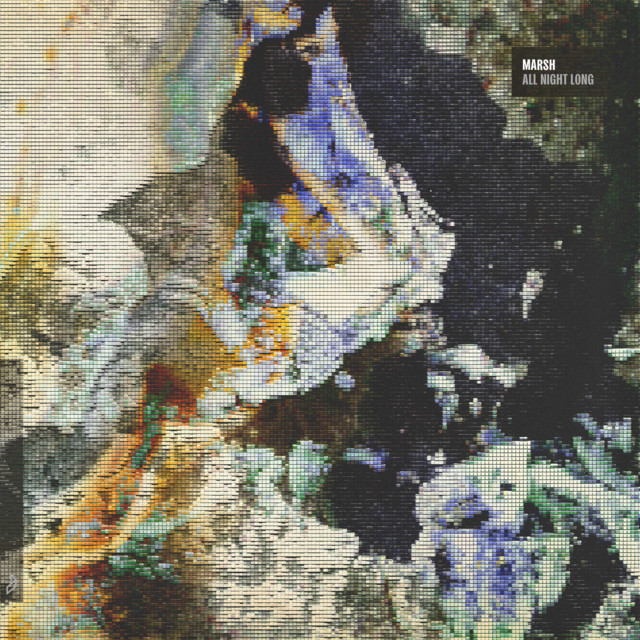
All Night Long
Marsh
Organic House
Progressive Trance
2021
3
/5
Little Darling
Marsh
Organic House
Progressive Trance
Similar artists
3
/5
Sound Quelle
Deep Deep House
Deep House
Organic House
3
/5
Monkey Safari
Organic House
Afro House
Deep House
3
/5
Sébastien Léger
Deep House
Melodic House
Melodic Techno
3
/5
ANUQRAM
Melodic Techno
Organic House
Progressive House
1
/5
Various Artists
Afro-Funk
Alternative Rock
Ambient
3
/5
Super Flu
Afro House
Deep House
Melodic Techno
3
/5
Oliver Koletzki
Organic House
Organic Electronic
Melodic Techno
3
/5
Trilucid
Organic House
Melodic Techno
Progressive House
3
/5
Volen Sentir
Organic House
Deep House
Progressive House
3
/5
Hraach
Organic House
Deep House
Downtempo
Download our mobile app
Get the Melodigging app and start digging for new genres on the go
Download on the App Store
Get it on Google Play
© 2026 Melodigging
Give feedback
Legal
Melodding was created as a tribute to
Every Noise at Once
, which inspired us to help curious minds keep digging into music's ever-evolving genres.