Genres
Artists
Albums
Make Music
Sign in
Sign in
Artists
Deep Deep House
Artists
Deep Deep House
Sound Quelle
Listen
3
/5
Genres
Deep Deep House
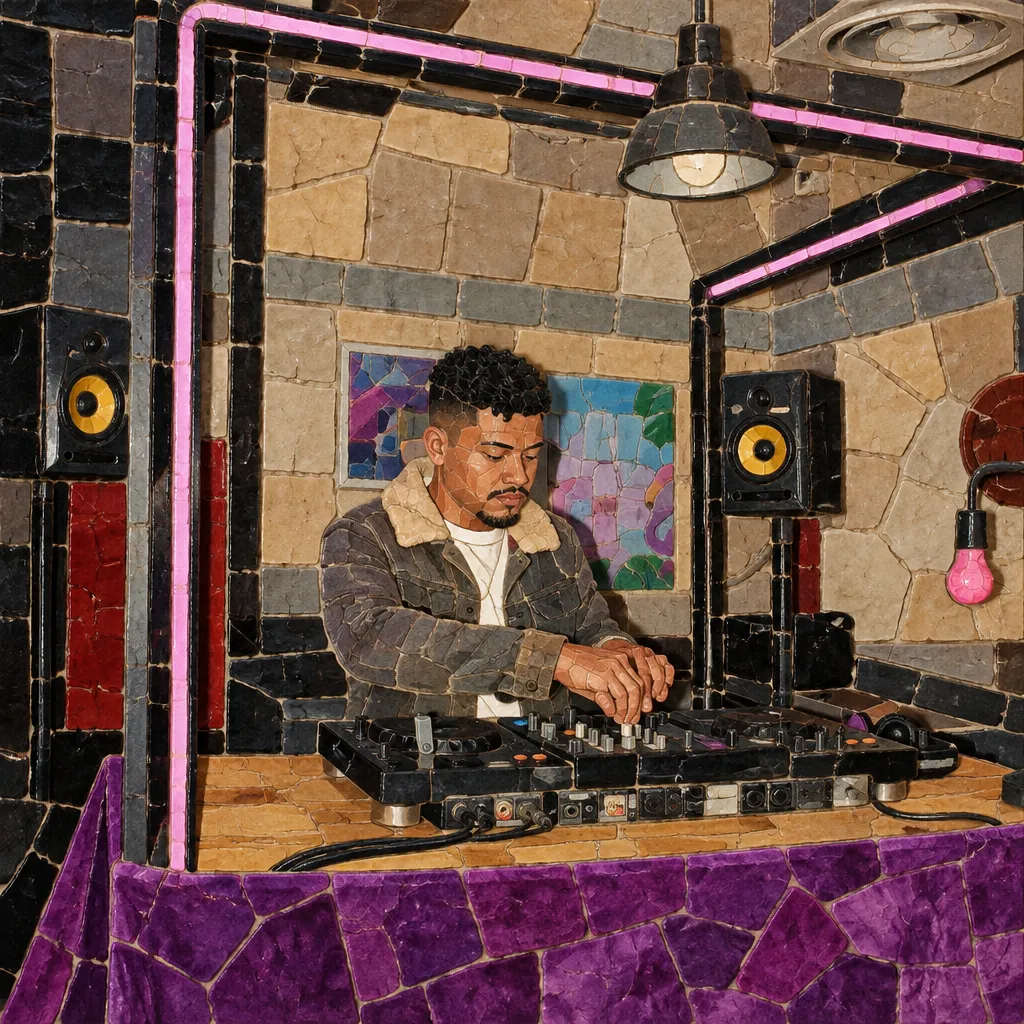
Deep deep house is a late-evolution branch of deep house that emphasizes warmth, space, and subtlety over overt hooks or peak-time energy. Compared with classic deep house, it leans even more toward minimal, dub-inflected textures, extended harmonies, and long atmospheric tails. Tracks typically feature understated yet weighty low end, soft Rhodes or pad chords rich in 7ths/9ths, lightly swung percussion, and carefully sculpted ambience. The mood is intimate and immersive—club music that invites close listening as much as dancing—often suited to small rooms, lounges, after-hours sets, and sunset/sunrise moments.
Discover
Listen
Organic House
Organic house is a warm, earthy branch of house music that blends the steady pulse of club rhythms with acoustic timbres, hand-played percussion, and natural ambience. Instead of hard-edged synths and aggressive drops, it favors wood, skin, breath, and strings—think bongos, kalimba, nylon‑string guitar, ney and bansuri flutes, hang drum, and gentle field recordings. Typically cruising between 110–122 BPM, it keeps a 4/4 foundation while using lightly swung grooves, intricate shaker patterns, and softly saturated textures. Melodies often draw on modal and folk traditions (Dorian, Phrygian, pentatonic), creating a contemplative, nomadic feel. The result is dance music that is intimate, human, and cinematic—equally at home on a sunlit dance floor or a deep-listening session.
Discover
Listen
Post-Dubstep
Post-dubstep is a loosely defined wave of UK-born electronic music that grew out of dubstep but moved away from its rigid 140 BPM wobble-bass formula. It keeps the bass-weight, sound-system focus, and rhythmic syncopation of dubstep and UK garage, but folds in house and techno tempos, R&B vocal chops, ambient space, and experimental production. Typical tracks explore 120–135 BPM (not fixed at 140), use broken 2‑step/garage swing instead of 4/4, and favor detailed sound design over maximal drops. You’ll often hear hushed, intimate vocals (sampled or original), neo-soul/jazz-influenced chords, and micro-edited percussion with lots of negative space. The mood is frequently introspective, melancholic, and textural—more headphone-oriented than festival-leaning—yet still rooted in club culture.
Discover
Listen
Melodic House
Melodic house is a strain of house music that foregrounds memorable melodies, emotive chord progressions, and lush atmospheres while retaining a steady four-on-the-floor groove. It typically runs at a mid-tempo pace, features warm basslines, gentle percussion, and arpeggiated or plucked leads, and often balances a bittersweet, introspective tone with a quietly uplifting drive. Tracks are arranged with DJ-friendly intros and outros, spacious breakdowns, and tasteful builds, making the style equally suited to late-night dancefloors and attentive listening.
Discover
Listen
Deep Deep Tech House
Deep deep tech house is a particularly stripped‑back, hypnotic strain of tech house that leans heavily into deep house harmony and minimal, dub‑tinged textures. It keeps the 4/4 groove and club functionality of house while favoring restrained arrangements, long tension arcs, and subtle sound‑design over big breakdowns. Typical tempos sit around 120–126 BPM; drums emphasize tight 909‑style hats and crisp, short kicks; basslines are warm, rolling subs that lock with lightly swung percussion; harmonic content tends to be sparse—muted chord stabs, airy pads, and occasional soulful vocal fragments used as texture rather than focal hooks. The overall aim is an immersive “head‑down” flow that rewards long blends and extended sets. The palette and structure trace back to tech house’s fusion of house and techno and to deep house’s smoother harmonies.
Discover
Listen
Gauze Pop
Gauze pop is a hazy, soft‑focus strain of indie and electronic pop built around breathy vocals, blurred textures, and nostalgic synth palettes. The term evokes music that feels veiled—like hearing a pop song through gauze—where reverb, delay, chorus, and tape‑like warble soften contours and melt rhythms into a pastel wash. Musically it blends the tunefulness of synth‑pop and indietronica with the dreamy atmospherics of chillwave and dream pop. Tempo tends to sit in a relaxed mid‑range, drums are cushioned and low‑passed, and harmonies favor warm major‑7ths and add9 colors. The result is intimate, memory‑soaked pop that’s equal parts bedroom‑made and cinema‑wide.
Discover
Listen
Deep Groove House
Deep Groove House is a modern house substyle centered on thick, rolling basslines, swung percussion, and soulful or disco-leaning motifs delivered with contemporary club production. It balances the warmth and musicality of classic and deep house with the punch and arrangement sensibilities of present-day tech-leaning club music. Hallmarks include a steady 4/4 kick (typically 122–126 BPM), syncopated bass grooves that drive the track rather than sit under it, crisp hi-hats with subtle swing, and tasteful use of organ stabs, piano chords, and filtered disco/funk samples. Vocals—when present—tend to be hooky but restrained, often chopped or looped to reinforce the groove rather than dominate it. As a playlist and DJ vernacular label, Deep Groove House crystallized around the 2010s, especially in UK- and EU-facing club culture, online stores, and label ecosystems that favored groove-first, dancefloor-ready house with deep and classic roots.
Discover
Listen
Deep Tech
Deep tech (often shorthand for deep tech house) is a stripped‑back, groove‑led branch of house/tech house that emphasizes hypnotic repetition, swing, and sound design over big hooks. Typical tracks sit around 124–128 BPM, use tight, shuffling drum programming, and rely on deep sub‑bass, crisp hi‑hats, and minimal, percussive motifs. Harmony tends to be sparse—dubby chords, single‑note stabs, or short pads—leaving space for long DJ‑friendly arrangements. Vocals, if present, are usually snippets or whispered phrases processed with delay and reverb to blend into the texture rather than sit on top. The result is functional and heady: music optimized for long, seamless mixes, late‑night dancefloors, and a rolling, understated energy rather than explosive drops.
Discover
Listen
Future Ambient
Future ambient is a contemporary strain of ambient music that blends classic beatless atmospheres with modern sound design and post-dubstep, IDM, and minimal techno sensibilities. It typically emphasizes wide, cinematic pads; granular and spectral processing; subtly evolving textures; and low-end sculpting borrowed from modern electronic production. Rhythms, when present, are usually subliminal—pulses, shuffled ghost-kicks, or distant, hazy percussion—so the music retains an essentially immersive, contemplative character while feeling unmistakably current. Compared with 1990s ambient techno and early drone, future ambient tends to be cleaner in its spatial imaging, more detailed in micro-sound events, and more influenced by contemporary mixing and mastering aesthetics developed for headphones and streaming.
Discover
Listen
Progressive House
Progressive house is a melodic, long-form strain of house music known for gradual builds, evolving textures, and a strong sense of tension and release. It favors hypnotic grooves, lush pads, and emotive chord progressions over abrupt drops. Typically sitting around 122–128 BPM in 4/4 time, tracks unfold over six to nine minutes, introducing small changes every few bars to keep momentum. The sound balances club-focused punch with cinematic atmosphere, making it equally at home in late-night dancefloors and long-form DJ sets.
Discover
Listen
Progressive Trance
Progressive trance is a substyle of trance that emphasizes long-form development, subtle layering, and hypnotic momentum over sudden dramatic peaks. It typically features evolving pads, pulsating arpeggios, and rolling basslines that build gradually across extended arrangements. Compared to uplifting or anthem trance, progressive trance is more restrained and textural, trading overt melodrama for nuanced tension-and-release. The result is a deep, immersive sound that feels journey-like on the dancefloor while remaining lush and atmospheric in focused listening contexts.
Discover
Listen
Deep House
Deep house is a subgenre of house music characterized by warm, soulful textures, jazz-influenced harmony, and understated, hypnotic grooves. It typically runs around 115–124 BPM, favoring subtle swing, syncopated percussion, and rounded, mellow basslines over aggressive peaks. Sonically, deep house draws on extended chords (7ths, 9ths, 11ths), Rhodes and M1 organ timbres, airy pads, and tasteful use of reverb and delay to create a spacious, emotive atmosphere. Vocals, when present, often reference soul and gospel traditions, delivering intimate, reflective themes rather than big-room hooks. The style emerged in the mid-to-late 1980s as producers fused Chicago house rhythms with jazz-funk, soul, and garage house sensibilities, resulting in a smoother, deeper take on the house blueprint.
Discover
Listen
Show all 12 genres
Similar artists
3
/5
Marsh
Organic House
Progressive Trance
Deep House
3
/5
Nora En Pure
Electra
Chill R&b
Covertronica
3
/5
Jody Wisternoff
Deep House
Deep Progressive House
Organic House
3
/5
James Grant
Deep Progressive House
Deep House
Organic House
3
/5
PROFF
Flint Sound
Organic House
Progressive House
3
/5
Volen Sentir
Organic House
Deep House
Progressive House
3
/5
Sébastien Léger
Deep House
Melodic House
Melodic Techno
3
/5
djimboh
Deep House
Organic House
Progressive House
3
/5
DAVI
Deep House
Melodic House
Organic House
3
/5
M.O.S.
Deep House
Melancholia
Melodic House
Download our mobile app
Get the Melodigging app and start digging for new genres on the go
Download on the App Store
Get it on Google Play
© 2026 Melodigging
Give feedback
Legal
Melodding was created as a tribute to
Every Noise at Once
, which inspired us to help curious minds keep digging into music's ever-evolving genres.