Genres
Artists
Albums
Make Music
Sign in
Sign in
Artists
Acoustic Rock
Artists
Acoustic Rock
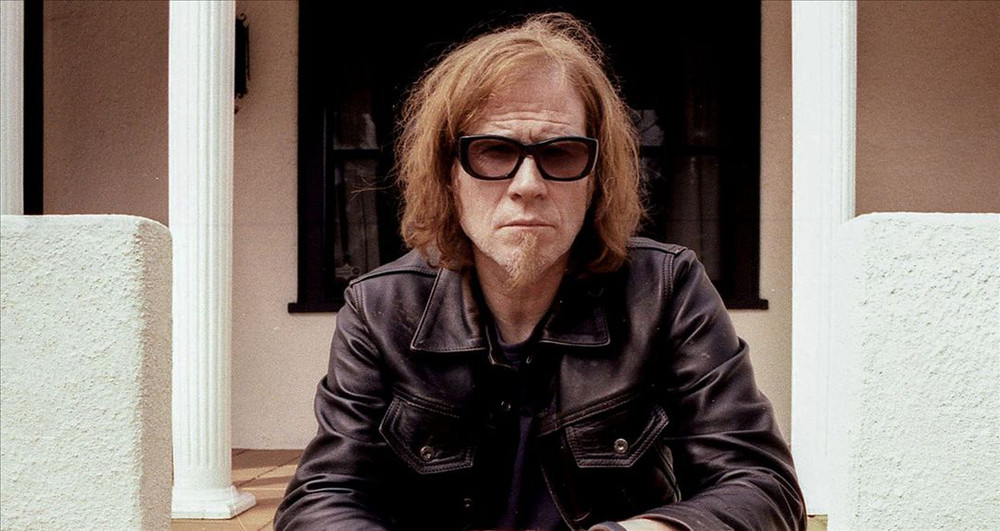
Mark Lanegan
Listen
3
/5
Genres
Gaian Doom
Gaian doom is a doom-metal offshoot that fuses the genre’s glacial tempos and colossal low-end with eco-spiritual themes, nature soundscapes, and droning textures. It often foregrounds the relationship between humanity and the biosphere, evoking forests, mountains, oceans, and cycles of decay and renewal. Musically, it draws from drone and post-metal’s long-form crescendos, sludge’s weight, and dark ambient’s textural depth. Field recordings (wind, water, birds, rain) and acoustic timbres (hand percussion, bowed instruments, harmonium) are layered around downtuned riffs to create a ritual, earth-centric atmosphere. Lyrics tend to be mythopoetic, animist, or ecological, emphasizing Gaia as a living, interdependent system.
Discover
Listen
Melancholia
Melancholia is an internet-era microgenre centered on soft-focus, sorrow-tinged pop and indie songs that foreground intimacy, space, and emotional candor. Tracks are typically slow to mid‑tempo, sung in a close, almost confessional register, and framed by sparse, reverb‑soaked textures. Sonically it lives between dream pop, bedroom pop, and slowcore: shimmering guitars or wistful synth pads drift over understated beats; piano, acoustic guitar, and low‑key electronic drums carry muted, pulsing grooves. Harmonies often favor minor keys, suspended chords, and gentle extensions (7ths/9ths) that heighten a bittersweet glow. Lyrically, melancholia lingers on solitude, late‑night self‑reflection, breakups, and fragile hope. The genre coalesced through streaming playlists and social media, where its hush, negative space, and diaristic tone translate into a cohesive, instantly recognizable mood.
Discover
Listen
Northern Gothic
Northern gothic is a modern recontextualization of gothic sensibility rooted in the post‑industrial landscapes, politics, and culture of 21st‑century Northern England. It blends post‑punk austerity, industrial and dark ambient textures, hauntological memory work, and stark folk storytelling. The sound often evokes mills, moorland, sea ports, terraces, and cooling towers—spaces marked by deindustrialization—through tape patina, reverberant spaces, modular drones, and vernacular narratives. Compared with classic goth, it is less theatrical and more documentary or folkloric in tone, prioritizing regional specificity, minimalism, and social realism.
Discover
Listen
Solo Wave
Solo wave is an internet-era microgenre that blends the intimate, DIY sensibility of bedroom pop with vaporwave- and chillwave-tinged atmospheres and soft indie pop songwriting. Typically produced by solo artists working from home studios, it favors gentle synth pads, chorus-washed guitars, understated trap- or pop-leaning drums, and confessional vocals framed by nostalgic reverb and tape-like warmth. The result is dreamy, sentimental, and highly shareable songs that circulate on streaming platforms and social media. Lyric themes often center on young adult relationships, self-reflection, mental health, and digital-age loneliness—delivered in a direct, diaristic tone that reinforces the genre’s solitary, “one-person project” ethos.
Discover
Listen
Southern Americana
Southern Americana is a regional strain of Americana rooted in the musical vernacular of the U.S. South. It blends songwriting-first aesthetics with the organic textures of country, folk, and blues, and the swagger of Southern rock. Typical recordings feature warm, lived‑in tones: Telecasters and acoustic guitars alongside pedal steel, Hammond organ, fiddle, mandolin, and harmony vocals. Lyrically it is grounded in place—small towns, highways, kudzu, pine line horizons—and in the South’s complicated histories of faith, work, love, and loss. The groove ranges from back‑porch shuffles and waltzes to swampy, slow‑burn rhythms, keeping the focus on stories and melody rather than studio gloss.
Discover
Listen
Soundclown
Soundclown is an internet-born remix and mashup style that thrives on comedic juxtaposition, bait‑and‑switch reveals, and hyper-referential sample collage. It blends pop hits, game and cartoon music, ad jingles, meme sounds, and viral speech into quick-cut audio gags. The genre developed across YouTube and SoundCloud, favoring shock humor, nostalgia, and absurdity over traditional song form. Hallmarks include sudden key/tempo whiplash, exaggerated pitch-shifts, ear‑rending “earrape” peaks, and punchline drops that transform a familiar source into something hilariously incongruent. Because it is fundamentally platform-native, soundclown is as much a memetic editing culture as a musical style. Its tracks often function like sonic shitposts: fast, punchy, and built for instant recognition and shareability.
Discover
Listen
Gothic Country
Gothic country (often called country noir or gothic Americana) blends traditional country and folk instrumentation with the brooding atmospheres, moral ambiguity, and literary imagery of Southern Gothic. It favors minor keys, slow to mid-tempos, and vivid storytelling about sin, redemption, murder, faith, and decay. Sonically, it sets banjo, fiddle, acoustic and tremolo-laden electric guitar, upright bass, pump organ/harmonium, and sparse percussion against dusky reverbs and droning pedals. Vocals tend to be intimate or preacherly, carrying ballad traditions into darker, hymn-like territories. The result is an eerie, pastoral sound that feels simultaneously old and haunted, rustic and cinematic.
Discover
Listen
Southern Gothic
Southern gothic (as a music style) blends American roots idioms—country, folk, blues, gospel, and Southern rock—with the macabre, moral ambiguity, and decaying grandeur associated with the Southern Gothic literary tradition. Its sound is typically dark-hued and intimate: minor-key harmonies, modal drones, and slow-to-mid tempos underpin storytelling about sin and salvation, haunted landscapes, family secrets, and folk religion. Arrangements often feature acoustic guitar, banjo, fiddle, upright bass, pump organ or harmonium, lap/pedal steel, sparse percussion, and baritone or hushed vocals drenched in room reverb. Production tends toward earthy and atmospheric—tape-like saturation, creaking room ambience, and subtle field sounds (cicadas, church bells, train rumbles) that evoke the American South’s heat, humidity, and history.
Discover
Listen
Americana
Americana is a contemporary umbrella term for U.S. roots music that blends folk, country, blues, bluegrass, gospel, and roots rock into a songwriter-centered, largely acoustic-leaning sound. Hallmarks include story-driven lyrics; warm, organic production; and traditional instrumentation such as acoustic guitar, mandolin, banjo, fiddle, harmonica, pedal steel, upright or electric bass, and restrained drums. Rhythms often draw on the train beat, shuffles, two-step, waltz time, and relaxed backbeats. Harmonically it favors diatonic progressions (I–IV–V, I–vi–IV–V), modal tinges (Mixolydian), and close vocal harmonies. Rather than a rigid style, Americana functions as a bridge among related roots traditions, emphasizing authenticity, regional imagery, and narrative songwriting over genre flashiness.
Discover
Listen
Grunge
Grunge is a guitar-driven subgenre of alternative rock that emerged in the mid-to-late 1980s in Seattle, United States. It fuses the raw aggression and DIY ethos of punk with the weight and riff-centric power of hard rock and heavy metal. Characterized by thick, heavily distorted guitars, dynamic quiet–loud song structures, and a visceral, unpolished production aesthetic, grunge foregrounds themes of alienation, apathy, social disaffection, and personal struggle. Vocals often shift between subdued, introspective verses and cathartic, shouted or soaring choruses, while lyrics tend toward confessional and existential tones. Beyond sound, grunge represented a cultural stance: anti-gloss, anti-virtuosity, and anti-commercial posturing—even as it became a global commercial force in the early 1990s.
Discover
Listen
Alternative Rock
Alternative rock is a broad umbrella for guitar-based rock that emerged from the independent and college-radio scenes as a counterpoint to mainstream, commercial rock. It blends the energy and ethos of punk with the textural and songwriting experiments of post-punk, new wave, jangle pop, and noise rock, often foregrounding introspective or socially aware lyrics. Across its many strains—from the melodic minimalism of college rock to the loud-quiet-loud dynamics of grunge and the artful experimentation of Radiohead-era modernism—alternative rock prioritizes authenticity, sonic individuality, and a do-it-yourself approach. Its sound ranges from chiming, chorus-laden clean guitars to abrasive distortion and feedback, supported by straightforward rock rhythms or off-kilter grooves, and production that can be either raw and live-sounding or polished yet unconventional.
Discover
Listen
Indie Rock
Indie rock is a subgenre of rock and a branch of alternative rock that coalesced in the early–mid 1980s around independent labels and DIY practices in the United Kingdom, the United States, and New Zealand. Defined less by a single sound than by an ethos, indie rock favors non‑mainstream approaches, self‑recording and small‑label distribution, and an interest in pop‑informed melody and eclectic experimentation. Hallmarks include jangly or fuzzed guitars, intimate or deadpan vocals, off‑kilter song structures, and production that often preserves a raw, “authentic” feel rather than glossy studio polish.
Discover
Listen
Acoustic Rock
Acoustic rock is a style of rock music built primarily around acoustic instruments—especially steel‑string acoustic guitars—while retaining rock’s song forms, rhythmic drive, and hook‑oriented choruses. Compared with folk or traditional singer‑songwriter material, acoustic rock tends to use stronger backbeats (often played with light drums or hand percussion), more prominent bass movement, and dynamic, chorus‑centric arrangements. The result is a warm, wood‑toned timbre with the energy and structures of rock, but without the distortion and heaviness typical of electric guitar‑led styles. The genre spans intimate solo performances to full‑band “unplugged” settings, often featuring strummed open chords, fingerstyle passages, vocal harmonies, and occasional alternate tunings or capo use to shape color and register.
Discover
Listen
Folk Rock
Folk rock is a fusion genre that blends the narrative lyricism, modal melodies, and acoustic timbres of traditional folk with the backbeat, amplification, and song structures of rock. It typically pairs acoustic or traditional instruments (acoustic guitar, mandolin, fiddle) with a rock rhythm section (electric guitar, bass, drums), often featuring chiming 12‑string guitar textures, close vocal harmonies, and socially conscious or storytelling lyrics. The result ranges from intimate, reflective ballads with a steady backbeat to more anthemic, roots‑driven rock. Emerging in the mid‑1960s through artists such as Bob Dylan and The Byrds, folk rock became a gateway for traditional and roots materials to enter mainstream popular music, and it seeded later movements from country rock and Americana to jangle pop and modern indie folk.
Discover
Listen
Show all 14 genres
Similar artists
1
/5
Various Artists
Afro-Funk
Alternative Rock
Ambient
4
/5
James Arthur
Soft Pop
Talent Show
Pop
4
/5
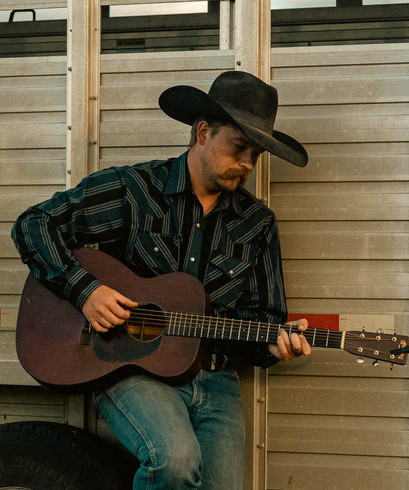
Colter Wall
Americana
Bluegrass
Gothic Country
4
/5
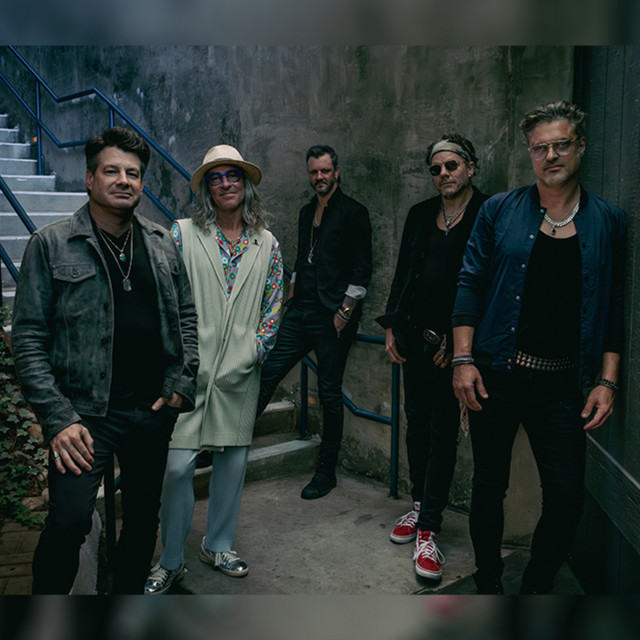
Collective Soul
Grunge
Grunge Revival
Melancholia
4
/5
Poor Man's Poison
Deathgrass
Gothic Country
Americana
4
/5
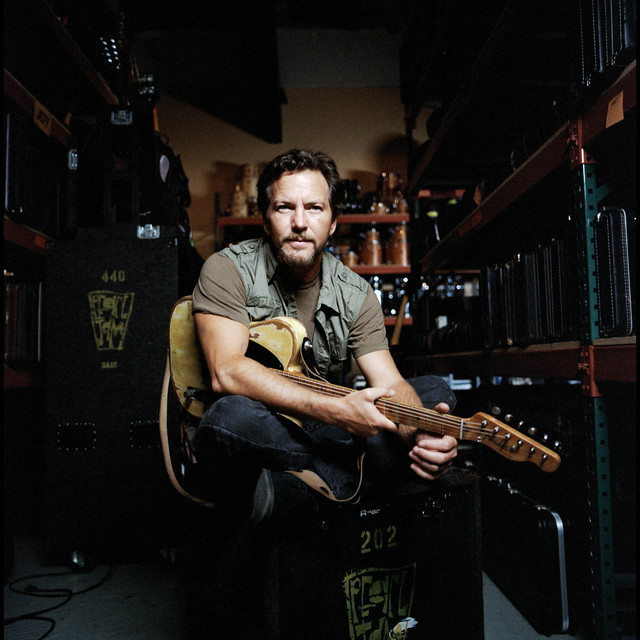
Eddie Vedder
Acoustic Rock
Grunge
Rock
4
/5
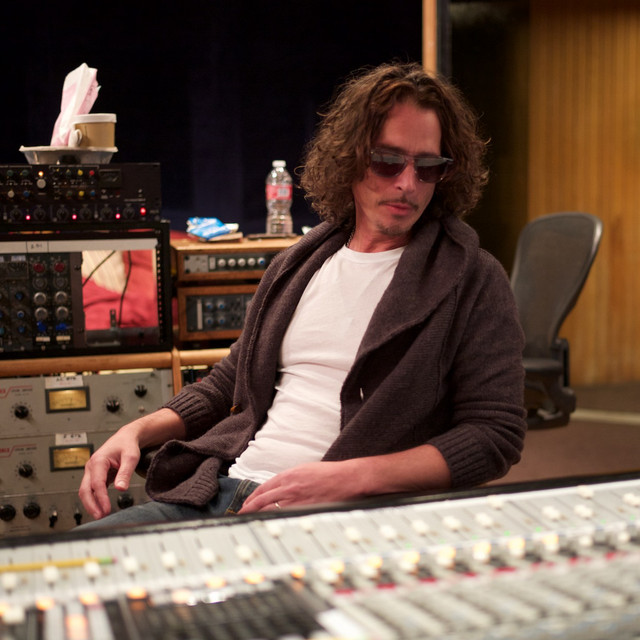
Chris Cornell
Acoustic Rock
Grunge
Chill Pop
4
/5
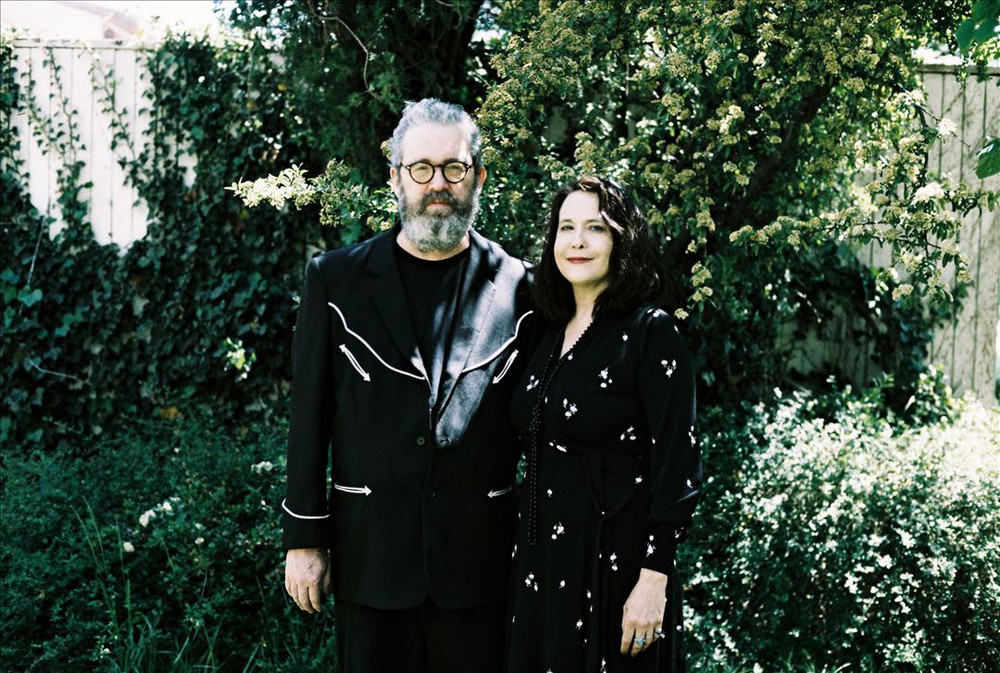
The Handsome Family
Americana
Gothic Country
Indie Shoegaze
4
/5
The Dead South
Newgrass
Bluegrass
Gothic Country
3
/5
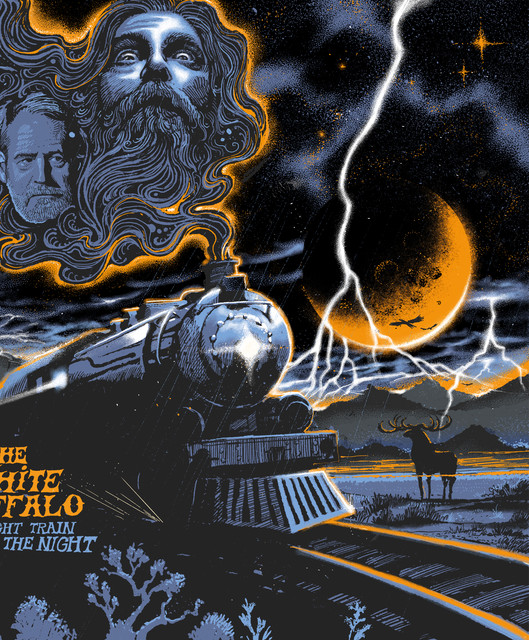
The White Buffalo
Alternative Roots Rock
Gothic Country
New Americana
Download our mobile app
Get the Melodigging app and start digging for new genres on the go
Download on the App Store
Get it on Google Play
© 2026 Melodigging
Give feedback
Legal
Melodding was created as a tribute to
Every Noise at Once
, which inspired us to help curious minds keep digging into music's ever-evolving genres.