Your digging level
Description
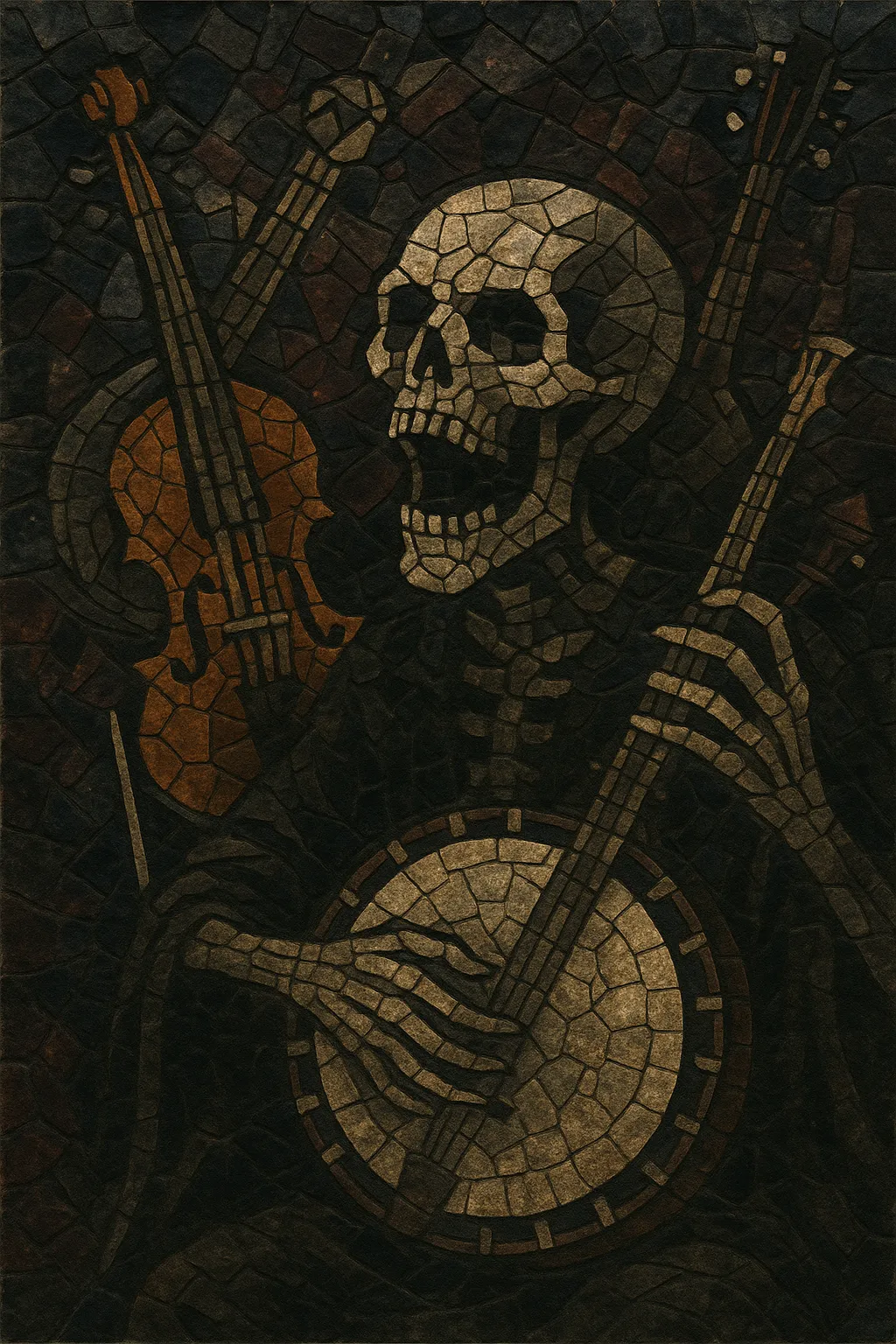
Deathgrass is a hybrid style that fuses the speed, precision picking, and rustic timbres of bluegrass with the aggression, vocal approach, and riff language of death metal.
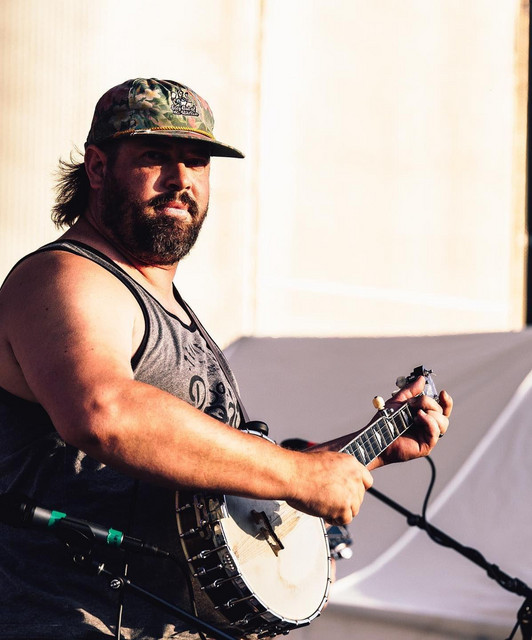
Instead of high-gain electric guitars, it foregrounds banjo, mandolin, fiddle, acoustic guitar, and upright bass—often reinforced by a drum kit or heavy percussion—while incorporating tremolo-picked lines, chromatic movement, minor-mode harmony, and harsh growled or screamed vocals. Tempos tend to be fast, the playing is virtuosic, and the lyrics lean toward macabre folklore, frontier fatalism, and dark-humored storytelling.
The result keeps the propulsive “drive” of bluegrass but channels it into darker, heavier aesthetics, producing a sound that can swing between barn-stomping energy and cinematic, doomy intensity.
History
Deathgrass coalesced in the 2010s in the United States as musicians from bluegrass and extreme metal scenes experimented with swapping instrumentation while preserving the core aesthetics of both traditions. Players took the relentless downbeat drive, fast alternate picking, and ensemble tightness of bluegrass and combined them with death metal’s growled vocals, palm-muted riffing translated to acoustic instruments, and minor/Phrygian/Dorian tonalities.
The style circulated through YouTube sessions, festival one-offs, and niche playlists that grouped metal-minded “dark Americana” with high-BPM acoustic pickers. Bands covering metal songs on banjo and fiddle, alongside original writers steeped in Appalachian melody and extreme-metal harmony, helped normalize the crossover. Social media clips of blast-beat-adjacent grooves under banjo rolls became a calling card.
By the late 2010s, acts began writing originals that treated bluegrass instruments as a rhythmically percussive metal engine: tremolo banjo lines mimicking guitar trem-picking, mandolin chops acting like a hi-hat, and upright-bass slaps approximating double-kick punctuation. Lyrically, the style embraced death-metal’s fascination with mortality and myth while grounding it in rural gothic imagery—coal towns, hollers, and ghost lore.
Deathgrass remains a niche but recognizable hybrid within the broader web of folk-metal and dark Americana. It thrives in live settings where acoustic volume, percussive attack, and ensemble precision create a visceral, heavy impact without abandoning organic timbres. The scene overlaps with adjacent tags like murderfolk, gothic country, and thrash-grass, and continues to evolve via collaborations, festival showcases, and session-friendly studio releases.