Genres
Artists
Albums
Make Music
Sign in
Sign in
Artists
Future Garage
Artists
Future Garage
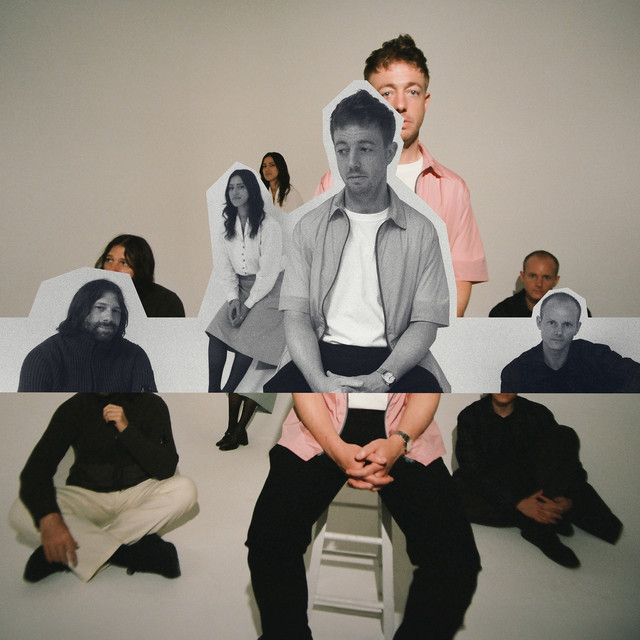
Maribou State
2016–2025
·
3 albums
Listen
4
/5
Genres
Chill Drill
Chill drill is a mellow, melodic offshoot of UK drill that keeps the style’s distinctive sliding 808s, syncopated hi-hats, and snare-on-3 placement, but softens the overall timbre and mood. Instead of ominous synths and harsh textures, it leans on airy pads, Rhodes pianos, gentle guitar loops, and lo‑fi ambience. Vocals tend to be more introspective and tuneful, with sing-rap hooks, laid-back cadences, and reflective lyric themes (romance, ambition, day-to-day life). The result bridges drill’s rhythmic identity with chillhop and lo‑fi hip hop’s relaxed atmosphere, creating tracks that are both groove-driven and easy to live with.
Discover
Listen
Bedroom R&b
Bedroom R&B is a strand of contemporary R&B defined by intimate, DIY production, soft vocals, and lo‑fi aesthetics. It blends the emotional directness and melismatic phrasing of R&B and neo‑soul with the hushed, home‑recorded vibe of bedroom pop and lo‑fi hip hop. Typically built on subdued drum machines, warm synth pads or jazzy guitar, and close‑miked vocals drenched in reverb, the sound favors softness over sheen. Lyrics center on late‑night confessions, relationships, vulnerability, and self‑reflection, often delivered in short songs that feel like sketches or voice‑notes. The genre flourished on Bandcamp, SoundCloud, and later TikTok/streaming playlists, where lowered barriers to entry let artists self‑produce with laptops, interfaces, and inexpensive mics. The result is a tender, nocturnal palette that feels personal, unguarded, and modern.
Discover
Listen
Indian Indie
Indian indie is the umbrella for independent, non-film music made in India across languages such as Hindi, English, and numerous regional tongues. It is defined more by its DIY production and artist-led release model than by a single sound. Musically, it spans indie pop and rock, folk-fusion, singer‑songwriter ballads, dream‑pop/shoegaze textures, and electronic‑leaning productions. Artists often blend Western harmony and song forms with raga‑tinged melodies, Indian rhythmic feels, and occasional use of traditional instruments like tabla, bansuri, or sitar. The scene grew rapidly with college festivals, small venues, and digital platforms (YouTube, streaming services, Bandcamp), plus boutique labels and festivals such as NH7 Weekender that created national visibility. Lyrically, it tends to be intimate and contemporary—touching on romance, urban life, identity, and nostalgia—while maintaining accessible hooks and warm, organic sonics.
Discover
Listen
Indie Pop Rap
Indie pop rap blends the melodic hooks and DIY aesthetic of indie pop with conversational, often introspective rap delivery. The production favors warm, guitar- or synth-led beats, understated drums, and lo‑fi textures over bombastic trap maximalism. Lyrically, it leans personal and relatable—relationships, coming of age, mental health, and day-to-day vignettes—delivered in a half-sung, half-rapped style. The sound was shaped by bedroom producers and the streaming era, where low-stakes, catchy songs with intimate vocals thrive on playlists and social media.
Discover
Listen
Indie Soul
Indie soul is a contemporary, independently minded offshoot of soul that blends the warmth and emotional directness of classic and neo-soul with the intimate production values and DIY ethos of indie scenes. It favors organic grooves, jazz-tinged harmony, and understated, confessional vocals over radio-driven polish, often embracing lo-fi textures, bedroom recording techniques, and subtle electronic touches. The style typically features roomy drums, buttery electric bass, Rhodes or Wurlitzer keyboards, and clean, chorus- or tremolo-kissed guitars, alongside layered harmonies and tasteful sampling. While it borrows the sophistication of jazz and the pocket of funk, indie soul foregrounds personal storytelling, sonic space, and mood—balancing lush chord progressions with hushed, close-mic’d performances.
Discover
Listen
Modern Indie Pop
Modern indie pop is a 2010s-forward style of pop made largely outside the traditional major-label pop pipeline, but with a strong focus on hooks, concise song forms, and modern production. It typically blends indie-rock songwriting attitudes (personal lyrics, DIY aesthetics, alternative scenes) with contemporary pop sonics such as punchy drums, bright or glassy synths, tight vocal editing, and streaming-era arrangement pacing. Compared with earlier indie pop, “modern” indie pop is usually more producer-led, more influenced by electronic and R&B-informed pop textures, and often designed to translate well to playlists and short-form content without losing an alternative identity.
Discover
Listen
Post-Dubstep
Post-dubstep is a loosely defined wave of UK-born electronic music that grew out of dubstep but moved away from its rigid 140 BPM wobble-bass formula. It keeps the bass-weight, sound-system focus, and rhythmic syncopation of dubstep and UK garage, but folds in house and techno tempos, R&B vocal chops, ambient space, and experimental production. Typical tracks explore 120–135 BPM (not fixed at 140), use broken 2‑step/garage swing instead of 4/4, and favor detailed sound design over maximal drops. You’ll often hear hushed, intimate vocals (sampled or original), neo-soul/jazz-influenced chords, and micro-edited percussion with lots of negative space. The mood is frequently introspective, melancholic, and textural—more headphone-oriented than festival-leaning—yet still rooted in club culture.
Discover
Listen
Shimmer Psych
Shimmer psych is a contemporary strand of neo‑psychedelia that pairs sparkling, chorus‑washed guitars and gauzy vocal harmonies with dreamy pop songcraft. It emphasizes high‑end "shimmer," tape‑soft saturation, hypnagogic textures, and melodic hooks, sitting between dream pop, jangle pop, and classic psychedelic rock. Typical tracks are mid‑tempo, built on warm bass lines, gentle motorik or laid‑back breakbeats, and drenched in reverb, phaser, and delay. The result is sun‑bleached, nostalgic, and kaleidoscopic rather than heavy or jam‑oriented.
Discover
Listen
Gauze Pop
Gauze pop is a hazy, soft‑focus strain of indie and electronic pop built around breathy vocals, blurred textures, and nostalgic synth palettes. The term evokes music that feels veiled—like hearing a pop song through gauze—where reverb, delay, chorus, and tape‑like warble soften contours and melt rhythms into a pastel wash. Musically it blends the tunefulness of synth‑pop and indietronica with the dreamy atmospherics of chillwave and dream pop. Tempo tends to sit in a relaxed mid‑range, drums are cushioned and low‑passed, and harmonies favor warm major‑7ths and add9 colors. The result is intimate, memory‑soaked pop that’s equal parts bedroom‑made and cinema‑wide.
Discover
Listen
Organic Ambient
Organic ambient is a strain of ambient music that emphasizes natural, acoustic, and tactile timbres over purely synthetic ones. Its sound world is built from softly mic’d pianos and guitars, mallet percussion, strings, voice layers, and environmental field recordings (wind, water, birds, room tone), then gently processed with spacious reverbs, tape warmth, and subtle granular or delay treatments. Compared with classic electronic ambient, the adjective “organic” points to breath, touch, and the audible presence of rooms and spaces: creaking pedals, bow noise, finger sounds on strings, and a bed of environmental sound. Harmony tends toward consonant, slowly evolving chords; rhythm is minimal or absent; and dynamics are restrained, inviting calm, contemplation, and connection with place.
Discover
Listen
Channel Pop
Channel pop is a digital-era strain of mainstream pop shaped by video and creator platforms—especially YouTube and later TikTok and Instagram—where artists build audiences through frequent uploads on their own “channels.” Musically it favors intimate, highly polished but close-mic’d vocals, acoustic guitar or piano-led arrangements, restrained beats, and succinct, playlist-friendly structures. Many releases are cover-first (reimagining recent chart hits) with a steady flow of glossy singles, session-style performances, and creator collaborations that gradually blend into original material. Titles, artwork, and release cadence are optimized for search and recommendation algorithms, yielding a sound that is simultaneously personal and platform-aware.
Discover
Listen
Vapor Soul
Vapor soul is a vaporwave-adjacent microgenre that blends the chopped-and-screwed, sample-forward aesthetics of vaporwave with the smooth, sensual palette of R&B and soul. It typically repurposes fragments of 1980s–2000s slow jams, quiet storm, and adult contemporary R&B—slowing them down, pitching them, looping short motifs, and bathing them in reverb, chorus, and tape-like saturation. Compared with more ironic or corporate-sounding vaporwave, vapor soul usually emphasizes warmth, intimacy, and emotional “late-night” ambience, often preserving the original song’s romantic affect while abstracting it into hazy, dreamlike repetition.
Discover
Listen
High Vibe
High vibe is a contemporary, wellness-oriented microgenre that blends uplifting pop songwriting with gentle electronic textures and spiritually tinged lyrics. It emphasizes positivity, gratitude, self-empowerment, and connection to nature, often employing soothing vocal timbres, airy pads, acoustic guitars or piano, and light, mid-tempo grooves. The production is spacious and warm, favoring reverb-washed atmospheres, soft percussion, and subtle world-influenced instrumentation to create a sense of calm elevation. While rooted in pop accessibility, high vibe draws on new age and devotional traditions, bringing mantra-like hooks and affirmational refrains into modern indie and electronic frameworks.
Discover
Listen
Vapor Twitch
Vapor twitch is a glossy, internet-born strain of indie electronic that fuses the dreamy nostalgia of vaporwave and chillwave with the punchy, "twitchy" rhythms of trap-leaning future bass. Expect airy pads, pastel synth palettes, chopped-and-pitched vocal bits, and sidechained chords that "breathe" against half-time 808 drums. Where vaporwave leans into looped détournement, vapor twitch favors original songwriting and drop-centric arrangements, keeping the vapor-era wistfulness but aiming for a more kinetic, festival-ready glow.
Discover
Listen
Future Garage
Future garage is a UK-born mutation of UK garage and dubstep that pivots from peak-time club energy toward intimate, headphone-focused listening. It is defined by shuffling 2‑step drum programming (swung hi‑hats, syncopated snares, ghost kicks), deep sine/sub bass, foggy pads, and the use of pitched, chopped R&B or soul vocal fragments as texture rather than lead melody. Producers often weave in field recordings (rain, street noise, vinyl crackle), generous reverb, and subtle sound-design to evoke a nocturnal, reflective atmosphere. Typical tempos hover around 130 BPM, with grooves that imply both half‑time glide and garage shuffle, and harmony that favors minor keys, suspended chords, and slow-moving, emotive progressions.
Discover
Listen
Dubstep
Dubstep is a bass‑centric electronic dance music genre that emerged in South London in the early 2000s. It is typically around 140 BPM and is defined by a half‑time rhythmic feel, sub‑heavy basslines, sparse yet impactful drums, and a strong emphasis on space, tension, and sound system weight. Hallmark traits include syncopated kick patterns, snares on the third beat of the bar, swung/shuffly hi‑hats inherited from UK garage, and modulated low‑frequency bass (“wobbles”) shaped with LFOs, filters, and distortion. Influences from dub reggae (echo, delay, and minimalism), jungle/drum & bass (bass science and sound system culture), and 2‑step garage (rhythmic swing and shuffles) are central. The style ranges from deep, meditative “dub” aesthetics (often called deep dubstep) to more aggressive, midrange‑driven variants that later informed brostep and festival bass. Atmosphere, negative space, and subwoofer translation are as important as melody or harmony.
Discover
Listen
Downtempo
Downtempo is a mellow, groove-oriented branch of electronic music characterized by slower tempos, plush textures, and a focus on atmosphere over dancefloor intensity. Typical tempos range from about 60–110 BPM, with swung or laid-back rhythms, dub-informed basslines, and warm, jazz-tinged harmonies. Stylistically, it blends the spaciousness of ambient, the head-nodding rhythms of hip hop and breakbeat, and the cosmopolitan smoothness of lounge and acid jazz. Producers often use sampled drums, Rhodes or Wurlitzer electric pianos, guitar licks with delay, and field recordings to create intimate, cinematic soundscapes. The mood spans from soulful and romantic to introspective and dusk-lit, making it a staple of after-hours listening, cafes, and relaxed club back rooms.
Discover
Listen
Rare Groove
Rare groove is a DJ-driven crate‑digging culture centered on obscure, often out‑of‑print 1970s and early‑1980s soul, funk, jazz‑funk and disco records whose deep rhythms and rich arrangements worked beautifully on dancefloors. The term emerged in London to describe the rediscovery and club circulation of these hard‑to‑find sides, many of which later became staple break sources for hip‑hop producers and sample‑based genres. Although it names a scene and curatorial aesthetic more than a strict musical form, rare groove points to a recognizable sound: syncopated funk breaks, warm basslines, Rhodes and vibraphone textures, brass stabs, Latin and Afro‑Caribbean percussion, and emotive, often socially conscious vocals. Its emphasis on scarcity, collector culture, and historical recovery helped shape UK club taste and fed directly into acid jazz and other sample‑oriented movements.
Discover
Listen
House
House is a dance music genre that emerged in Chicago in the early 1980s, defined by a steady four-on-the-floor kick drum, off-beat hi-hats, soulful or hypnotic vocals, and groove-centric basslines. Typical tempos range from 118–130 BPM, and tracks are structured in DJ-friendly 16–32 bar phrases designed for seamless mixing. Drawing on disco’s celebratory spirit, electro-funk’s drum-machine rigor, and Italo/Hi-NRG’s synth-led sheen, house prioritizes repetition, tension-and-release, and communal energy on the dancefloor. Its sound palette often includes 808/909 drums, sampled or replayed disco/funk elements, filtered loops, piano/organ stabs, and warm, jazzy chords. Over time, house diversified into many substyles—deep house, acid house, French house, tech house, progressive house, and more—yet it remains a global foundation of club culture, known for emphasizing groove, inclusivity, and euphoria.
Discover
Listen
Dance
Dance (as a broad, mainstream club- and radio-oriented style) is pop-leaning music designed primarily for dancing, characterized by steady, driving beats, catchy hooks, and production that translates well to nightclubs and large sound systems. It emerged after disco, blending four-on-the-floor rhythms with electronic instrumentation and pop songwriting, and it continually absorbs elements from house, techno, Hi-NRG, synth-pop, and later EDM. Tempos commonly fall between 110–130 BPM, vocals often emphasize memorable choruses, and arrangements are structured for both club mixing and mass appeal.
Discover
Listen
Ambient
Ambient is a form of electronic and electroacoustic music that prioritizes tone, atmosphere, and texture over conventional song structures and rhythmic drive. It typically features slow-moving harmonies, sustained drones, gentle timbral shifts, and extensive use of space and silence. Rather than drawing attention to itself through hooks or beats, ambient is designed to be as ignorable as it is interesting, rewarding both background listening and focused immersion. Artists often employ synthesizers, samplers, tape loops, field recordings, and subtle acoustic instruments, with reverb and delay creating a sense of place. Substyles range from luminous, consonant soundscapes to darker, more dissonant atmospheres.
Discover
Listen
Ethio-Jazz
Ethio‑jazz (Ethiopian jazz) is a distinctive fusion of traditional Ethiopian modal melody and rhythm with the harmonies, improvisational language, and instrumentation of jazz. Rooted in Ethiopia’s pentatonic qenet (modes)—such as tizita, bati, ambassel, and anchihoye—it places these characteristic scales over Western jazz ensembles (horn sections, piano/organ, guitar, bass, drums) and, at times, indigenous instruments like krar, masenqo, and kebero. The result ranges from sultry, minor‑tinged laments to hypnotic, groove‑forward vamps, often colored by vibraphone, organ, and saxophone timbres. Over time, Ethio‑jazz absorbed elements of soul, funk, Afro‑Latin and Afro‑Cuban rhythms, contributing to a sound that can be both melancholic and danceable, nostalgic and cosmopolitan. Mulatu Astatke—widely considered the father of Ethio‑jazz—was pivotal in crystallizing this language and popularizing it internationally.
Discover
Listen
Rock
Rock is a broad family of popular music centered on amplified instruments, a strong backbeat, and song forms that foreground riffs, choruses, and anthemic hooks. Emerging from mid‑20th‑century American styles like rhythm & blues, country, and gospel-inflected rock and roll, rock quickly expanded in scope—absorbing folk, blues, and psychedelic ideas—while shaping global youth culture. Core sonic markers include electric guitar (often overdriven), electric bass, drum kit emphasizing beats 2 and 4, and emotive lead vocals. Rock songs commonly use verse–chorus structures, blues-derived harmony, and memorable melodic motifs, ranging from intimate ballads to high‑energy, stadium‑sized performances.
Discover
Listen
Electronic
Electronic is a broad umbrella genre defined by the primary use of electronically generated or electronically processed sound. It encompasses music made with synthesizers, drum machines, samplers, computers, and studio/tape techniques, as well as electroacoustic manipulation of recorded or synthetic sources. The genre ranges from academic and experimental traditions to popular and dance-oriented forms. While its sonic palette is rooted in electricity and circuitry, its aesthetics span minimal and textural explorations, structured song forms, and beat-driven club permutations. Electronic emphasizes sound design, timbre, and studio-as-instrument practices as much as melody and harmony.
Discover
Listen
Show all 24 genres
Albums
2025
4
/5
Hallucinating Love
Maribou State
Future Garage
Dance
Electronic
2020
3
/5
fabric presents Maribou State (DJ Mix)
Hailu Mergia
Ethio-Jazz
Rare Groove
Downtempo
2016
3
/5
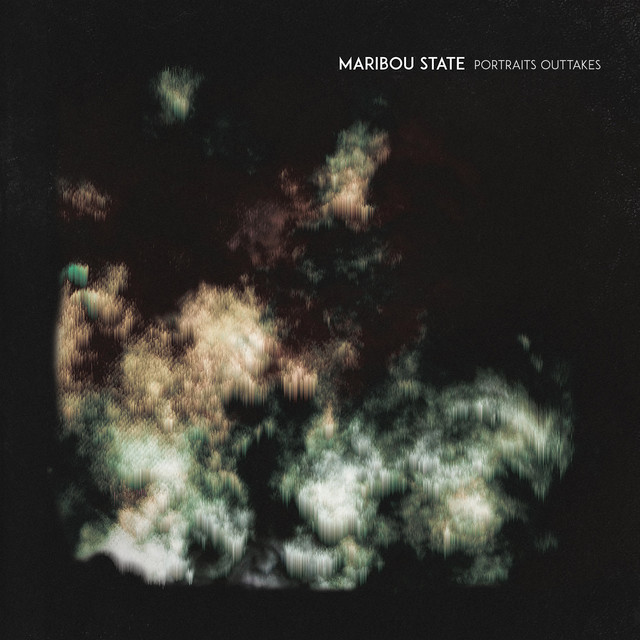
Portraits Outtakes
Maribou State
Future Garage
Similar artists
3
/5
Nosaj Thing
Wonky
Glitch Hop
Idm
3
/5
Romare
Future Garage
Indie Soul
Post-Dubstep
3
/5
HNNY
Swedish Synthpop
Electronic
Future Garage
4
/5
Jamie xx
Future Garage
Post-Dubstep
Electronic
3
/5
Tourist
Future Garage
Vapor Soul
Melodic House
3
/5
Mount Kimbie
Future Garage
Post-Dubstep
Electronic
3
/5
Floating Points
Idm
Gnawa
Electronic
3
/5
Ross from Friends
Future Garage
Electronic
House
3
/5
Phaeleh
Chillstep
Electronic
Ambient
4
/5
Four Tet
Folktronica
Idm
Electronic
Download our mobile app
Get the Melodigging app and start digging for new genres on the go
Download on the App Store
Get it on Google Play
© 2026 Melodigging
Give feedback
Legal
Melodding was created as a tribute to
Every Noise at Once
, which inspired us to help curious minds keep digging into music's ever-evolving genres.