Genres
Artists
Albums
Make Music
Sign in
Sign in
Artists
Mpb
Artists
Mpb
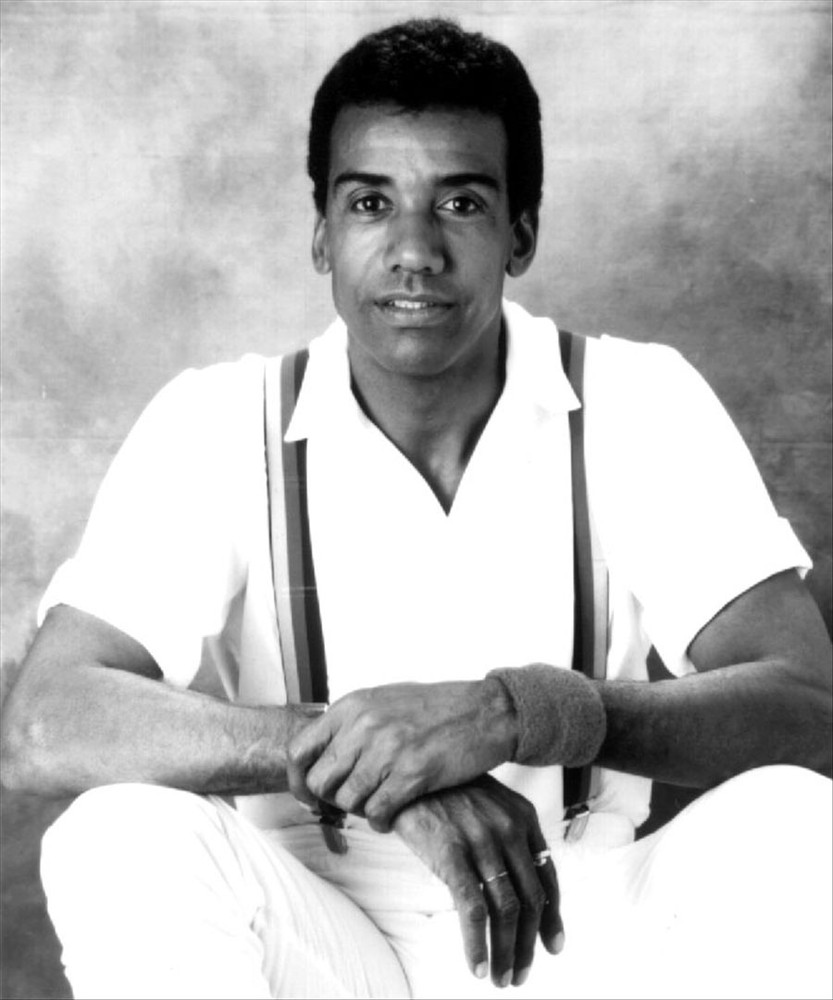
Marcos Valle
1968–1983
·
6 albums
Listen
3
/5
Genres
Deep Funk Ostentacao
Deep funk ostentação is a moody, late‑night variant of São Paulo’s funk ostentação, emphasizing deeper sub‑bass, sparse percussion, and atmospheric pads while retaining the genre’s themes of luxury, status, and upward mobility. Compared with the brighter, EDM‑leaning hits of ostentação in the early 2010s, the “deep” approach strips arrangements down to hypnotic tamborzão grooves, 808 low‑end, and minimal, minor‑key synth motifs. Vocals often sit closer to the beat, with autotune and chant‑like hooks, but the lyrical focus remains on conspicuous consumption (cars, brands, nightlife) filtered through a more introspective, nocturnal aesthetic.
Discover
Listen
Neo-Psicodelia Brasileira
Neo-psicodelia brasileira (Brazilian neo-psychedelia) is a contemporary wave of Brazilian artists who revive and reinvent classic 1960s/70s psychedelic aesthetics through today’s indie-rock, dream-pop, shoegaze, and experimental production. Marked by shimmering guitars drenched in reverb and fuzz, hypnotic grooves that often nod to Brazilian rhythmic DNA (from Tropicália’s eclecticism to samba, baião, and maracatu pulses), and kaleidoscopic synth textures, the style pairs vintage tones with modern bedroom-studio craft. Portuguese lyrics frequently blend surreal imagery with everyday urban poetics, creating a sound that is at once nostalgic and forward-looking. This scene flourished around DIY venues, independent labels, and digital communities across Brazil, with a particularly strong footprint in cities like São Paulo, Goiânia, Belo Horizonte, and Recife. The result is a colorful, exploratory ecosystem that treats psychedelia not as pure retro revival but as a living vocabulary.
Discover
Listen
Channel Pop
Channel pop is a digital-era strain of mainstream pop shaped by video and creator platforms—especially YouTube and later TikTok and Instagram—where artists build audiences through frequent uploads on their own “channels.” Musically it favors intimate, highly polished but close-mic’d vocals, acoustic guitar or piano-led arrangements, restrained beats, and succinct, playlist-friendly structures. Many releases are cover-first (reimagining recent chart hits) with a steady flow of glossy singles, session-style performances, and creator collaborations that gradually blend into original material. Titles, artwork, and release cadence are optimized for search and recommendation algorithms, yielding a sound that is simultaneously personal and platform-aware.
Discover
Listen
Musica Triste Brasileira
Música triste brasileira (Brazilian sad music) is a contemporary, streaming-native umbrella for mellow, downcast Brazilian pop, indie, and rap made to soundtrack heartbreak, solitude, and late‑night introspection. It blends intimate Portuguese‑language songwriting with lo‑fi textures, slow or mid‑tempo trap grooves, and MPB‑style bittersweet harmonies. While it borrows the global aesthetics of bedroom pop and emo‑rap, the genre’s core feeling is distinctly Brazilian: a modern, internet‑age rearticulation of saudade. Acoustic guitars and soft keys often share space with 808s and hazy synth pads; vocals are close‑mic’d, confessional, and drenched in reverb, with melodies that linger on minor/added‑color chords.
Discover
Listen
Italo Beats
Italo beats is a contemporary, club-oriented offshoot of the classic Italian Italo sound, fusing the sleek melodicism of 1980s Italo disco with the punch and polish of modern European dance music. Typical tracks feature four-on-the-floor drums, bright synth leads, rubbery basslines, and hook-forward vocals that lean into romantic or nightlife themes. Rather than being a strict historical movement, Italo beats functions as a modern production style and DJ vernacular that revives Italo’s earworm melodies and neon textures while adopting current mixdown aesthetics (sidechained pads, wider stereo imaging, and festival-ready low end). It thrives in streaming-era dance culture, uniting Italian, Central/Eastern European, and broader EU producers around a recognizable “Italo-flavored” club sound.
Discover
Listen
World
World music is a broad, industry-coined umbrella for traditional, folk, and contemporary popular styles from around the globe that fall outside the Anglo-American pop mainstream. The label emerged in the 1980s as a retail and marketing category to group diverse regional musics for international distribution. Musically, it spans acoustic and electric instrumentation; modal, pentatonic, and microtonal pitch systems; and rhythms ranging from cyclical grooves and polyrhythms to asymmetrical meters. While the term can obscure local specificity, it also facilitated cross-cultural collaboration, festivals, and recordings that brought regional genres to wider audiences.
Discover
Listen
Boogie
Boogie (often called boogie-funk or post-disco) is a mid‑tempo, synth-forward strain of R&B that emerged as disco’s luminous sheen gave way to sleeker, funkier production. It centers on rubbery basslines (often synth-bass), crisp handclaps and clattering drum-machine patterns, jazzy/modern-soul chord voicings, and hook-laden vocals that celebrate nightlife, romance, and empowerment. Typically sitting around 100–115 BPM, boogie blends the rhythmic insistence of funk with disco’s dancefloor sensibility, replacing full orchestras with analog synths, electric pianos, and early drum machines for a glossy yet warm sound.
Discover
Listen
Disco
Disco is a dance-music genre and nightlife subculture that crystallized in the United States during the 1970s, drawing especially from African-American, Italian-American, Latino, and queer club communities. Musically, disco is typified by a steady four-on-the-floor kick drum, syncopated and melodic electric-bass lines, lush string sections, bright brass and horns, electric pianos and synthesizers, and percussive, choppy rhythm guitars. Arrangements often feature orchestral colors, handclaps, congas, and vibraphone or bell textures, all engineered to deliver a continuous, groove-forward experience for the dance floor. The style combines the rich orchestration and romantic sweep of Philadelphia soul with the bottom-end drive of funk and the songcraft of contemporary R&B/pop, delivered in DJ-friendly extended mixes and 12-inch singles designed for club play.
Discover
Listen
Mpb
MPB (Música Popular Brasileira) is a broad Brazilian popular music movement that crystallized in the mid-1960s after bossa nova. It blends samba and other regional rhythms with jazz harmony, singer‑songwriter craft, and elements of contemporary pop and rock. The style is marked by sophisticated melodies, extended harmonies, inventive arrangements, and lyrically rich songs that often use poetry and metaphor. Many classic MPB works balance intimacy (voice and violão/nylon‑string guitar) with lush studio orchestration, drawing from samba‑canção, choro, baião, and frevo while engaging modern influences. Historically, MPB provided a platform for social commentary during Brazil’s military dictatorship, with artists employing allegory to navigate censorship. It remains a living tradition that continually renews itself through new generations (“nova MPB”).
Discover
Listen
Samba Soul
Samba soul is a Brazilian fusion that blends the rhythmic foundation of samba with the harmonies, grooves, and vocal stylings of 1960s and 1970s American soul and R&B. It favors syncopated samba percussion under a backbeat-oriented drum kit, melodic electric bass, jazzy extended chords, and warm horn and Rhodes/organ textures. Emerging in urban centers like Rio de Janeiro and São Paulo, samba soul connected Afro-Brazilian samba traditions with global Black music currents. The result is a danceable yet smooth sound, often romantic, optimistic, and rooted in everyday Brazilian life and identity.
Discover
Listen
Funk
Funk is a rhythm-forward African American popular music style that centers on groove, syncopation, and interlocking parts. Rather than emphasizing complex chord progressions, funk builds tight, repetitive vamps that highlight the rhythm section and create an irresistible dance feel. The genre is marked by syncopated drum patterns, melodic yet percussive bass lines, choppy guitar "chanks," punchy horn stabs, call‑and‑response vocals, and a strong backbeat. Funk’s stripped-down harmony, prominent use of the one (accenting the downbeat), and polyrhythmic layering draw deeply from soul, rhythm and blues, jazz, gospel, and African rhythmic traditions. From James Brown’s late-1960s innovations through the expansive P-Funk universe and the slicker sounds of the 1970s and 1980s, funk has continually evolved while seeding countless other genres, from disco and hip hop to house and modern R&B.
Discover
Listen
Samba-Jazz
Samba‑jazz is a Brazilian small‑combo style that fuses the propulsive, syncopated rhythms of samba with the harmony, form, and improvisational language of modern jazz (especially hard bop and cool jazz). It is typically more energetic and instrumental than bossa nova, emphasizing virtuosic interaction in piano‑trio and quartet/quintet settings. The drumming concept—pioneered by Edison Machado and others—moves the samba pulse to the ride cymbal and hi‑hat ("samba no prato"), while the bass suggests surdo patterns and the piano/guitar supplies rich jazz voicings. Heads are often concise, followed by swinging, straight‑eighth samba grooves under extended improvisations, and a tight return to the theme.
Discover
Listen
Samba-Rock
Samba-rock is a Brazilian dance-music style born in São Paulo that fuses the rhythmic swing of samba with the instrumentation and backbeat of rock, plus strong doses of American soul, funk, and touches of jazz. It keeps samba’s syncopated pulse while shifting the drum feel toward a rock/funk backbeat, adding electric guitar chord stabs, bass grooves, Rhodes or organ, and, often, compact horn lines. More than a studio genre, samba-rock grew out of community dance parties (bailes) in predominantly Black neighborhoods, where DJs and bands blended imported rock ’n’ roll and African‑American records with local samba. The result is a mid‑tempo, highly danceable style with romantic, urban lyrics and an emphasis on groove, swing, and call‑and‑response vocals.
Discover
Listen
Bossa Nova
Bossa nova is a Brazilian popular music style that emerged in Rio de Janeiro in the late 1950s, blending samba’s syncopated pulse with the harmonic sophistication and understated cool of jazz. It is characterized by intimate, almost whispered vocals; a nylon‑string guitar playing the distinctive batida (a gently syncopated, two-beat accompaniment); subtle, brushed percussion; and lush, extended jazz harmonies. The mood is relaxed, refined, and full of saudade—a bittersweet sense of longing—often evoking images of Rio’s beaches, nightclubs, and urban modernity.
Discover
Listen
Brazilian Jazz
Brazilian jazz is the meeting point of Brazilian popular music and North American jazz, blending samba and bossa nova rhythms with jazz harmony, improvisation, and ensemble interaction. The style typically features syncopated Brazilian grooves (samba, bossa, partido‑alto) under extended jazz chord voicings and lyrical melodies. Acoustic guitar or piano often supplies a gently propulsive, off‑beat rhythmic bed, while bass and drums translate samba’s surdo and pandeiro patterns to the jazz rhythm section. Timbres range from intimate (nylon‑string guitar, brushed drum kit, flute) to expansive (full percussion batteries, horns, and electric keys). The overall feel can be both laid‑back and danceable—romantic yet harmonically sophisticated.
Discover
Listen
Jazz
Jazz is an improvisation-centered music tradition that emerged from African American communities in the early 20th century. It blends blues feeling, ragtime syncopation, European harmonic practice, and brass band instrumentation into a flexible, conversational art. Defining features include swing rhythm (a triplet-based pulse), call-and-response phrasing, blue notes, and extended harmonies built on 7ths, 9ths, 11ths, and 13ths. Jazz is as much a way of making music—spontaneous interaction, variation, and personal sound—as it is a set of forms and tunes. Across its history, jazz has continually hybridized, from New Orleans ensembles and big-band swing to bebop, cool and hard bop, modal and free jazz, fusion, and contemporary cross-genre experiments. Its influence permeates global popular and art music.
Discover
Listen
Show all 16 genres
Albums
1983
3
/5
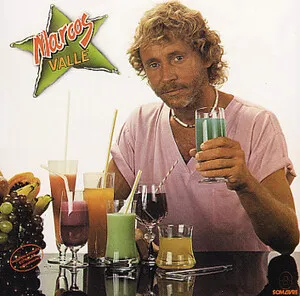
Marcos Valle
Marcos Valle
Boogie
Samba Soul
Samba-Rock
1981
2
/5
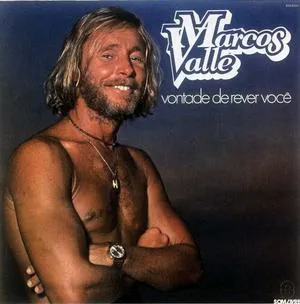
Vontade de rever você
Marcos Valle
Boogie
Disco
1973
1
/5
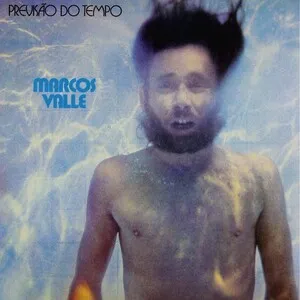
Previsão do tempo
Marcos Valle
Mpb
1971
2
/5
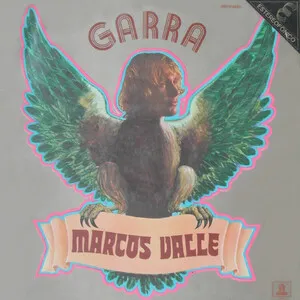
Garra
Marcos Valle
Samba Soul
Samba-Rock
1969
1
/5
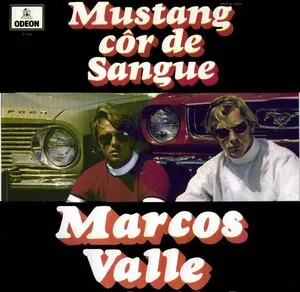
Mustang côr de sangue ou Corcel côr de mel
Marcos Valle
Samba Soul
Samba-Rock
1968
1
/5
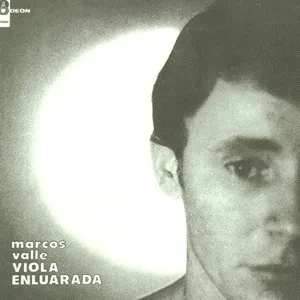
Viola enluarada
Marcos Valle
Samba-Jazz
Similar artists
4
/5
Jorge Ben Jor
Samba
Mpb
Samba-Rock
4
/5
Tim Maia
Mpb
Samba Soul
Samba-Rock
4
/5
Elis Regina
Bossa Nova
Mpb
Samba
3
/5
Elza Soares
Sambalanço
Nova Vanguarda Paulistana
Mpb
3
/5
Sandra De Sá
Boogie
Mpb
Samba
3
/5
Emílio Santiago
Mpb
Samba
Bossa Nova
1
/5
Various Artists
Afro-Funk
Alternative Rock
Ambient
2
/5
Dom Salvador & Abolição
Bossa Nova
Brazilian Jazz
Latin Afrobeat
3
/5
Novos Baianos
Samba-Rock
Mpb
Tropicália
4
/5
Seu Jorge
Samba Soul
Rave Funk
Brazilian Trap
Download our mobile app
Get the Melodigging app and start digging for new genres on the go
Download on the App Store
Get it on Google Play
© 2026 Melodigging
Give feedback
Legal
Melodding was created as a tribute to
Every Noise at Once
, which inspired us to help curious minds keep digging into music's ever-evolving genres.