Genres
Artists
Albums
Make Music
Sign in
Sign in
Artists
Bossa Nova
Artists
Bossa Nova
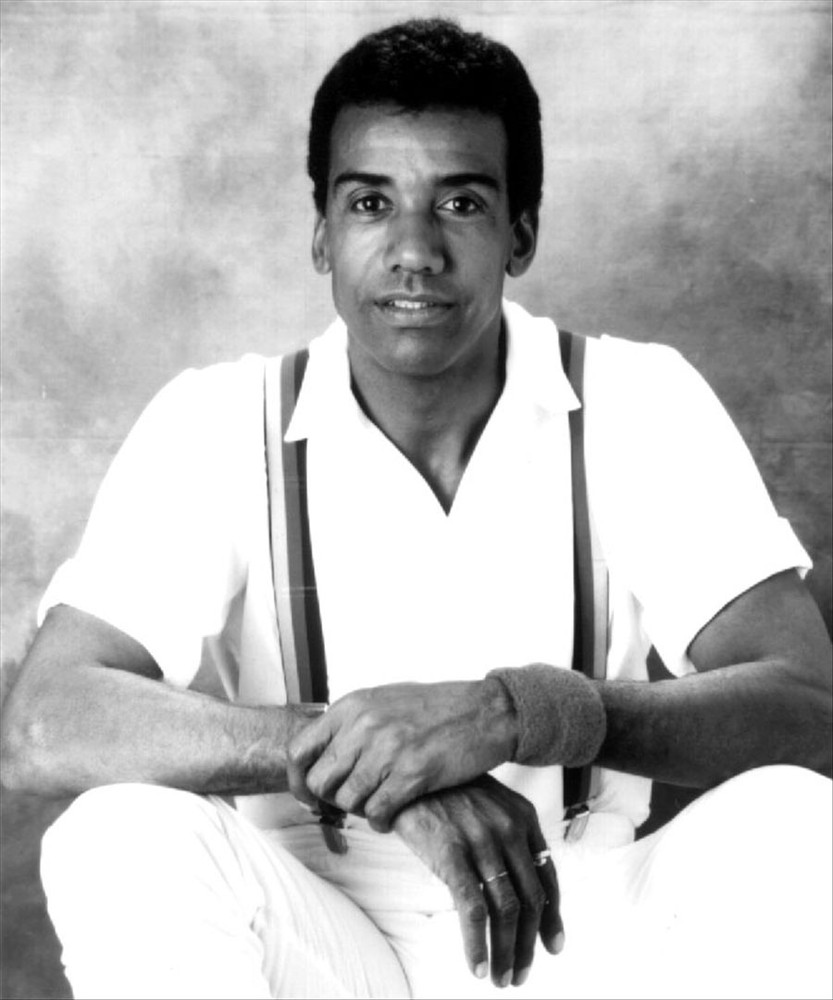
Dom Salvador & Abolição
1971
·
1 album
Listen
2
/5
Genres
Latin Afrobeat
Latin Afrobeat is a contemporary fusion style that welds the polyrhythmic engine of West African Afrobeat with Latin American and Caribbean grooves. It often marries Afrobeat’s interlocking drum kit, shekere, and highlife‑style guitars with salsa/cumbia percussion sections, montuno piano figures, and bold horn arrangements. The result is a dance‑forward, big‑ensemble sound: long vamps, call‑and‑response vocals (frequently in Spanish or Portuguese), syncopated bass ostinati, and brass stabs—recorded with a warm, live, analog aesthetic. While it honors Fela Kuti’s Afrobeat blueprint, it colors that framework with Afro‑Cuban jazz harmony, salsa horn voicings, and coastal Colombia/Brazilian percussion idioms.
Discover
Listen
Lo-Fi Chill
Lo-fi chill is a mellow, downtempo, sample‑driven microgenre that blends the relaxed pace of chillout and downtempo with the dusty textures of lo‑fi recording aesthetics and hip‑hop beatmaking. Typically instrumental, it features swung drum grooves, vinyl crackle, gentle jazz harmonies, tape or cassette saturation, and short loop‑based arrangements designed for background listening, study, or relaxation. The emphasis is on warmth, imperfection, and mood over virtuosity, with subdued melodies, soft bass lines, and minimal dynamic contrasts creating a calming, introspective atmosphere.
Discover
Listen
Funk
Funk is a rhythm-forward African American popular music style that centers on groove, syncopation, and interlocking parts. Rather than emphasizing complex chord progressions, funk builds tight, repetitive vamps that highlight the rhythm section and create an irresistible dance feel. The genre is marked by syncopated drum patterns, melodic yet percussive bass lines, choppy guitar "chanks," punchy horn stabs, call‑and‑response vocals, and a strong backbeat. Funk’s stripped-down harmony, prominent use of the one (accenting the downbeat), and polyrhythmic layering draw deeply from soul, rhythm and blues, jazz, gospel, and African rhythmic traditions. From James Brown’s late-1960s innovations through the expansive P-Funk universe and the slicker sounds of the 1970s and 1980s, funk has continually evolved while seeding countless other genres, from disco and hip hop to house and modern R&B.
Discover
Listen
Mpb
MPB (Música Popular Brasileira) is a broad Brazilian popular music movement that crystallized in the mid-1960s after bossa nova. It blends samba and other regional rhythms with jazz harmony, singer‑songwriter craft, and elements of contemporary pop and rock. The style is marked by sophisticated melodies, extended harmonies, inventive arrangements, and lyrically rich songs that often use poetry and metaphor. Many classic MPB works balance intimacy (voice and violão/nylon‑string guitar) with lush studio orchestration, drawing from samba‑canção, choro, baião, and frevo while engaging modern influences. Historically, MPB provided a platform for social commentary during Brazil’s military dictatorship, with artists employing allegory to navigate censorship. It remains a living tradition that continually renews itself through new generations (“nova MPB”).
Discover
Listen
Samba Soul
Samba soul is a Brazilian fusion that blends the rhythmic foundation of samba with the harmonies, grooves, and vocal stylings of 1960s and 1970s American soul and R&B. It favors syncopated samba percussion under a backbeat-oriented drum kit, melodic electric bass, jazzy extended chords, and warm horn and Rhodes/organ textures. Emerging in urban centers like Rio de Janeiro and São Paulo, samba soul connected Afro-Brazilian samba traditions with global Black music currents. The result is a danceable yet smooth sound, often romantic, optimistic, and rooted in everyday Brazilian life and identity.
Discover
Listen
Bossa Nova
Bossa nova is a Brazilian popular music style that emerged in Rio de Janeiro in the late 1950s, blending samba’s syncopated pulse with the harmonic sophistication and understated cool of jazz. It is characterized by intimate, almost whispered vocals; a nylon‑string guitar playing the distinctive batida (a gently syncopated, two-beat accompaniment); subtle, brushed percussion; and lush, extended jazz harmonies. The mood is relaxed, refined, and full of saudade—a bittersweet sense of longing—often evoking images of Rio’s beaches, nightclubs, and urban modernity.
Discover
Listen
Brazilian Jazz
Brazilian jazz is the meeting point of Brazilian popular music and North American jazz, blending samba and bossa nova rhythms with jazz harmony, improvisation, and ensemble interaction. The style typically features syncopated Brazilian grooves (samba, bossa, partido‑alto) under extended jazz chord voicings and lyrical melodies. Acoustic guitar or piano often supplies a gently propulsive, off‑beat rhythmic bed, while bass and drums translate samba’s surdo and pandeiro patterns to the jazz rhythm section. Timbres range from intimate (nylon‑string guitar, brushed drum kit, flute) to expansive (full percussion batteries, horns, and electric keys). The overall feel can be both laid‑back and danceable—romantic yet harmonically sophisticated.
Discover
Listen
Samba-Rock
Samba-rock is a Brazilian dance-music style born in São Paulo that fuses the rhythmic swing of samba with the instrumentation and backbeat of rock, plus strong doses of American soul, funk, and touches of jazz. It keeps samba’s syncopated pulse while shifting the drum feel toward a rock/funk backbeat, adding electric guitar chord stabs, bass grooves, Rhodes or organ, and, often, compact horn lines. More than a studio genre, samba-rock grew out of community dance parties (bailes) in predominantly Black neighborhoods, where DJs and bands blended imported rock ’n’ roll and African‑American records with local samba. The result is a mid‑tempo, highly danceable style with romantic, urban lyrics and an emphasis on groove, swing, and call‑and‑response vocals.
Discover
Listen
Jazz
Jazz is an improvisation-centered music tradition that emerged from African American communities in the early 20th century. It blends blues feeling, ragtime syncopation, European harmonic practice, and brass band instrumentation into a flexible, conversational art. Defining features include swing rhythm (a triplet-based pulse), call-and-response phrasing, blue notes, and extended harmonies built on 7ths, 9ths, 11ths, and 13ths. Jazz is as much a way of making music—spontaneous interaction, variation, and personal sound—as it is a set of forms and tunes. Across its history, jazz has continually hybridized, from New Orleans ensembles and big-band swing to bebop, cool and hard bop, modal and free jazz, fusion, and contemporary cross-genre experiments. Its influence permeates global popular and art music.
Discover
Listen
Show all 9 genres
Albums
1971
3
/5
Som, sangue e raça
Dom Salvador e Abolição
Samba Soul
Samba-Rock
Funk
Similar artists
4
/5
Jorge Ben Jor
Samba
Mpb
Samba-Rock
3
/5
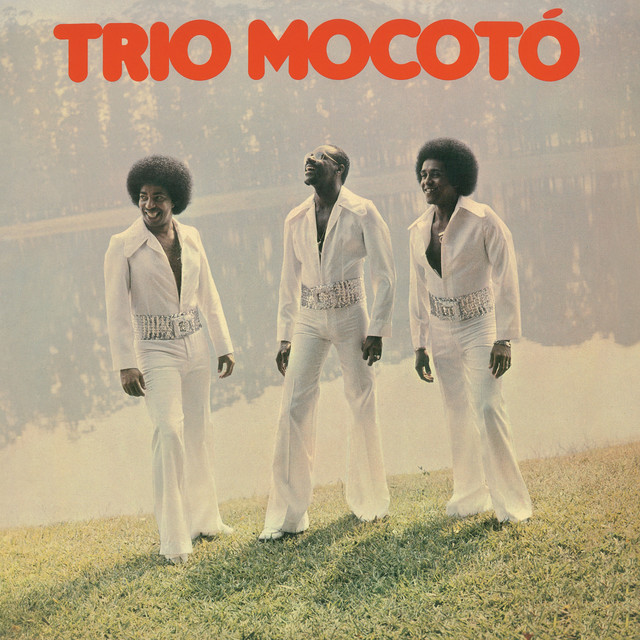
Trio Mocoto
Samba-Rock
Bossa Nova
Brazilian Jazz
4
/5
Gal Costa
Tropicália
Mpb
Brazilian Jazz
1
/5
Various Artists
Afro-Funk
Alternative Rock
Ambient
4
/5
Gilberto Gil
Tropicália
Mpb
Brazilian Jazz
4
/5
Chico Buarque
Mpb
Tropicália
Latin
4
/5
Evinha
Mpb
Bossa Nova
Brazilian Jazz
3
/5
Toco
Bossa Nova
Brazilian Jazz
Latin Afrobeat
3
/5
Claudya
Bossa Nova
Brazilian Jazz
Brazilian Trap
4
/5
Quantic
Electronic
Nu-Cumbia
Downtempo
Download our mobile app
Get the Melodigging app and start digging for new genres on the go
Download on the App Store
Get it on Google Play
© 2026 Melodigging
Give feedback
Legal
Melodding was created as a tribute to
Every Noise at Once
, which inspired us to help curious minds keep digging into music's ever-evolving genres.