Genres
Artists
Albums
Make Music
Sign in
Sign in
Artists
Chamber Music
Artists
Chamber Music
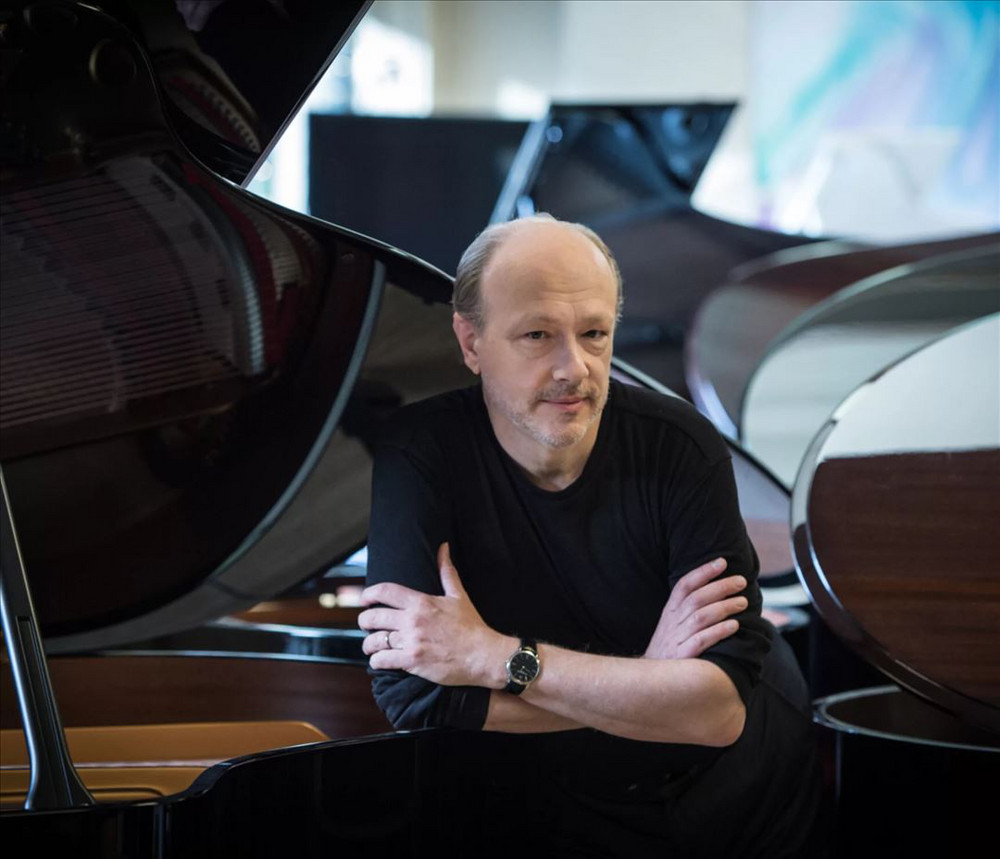
Marc-André Hamelin
1996–2024
·
4 albums
Listen
3
/5
Genres
Connecticut Indie
Connecticut indie is a regional strain of U.S. indie rock that blends the heartfelt directness of emo-revival with the fuzzy guitars, DIY ethics, and adventurous textures of New England’s underground. Rooted in college-town and small-city scenes (Middletown, New Haven, Willimantic, Hartford), the sound swings between twinkly, lyrically confessional indie and louder, shoegaze- or noise-tinged guitar rock. You’ll hear gang-vocal catharsis, transparent production that favors live-room energy, and occasional orchestral or synth flourishes that reflect the area’s art-school and experimental leanings. While it is geographically defined, the micro-scene’s bands networked nationally through house shows, small labels, and online communities, making Connecticut indie both locally grounded and widely connected.
Discover
Listen
Minimalism
Minimalism is a style of Western art music that emerged in the United States during the 1960s, characterized by the use of very limited musical materials, steady pulse, and extensive repetition. Composers often build pieces from short cells or motifs that are repeated and slowly transformed through additive or subtractive processes, phase shifting, and gradual changes in harmony, texture, or register. Harmony is typically consonant (often modal or diatonic), though just intonation and extended drones are also common. The result is music that foregrounds process, clarity, audibility of structure, and a hypnotic sense of stasis and flow. Typical ensembles include keyboards, mallet percussion, strings, winds, voices, and electronics or tape. Minimalism influenced a wide array of later styles, from ambient and new age to post-minimalism and minimal techno.
Discover
Listen
Futurism
Futurism in music was an early 20th‑century avant‑garde movement that sought to break with Romantic and classical conventions by embracing the sounds, energy, and aesthetics of the modern industrial age. Italian Futurists advocated a radical expansion of the musical palette to include machine noise, urban soundscapes, and new instruments designed to produce timbres outside the orchestral norm. Manifestos by figures like Luigi Russolo and Francesco Balilla Pratella argued for music that celebrated speed, technology, and mechanization. Works featured noise orchestras (intonarumori), pounding polyrhythms, harsh dissonances, and quasi-theatrical performance tactics that foregrounded shock, provocation, and immersion.
Discover
Listen
Młoda Polska
Młoda Polska (Young Poland) in music was a Polish modernist movement that flourished around the turn of the 20th century. It bridged late-Romantic expressive language with new coloristic and formal ideas drawn from European modernism. Its composers favored lush orchestration, long-breathed melody, rich chromatic harmony, and programmatic thinking (especially in the symphonic poem), while gradually absorbing impressionistic timbres and national elements. The result is music that can feel simultaneously sensuous and searching—romantically charged yet already stepping toward the 20th century.
Discover
Listen
Moscow School
The Moscow School is a classical performance tradition centered on the Moscow Conservatory and its satellite institutions, renowned especially for its pianism. It is characterized by a singing tone, long-breathed phrasing, structural clarity, and rigorous technique coupled with emotional depth. Although best known for piano, the approach extends to chamber music and orchestral playing: careful voicing, architectural control of large forms, expressive but disciplined rubato, and a rich dynamic palette. Its practitioners balance fidelity to the score with a cultivated cantabile line and a deep, often elegiac lyricism associated with the Russian late-Romantic aesthetic.
Discover
Listen
Classical Piano
Classical piano is the tradition of composing and performing music for the acoustic piano within the Western classical lineage. It emphasizes formal clarity, tonal harmony, contrapuntal writing, and expressive nuance across the full compass of the instrument. Its core repertoire ranges from Classical-era sonatas and variations to Romantic character pieces, études, dances, and 20th-century impressionistic and modernist works. Pianists exploit dynamics, articulation, pedaling, and touch to shape phrases, imitate orchestral textures, and project both intimate lyricism and large-scale drama.
Discover
Listen
Mazurka
The mazurka is a Polish folk dance and musical genre in triple meter, characterized by strong accents on the second or third beat and by distinctive dotted and syncopated rhythms. It originated in the Mazovia region of Poland and became both a social dance and an instrumental idiom. In the 19th century the mazurka moved from village floors to European salons and concert halls, where composers—most famously Frédéric Chopin—transformed it into a refined art-music genre while preserving its rustic rhythmic markers and modal colorings. Today, the mazurka exists as a living folk dance tradition and as a classical piano form, emblematic of Polish musical identity.
Discover
Listen
Chamber Music
Chamber music is a tradition of composed music for small ensembles—typically one player per part—intended for intimate spaces such as courts, salons, and private rooms rather than large public halls. Its aesthetic emphasizes clarity of texture, conversational interplay among parts, and balance without a conductor. Hallmark formations include the string quartet, piano trio, wind quintet, string quintet, and various mixed ensembles. Multi‑movement cycles (often in sonata form) and finely wrought counterpoint are common, ranging from Baroque trio sonatas to Classical string quartets and modern works with expanded timbres and techniques. Because of its scale and transparency, chamber music has long been a proving ground for compositional craft and ensemble musicianship, shaping the core of Western art music from the Baroque through the present.
Discover
Listen
Classical
Classical music is the notated art-music tradition of Europe and its global descendants, characterized by durable forms, carefully codified harmony and counterpoint, and a literate score-based practice. The term “classical” can refer broadly to the entire Western art-music lineage from the Medieval era to today, not just the Classical period (c. 1750s–1820s). It privileges long-form structures (such as symphonies, sonatas, concertos, masses, and operas), functional or modal harmony, thematic development, and timbral nuance across ensembles ranging from solo instruments to full orchestras and choirs. Across centuries, the style evolved from chant and modal polyphony to tonal harmony, and later to post-tonal idioms, while maintaining a shared emphasis on written notation, performance practice, and craft.
Discover
Listen
Western Classical
Western classical is the notated art-music tradition that developed in Europe from medieval Christian chant into the large-scale secular and sacred forms of the Baroque, Classical, Romantic, and modern eras. It is characterized by staff notation, evolving systems of modality and tonality, and forms such as symphony, sonata, concerto, mass, opera, and chamber music. Across its history, Western classical established an extensive theory of harmony and counterpoint, refined orchestration across strings, winds, brass, and percussion, and cultivated performance practices from a cappella chant to full symphonic and operatic forces. Its repertoire, pedagogy, and institutions (conservatories, orchestras, opera houses) made it a global reference point for compositional craft and instrumental technique.
Discover
Listen
Show all 10 genres
Albums
2024
1
/5
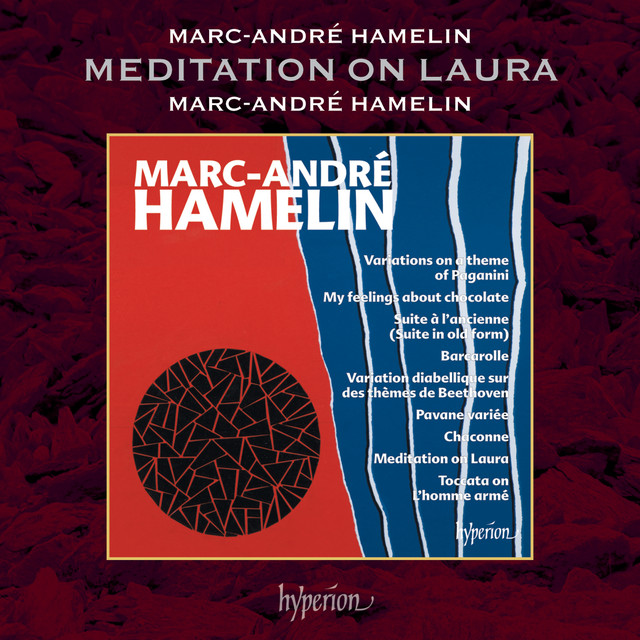
Hamelin: Meditation on Laura
Marc-André Hamelin
Chamber Music
2003
1
/5
The Complete Mazurkas
Karol Szymanowski / Marc-André Hamelin
Mazurka
Młoda Polska
2002
1
/5
Suicide in an Airplane; Danse sauvage; Sonata 8 and Other Piano Music
Leo Ornstein / Marc-André Hamelin
Futurism
1996
2
/5
The Complete Piano Sonatas
Alexander Scriabin Александр Скрябин / Marc-André Hamelin
Moscow School
Similar artists
1
/5
Leo Ornstein
Chamber Music
Classical Piano
Futurism
1
/5
Various Artists
Afro-Funk
Alternative Rock
Ambient
4
/5
Wolfgang Amadeus Mozart
Classical
Requiem
Classical Period
4
/5
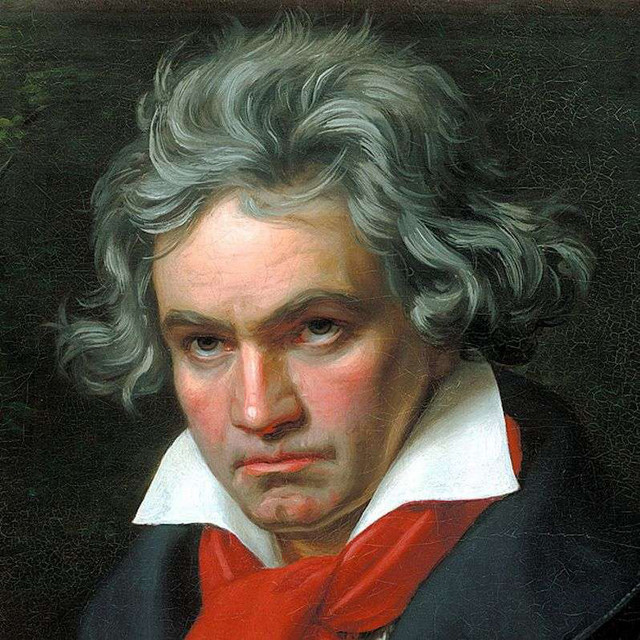
Ludwig van Beethoven
Classical
Classical Period
Romantic Classical
4
/5
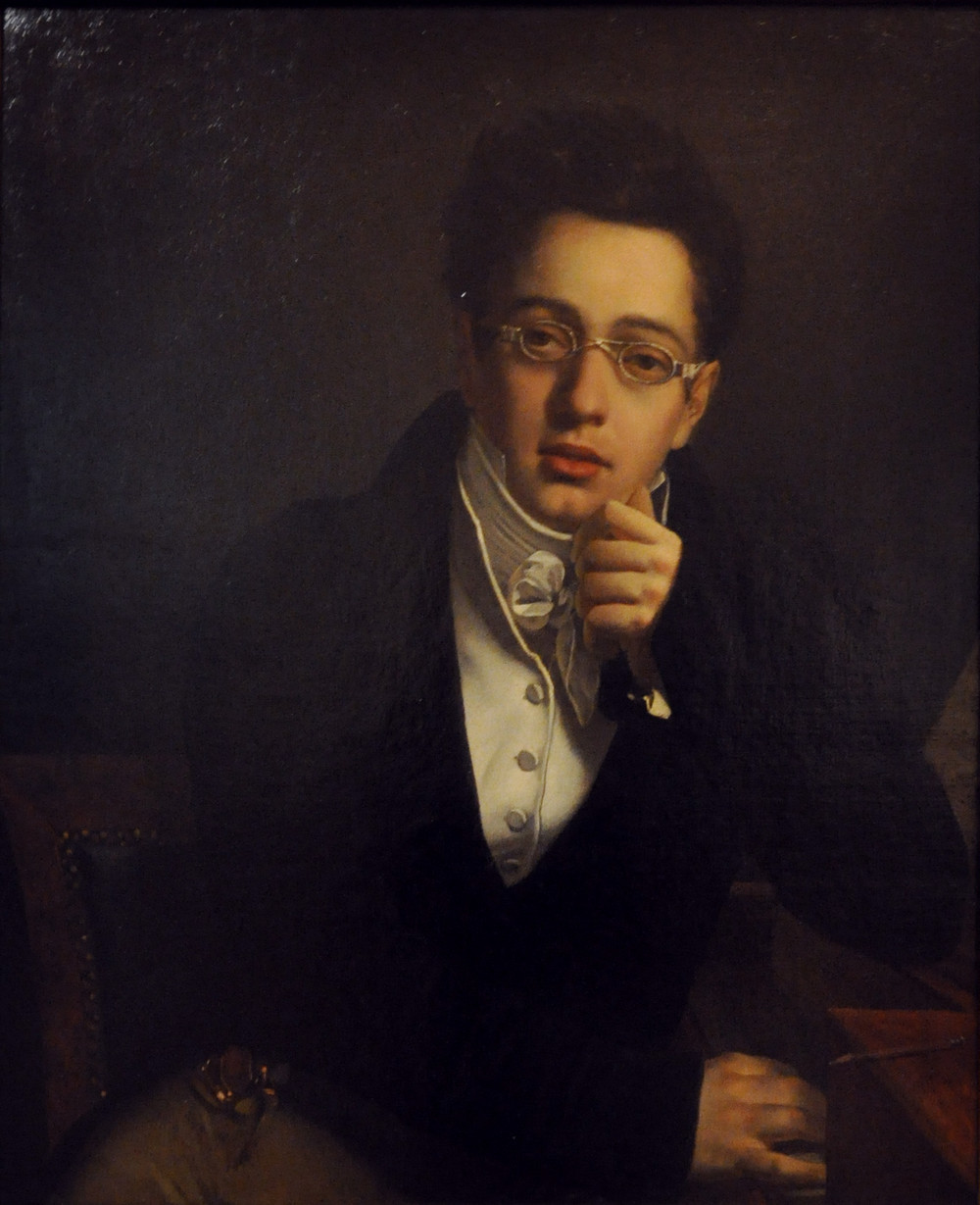
Franz Schubert
Impromptu
Lied
Art Song
4
/5
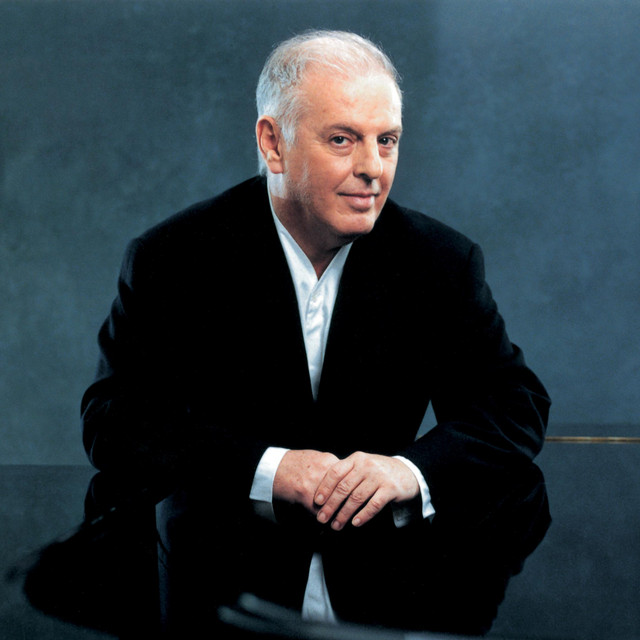
Daniel Barenboim
Impressionism
Classical
Chamber Music
3
/5
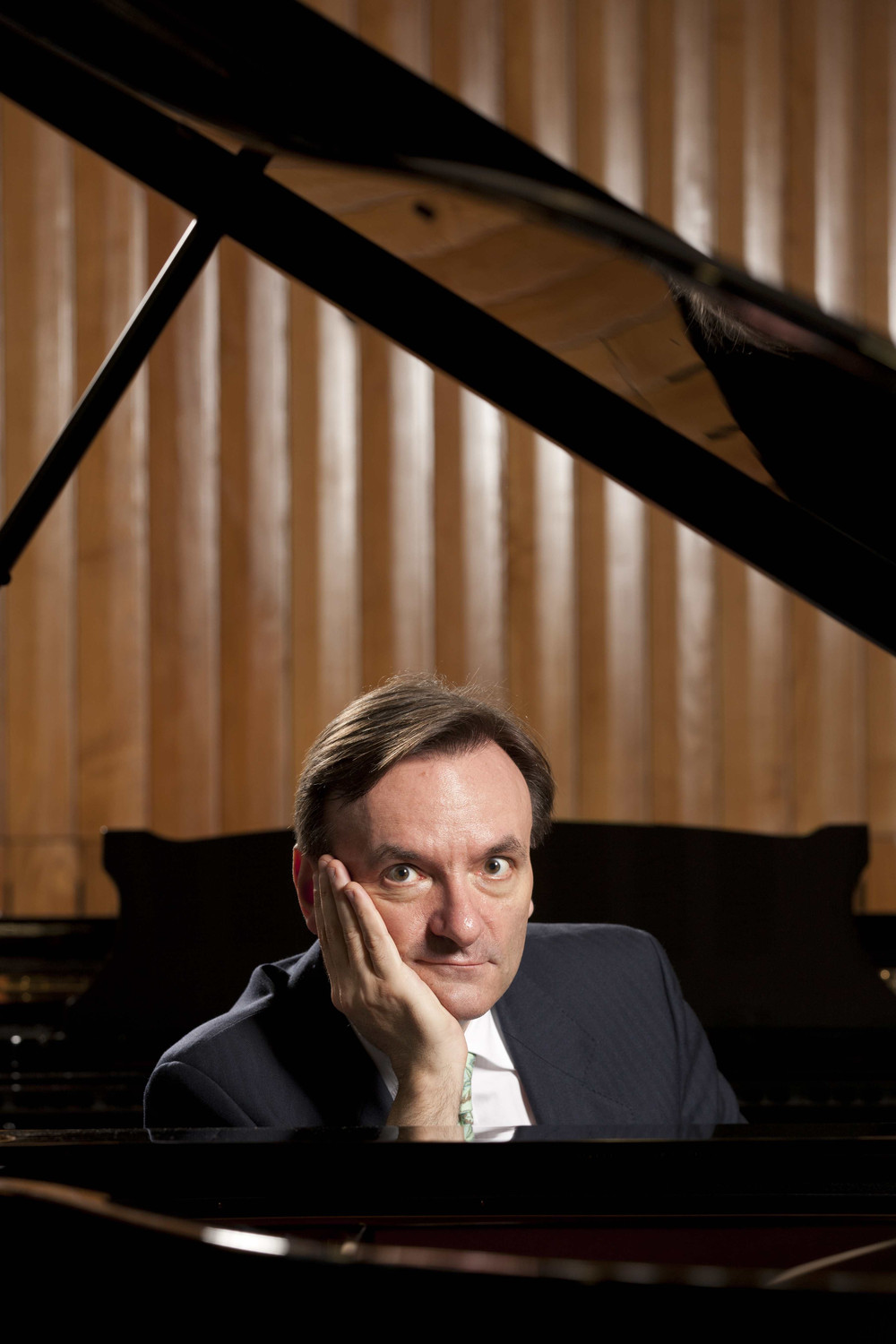
Stephen Hough
Chamber Music
Classical
Classical Piano
3
/5
Maria João Pires
Chamber Music
Classical Performance
Classical
2
/5
Morton Feldman
Chamber Music
Classical
Avant-Garde
1
/5
JACK Quartet
Chamber Music
Avant-Garde
Classical
Download our mobile app
Get the Melodigging app and start digging for new genres on the go
Download on the App Store
Get it on Google Play
© 2026 Melodigging
Give feedback
Legal
Melodding was created as a tribute to
Every Noise at Once
, which inspired us to help curious minds keep digging into music's ever-evolving genres.