Genres
Artists
Albums
Make Music
Sign in
Sign in
Artists
Chamber Music
Artists
Chamber Music
Leo Ornstein
2002–2013
·
4 albums
Listen
1
/5
Genres
Futurism
Futurism in music was an early 20th‑century avant‑garde movement that sought to break with Romantic and classical conventions by embracing the sounds, energy, and aesthetics of the modern industrial age. Italian Futurists advocated a radical expansion of the musical palette to include machine noise, urban soundscapes, and new instruments designed to produce timbres outside the orchestral norm. Manifestos by figures like Luigi Russolo and Francesco Balilla Pratella argued for music that celebrated speed, technology, and mechanization. Works featured noise orchestras (intonarumori), pounding polyrhythms, harsh dissonances, and quasi-theatrical performance tactics that foregrounded shock, provocation, and immersion.
Discover
Listen
Waltz
Waltz is a dance-music genre in triple meter, most commonly in 3/4 time, marked by a strong accent on the first beat and the characteristic “oom–pah–pah” accompaniment (bass note followed by two chords). Emerging from Central European folk dances and adopted by urban salons, the waltz spans both functional dance repertoire and concert pieces for piano or orchestra. Tempos vary by style: the Viennese waltz is fast and flowing, while the slow/English waltz is measured and lyrical. Melodies are typically long-breathed and cantabile, with 8- or 16-bar phrases and frequent modulations to closely related keys. The genre is culturally tied to Vienna and the Habsburg lands, where composers such as the Strausses and Lanner helped codify its form, but it has since permeated ballroom traditions, art music, folk repertoires, film, and popular music worldwide.
Discover
Listen
Classical Piano
Classical piano is the tradition of composing and performing music for the acoustic piano within the Western classical lineage. It emphasizes formal clarity, tonal harmony, contrapuntal writing, and expressive nuance across the full compass of the instrument. Its core repertoire ranges from Classical-era sonatas and variations to Romantic character pieces, études, dances, and 20th-century impressionistic and modernist works. Pianists exploit dynamics, articulation, pedaling, and touch to shape phrases, imitate orchestral textures, and project both intimate lyricism and large-scale drama.
Discover
Listen
Chamber Music
Chamber music is a tradition of composed music for small ensembles—typically one player per part—intended for intimate spaces such as courts, salons, and private rooms rather than large public halls. Its aesthetic emphasizes clarity of texture, conversational interplay among parts, and balance without a conductor. Hallmark formations include the string quartet, piano trio, wind quintet, string quintet, and various mixed ensembles. Multi‑movement cycles (often in sonata form) and finely wrought counterpoint are common, ranging from Baroque trio sonatas to Classical string quartets and modern works with expanded timbres and techniques. Because of its scale and transparency, chamber music has long been a proving ground for compositional craft and ensemble musicianship, shaping the core of Western art music from the Baroque through the present.
Discover
Listen
Classical
Classical music is the notated art-music tradition of Europe and its global descendants, characterized by durable forms, carefully codified harmony and counterpoint, and a literate score-based practice. The term “classical” can refer broadly to the entire Western art-music lineage from the Medieval era to today, not just the Classical period (c. 1750s–1820s). It privileges long-form structures (such as symphonies, sonatas, concertos, masses, and operas), functional or modal harmony, thematic development, and timbral nuance across ensembles ranging from solo instruments to full orchestras and choirs. Across centuries, the style evolved from chant and modal polyphony to tonal harmony, and later to post-tonal idioms, while maintaining a shared emphasis on written notation, performance practice, and craft.
Discover
Listen
Albums
2013
1
/5
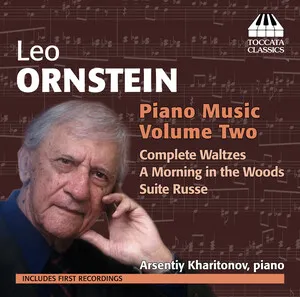
Piano Music, Volume Two
Leo Ornstein / Arsentiy Kharitonov
Waltz
2010
1
/5
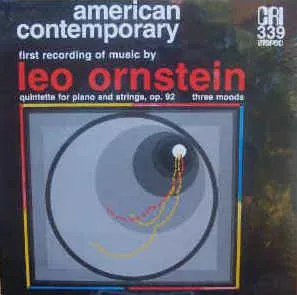
Quintette for Piano and Strings, Op. 92; Three Moods
Leo Ornstein / William Westney
Futurism
2007
1
/5
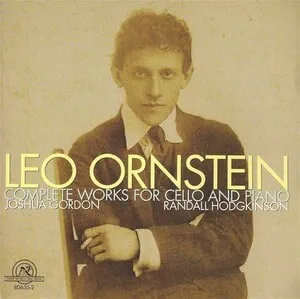
Complete Works for Cello and Piano
Leo Ornstein / Joshua Gordon / Randall Hodgkinson
Chamber Music
Classical
2002
1
/5
Suicide in an Airplane; Danse sauvage; Sonata 8 and Other Piano Music
Leo Ornstein / Marc-André Hamelin
Futurism
Similar artists
3
/5
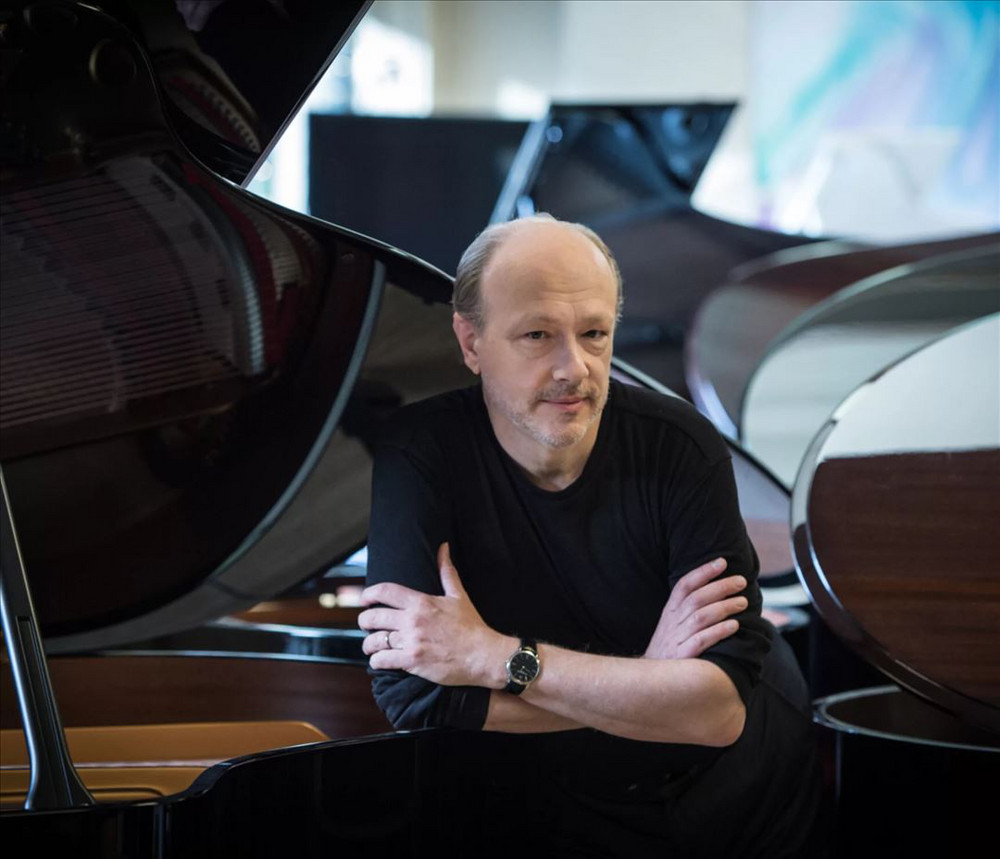
Marc-André Hamelin
Chamber Music
Classical
Classical Piano
4
/5
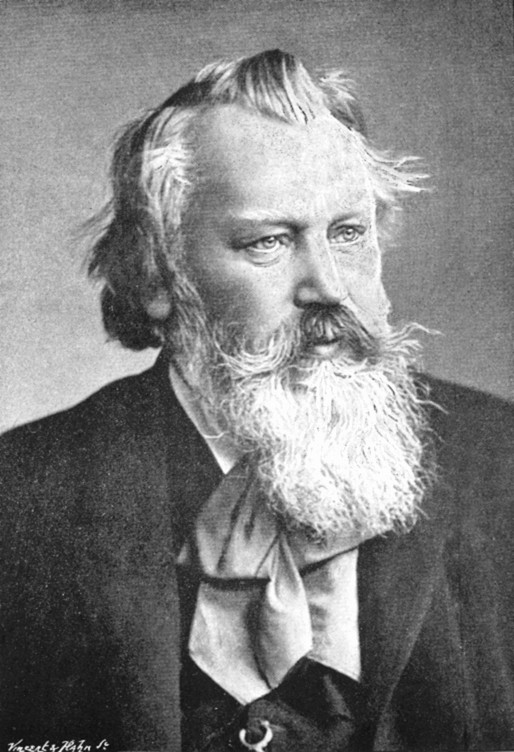
Johannes Brahms
Chamber Music
Classical
Classical Piano
4
/5
Wolfgang Amadeus Mozart
Classical
Requiem
Classical Period
4
/5
Ludwig van Beethoven
Classical
Classical Period
Romantic Classical
4
/5
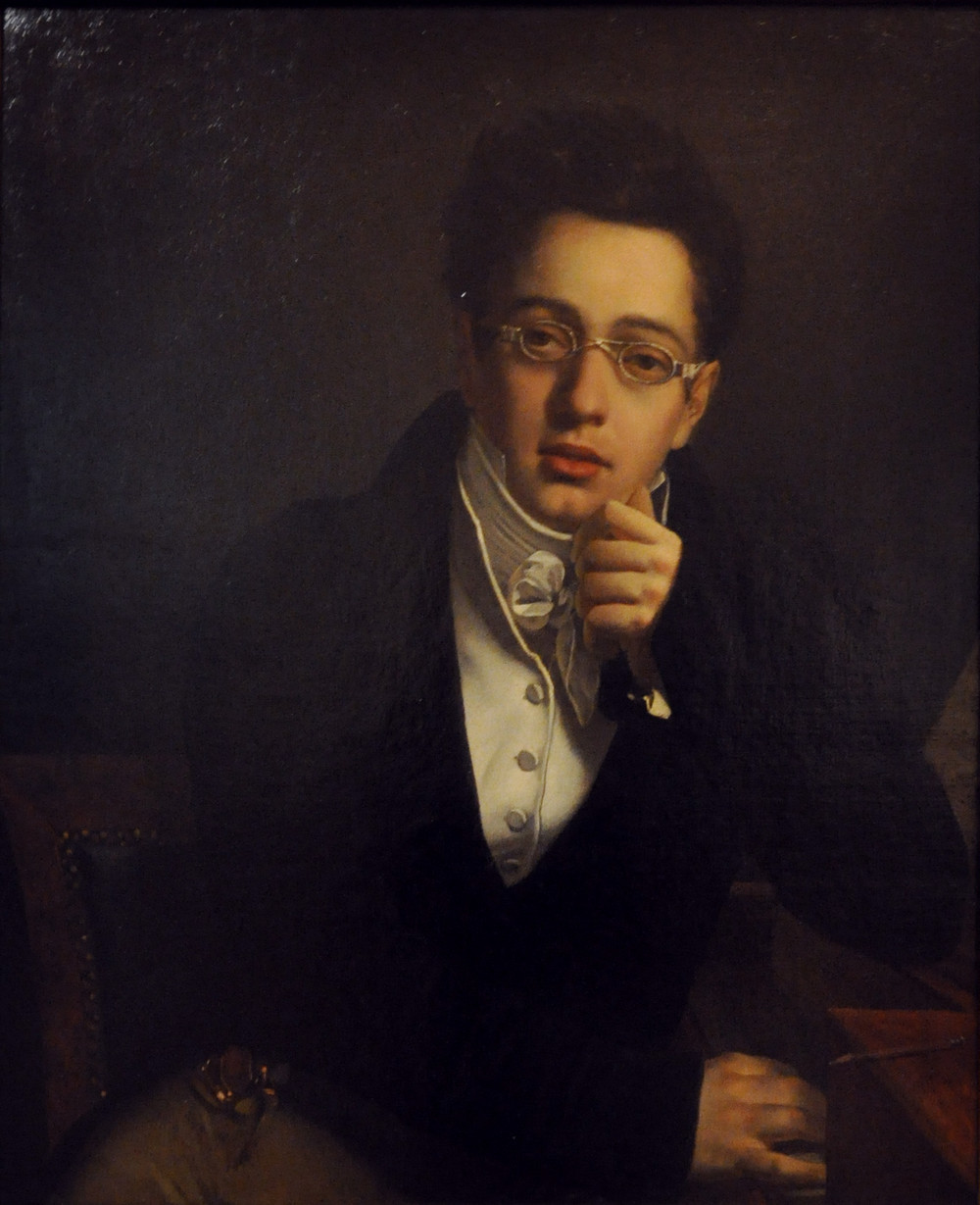
Franz Schubert
Impromptu
Lied
Art Song
4
/5
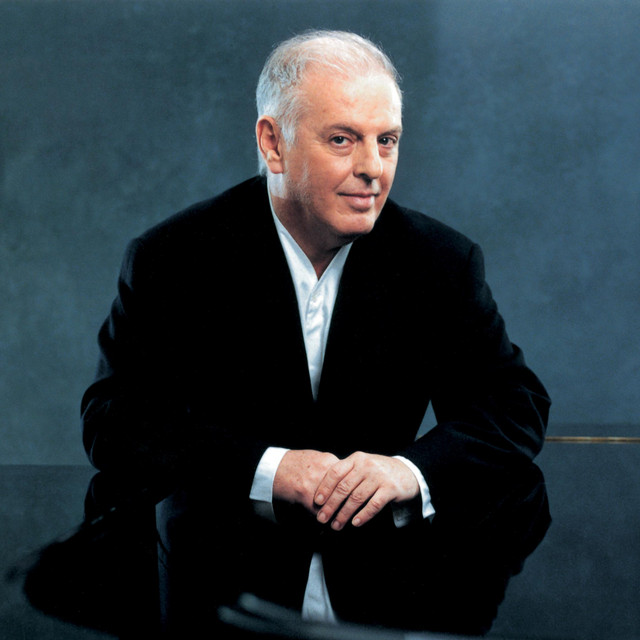
Daniel Barenboim
Impressionism
Classical
Chamber Music
3
/5
Stephen Hough
Chamber Music
Classical
Classical Piano
3
/5
Maria João Pires
Chamber Music
Classical Performance
Classical
4
/5
Dmitri Shostakovich
Classical
Chamber Music
Fugue
1
/5
Various Artists
Afro-Funk
Alternative Rock
Ambient
Download our mobile app
Get the Melodigging app and start digging for new genres on the go
Download on the App Store
Get it on Google Play
© 2026 Melodigging
Give feedback
Legal
Melodding was created as a tribute to
Every Noise at Once
, which inspired us to help curious minds keep digging into music's ever-evolving genres.