Genres
Artists
Albums
Make Music
Sign in
Sign in
Artists
Drum And Bass
Artists
Drum And Bass
Luude
Listen
4
/5
Genres
Stutter House
Stutter house is a contemporary house microgenre defined by the percussive use of chopped and rapidly re-triggered vocal fragments that “stutter” rhythmically over a four-on-the-floor groove. Producers slice a short vocal phrase into tiny grains (often 1/8–1/32 notes), gate or retrigger them in syncopated patterns, and then pitch-, formant-, or time-shift the pieces to create a hook that functions as both melody and rhythm. The style typically runs at 124–130 BPM, pairs a tight, sidechained low-end with crisp tech house drums, and relies on minimalist arrangement so the stuttering vocal lead remains the focal point. It borrows the tactile, loop-centric immediacy of tech house and the glitchy ear-candy of modern EDM while keeping club mixing and dancefloor momentum in mind.
Discover
Listen
Liquid Riddim
Liquid riddim is a melodic, atmospheric strain of riddim dubstep that fuses the sparse, half‑time bounce and call‑and‑response bass writing of riddim with the lush pads, emotive chord progressions, and airy textures of liquid drum and bass. Compared with heavier festival riddim, liquid riddim favors fluid, legato bass timbres, glassy arpeggios, and generous reverb and delay. The result is a sound that remains dance‑floor friendly at 140 BPM yet leans introspective, dreamy, and sentimental, often using water‑like foley, silky supersaw layers, and soft vocal chops to enhance its “liquid” aesthetic.
Discover
Listen
Modern Downshift
Modern downshift is a contemporary, playlist-era microgenre that blends hushed alternative pop and alt‑R&B sensibilities with the spaciousness of downtempo and ambient pop. Songs are typically slow to mid‑tempo, minimal in arrangement, and intimate in vocal delivery—often breathy, close‑miked, and confessional. Production emphasizes warmth and negative space: soft sub‑bass, restrained percussion, reverb‑washed pads or guitars, and gentle saturation that keeps the overall texture velvety and nocturnal. Lyrically, the style skews introspective and late‑night: relationships, vulnerability, quiet self‑reflection, and the emotional afterglow of parties or city drives. The result is music that feels low‑key and cinematic—designed as much for solitary listening as for low‑light social settings.
Discover
Listen
Slap House
Slap house is a pop-leaning strain of deep/house music built around a short, percussive "slap" bass that punches through the mix with aggressive sidechain compression. It typically sits between 118–125 BPM, uses simple minor-key harmony, and places a catchy topline—often a pitched‑down vocal or a cover of a familiar hit—over a sparse, club‑ready groove. The style borrows the weighty low end and rhythmic bounce of Brazilian bass while streamlining arrangements for streaming and radio. Clean four‑on‑the‑floor kicks, clipped claps on 2 and 4, and a tight, syncopated bass riff define the drop, with subtle pads, plucks, and FX in the breakdowns. Its combination of moody harmony, recognizable hooks, and dancefloor impact helped it dominate charts and TikTok/Spotify playlists in the late 2010s and early 2020s.
Discover
Listen
Tearout Brostep
Tearout brostep is a hyper-aggressive strain of brostep that emphasizes violently modulated midrange basses, high-impact drops, and rapid-fire switch‑ups. It typically runs at 140–150 BPM in half‑time, pairing chest‑punching snares with seismic subs and screeching or growling lead basses. Producers lean heavily on advanced wavetable/FMX sound design, serial resampling, multiband distortion, OTT-style compression, and tight sidechaining to create a wall of kinetic, metallic energy. Arrangements often feature cinematic intros, tension‑building risers, and whiplash-inducing call‑and‑response bass phrases designed for headbanging festival crowds.
Discover
Listen
Tropical House
Tropical house is a mellow, melodic offshoot of deep house that blends a four-on-the-floor pulse with sun-soaked timbres like steel drums, marimba, pan flute, and warm acoustic guitar. It typically runs around 100–115 BPM, favors major-key progressions, and foregrounds breezy hooks over heavy drops, making it feel more like a summer pop record than a club banger. Vocals often carry romantic, nostalgic, or escapist themes—beaches, sunsets, and travel—while the production emphasizes soft percussion, sidechained pads, and a smooth, rolling sub. The genre rose to global prominence mid-2010s through hit remixes and crossover singles that brought house aesthetics into mainstream pop radio.
Discover
Listen
Vixa
Vixa is a Polish club-oriented strain of mainstream EDM that blends the swagger of big room house with the bouncy drive of Melbourne bounce and Dutch house. In Poland, “vixa” is also slang for a wild party, and the genre reflects that ethos: hard-hitting kicks, bold supersaw or brass-stab leads, and simple, chantable hooks designed for maximum dancefloor impact. Typically sitting around 128–132 BPM, vixa favors dramatic snare-roll builds, pitch-rising risers, and explosive drops with offbeat bass patterns. DJ edits of pop and regional hits—reworked into high-energy drops—are common, helping the sound dominate Polish club nights and festival stages where it thrives on big, euphoric moments.
Discover
Listen
Hard Drum
Hard drum is a UK-born strain of percussive club music that foregrounds heavy, syncopated drums, sharp transients, and minimal melodic content. Tracks often function as DJ tools: skeletal, high-impact, and designed to generate momentum and tension on the dancefloor. Drawing on UK funky’s swing, grime’s sound-design bite, and Afro-diasporic rhythms (kuduro, batida, gqom), hard drum emphasizes tuned toms, metallic hits, hand percussion, and sub-weighted kicks over sustained chords or vocal leads. The result is a stark, propulsive style that prizes polyrhythms, negative space, and sudden drops as its main dramatic devices.
Discover
Listen
Bass Trap
Bass trap is a high-energy electronic dance music style that merges trap’s halftime hip-hop drum language with festival-scale sound design. It is defined by hard-hitting 808-style sub-bass, punchy snare/clap patterns, rapid hi-hat figures, and aggressive synth or bass “growls” borrowed from modern bass music. Tracks are typically built for big drops and crowd impact, using tension-heavy builds, sudden silences, and explosive low-end releases.
Discover
Listen
Bossbeat
Bossbeat is an internet‑born, high‑octane branch of EDM tailored to evoke the intensity of a video‑game “boss fight.” Producers fuse modern dubstep and trap sound design with melodic, leitmotif‑driven writing borrowed from video game music and film scoring, aiming for cinematic build‑ups and explosive, riff‑like drops. Characteristic features include minor‑key motifs, fast and syncopated percussion, halftime switch‑ups, aggressive bass design (growls, reeses, metallic FM), and hybrid orchestral layers (brass stabs, choirs, epic drums). The result is music that feels both dance‑floor ready and narratively dramatic—perfect for action montages, game content, and creator culture.
Discover
Listen
Fake
“Fake” is an informal, streaming-era genre tag used for sound‑alike covers, karaoke takes, tribute recordings, and generic instrumental remakes that closely mimic current or classic hits. Rather than foregrounding the original songwriter’s concept, these recordings prioritize recognizability, search optimization, and fast turnaround. Session singers and studio players reproduce the hook, tempo, and arrangement with minimal reinterpretation; track and artist names often echo the original title or lyrical catchphrase to capture search traffic.
Discover
Listen
Speedrun
Speedrun is a gaming-adjacent EDM microgenre designed for adrenaline, focus, and momentum. It blends hyper-energetic drops with catchy, game-like melodies and rapid switch‑ups that mirror the pace and tension of timed gameplay. Typically sitting between 140–175+ BPM, the style pivots between half‑time dubstep weight, electro/complextro riffing, glitchy fills, and drum & bass acceleration. Producers favor bright, synthetic leads (often with chiptune flourishes), tightly sidechained supersaws, and animated bass design that stays clean and punchy for streaming. The mood is triumphant, high‑octane, and “level‑up” cinematic—made to keep speedrunners and viewers locked in.
Discover
Listen
Big Room House
Big room house is a festival-focused strain of EDM built for massive sound systems and outdoor main stages. It typically runs around 126–132 BPM (most commonly 128), uses four-on-the-floor kick patterns, and features huge, simple lead riffs designed to be instantly memorable to large crowds. A defining trait is the contrast between cinematic, reverb-washed breakdowns and ultra-dry, percussive drops driven by a powerful kick, sub, and a few bold supersaw or horn-like synth stabs. Arrangements lean on dramatic builds with snare rolls, risers, and crowd-hyping vocal chops, culminating in drops that emphasize impact over harmonic complexity.
Discover
Listen
Dubstep Product
Dubstep product is a production/library music take on dubstep tailored for sync: trailers, esports broadcasts, gaming content, advertising, influencer videos, and broadcast bumpers. It takes the sound design, half‑time groove, and drop‑centric structures of UK/US dubstep (including brostep/tearout variants) and packages them into edit‑friendly cues with clean hit points, sting endings, alternate mixes, stems, and duration cuts (15/30/60 seconds). The result balances maximalist bass design with practical considerations for dialogue, sound effects, and branding overlays. Compared with club‑oriented dubstep, dubstep product favors punchy, readable arrangements, cinematic impacts, and clearly marked builds/drops that translate across headphones, TV speakers, and mobile devices.
Discover
Listen
Dakke Dak
Dakke Dak (also spelled Dakkedak) is a Danish electronic dance music subgenre and slang term that emerged as a distinct cultural phenomenon in the 2010s. Musically, it is a high-energy fusion of various hard dance styles, primarily drawing from Psytrance, Hardstyle, Melbourne Bounce, and Hands Up techno. The name is an onomatopoeia mimicking the rapid, pounding "dak-dak-dak" sound of the heavy basslines and kick drums characteristic of the genre. It is strongly associated with provincial Danish youth culture, "tramper" (stomping) dance styles, car audio culture, and parties in rural or suburban areas. The lyrics are almost exclusively in Danish, often humorous, hedonistic, and centered around drinking, partying, and local identity.
Discover
Listen
Edm
EDM (Electronic Dance Music) refers to the mainstream, festival-oriented wave of electronic dance styles that rose to global prominence in the early 2010s. It emphasizes high-energy drops, ear-catching toplines, and crowd-pleasing arrangements designed for large stages and mass audiences. Musically, EDM typically sits around 124–130 BPM with a strong four-on-the-floor kick, wide supersaw leads, bright plucks, and heavily sidechained pads and basses for a pumping feel. Tracks are structured around tension-and-release: intros and builds lead to explosive drops, followed by breakdowns that rebuild energy. Vocals and pop-style songwriting frequently appear, enabling crossover success on radio and streaming platforms.
Discover
Listen
Festival Trap
Festival trap is a high‑energy, mainstage‑oriented branch of EDM trap that translates hip‑hop‑rooted 808 rhythms into oversized, stadium‑scale drops. It pairs halftime drum patterns at 70/140 BPM with big‑room buildups, supersaw and brass stabs, sirens/air‑horns, and chantable vocal chops engineered for crowd participation. Compared with classic hip‑hop trap it is brighter, louder, and more bombastic; compared with big room house or dubstep it retains a halftime groove with rolling hi‑hats and sub‑heavy 808s. Typical drops use dramatic snare rolls and risers into a silence‑then‑impact hit, followed by call‑and‑response riffs designed to move festival crowds.
Discover
Listen
Hybrid Trap
Hybrid trap is an EDM subgenre that fuses Southern hip hop–derived trap rhythms and 808 low end with the sound-design intensity and drop-centric structure of dubstep and electro house. It typically runs at 75/150 BPM in a halftime feel, features skittering hi-hats and snare/clap hits on beat three, and pairs punchy 808 kick–sub combos with midrange growls, reese basses, screeches, and cinematic brass stabs. Producers lean heavily on modern synthesis, resampling, and aggressive processing (distortion, multiband compression, OTT) to craft dynamic, call-and-response drops suited to festival stages. Compared with “classic” EDM trap, hybrid trap places greater emphasis on dubstep-like bass design, complex fills, and theatrical builds, while retaining trap’s swaggering grooves and minimalistic, percussive motifs.
Discover
Listen
Nightrun
Nightrun is a synthwave-adjacent microgenre built for the sensation of cruising through a neon-lit city at night. It blends retro-’80s analog synth timbres, melodramatic minor-key harmonies, and steady four-on-the-floor or motorik grooves with a glossy, cinematic finish. Compared to broader synthwave, nightrun tends to be slightly leaner and more driving: pulsing bass arpeggios, gated snares, and shimmering pads frame soaring lead melodies that evoke nocturnal highways, sodium lights, and distant horizons. Tempos typically sit in the midtempo range (about 85–110 BPM), with arrangements that rise and fall like a night drive—quiet intros, long cruising sections, and cathartic choruses. Aesthetically, it borrows the neon futurism of 1980s action and thriller soundtracks, while adopting modern production sheen and sidechain pumping. The result is danceable yet reflective electronic music tailored to late-night motion and nostalgic escapism.
Discover
Listen
Uk Jackin
UK jackin is a bass-forward strain of house and UK garage that emerged in the UK during the early 2010s. It blends the swing and shuffle of garage with the chunky, percussive drive of house, emphasizing rubbery low‑end riffs, organ stabs, and chopped R&B or soul vocals. Compared with classic Chicago jackin’ house, the UK variant is darker and punchier, drawing heavily from bassline and UK bass aesthetics. Tracks typically sit around 124–130 BPM, use swung drums and syncopated bass patterns, and are arranged with DJ‑friendly intros, tension‑building breakdowns, and emphatic drops.
Discover
Listen
Vapor Twitch
Vapor twitch is a glossy, internet-born strain of indie electronic that fuses the dreamy nostalgia of vaporwave and chillwave with the punchy, "twitchy" rhythms of trap-leaning future bass. Expect airy pads, pastel synth palettes, chopped-and-pitched vocal bits, and sidechained chords that "breathe" against half-time 808 drums. Where vaporwave leans into looped détournement, vapor twitch favors original songwriting and drop-centric arrangements, keeping the vapor-era wistfulness but aiming for a more kinetic, festival-ready glow.
Discover
Listen
Drum And Bass
Drum and bass (DnB) is a fast, rhythmically intricate form of electronic dance music centered on breakbeats at roughly 160–180 BPM and powerful, sub‑heavy basslines. It grew out of the UK’s early ’90s rave and jungle scenes, combining chopped funk breaks (most famously the Amen break), dub and reggae sound‑system aesthetics, hip‑hop sampling, and techno’s futurist sound design. Across its many substyles—liquid funk’s soulful harmonies, techstep and neurofunk’s cold, machine‑like bass engineering, jump‑up’s hooky bass riffs, atmospheric DnB’s pads and space—drum and bass remains a DJ‑oriented, dancefloor‑driven genre that prizes tight drum programming, deep low end, and precise arrangement for mixing.
Discover
Listen
Breakbeat
Breakbeat is a broad branch of electronic music defined by its use of broken, syncopated drum patterns ("breakbeats") rather than straight four-on-the-floor rhythms. Producers typically build tracks from looped and chopped drum breaks—often sampled from vintage funk, jazz, and R&B recordings—layered with basslines, synths, and effects. As both a production technique and a stylistic umbrella, breakbeat underpins and intersects with many scenes: from old‑school hip‑hop turntablism and electro to the UK rave continuum (breakbeat hardcore, big beat, Florida breaks) and onward to garage-derived styles. While not synonymous with jungle and drum & bass, the same culture of sampling and chopping classic breaks (e.g., the Amen break) helped inform those genres as well.
Discover
Listen
Electronic
Electronic is a broad umbrella genre defined by the primary use of electronically generated or electronically processed sound. It encompasses music made with synthesizers, drum machines, samplers, computers, and studio/tape techniques, as well as electroacoustic manipulation of recorded or synthetic sources. The genre ranges from academic and experimental traditions to popular and dance-oriented forms. While its sonic palette is rooted in electricity and circuitry, its aesthetics span minimal and textural explorations, structured song forms, and beat-driven club permutations. Electronic emphasizes sound design, timbre, and studio-as-instrument practices as much as melody and harmony.
Discover
Listen
Show all 24 genres
Similar artists
5
/5
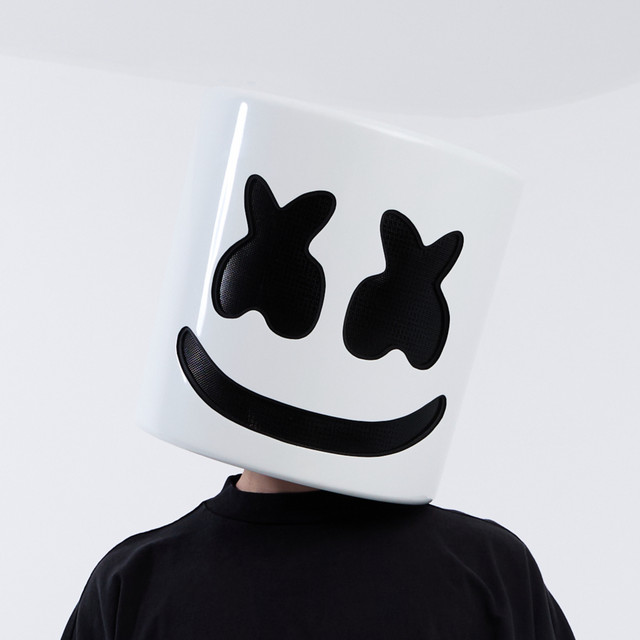
Marshmello
Edm
Electronic
Brostep
5
/5
Tiësto
Dance
Trance
Brostep
5
/5
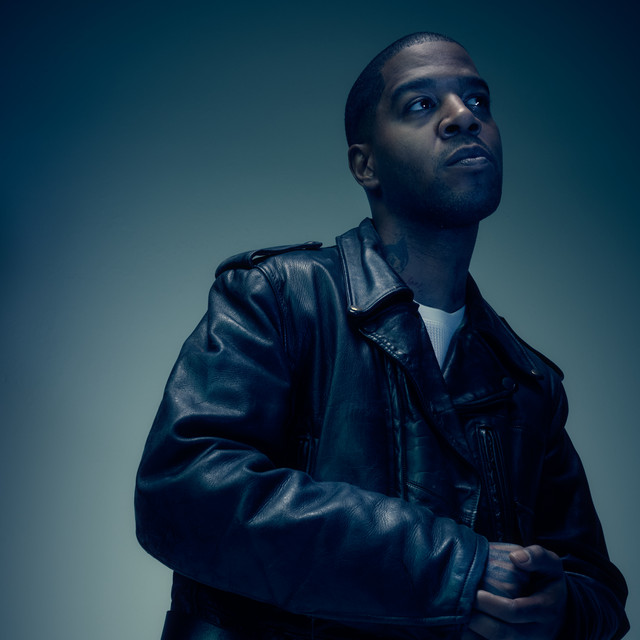
Kid Cudi
Pop Rap
Hip Hop
Stoner Rap
4
/5
Alok
Brazilian Bass
Electronic
Electro House
4
/5
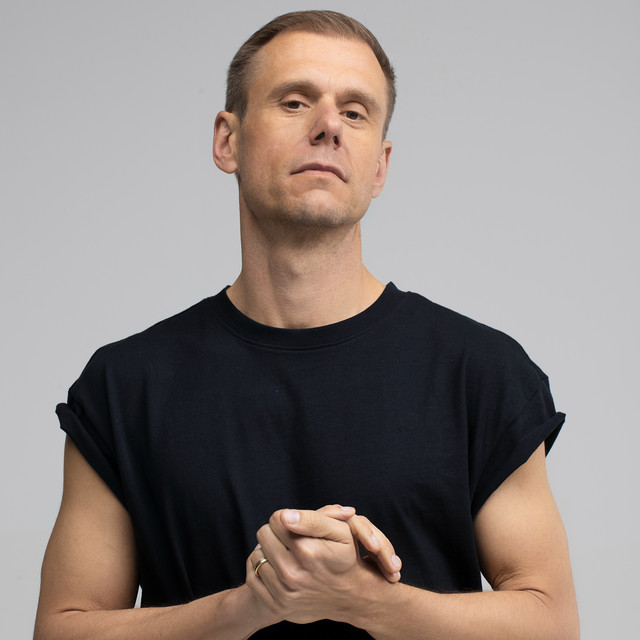
Armin van Buuren
Progressive Trance
Trance
Dutch House
4
/5
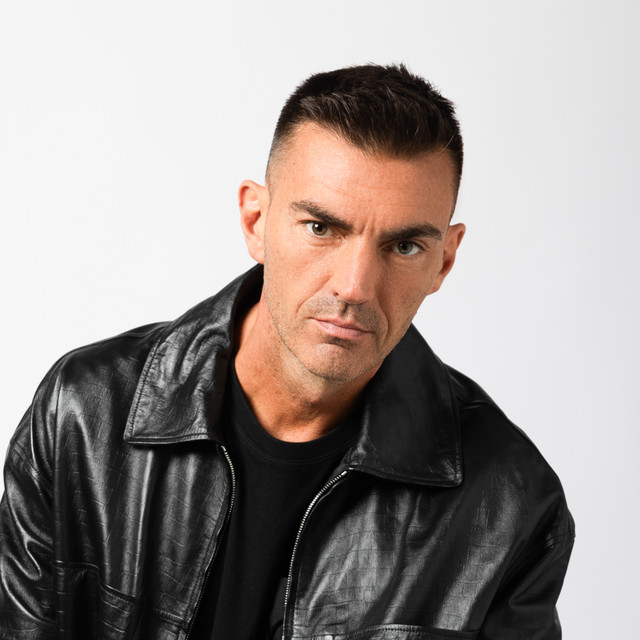
Gabry Ponte
Italo Dance
Eurodance
Slap House
4
/5
felix jaehn
German Dance
Tropical House
Future House
4
/5
INNA
Europop
Electronic
Tropical House
4
/5
Kim Petras
Transpop
Dance-Pop
Electropop
4
/5
Elley Duhé
Alt Z
Chill Pop
Covertronica
Download our mobile app
Get the Melodigging app and start digging for new genres on the go
Download on the App Store
Get it on Google Play
© 2026 Melodigging
Give feedback
Legal
Melodding was created as a tribute to
Every Noise at Once
, which inspired us to help curious minds keep digging into music's ever-evolving genres.