Your digging level

For this genre
0/8
🏆
Sign in, then listen to this genre to level up

Description

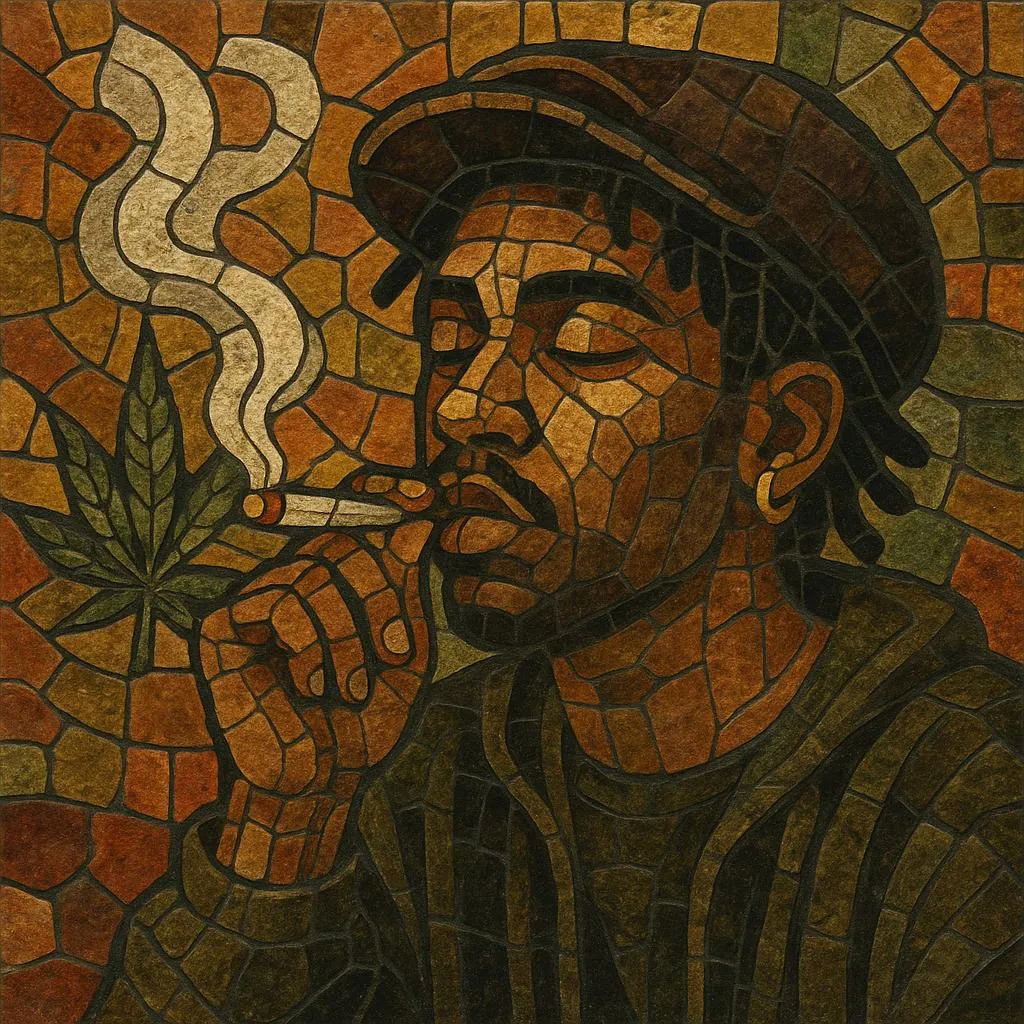
Stoner rap is a hip hop style defined by cannabis-centric themes and an unhurried, laid-back delivery.

The production typically favors mellow grooves, warm bass, and hazy textures (often drawing from funk, G-funk, and downtempo aesthetics), creating a relaxed backdrop for lyrics about smoking, stoner humor, and day-to-day leisure.

Compared with more aggressive rap subgenres, stoner rap usually emphasizes smooth cadences, conversational rhyme patterns, and an overall “smoke session” atmosphere.


Sources: Spotify, Wikipedia, Discogs, Rate Your Music, MusicBrainz, and other online sources

History

Roots (1990s)

Stoner rap emerged in the 1990s as cannabis themes—already present in hip hop—became central rather than occasional. West Coast rap and G-funk aesthetics (elastic basslines, bright synths, funk samples) helped establish a sunny, relaxed sound that paired naturally with stoner culture.

Expansion (2000s)

In the 2000s, the style broadened. Southern rap and Houston’s chopped-and-screwed approach contributed slower tempos and syrupy atmospheres, while underground scenes reinforced the “session music” vibe: music meant to play while hanging out and smoking.

Modern era (2010s–present)

In the streaming era, stoner rap became more diffuse and playlist-driven, overlapping with mellow trap, cloud rap, lo-fi hip hop, and other “chill” hip hop currents. Cannabis legalization and mainstream normalization of stoner culture also made the lyrical themes more commercially common, even as the core sound remained relaxed and hazy.


How to make a track in this genre

Tempo & groove
•   Aim for a relaxed pocket, commonly around 70–95 BPM (or double-time 140–190 with half-time drums). •   Use swung or slightly behind-the-beat rhythms to keep the feel unhurried.
Drums & rhythm programming
•   Favor steady, head-nod patterns over busy fills. •   Use soft or rounded kicks, crisp-but-not-harsh snares/claps, and tasteful hi-hat movement (subtle rolls rather than relentless stutters). •   Consider dub-inspired delays or roomy reverbs sparingly to create a “haze.”
Harmony & melodic language
•   Keep chord progressions simple and loop-friendly (minor-key vamps, dominant 7th funk colors, or modal grooves). •   Use warm synth pads, electric piano, or guitar riffs to create an inviting texture. •   Bass is crucial: write a thick, smooth sub-bass line that carries the groove without sounding aggressive.
Sound design & texture
•   Build “smoky” ambience with vinyl noise, tape saturation, gentle phaser/chorus, and filtered samples. •   Funk and G-funk-inspired leads (whiny synths, talkbox-style timbres) work well, but keep them mellow.
Vocals, flow, and delivery
•   Use a laid-back flow: slightly behind the beat, conversational cadence, and clear enunciation. •   Stacking light doubles and using subtle reverb/delay can add a dreamy, hazy feel.
Lyrics & themes
•   Center cannabis and stoner culture: smoking rituals, humor, relaxation, social sessions, food cravings, and everyday storytelling. •   Maintain an easygoing tone; even braggadocio is usually playful rather than confrontational.
Arrangement
•   Keep structures simple (hook-verse cycles) with gradual texture changes. •   Add short instrumental breaks for a “session” feel, and avoid overly abrupt transitions.

Top tracks

Locked
Share your favorite track to unlock other users’ top tracks
Influenced by
Has influenced
Challenges
Digger Battle
Let's see who can find the best track in this genre
© 2026 Melodigging
Melodding was created as a tribute to Every Noise at Once, which inspired us to help curious minds keep digging into music's ever-evolving genres.
Buy me a coffee for Melodigging