Genres
Artists
Albums
Make Music
Sign in
Sign in
Artists
Chamber Music
Artists
Chamber Music
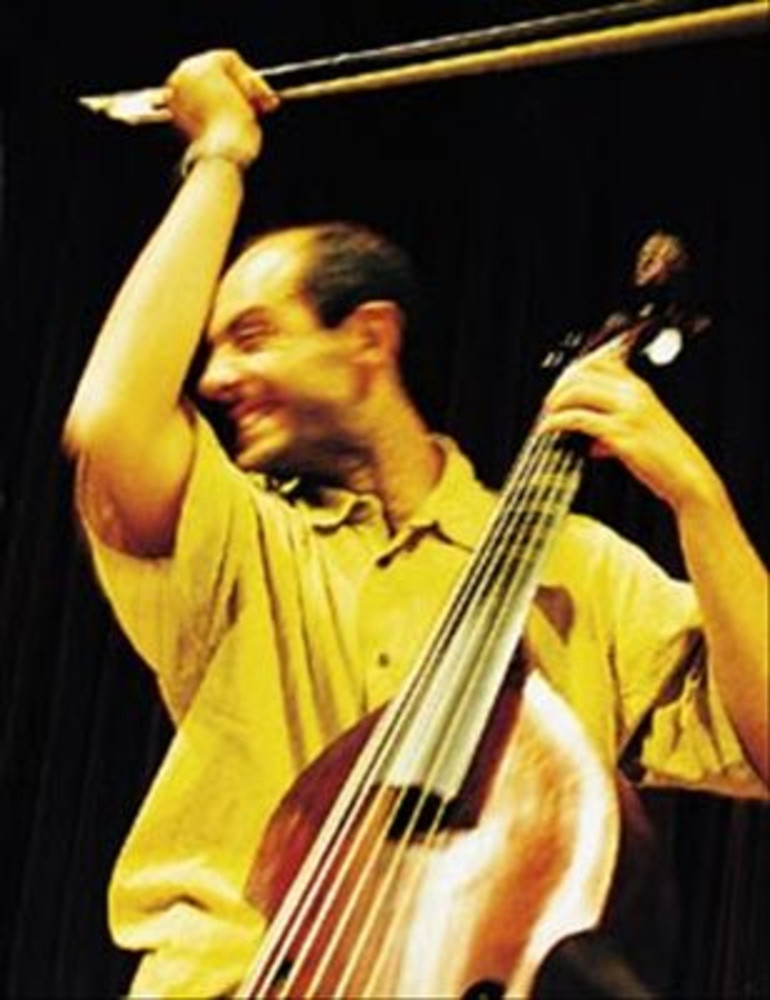
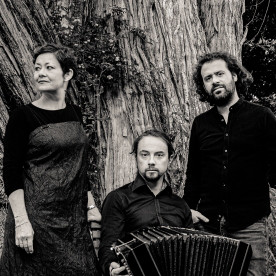
Luca Pianca
2015–2020
·
2 albums
Listen
2
/5
Genres
Classical Mandolin
Classical mandolin refers to the Western art‑music tradition of writing for and performing on the mandolin, from the Baroque and Classical eras through the Romantic period and into the contemporary concert repertoire. Centered originally in 18th‑century Naples, the tradition includes solo sonatas, concerti, chamber music with continuo, and later Romantic character pieces and virtuoso showpieces. Typical textures rely on the mandolin’s bright, bell‑like attack and sustained tremolo to emulate a singing line, supported by functional tonal harmony. Across the 19th and early 20th centuries the instrument also fostered large mandolin orchestras (plectrum ensembles), a pedagogical literature, and a distinctive performance practice that remains active today both in historically informed performance and in new commissions.
Discover
Listen
Chamber Music
Chamber music is a tradition of composed music for small ensembles—typically one player per part—intended for intimate spaces such as courts, salons, and private rooms rather than large public halls. Its aesthetic emphasizes clarity of texture, conversational interplay among parts, and balance without a conductor. Hallmark formations include the string quartet, piano trio, wind quintet, string quintet, and various mixed ensembles. Multi‑movement cycles (often in sonata form) and finely wrought counterpoint are common, ranging from Baroque trio sonatas to Classical string quartets and modern works with expanded timbres and techniques. Because of its scale and transparency, chamber music has long been a proving ground for compositional craft and ensemble musicianship, shaping the core of Western art music from the Baroque through the present.
Discover
Listen
Viola Da Gamba
Viola da gamba refers both to a family of bowed, fretted, gut‑strung instruments held between the legs and to the repertoire and performance practice that grew around them. Emerging in late 15th‑century Spain and flourishing across Renaissance and Baroque Europe, gamba music spans intimate solo works, expressive duos, and rich consort textures. Its tone is subtle, vocal, and nuanced—ideal for contrapuntal lines, divisions (ornamented variations), and dance‑derived forms. Typical features include modal and early tonal harmony, contrapuntal writing, elaborate ornamentation, and a refined, inward character suited to courtly and domestic music-making.
Discover
Listen
Albums
2020
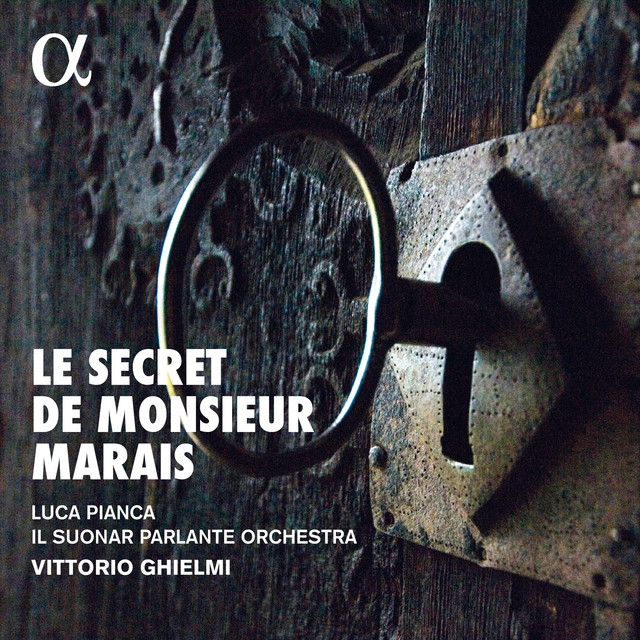
Le secret de Monsieur Marais
Marin Marais, Luca Pianca, Il Suonar Parlante Orchestra, Vittorio Ghielmi
Viola Da Gamba
2015
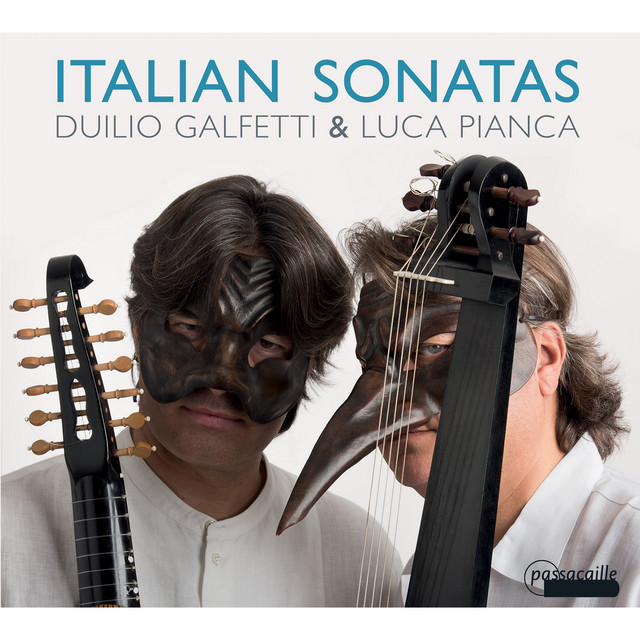
Italian Sonatas for Mandoline
Duilio Galfetti, Luca Pianca
Classical Mandolin
Similar artists
4
/5
Johann Sebastian Bach
Baroque
Classical
Baroque Suite
3
/5
Arcangelo Corelli
Baroque
Baroque Violin
Classical
2
/5
Paolo Pandolfo
Baroque
Chamber Music
Renaissance
2
/5
François Joubert-Caillet
Chamber Music
Baroque Ensemble
Early Music Ensemble
2
/5
L'Achéron
Chamber Music
Requiem
Baroque Ensemble
2
/5
Phantasm
Chamber Music
Viola Da Gamba
2
/5
Fretwork
English Renaissance
Baroque
Chamber Music
2
/5
Lucile Boulanger
Baroque
Chamber Music
Early Music
2
/5
Friederike Heumann
Chamber Music
Viola Da Gamba
2
/5
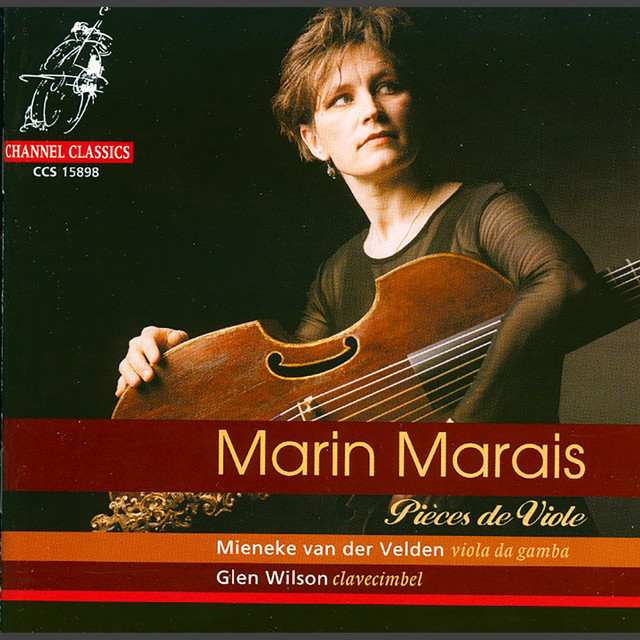
Mieneke van der Velden
Chamber Music
Viola Da Gamba
Download our mobile app
Get the Melodigging app and start digging for new genres on the go
Download on the App Store
Get it on Google Play
© 2026 Melodigging
Give feedback
Legal
Melodding was created as a tribute to
Every Noise at Once
, which inspired us to help curious minds keep digging into music's ever-evolving genres.