Genres
Artists
Albums
Make Music
Sign in
Sign in
Artists
Chamber Music
Artists
Chamber Music
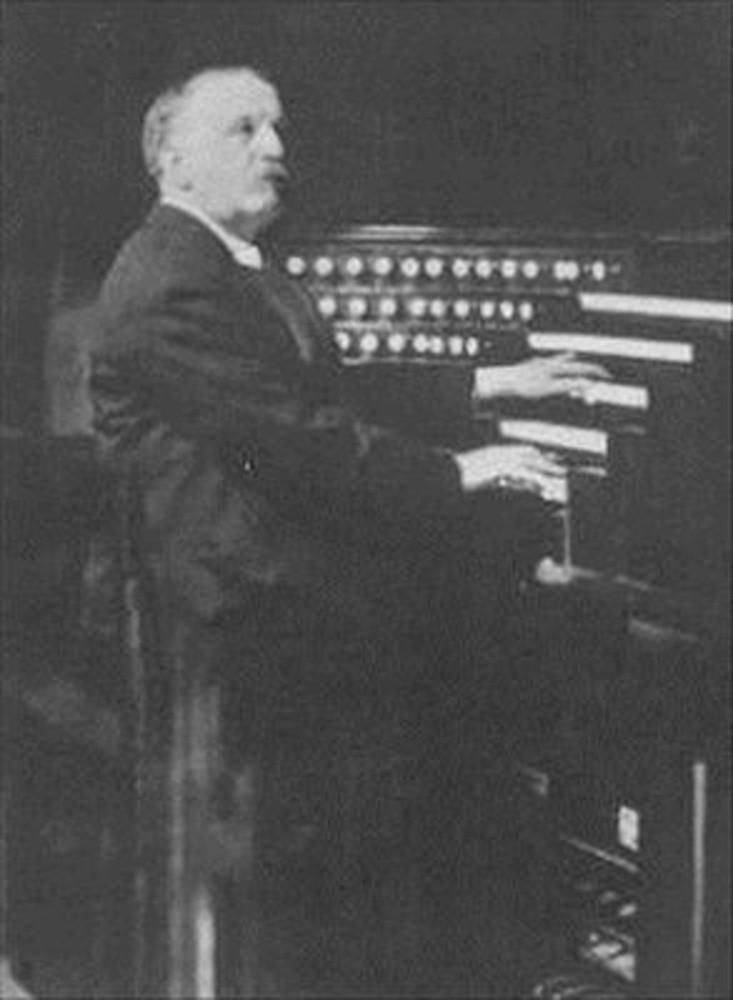
Louis Vierne
1986–1989
·
2 albums
Listen
2
/5
Genres
Romantic Classical
Romantic classical (Romantic-era) music is the 19th‑century phase of Western art music in which expression, individuality, and imagination came to the fore. Composers expanded the orchestra, embraced chromatic harmony and bold modulations, and favored long‑breathed, emotive melodies. Aligned with the wider Romantic movement in literature and the arts, it prized the subjective—love, nature, the supernatural, nationalism, and the sublime—often through programmatic narratives. New and transformed genres (the symphonic poem, grand opera, the art song/Lied, concert overtures) coexisted with reimagined Classical forms (symphony, sonata, concerto) that grew in scale and harmonic daring. From ca. 1800 through the early 20th century, Romantic music stretched from Beethoven’s heroic style and Schubert’s lyricism to Wagner’s leitmotivic dramas and Tchaikovsky’s symphonic ballet-infused language, culminating in late-Romantic gigantism and post-Romantic continuations.
Discover
Listen
Chamber Music
Chamber music is a tradition of composed music for small ensembles—typically one player per part—intended for intimate spaces such as courts, salons, and private rooms rather than large public halls. Its aesthetic emphasizes clarity of texture, conversational interplay among parts, and balance without a conductor. Hallmark formations include the string quartet, piano trio, wind quintet, string quintet, and various mixed ensembles. Multi‑movement cycles (often in sonata form) and finely wrought counterpoint are common, ranging from Baroque trio sonatas to Classical string quartets and modern works with expanded timbres and techniques. Because of its scale and transparency, chamber music has long been a proving ground for compositional craft and ensemble musicianship, shaping the core of Western art music from the Baroque through the present.
Discover
Listen
Organ Music
Organ music refers to repertoire written or improvised for pipe organ (and, by extension, other classical organs such as positive and portative). It spans sacred and secular contexts and includes liturgical accompaniments, free preludes and toccatas, contrapuntal forms (fugues, ricercars), chorale-based works, symphonic poems, and large cyclic forms. A defining trait is the organ’s orchestral palette: ranks and stops allow timbral combinations from whispering flutes to blazing reeds, supported by an independent pedal division that enables full, polyphonic textures. Across history, organ music has been closely linked to church ritual and acoustics, but it also developed into a concert tradition with virtuosic, architectonic forms that exploit large instruments in resonant spaces.
Discover
Listen
Classical
Classical music is the notated art-music tradition of Europe and its global descendants, characterized by durable forms, carefully codified harmony and counterpoint, and a literate score-based practice. The term “classical” can refer broadly to the entire Western art-music lineage from the Medieval era to today, not just the Classical period (c. 1750s–1820s). It privileges long-form structures (such as symphonies, sonatas, concertos, masses, and operas), functional or modal harmony, thematic development, and timbral nuance across ensembles ranging from solo instruments to full orchestras and choirs. Across centuries, the style evolved from chant and modal polyphony to tonal harmony, and later to post-tonal idioms, while maintaining a shared emphasis on written notation, performance practice, and craft.
Discover
Listen
Choral
Choral refers to music written for and performed by a choir—an ensemble of voices organized into sections such as soprano, alto, tenor, and bass (SATB), or same-voice groupings (SSA, TTBB). It encompasses both sacred and secular repertoire and may be sung a cappella or with accompaniment by organ, piano, or full orchestra. Stylistically, choral music ranges from chant-like monophony to intricate polyphony and rich homophonic textures. Texts are drawn from liturgy, scripture, poetry, and vernacular sources, and are set in many languages. Performance contexts include church services, concert halls, and community events, making choral one of the most socially embedded and widely practiced forms of ensemble music. Across history, choral music has served as a laboratory for vocal counterpoint, word painting, and text-driven form, while functioning as a cultural bridge among religious rites, national traditions, and contemporary concert practice.
Discover
Listen
Albums
1989
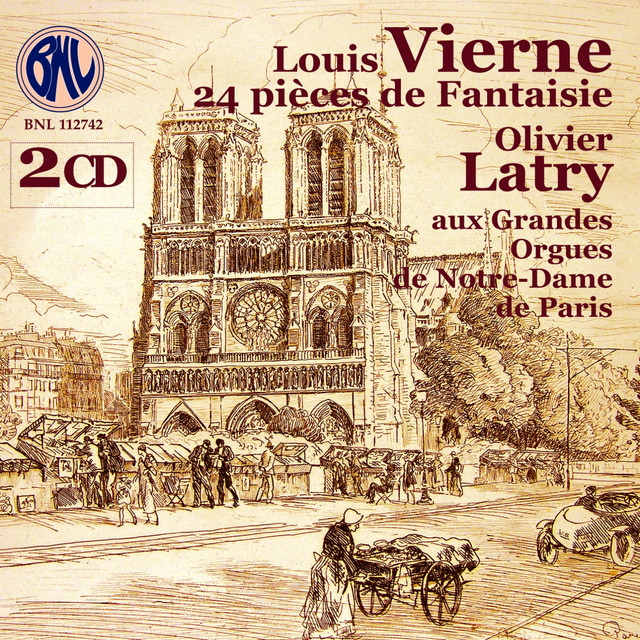
Louis Vierne: 24 Pièces de Fantaisie
Louis Vierne, Olivier Latry
Organ Music
1986
Louis Vierne: Symphonies pour orgue
Louis Vierne, Olivier Latry
Organ Music
Similar artists
Hide discovered
4
/5
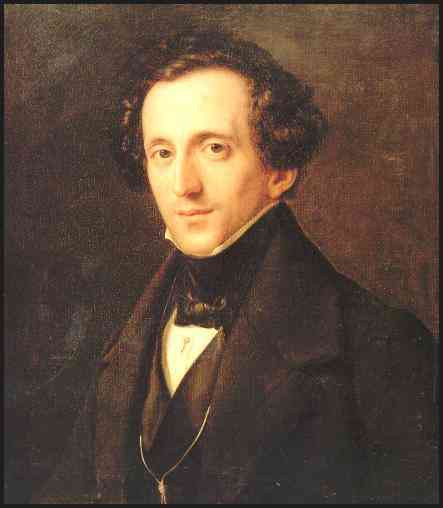
Felix Mendelssohn
Chamber Music
Choral
Classical
4
/5
Johann Sebastian Bach
Baroque
Classical
Baroque Suite
4
/5
Ludwig van Beethoven
Classical
Classical Period
Romantic Classical
4
/5
Academy of St. Martin in the Fields
Baroque
Classical
Concerto
4
/5
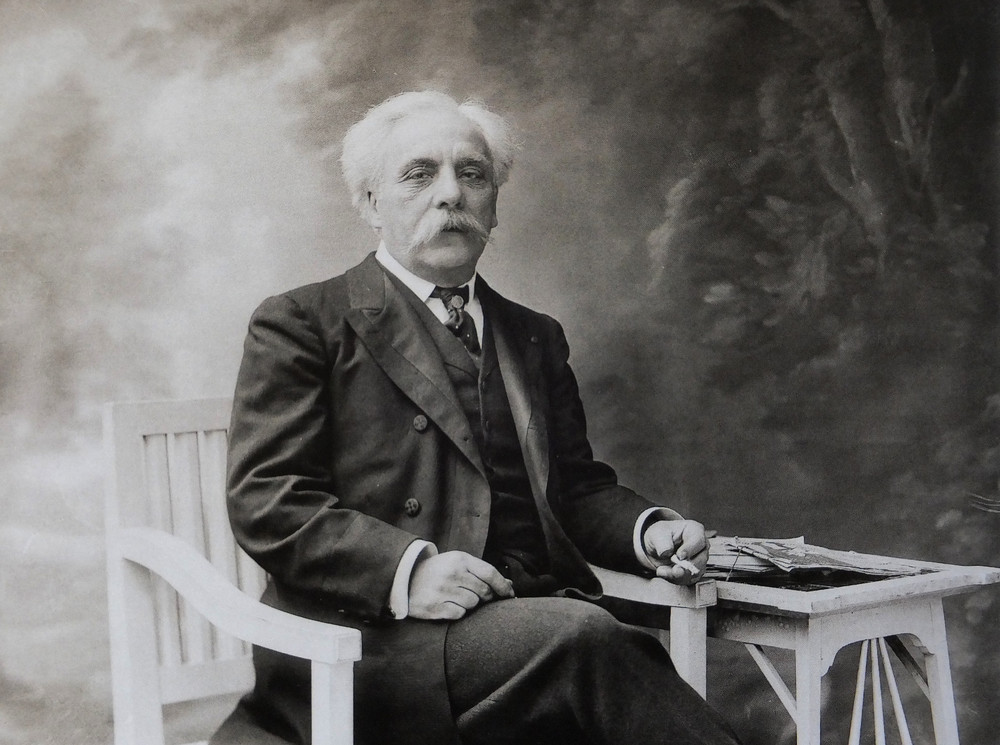
Gabriel Fauré
Classical
Choral
Requiem
4
/5
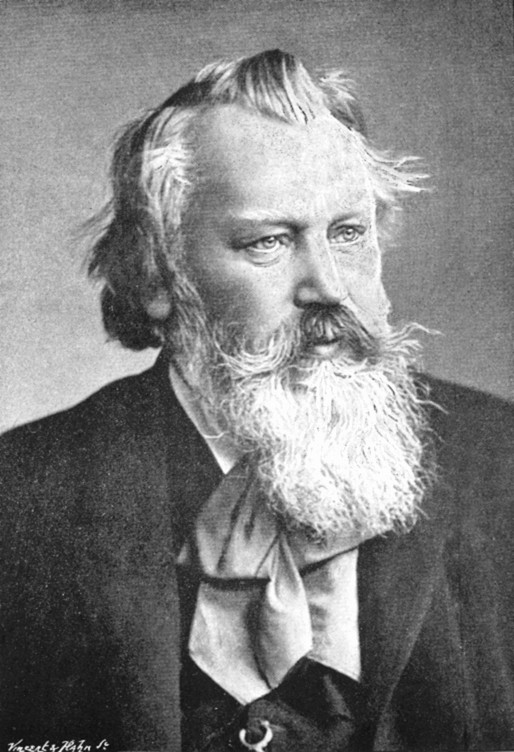
Johannes Brahms
Classical
Classical Clarinet
Classical Piano Quartet
4
/5
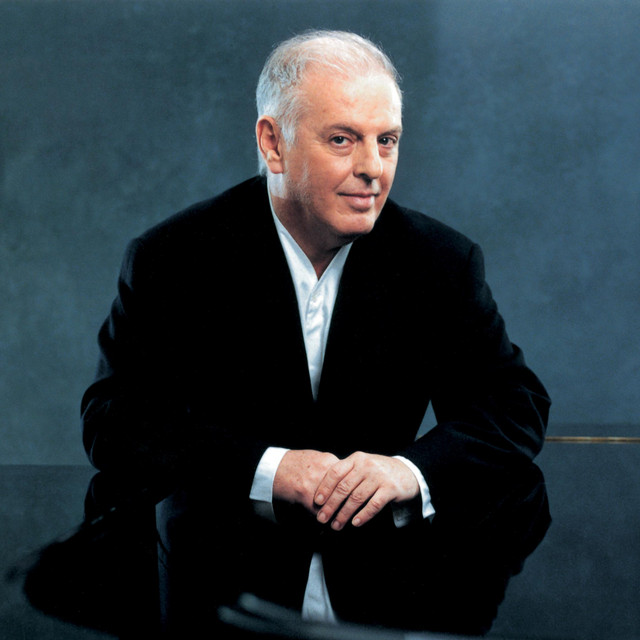
Daniel Barenboim
Classical
Concerto
Opera
3
/5
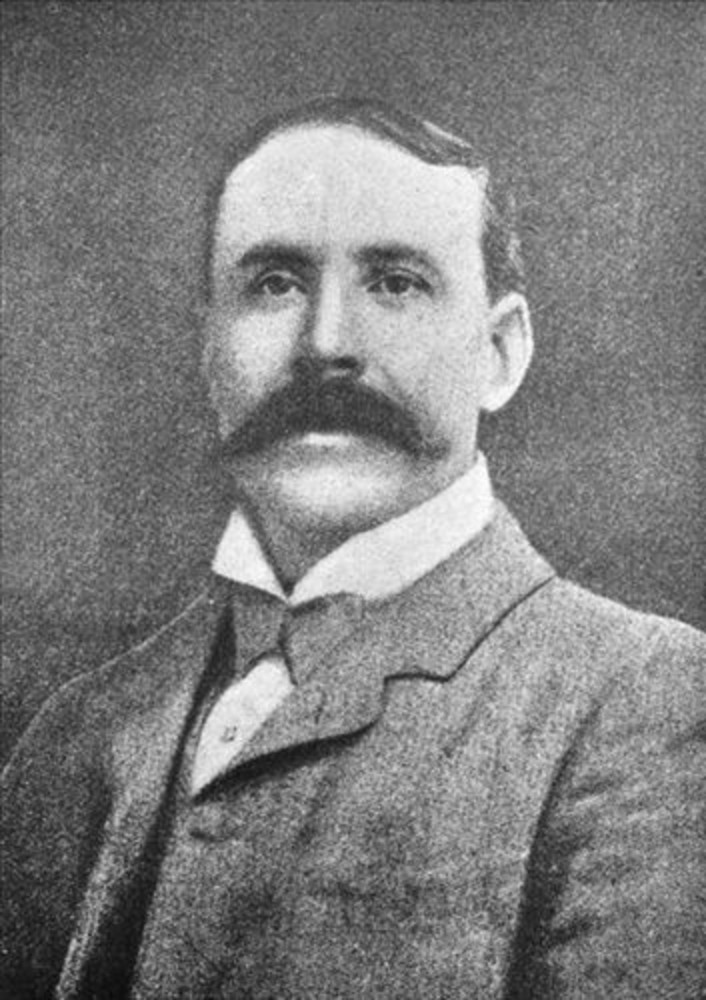
Edward Elgar
Classical
Orchestral
Concerto
3
/5
Scottish Chamber Orchestra
Classical
Opera
Concerto
4
/5
London Philharmonic Orchestra
Classical
Opera
Orchestral
Download our mobile app
Get the Melodigging app and start digging for new genres on the go
Download on the App Store
Get it on Google Play
© 2026 Melodigging
Give feedback
About & FAQ
Legal
Melodding was created as a tribute to
Every Noise at Once
, which inspired us to help curious minds keep digging into music's ever-evolving genres.