Genres
Artists
Albums
Make Music
Sign in
Sign in
Artists
Golden Age Hip Hop
Artists
Golden Age Hip Hop
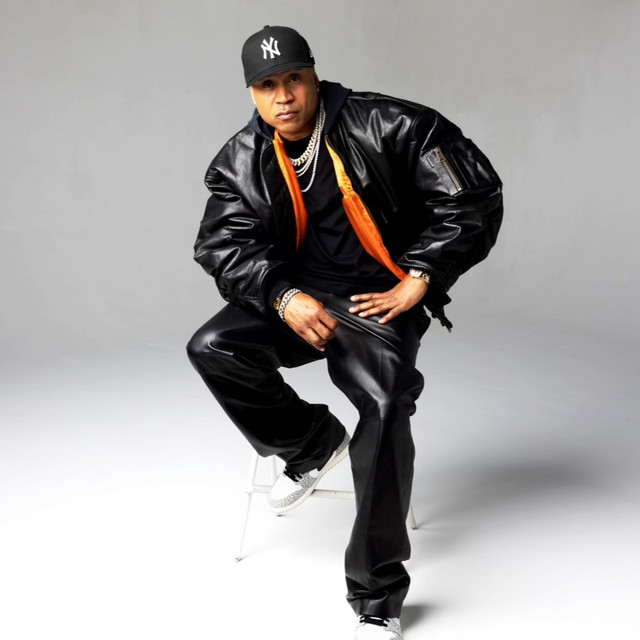
LL COOL J
1985–2017
·
5 albums
Listen
4
/5
Genres
Dungeon Rap
Dungeon rap is a dark, internet-born microgenre that fuses the gloomy, medieval-fantasy atmospheres of dungeon synth with the rhythms, vocal cadences, and low‑end of underground trap and Memphis-influenced rap. Its sound is defined by lo-fi, reverb-soaked synth pads, organ or choir timbres, modal or minor-key melodies reminiscent of dungeon synth, and skeletal 808-driven drum patterns. Vocals (when present) are typically pitched-down, whispered, or deadpan, often dealing with occult, fantasy, and horror imagery. Producers frequently sample retro RPG soundtracks, black metal-adjacent ambient passages, or cassette-era dungeon synth, then anchor them with trunk-rattling subs and crispy hi-hat rolls. The genre coalesced online at the turn of the 2020s through Bandcamp/YouTube scenes and boutique labels, crystallizing a distinct aesthetic that feels equal parts crypt-ambient and street-level rap.
Discover
Listen
Trap Soul
Trap soul is a fusion of contemporary R&B singing and songwriting with the sonic palette and rhythmic feel of trap. It features moody, minor‑key harmonies; airy pads and Rhodes/piano textures; deep 808 sub‑bass with glides; and skittering hi‑hat rolls and halftime drum patterns. Vocals often blend crooning and rapping, with intimate, confessional lyrics about love, heartbreak, desire, ambition, and late‑night introspection. The production is typically spacious and minimal, prioritizing atmosphere and groove over density. Subtle Auto‑Tune, layered ad‑libs, and lush reverbs/delays are common, giving tracks a nocturnal, cinematic feel.
Discover
Listen
The Wave
The Wave is a loosely defined cluster of American post-hardcore/emo bands that surged in the early 2010s as emo-pop’s mainstream moment faded. The name was a tongue‑in‑cheek scene tag that stuck in press coverage, but it points to a real overlap in sound, ethos, and touring networks. Musically, The Wave fuses the urgency of 1990s post‑hardcore and screamo with confessional, literate lyric writing associated with emo. Expect shouted or half‑sung/half‑spoken vocals, dynamic quiet‑loud builds, intricate but driving drums, and guitar textures that shift between glassy clean arpeggios and overdriven, emotive climaxes. The songs often emphasize catharsis, narrative detail, and community-minded DIY presentation.
Discover
Listen
Ratchet Music
Ratchet music is a minimalist, club-focused strain of West Coast hip hop that coalesced in the early 2010s, most closely associated with Los Angeles producer DJ Mustard. It emphasizes sparse drum programming built from 808 kicks, handclaps, crisp hi‑hats, and simple percussive fills; bouncy tempos around 95–105 BPM; short, catchy synth or piano stabs; and a weighty sub‑bass that leaves ample space for vocals. Culturally and lyrically, it channels “ratchet” party culture and slang—rooted in Louisiana (notably Shreveport’s nickname “Ratchet City”) and amplified by the L.A. party scene—favoring braggadocio, nightlife, flirtation, and chant‑able hooks over dense lyricism. The result is a stripped‑down, hook‑driven sound engineered for dance floors and radio rotation.
Discover
Listen
Classify
Classify is a streaming-era microgenre that blends light classical technique with contemporary pop repertoire, typically presented as unobtrusive instrumental covers. It prioritizes soft dynamics, gentle tempos, and intimate recording to create a calm, elegant backdrop suitable for studying, working, or events. Most arrangements are for solo piano, string quartet, cello/piano duos, or small chamber ensembles. Harmonies remain diatonic and consonant, melodies are clearly voiced, and textures favor arpeggios, ostinati, and sustained legato lines. The overall aesthetic borrows from modern classical and new age moods while retaining the familiarity of pop song forms.
Discover
Listen
432hz
432hz is a wellness-oriented ambient/New Age micro-genre built around tuning music to the alternative concert pitch A=432 Hz instead of the modern standard A=440 Hz. In practice, 432hz releases are largely instrumental, slow-tempo, and reverb-rich, combining soft pads, drones, gentle piano, bowls/chimes, and nature sounds. Tracks are marketed for relaxation, meditation, yoga, sleep, and "energy" or "chakra" work, and are frequently tagged with wellness keywords. While advocates claim psychoacoustic or physiological benefits from 432 Hz tuning, these claims remain unproven; the sound signature audiences respond to is the calm production, consonant harmony, and spacious mixing typical of ambient and New Age music. As a streaming-native style, 432hz thrives on platforms like YouTube and Spotify where long-form background listening, SEO-friendly titling, and looping visuals support use-cases such as study, mindfulness, and sleep.
Discover
Listen
Bedroom Soul
Bedroom soul is a lo‑fi, intimate take on contemporary R&B and soul that foregrounds warm, jazzy harmony and close‑miked vocals tracked in home studios. It blends the DIY ethos of bedroom pop with the grooves and vocal phrasing of neo‑soul and alternative R&B. Production is intentionally unvarnished—subtle tape hiss, vinyl crackle, softly clipped transients, and gentle saturation are embraced to create a lived‑in texture. Electric guitar or Rhodes/soft‑synth keys carry lush seventh‑chord progressions, pocketed bass lines, and minimalist drums with swung hi‑hats and rimshots. Lyrics are inward‑looking and conversational, often exploring romance, self‑discovery, and late‑night reflection.
Discover
Listen
Sky Room
Sky room is a streaming-era microgenre of airy, pastel-hued alt‑pop and indie R&B that sits between bedroom pop and chill electronic music. It emphasizes soft, close-miked vocals, spacious reverbs, light trap‑influenced percussion, and gentle synth or clean guitar textures. The overall sound is weightless and daydreamy—designed as much for background listening as for late‑night introspection. Lyrically, sky room leans toward intimate, confessional themes—quiet anxieties, tender romance, and coming‑of‑age self-reflection—conveyed with minimalist phrasing and catchy, understated hooks.
Discover
Listen
Golden Age Hip Hop
Golden age hip hop is the label commonly given to mainstream hip hop created from the mid/late 1980s through the early-to-mid 1990s, especially by artists from the New York metropolitan area. It is known for dense sample-based production, hard-hitting drum programming, and highly developed lyricism, including complex rhyme schemes, storytelling, battle rap, and socially conscious writing. The era is often described as unusually diverse and innovative, with producers sampling widely from funk, soul, jazz, rock, and spoken-word records, and with artists exploring themes ranging from party and braggadocio to politics and everyday urban life.
Discover
Listen
Hardcore Hip Hop
Hardcore hip hop is a confrontational, uncompromising strain of rap defined by aggressive vocal delivery, hard-hitting drum programming, and stark, sample-driven production. It prioritizes intensity over gloss, often minimizing melody in favor of dense drum breaks, sirens, noise textures, and dissonant stabs. Lyrically, it spans street reportage, social realism, political critique, and battle-ready braggadocio. The aesthetic foregrounds rawness—distorted drums, clipped samples, shouted hooks, and posse energy—while drawing deeply from funk and soul breakbeats, DJ techniques, and the boom-bap tradition.
Discover
Listen
Mid-School Hip Hop
Mid‑school hip hop marks the transition from the party‑oriented, band/DJ‑driven old school to the leaner, harder "new school" sound of the mid‑to‑late 1980s. It is characterized by heavy, stripped‑down drum‑machine beats (often from the Roland TR‑808, Oberheim DMX, or LinnDrum), punchy handclaps, sparse bass lines, aggressive, clearly enunciated MCing, and DJ cuts/scratches. Production emphasizes minimalism and impact: dry, forward vocals sit on top of tough, metronomic grooves with few melodic layers, sometimes punctuated by rock guitar stabs or short sampled riffs. Lyrically, mid‑school favors battle rhymes, braggadocio, party‑rocking hooks, and street reportage that set the stage for the Golden Age’s complexity.
Discover
Listen
East Coast Hip Hop
East Coast hip hop is a regional style of hip hop that emerged in New York City and the surrounding Northeastern United States. It is characterized by complex lyricism, dense rhyme schemes, gritty urban storytelling, and sample-heavy production that draws from funk, soul, and jazz records. Rhythmically, the sound is often associated with "boom-bap" drum patterns—hard-hitting kicks and crisp snares at moderate tempos—alongside chopped breakbeats, basslines, and DJ techniques such as scratching. The approach places the MC’s voice, cadence, and wordplay at the center, while the producer crafts a textured, crate-dug backdrop. Culturally, East Coast hip hop foregrounds authenticity, social commentary, and competitive MCing, while its crews and collectives (from Juice Crew to Native Tongues and Wu-Tang Clan) helped define hip hop’s golden age and set standards for lyrical excellence and sample-based beatmaking.
Discover
Listen
Hip Hop
Hip hop is a cultural and musical movement that emerged from Black, Latino, and Caribbean communities, centering around rapping (MCing), DJing/turntablism, sampling-based production, and rhythmic speech over beats. It prioritizes groove, wordplay, and storytelling, often reflecting the social realities of urban life. Musically, hip hop is built on drum-centric rhythms (from breakbeats to 808 patterns), looped samples, and bass-forward mixes. Lyrically, it ranges from party anthems and braggadocio to political commentary and intricate poetic forms, with flow, cadence, and rhyme density as core expressive tools. Beyond music, hip hop encompasses a broader culture, historically intertwined with graffiti, b-boying/b-girling (breakdance), fashion, and street entrepreneurship, making it both an art form and a global social language.
Discover
Listen
Old School Hip Hop
Old school hip hop is the earliest commercially recorded form of hip hop and the original template for the culture’s recorded sound. The term generally refers to music made from the early Bronx party era of 1973 through roughly 1983, before the harder, more sample‑dense “new school” sound took hold. Musically, it centers on extended breakbeats drawn from funk and disco records, live turntable techniques (cutting, backspinning, and early scratching), simple but infectious drum programming (often with the TR‑808), and crowd‑engaging MC routines. Rapping tends to feature clear enunciation, party chants, call‑and‑response, braggadocio, and narrative vignettes, delivered over steady 4/4 grooves in the 95–112 BPM range. Culturally, old school hip hop grew out of DJ‑led block parties, b‑boy/b‑girl dance breaks, and the Jamaican sound‑system tradition, and it codified the core pillars of the hip hop ethos: DJing, MCing, breaking, and graffiti.
Discover
Listen
Rap
Rap is a vocal music style built on the rhythmic, rhymed, and often improvised spoken delivery of lyrics over a beat. It emphasizes flow, cadence, wordplay, and narrative, and is commonly performed over sampled or programmed drum patterns and loops. Emerging from block parties and sound-system culture in the Bronx, New York City, rap became the core vocal expression of hip hop culture alongside DJing, breakdancing, and graffiti. While it is closely linked to hip hop, rap as a technique and genre has also crossed into pop, rock, electronic, and global regional scenes. Musically, rap favors strong drum grooves (breakbeats, 808 patterns), sparse harmony, and loop-based structures that foreground the MC’s voice. Lyrically, it spans party chants and battle brags to intricate internal rhymes, social commentary, reportage, and autobiography.
Discover
Listen
Show all 15 genres
Albums
2017
2
/5
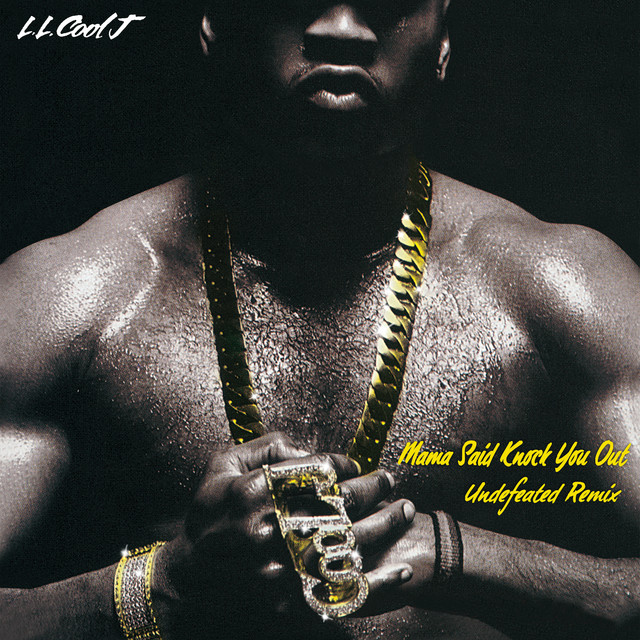
Mama Said Knock You Out (Undefeated Remix)
LL COOL J
Golden Age Hip Hop
2002
3
/5
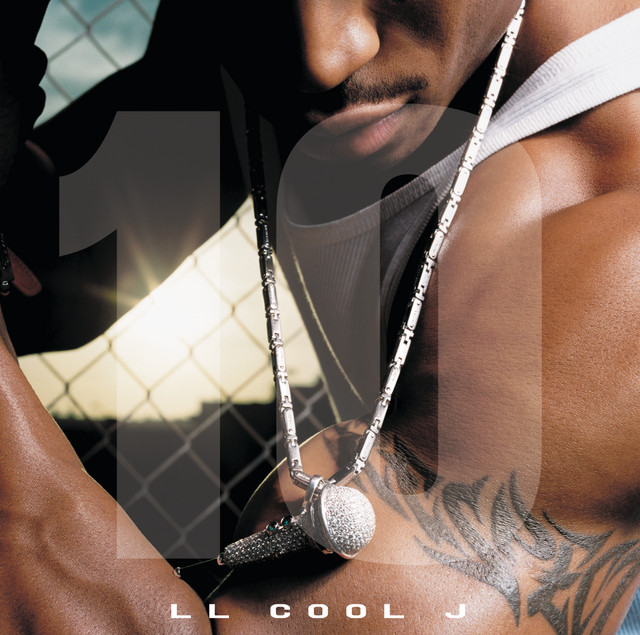
10
LL COOL J
Golden Age Hip Hop
1990
3
/5
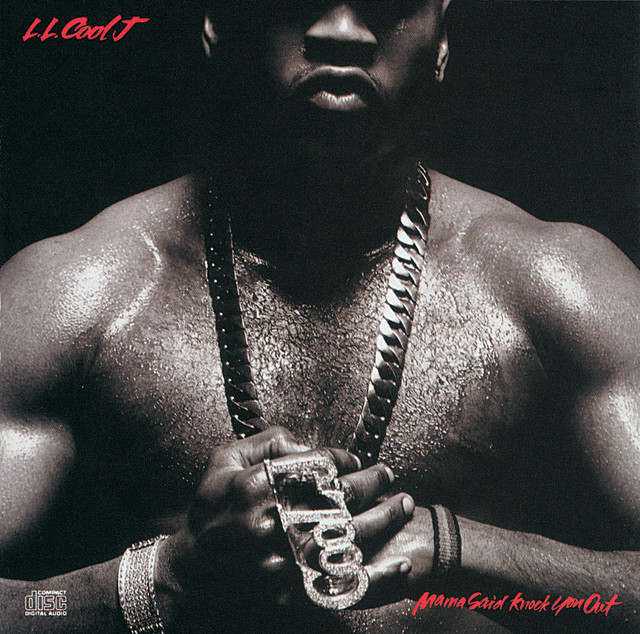
Mama Said Knock You Out
LL COOL J
Golden Age Hip Hop
1987
3
/5
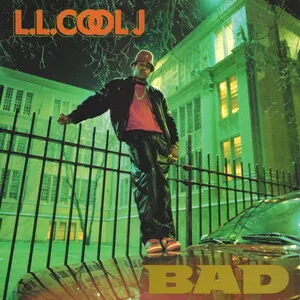
BAD: Bigger and Deffer
L.L. Cool J
Mid-School Hip Hop
East Coast Hip Hop
Hardcore Hip Hop
1985
2
/5
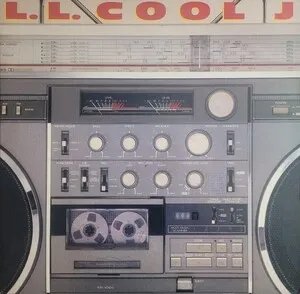
Radio
L.L. Cool J
Mid-School Hip Hop
East Coast Hip Hop
Hardcore Hip Hop
Similar artists
1
/5
Various Artists
Afro-Funk
Alternative Rock
Ambient
4
/5
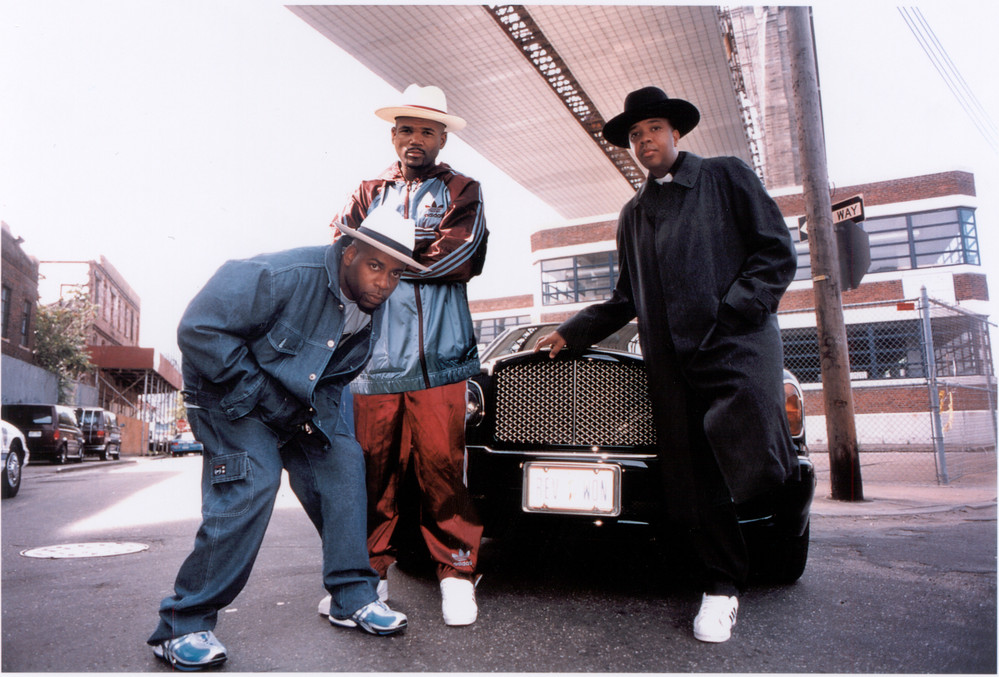
Run–D.M.C.
Hip Hop
East Coast Hip Hop
Mid-School Hip Hop
4
/5
Beastie Boys
Golden Age Hip Hop
East Coast Hip Hop
Hip Hop
4
/5
A Tribe Called Quest
Hip Hop
Jazz Rap
East Coast Hip Hop
3
/5
Eric B. & Rakim
Golden Age Hip Hop
Hip Hop
Candy Pop
5
/5
The Notorious B.I.G.
Hardcore Hip Hop
Hip Hop
East Coast Hip Hop
4
/5
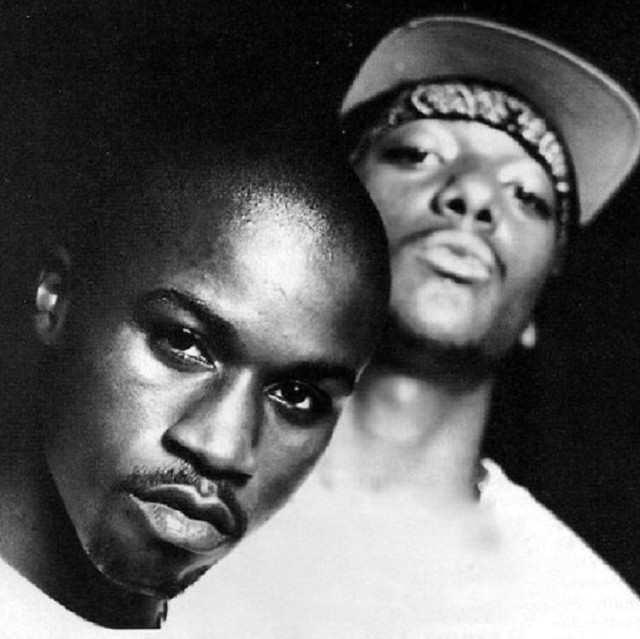
Mobb Deep
East Coast Hip Hop
Hardcore Hip Hop
Old School Hip Hop
3
/5
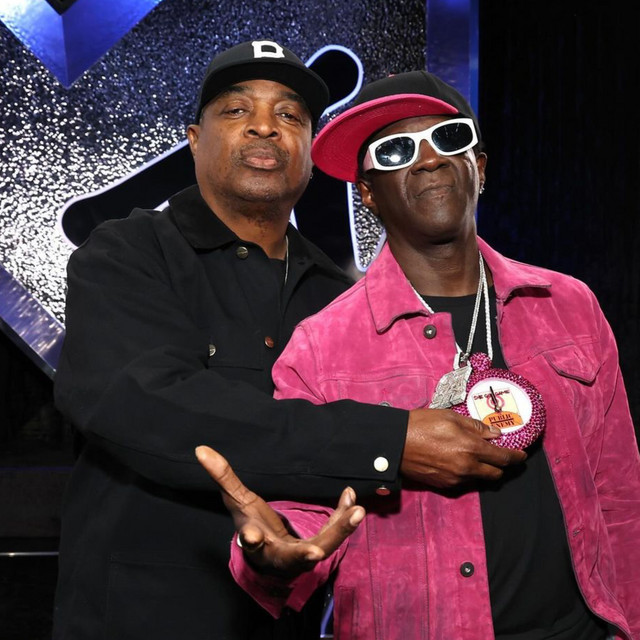
Public Enemy
East Coast Hip Hop
Hardcore Hip Hop
Hip Hop
3
/5
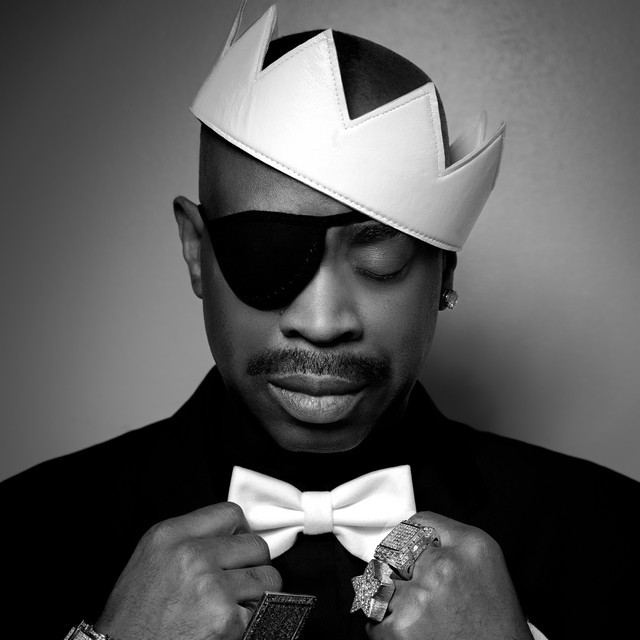
Slick Rick
Golden Age Hip Hop
East Coast Hip Hop
Nyc Pop
4
/5
Nas
Hardcore Hip Hop
Hip Hop
East Coast Hip Hop
Download our mobile app
Get the Melodigging app and start digging for new genres on the go
Download on the App Store
Get it on Google Play
© 2026 Melodigging
Give feedback
Legal
Melodding was created as a tribute to
Every Noise at Once
, which inspired us to help curious minds keep digging into music's ever-evolving genres.