Genres
Artists
Albums
Make Music
Sign in
Sign in
Artists
Country
Artists
Country
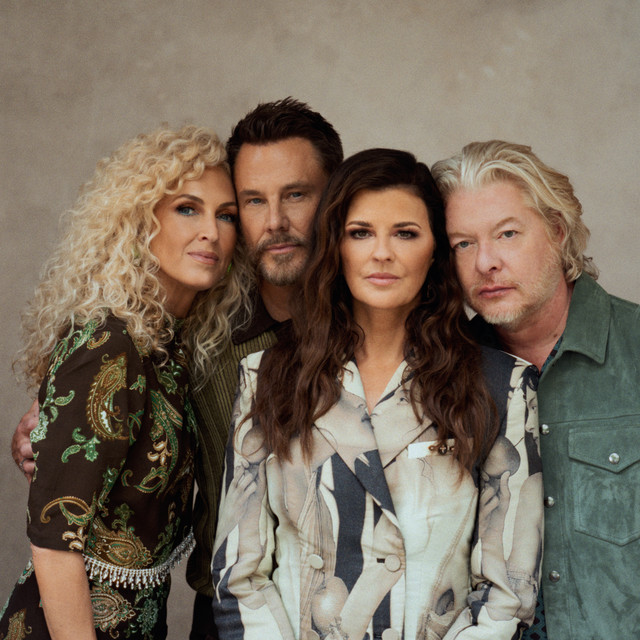
Little Big Town
2002–2026
·
12 albums
Listen
4
/5
Genres
Country Dawn
Country dawn is a mellow, contemporary strand of country that emphasizes soft dynamics, intimate vocals, and sunrise-ready moods. It blends modern country-pop writing with acoustic-first arrangements, light percussion, and warm, low-gloss production. The style favors reflective storytelling, tender romance, and everyday-life imagery over honky-tonk rowdiness. Expect smooth harmonies, piano and acoustic guitar leads, tasteful pedal steel or mandolin color, and choruses that lift gently rather than explode. It’s the sound of slow mornings, coffee on the porch, and long drives at first light.
Discover
Listen
Bro-Country
Bro-country is a commercially oriented subgenre of contemporary country music that blends radio-friendly country with pop, rock, and hip-hop production tropes. It is typified by party-ready choruses, glossy, high-gain electric guitars, sub-bass and programmed drums, and hook-first songwriting aimed at arena and festival stages. Lyrically, the songs often revolve around small-town escapism, pickup trucks, tailgate parties, summertime romance, beer brands, and uncomplicated good times, frequently told from a male, first-person perspective. Vocals commonly employ talk-singing, light rap cadences, or chantable gang hooks, while harmonies stay simple and consonant. The overall affect is upbeat, celebratory, and instantly memorable, designed for mass sing-alongs and high streaming/radio rotation.
Discover
Listen
Country Road
Country road is a contemporary, radio‑friendly country style optimized for highway listening. It blends modern country pop sheen with heartland rock drive and soft‑rock smoothness, centering warm electric and acoustic guitars, steady backbeats, and sing‑along choruses. Lyrically it leans on story‑telling and snapshot imagery—open roads, small towns, relationships, personal resolve—delivered in a conversational tone. The feel is mid‑tempo, comforting, and panoramic, designed for cruising and easy repeat play.
Discover
Listen
Bossbeat
Bossbeat is an internet‑born, high‑octane branch of EDM tailored to evoke the intensity of a video‑game “boss fight.” Producers fuse modern dubstep and trap sound design with melodic, leitmotif‑driven writing borrowed from video game music and film scoring, aiming for cinematic build‑ups and explosive, riff‑like drops. Characteristic features include minor‑key motifs, fast and syncopated percussion, halftime switch‑ups, aggressive bass design (growls, reeses, metallic FM), and hybrid orchestral layers (brass stabs, choirs, epic drums). The result is music that feels both dance‑floor ready and narratively dramatic—perfect for action montages, game content, and creator culture.
Discover
Listen
Christmas Product
“Christmas product” is a meta‑category of holiday recordings designed primarily as functional, keyword‑optimized music products rather than as artist‑driven albums. These releases are typically studio or library sessions that package public‑domain carols and well‑known seasonal standards in accessible styles, often under generic ensemble names, for use in playlists, in‑store ambience, television bumpers, ads, and low‑cost compilations. Sonically, the style leans on bright, welcoming arrangements (strings, choir pads, sleigh bells, glockenspiel, light rhythm sections) and familiar melodic treatments that evoke classic Christmas sentimentality. Tracks are usually mastered for consistency and utility (clean intros, sting endings, tidy cut‑downs), enabling seamless placement across media and streaming contexts.
Discover
Listen
Deep Indie Singer-Songwriter
Deep indie singer-songwriter is a micro-genre that spotlights intimate, hushed, and highly personal songwriting crafted outside the mainstream. It blends the confessional lyricism and acoustic focus of the classic singer-songwriter tradition with the understated aesthetics of indie and bedroom production. Arrangements are typically sparse—fingerpicked acoustic guitars, soft pianos, light strings, and subtle electronic atmospheres—so that breathy, close-miked vocals and storytelling take center stage. The overall feel is introspective and reflective, often leaning toward melancholy or tender warmth. Songs prize texture and space over flash, favoring gentle dynamics, slow-to-mid tempos, and an “up-close” emotional delivery that suits late-night listening, film/TV syncs, and reflective playlists.
Discover
Listen
Queer Country
Queer country is a contemporary movement within country and Americana that centers LGBTQ+ voices, stories, and aesthetics while keeping strong ties to classic country songwriting, instrumentation, and vocal styles. Musically, it often draws from traditional country, outlaw country, honky-tonk, and folk-country, but its defining feature is lyrical perspective: songs about queer love, gender expression, chosen family, rural/working-class life, and the tension between tradition and belonging. Rather than being a single fixed sound, queer country is best understood as a scene and cultural re-framing of country music—one that challenges the genre’s historic heteronormativity while celebrating its narrative power and community roots.
Discover
Listen
Southern Americana
Southern Americana is a regional strain of Americana rooted in the musical vernacular of the U.S. South. It blends songwriting-first aesthetics with the organic textures of country, folk, and blues, and the swagger of Southern rock. Typical recordings feature warm, lived‑in tones: Telecasters and acoustic guitars alongside pedal steel, Hammond organ, fiddle, mandolin, and harmony vocals. Lyrically it is grounded in place—small towns, highways, kudzu, pine line horizons—and in the South’s complicated histories of faith, work, love, and loss. The groove ranges from back‑porch shuffles and waltzes to swampy, slow‑burn rhythms, keeping the focus on stories and melody rather than studio gloss.
Discover
Listen
Boyfriend Country
Boyfriend country is a late‑2010s wave of mainstream country‑pop by male artists whose songs center on devotion, steady romance, and everyday partnership rather than partying or macho posturing. Musically it blends polished Nashville country with pop and light R&B touches: snap‑tracks and soft programmed drums, glossy acoustic and clean electric guitars, warm pads, and stacked, hook‑forward vocal harmonies. Lyrically it leans on first‑person vows, domestic imagery, and respectful, affectionate address to a partner. As a cultural turn, it’s widely understood as a reaction to the “bro‑country” era, prioritizing sensitivity, commitment, and modern pop craft over braggadocio—while keeping the streaming‑friendly, radio‑ready sheen of contemporary country.
Discover
Listen
Contemporary Country
Contemporary country is the mainstream, radio-oriented branch of country music that emerged in the 1980s and consolidated in the 1990s. It blends traditional country instrumentation and storytelling with pop-rock songcraft, polished production, and arena-sized hooks. While rooted in classic country, the style borrows harmonic language, drum sounds, and arrangement strategies from pop and soft rock, and—since the 2000s—occasionally from hip hop. The result is a crossover-ready sound that foregrounds memorable choruses, relatable lyrics about love, place, and everyday life, and vocals that balance country twang with modern pop clarity.
Discover
Listen
Classic Rock
Classic rock is a radio-defined umbrella for mainstream, guitar-centered rock music from the mid-1960s through the 1980s. It emphasizes blues-based riffs, memorable choruses, sturdy backbeats, and prominent guitar solos, often framed by warm, analog production. Rather than being a single stylistic branch, classic rock curates a canon that spans hard rock, blues rock, folk rock, psychedelic and progressive strains, and heartland- and country-tinged rock. Albums and album-oriented rock (AOR) values—extended tracks, conceptual cohesion, and musicianship—are central to its identity. The sound evokes tube-amp crunch, Hammond organs, stacked vocal harmonies, and anthemic songwriting designed for both FM radio and the concert arena.
Discover
Listen
Glam
Glam (often called glam rock or glitter rock) is a theatrical, hook-driven strain of rock that emerged in the early 1970s. It pairs stomping, danceable backbeats and chunky guitar riffs with bright, sing-along choruses and a flamboyant visual aesthetic—platform boots, sequins, glitter, and androgynous fashion. While musically rooted in straightforward rock and roll and bubblegum pop, glam embraces artful persona-building and camp, drawing on music hall and vaudeville showmanship. The result is music that is immediate and catchy yet knowingly stylized, celebrating fantasy, youth, fame, and self-invention.
Discover
Listen
Country Rock
Country rock is a hybrid of country music’s storytelling, twang, and acoustic textures with rock’s backbeat, amplification, and song structures. It typically features electric and acoustic guitars, pedal steel, close vocal harmonies, and a steady 4/4 groove, while lyrics focus on roads, small towns, heartbreak, and everyday American life. The sound ranges from jangly and rootsy to polished and radio-friendly, bridging bar-band energy with country elegance and shaping the template for later Americana and heartland styles.
Discover
Listen
Garage Rock
Garage rock is a raw, energetic style of rock music that emerged in the mid-1960s from local scenes across North America. Typically performed by amateur or semi-professional teenage bands in basements and suburban garages, the sound is unpolished and immediate, favoring feel over finesse. Its hallmarks include distorted guitars, pounding drums, simple chord progressions (often I–IV–V), prominent Farfisa/Vox organ riffs, and shouted, attitude-heavy vocals. Songs are short, hooky, and driven by rhythmic urgency, with lyrics about teenage love, boredom, rebellion, and swagger. The style became a direct ancestor of proto-punk and punk rock, prized for its do-it-yourself spirit and visceral impact.
Discover
Listen
Pop Rock
Pop rock blends the hook-focused immediacy of pop with the instrumentation and drive of rock. It prioritizes catchy melodies, concise song structures, and polished production while retaining guitars, bass, and drums as core elements. Typical pop rock tracks use verse–pre-chorus–chorus forms, strong vocal harmonies, and memorable riffs. The sound ranges from jangly and bright to mildly overdriven and arena-ready, aiming for radio-friendly appeal without abandoning rock’s rhythmic punch.
Discover
Listen
Country Pop
Country pop blends the narrative songwriting and acoustic roots of country music with the melodic hooks, streamlined structures, and polished production of pop. Born from the Nashville Sound and later countrypolitan aesthetics, it emphasizes smooth vocals, lush arrangements, and radio-friendly choruses while retaining country’s storytelling and Americana imagery. Typical instrumentation includes acoustic and electric guitars, subtle pedal steel, piano or pads, and tasteful strings, with light, steady drums supporting mid-tempo grooves. Lyrically, country pop centers on love, home, heartbreak, resilience, and everyday life, delivered with conversational clarity and contagious, sing-along refrains that bridge country’s heart and pop’s sheen.
Discover
Listen
Rock
Rock is a broad family of popular music centered on amplified instruments, a strong backbeat, and song forms that foreground riffs, choruses, and anthemic hooks. Emerging from mid‑20th‑century American styles like rhythm & blues, country, and gospel-inflected rock and roll, rock quickly expanded in scope—absorbing folk, blues, and psychedelic ideas—while shaping global youth culture. Core sonic markers include electric guitar (often overdriven), electric bass, drum kit emphasizing beats 2 and 4, and emotive lead vocals. Rock songs commonly use verse–chorus structures, blues-derived harmony, and memorable melodic motifs, ranging from intimate ballads to high‑energy, stadium‑sized performances.
Discover
Listen
Folk
Folk is a song-centered acoustic tradition rooted in community storytelling, everyday life, and social history. It emphasizes clear melodies, simple harmonies, and lyrics that foreground narrative, protest, and personal testimony. As a modern recorded genre, folk coalesced in the early-to-mid 20th century in the United States out of older ballad, work song, and rural dance traditions. It typically features acoustic instruments (guitar, banjo, fiddle, mandolin, harmonica), strophic song forms, and participatory singing (choruses, call-and-response).
Discover
Listen
Country
Country is a roots-based popular music from the rural American South that blends Anglo-Celtic ballad traditions with African American blues, gospel, and string-band dance music. It is characterized by narrative songwriting, plainspoken vocals with regional twang, and a palette of acoustic and electric instruments such as acoustic guitar, fiddle, banjo, pedal steel, and telecaster guitar. Rhythmically it favors two-step feels, train beats, shuffles, and waltzes, while harmony is largely diatonic (I–IV–V) with occasional country chromaticism and secondary dominants. Across a century, country has evolved through substyles like honky-tonk, the Nashville and Bakersfield sounds, outlaw country, neotraditionalist revivals, pop-country, and country-rap hybrids, but it consistently prioritizes storytelling about everyday life, love, work, faith, place, and identity.
Discover
Listen
Christmas Music
Christmas music is a body of sacred and secular repertoire associated with the celebration of Christmas and the winter season. It spans medieval carols, liturgical hymns, and oratorios through to 20th‑century Tin Pan Alley standards, crooner ballads, jazz‑swing arrangements, pop hits, gospel renditions, and contemporary acoustic or R&B interpretations. Stylistically it is diverse but often shares warm, nostalgic melodies, memorable choruses, and lyrics that reference the Nativity story, peace and goodwill, family gatherings, winter imagery, and figures like Santa Claus. Sleigh bells, choirs, strings, brass, and glockenspiel/celesta are common coloristic touches, while harmony ranges from simple I–IV–V progressions to richer jazz voicings. Its seasonal recurrence has made it a cultural tradition that reappears annually across radio, streaming, film, advertising, and public spaces.
Discover
Listen
Show all 20 genres
Albums
2026
It’s a Dying Art
Little Big Town
Contemporary Country
Country
Country Pop
2024
The Christmas Record
Little Big Town
Christmas Music
Country
2022
Mr. Sun
Little Big Town
Country
2020
Nightfall
Little Big Town
Country
2017
The Breaker
Little Big Town
Country
Rock
2016
Wanderlust
Little Big Town
Folk
2014
Pain Killer
Little Big Town
Country
Country Rock
2012
Tornado
Little Big Town
Country
Rock
2010
The Reason Why
Little Big Town
Country
2007
A Place to Land
Little Big Town
Country
Garage Rock
Glam
2005
The Road to Here
Little Big Town
Classic Rock
Country
2002
Little Big Town
Little Big Town
Classic Rock
Country
Pop Rock
Similar artists
Hide discovered
4
/5
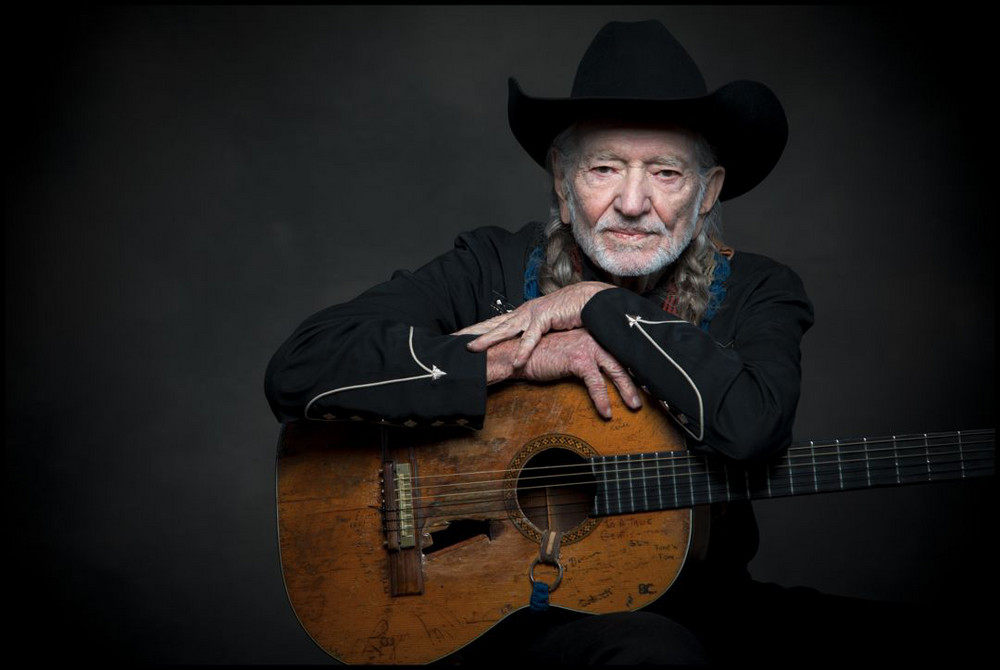
Willie Nelson
Country
Nashville Sound
Outlaw Country
4
/5
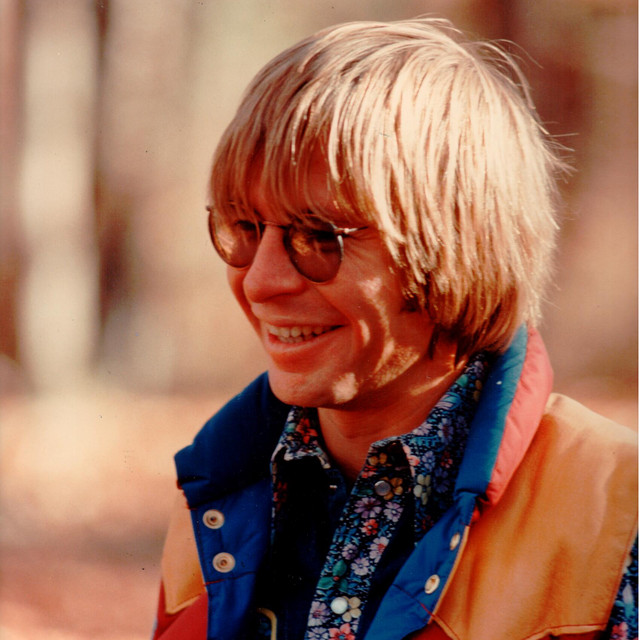
John Denver
Folk
Country
Folk Rock
1
/5
Various Artists
Soundtrack
Afro-Funk
Alternative Rock
4
/5
Bob Dylan
Folk
Folk Rock
Roots Rock
4
/5
Dolly Parton
Country
Nashville Sound
Pop
4
/5
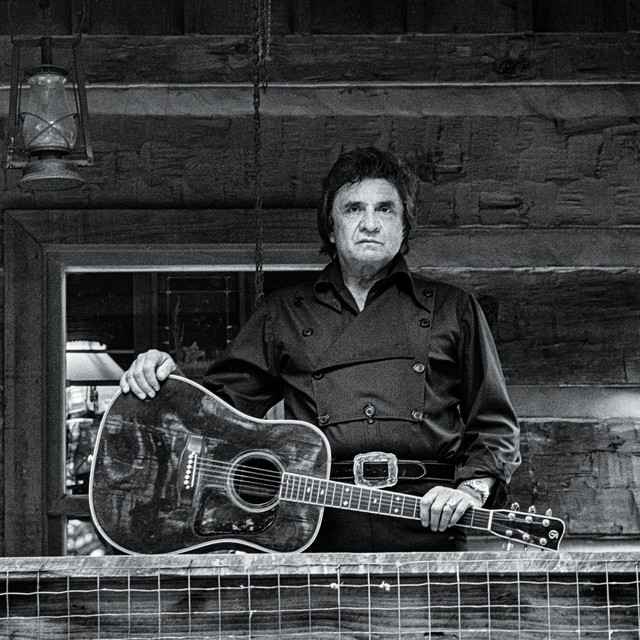
Johnny Cash
Country
Americana
Country Gospel
4
/5
Kenny Rogers
Country
Nashville Sound
Pop
4
/5
Dwight Yoakam
Bakersfield Sound
Country
Country Rock
4
/5
Nitty Gritty Dirt Band
Country
Country Rock
Bluegrass
4
/5
Ronnie Milsap
Country
Rock
Country Rock
Download our mobile app
Get the Melodigging app and start digging for new genres on the go
Download on the App Store
Get it on Google Play
© 2026 Melodigging
Give feedback
About & FAQ
Legal
Melodding was created as a tribute to
Every Noise at Once
, which inspired us to help curious minds keep digging into music's ever-evolving genres.