Genres
Artists
Albums
Make Music
Sign in
Sign in
Artists
Country
Artists
Country
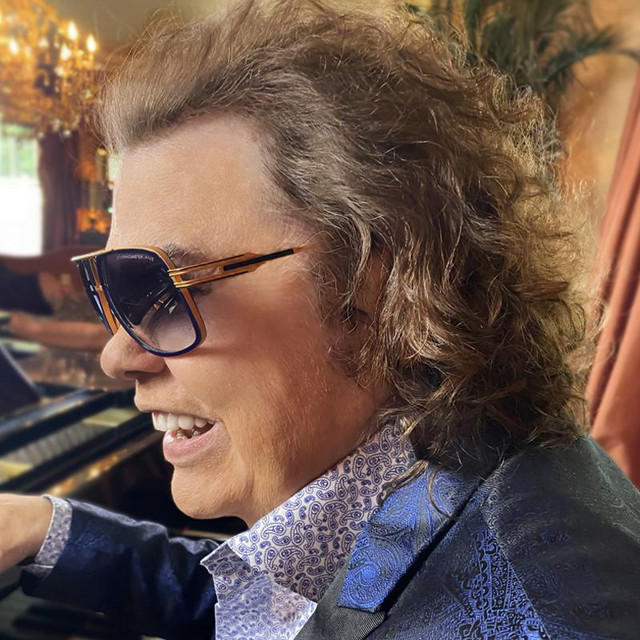
Ronnie Milsap
1981
·
1 album
Listen
4
/5
Genres
Country Road
Country road is a contemporary, radio‑friendly country style optimized for highway listening. It blends modern country pop sheen with heartland rock drive and soft‑rock smoothness, centering warm electric and acoustic guitars, steady backbeats, and sing‑along choruses. Lyrically it leans on story‑telling and snapshot imagery—open roads, small towns, relationships, personal resolve—delivered in a conversational tone. The feel is mid‑tempo, comforting, and panoramic, designed for cruising and easy repeat play.
Discover
Listen
Soundclown
Soundclown is an internet-born remix and mashup style that thrives on comedic juxtaposition, bait‑and‑switch reveals, and hyper-referential sample collage. It blends pop hits, game and cartoon music, ad jingles, meme sounds, and viral speech into quick-cut audio gags. The genre developed across YouTube and SoundCloud, favoring shock humor, nostalgia, and absurdity over traditional song form. Hallmarks include sudden key/tempo whiplash, exaggerated pitch-shifts, ear‑rending “earrape” peaks, and punchline drops that transform a familiar source into something hilariously incongruent. Because it is fundamentally platform-native, soundclown is as much a memetic editing culture as a musical style. Its tracks often function like sonic shitposts: fast, punchy, and built for instant recognition and shareability.
Discover
Listen
Urban Cowboy
Urban cowboy is a polished, radio‑friendly subgenre of country pop that blossomed at the turn of the 1980s. It melds mainstream Country songwriting with the smooth textures of 1970s L.A. soft pop and, at times, a light Disco pulse. Typical records feature gentle two‑step or straight 4/4 grooves, warm electric pianos and strings/synth pads, restrained pedal steel or clean electric guitar, and velvety, adult‑contemporary vocal production. Lyrically it lingers on barroom romance, working‑class aspiration, and big‑city night life, delivering memorable pop hooks designed for both the honky‑tonk floor and Top‑40 crossover.
Discover
Listen
Soft Rock
Soft rock is a mellow, melody-forward strain of rock and pop that favors smooth vocals, polished production, and restrained dynamics over distortion and aggression. Built on acoustic and clean electric guitars, piano or electric piano (Rhodes), light rhythm sections, and lush backing vocals or strings, the style centers on memorable hooks and sentimental themes. Its lyrics often explore love, heartbreak, nostalgia, and introspection, delivered with warmth and clarity. Tempos are moderate, grooves are unobtrusive, and harmonies are diatonic with tasteful color (maj7, add9) and occasional key changes. Commercially, soft rock flourished on AM radio and adult contemporary playlists in the 1970s and early 1980s, shaping the sound of radio-friendly ballads and influencing later styles like yacht rock and modern adult contemporary.
Discover
Listen
Country Rock
Country rock is a hybrid of country music’s storytelling, twang, and acoustic textures with rock’s backbeat, amplification, and song structures. It typically features electric and acoustic guitars, pedal steel, close vocal harmonies, and a steady 4/4 groove, while lyrics focus on roads, small towns, heartbreak, and everyday American life. The sound ranges from jangly and rootsy to polished and radio-friendly, bridging bar-band energy with country elegance and shaping the template for later Americana and heartland styles.
Discover
Listen
Blue-Eyed Soul
Blue‑eyed soul is a style of soul music performed primarily by white artists who adopt the vocal inflections, rhythmic feel, and arranging language of classic R&B and gospel. Emerging in the 1960s in the United States and the United Kingdom, it bridges Motown polish and Southern soul grit with pop‑oriented songwriting. Typical recordings feature impassioned lead vocals, stacked harmonies, backbeat‑driven rhythm sections, Hammond organ or electric piano, punchy horn lines, and occasionally lush strings. The result is radio‑friendly soul that retains emotional intensity while appealing to mainstream pop audiences. The label “blue‑eyed soul” has been used descriptively and sometimes controversially; it points to a sound rather than identity. Historically, however, it referred to white performers making music in a soul idiom.
Discover
Listen
Rock
Rock is a broad family of popular music centered on amplified instruments, a strong backbeat, and song forms that foreground riffs, choruses, and anthemic hooks. Emerging from mid‑20th‑century American styles like rhythm & blues, country, and gospel-inflected rock and roll, rock quickly expanded in scope—absorbing folk, blues, and psychedelic ideas—while shaping global youth culture. Core sonic markers include electric guitar (often overdriven), electric bass, drum kit emphasizing beats 2 and 4, and emotive lead vocals. Rock songs commonly use verse–chorus structures, blues-derived harmony, and memorable melodic motifs, ranging from intimate ballads to high‑energy, stadium‑sized performances.
Discover
Listen
Classic Country
Classic country refers to the traditional sound of American country music established from the 1940s through the 1970s, before the genre’s heavy pop crossover of later decades. It foregrounds storytelling, plainspoken vocals, and clean, twangy instrumentation such as acoustic guitar, Telecaster-style electric guitar, fiddle, pedal steel, upright or electric bass, piano, and restrained drums. Hallmark rhythms include the two-step (in 2/4), the steady 4/4 shuffle, the “train beat,” and the country waltz (3/4). Harmony is typically diatonic and rooted in I–IV–V progressions with occasional secondary dominants and simple turnarounds. Lyrically, classic country centers on love and heartache, rural and working-class life, faith, family, drinking and redemption, and the open road. Production is intimate and voice-forward, ranging from the raw honky-tonk bar-band feel to the smoother Nashville sound with tasteful strings and backing vocals.
Discover
Listen
Country
Country is a roots-based popular music from the rural American South that blends Anglo-Celtic ballad traditions with African American blues, gospel, and string-band dance music. It is characterized by narrative songwriting, plainspoken vocals with regional twang, and a palette of acoustic and electric instruments such as acoustic guitar, fiddle, banjo, pedal steel, and telecaster guitar. Rhythmically it favors two-step feels, train beats, shuffles, and waltzes, while harmony is largely diatonic (I–IV–V) with occasional country chromaticism and secondary dominants. Across a century, country has evolved through substyles like honky-tonk, the Nashville and Bakersfield sounds, outlaw country, neotraditionalist revivals, pop-country, and country-rap hybrids, but it consistently prioritizes storytelling about everyday life, love, work, faith, place, and identity.
Discover
Listen
Traditional Country
Traditional country is a roots-oriented branch of country music that preserves the acoustic timbres, plainspoken storytelling, and danceable rhythms of early "hillbilly" and honky-tonk styles. It favors fiddles, acoustic and steel guitars, upright bass, and modest percussion, with melodies and harmonies grounded in Anglo-American folk, gospel, and blues. Songs typically revolve around everyday life—love, heartbreak, faith, work, and small-town or rural experience—delivered with an unadorned, emotive vocal style. As a practice and ethos, traditional country resists pop sheen and elaborate production, emphasizing live ensemble interplay, two-step and waltz feels, and concise verse–chorus forms. Its sound is closely associated with the Grand Ole Opry era, barn-dance radio, and mid‑century jukebox honky-tonks.
Discover
Listen
Gospel
Gospel is a vocal-centered Christian genre whose lyrics explicitly express faith, salvation, hope, and communal testimony. Performances emphasize expressive lead vocals, choirs, call-and-response, and congregational participation, often supported by piano/organ, handclaps, and a rhythm section. While the modern form coalesced in the early 20th century through urban church music and the work of composer–leaders such as Thomas A. Dorsey, its roots trace back to earlier Christian hymnody and African American sacred traditions. Across cultures and denominations, gospel functions in worship, evangelism, community celebration, and—by the late 20th century—in commercial recordings and concerts. Stylistically, gospel spans traditional quartet and choir styles, “gospel blues,” and contemporary fusions with R&B, soul, pop, and hip hop. What unites these strands are dominant vocals, testimonial lyrics grounded in Scripture and lived experience, and a performance practice designed to move both spirit and body.
Discover
Listen
Show all 11 genres
Albums
1981
4
/5
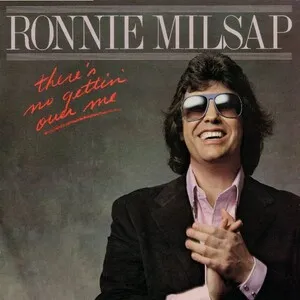
There's No Gettin' Over Me
Ronnie Milsap
Urban Cowboy
Country
Country Rock
Similar artists
4
/5
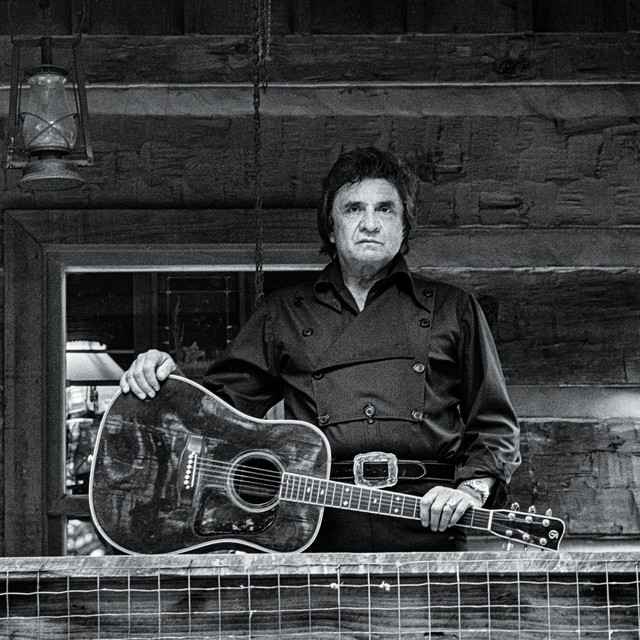
Johnny Cash
Country
Rock
Country Gospel
4
/5
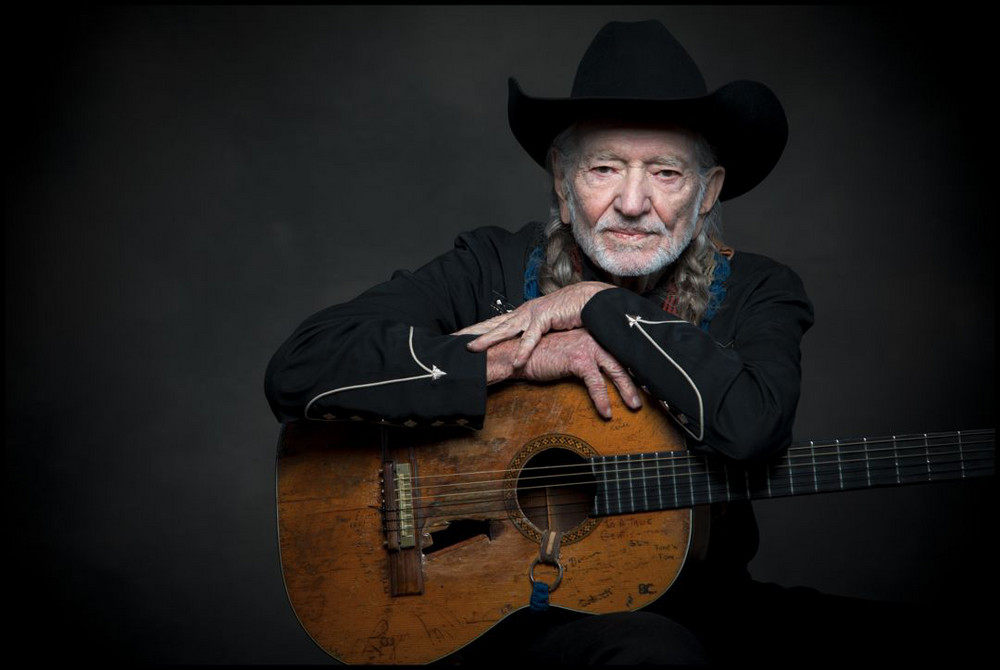
Willie Nelson
Country
Nashville Sound
Outlaw Country
4
/5
Dwight Yoakam
Bakersfield Sound
Country
Honky Tonk
4
/5
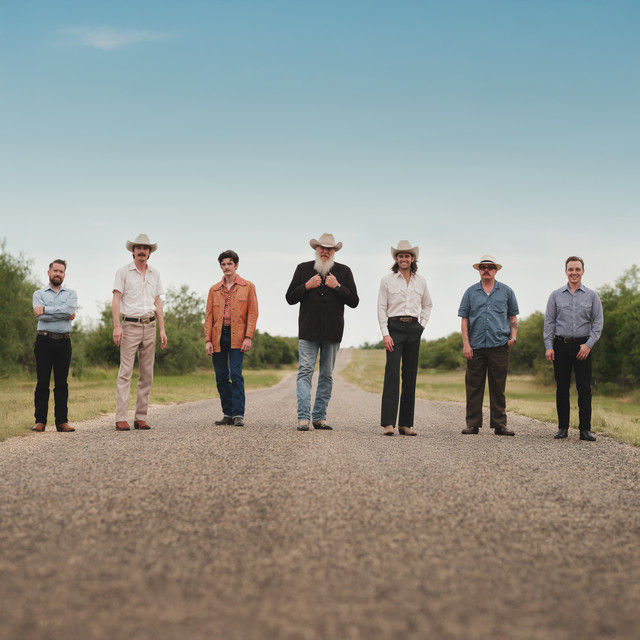
Nitty Gritty Dirt Band
Country Rock
Bluegrass
Country
3
/5
Asleep At The Wheel
Western Swing
Country
Country Rock
4
/5
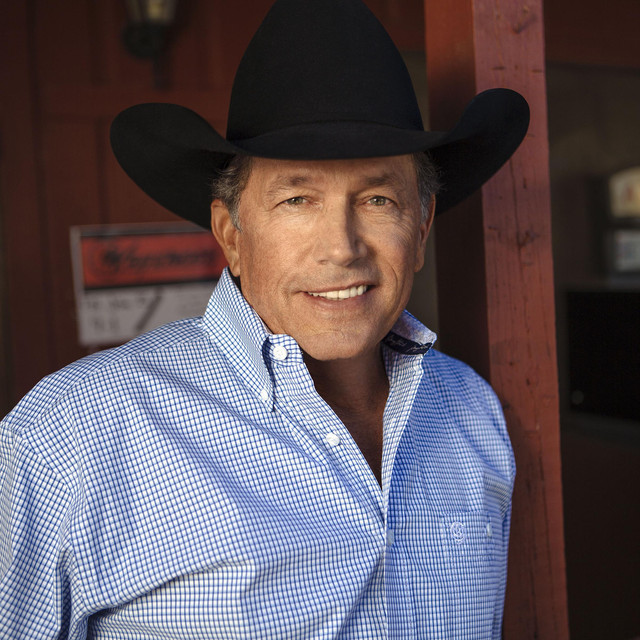
George Strait
Honky Tonk
Traditional Country
Country
4
/5
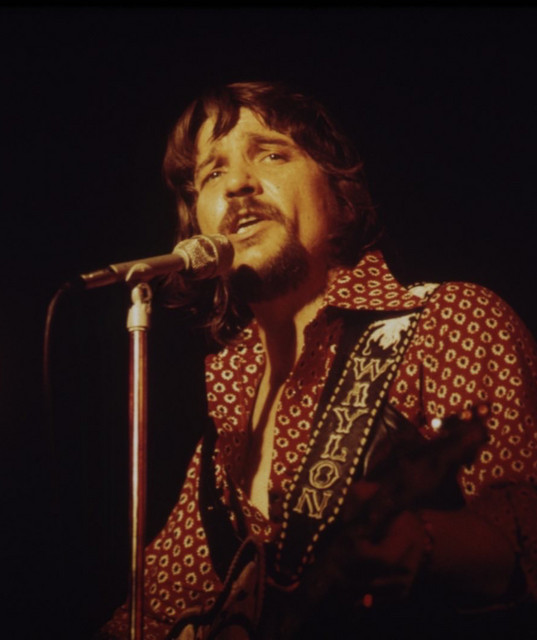
Waylon Jennings
Country
Outlaw Country
Honky Tonk
4
/5
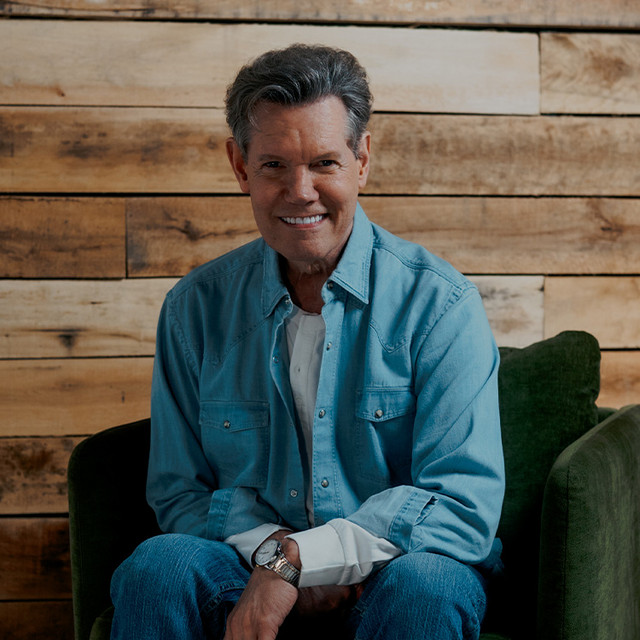
Randy Travis
Country
Country Gospel
Traditional Country
4
/5
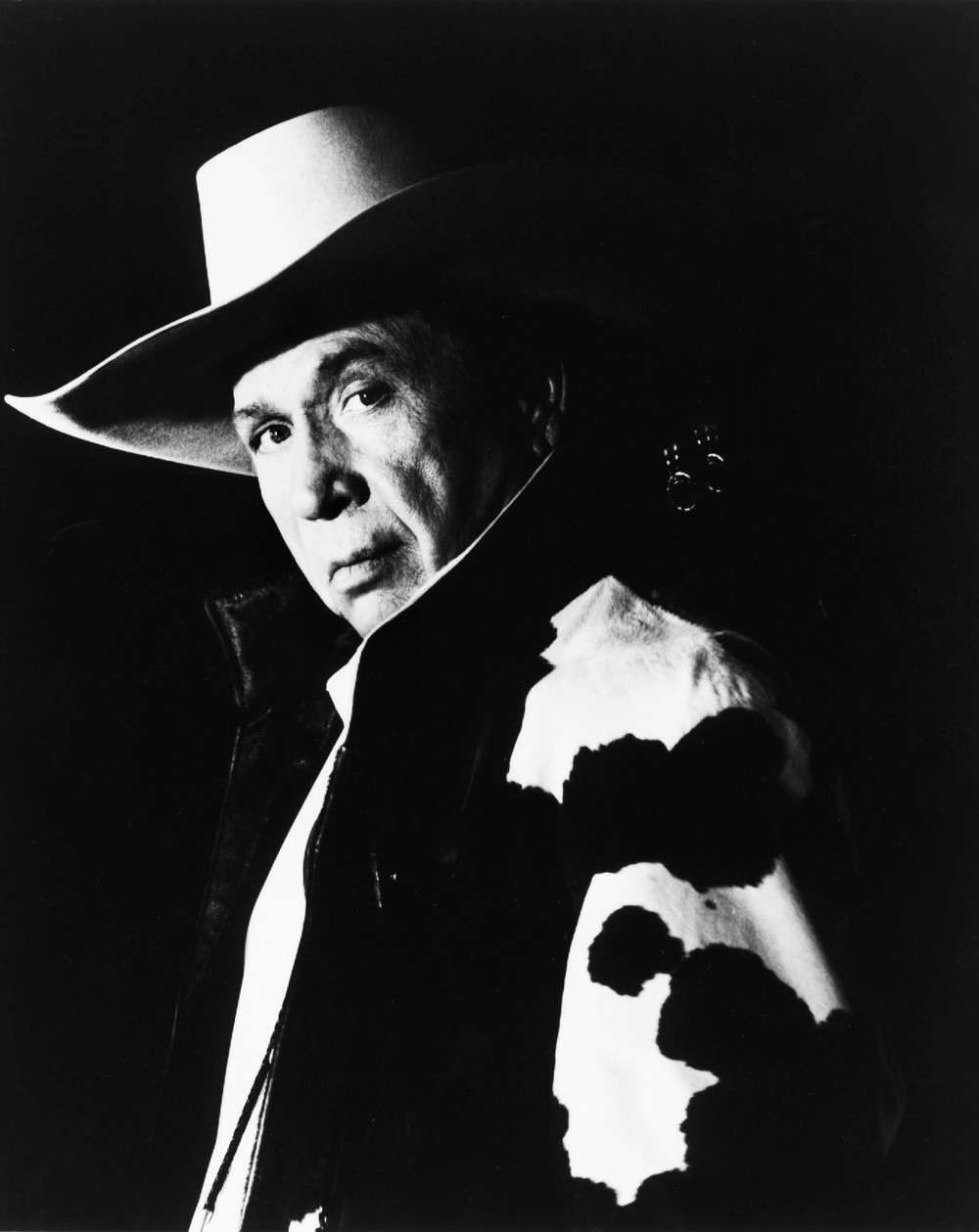
Buck Owens
Country
Bakersfield Sound
Honky Tonk
5
/5
Dolly Parton
Country
Nashville Sound
Pop
Download our mobile app
Get the Melodigging app and start digging for new genres on the go
Download on the App Store
Get it on Google Play
© 2026 Melodigging
Give feedback
Legal
Melodding was created as a tribute to
Every Noise at Once
, which inspired us to help curious minds keep digging into music's ever-evolving genres.