Your digging level
Description
Urban cowboy is a polished, radio‑friendly subgenre of country pop that blossomed at the turn of the 1980s.
It melds mainstream Country songwriting with the smooth textures of 1970s L.A. soft pop and, at times, a light Disco pulse. Typical records feature gentle two‑step or straight 4/4 grooves, warm electric pianos and strings/synth pads, restrained pedal steel or clean electric guitar, and velvety, adult‑contemporary vocal production.
Lyrically it lingers on barroom romance, working‑class aspiration, and big‑city night life, delivering memorable pop hooks designed for both the honky‑tonk floor and Top‑40 crossover.


History
Urban cowboy emerged from the convergence of country pop and the soft-pop aesthetics flourishing on the U.S. West Coast in the late 1970s. Houston‑area dancehalls (notably Gilley’s in Pasadena, Texas) popularized a smoother, dance‑oriented country sound that favored polished arrangements and easy two‑step tempos over rougher bar‑band grit.
The 1980 film Urban Cowboy (starring John Travolta), its hit soundtrack, and the visibility of mechanical‑bull dancehalls brought the scene into national focus. Radio tightened playlists around crossover‑ready singles by Johnny Lee, Mickey Gilley, Kenny Rogers, Dolly Parton, Eddie Rabbitt, Anne Murray, Crystal Gayle, Ronnie Milsap, Barbara Mandrell, and Alabama. Production leaned on soft rock’s studio sheen—electric pianos, string pads, bright background vocals—and sometimes borrowed Disco’s steady hi‑hat or four‑on‑the‑floor undercurrent, yielding country songs that fit adult‑contemporary formats.
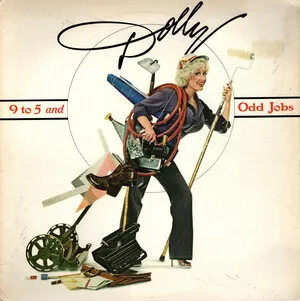
Labels invested in Nashville and Los Angeles sessions that foregrounded hooks, mid‑tempo grooves, and immaculate mixing. Singles like “Lookin’ for Love,” “I Love a Rainy Night,” and “9 to 5” crossed from the country charts to the Billboard Hot 100, cementing the style’s status as the pop face of country.
By the mid‑1980s, the neotraditional country wave (e.g., George Strait, Randy Travis) pushed radio toward a more roots‑leaning sound, and the urban cowboy moment cooled. Its production values and crossover logic, however, left a durable blueprint for later country‑pop and modern country rock—slick mixes, big choruses, and adult‑contemporary accessibility that continued to shape country’s mainstream for decades.