Genres
Artists
Albums
Make Music
Sign in
Sign in
Artists
Shoegaze
Artists
Shoegaze
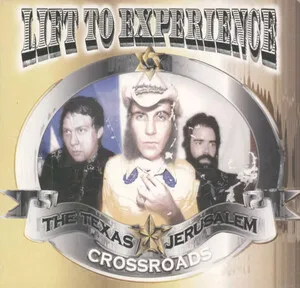
Lift To Experience
2001–2017
·
3 albums
Listen
2
/5
Genres
Texasgaze
Texasgaze is a regional strain of modern shoegaze that crystallized in Texas during the 2010s. It blends the immersive guitar wash and hazy vocals of classic shoegaze with the grit and heft of Southern grunge, noise rock, and post-hardcore. Compared with dreamier UK-inspired scenes, texasgaze typically runs hotter and heavier: high‑gain guitars, drop‑tuned or thickly voiced riffs, and punchy, live‑room drums sit under breathy, often buried vocals. The result is both enveloping and physical—equal parts shimmering atmosphere and concrete, stage‑shaking impact.
Discover
Listen
Windmill Scene
The Windmill scene refers to the cluster of experimental indie, post‑punk, and art‑rock bands that coalesced around The Windmill pub venue in Brixton, South London. Emerging in the late 2010s, the scene is characterized by knotty rhythms, angular guitars, spoken‑sung or declamatory vocals, and frequent use of saxophone, violin, and synths. Bands associated with the scene blend post‑punk urgency with avant‑prog ambition, no wave abrasion, and jazz-informed spontaneity, often favoring raw, live‑in‑the‑room production aesthetics. Lyrically, the scene leans toward sardonic social observation, surreal storytelling, and metropolitan anxiety, while performances emphasize high energy, improvisational turns, and dynamic contrasts.
Discover
Listen
Post-Rock
Post-rock is a style that uses traditional rock instrumentation—guitars, bass, drums, and often piano or strings—to create expansive textures, evolving soundscapes, and dynamic arcs rather than conventional verse–chorus songs. It emphasizes timbre, atmosphere, and gradual development: clean or lightly overdriven guitars drenched in delay and reverb, cyclical ostinatos, layered crescendos, and pronounced quiet–loud dynamics. Vocals, if present, are often sparse, wordless, or treated as another textural layer. The genre draws heavily from ambient, minimalism, krautrock, progressive and space rock, shoegaze, noise rock, and experimental practices, yielding music that can feel cinematic, contemplative, and emotionally cathartic.
Discover
Listen
Alternative Country
Alternative country (often shortened to alt-country) is a roots-oriented offshoot of country that blends the storytelling, twang, and acoustic instrumentation of classic country with the attitude, DIY ethos, and sonic grit of indie rock and punk. It arose as a reaction to the glossy production and commercial polish of mainstream Nashville in the late 1980s and 1990s. Hallmarks include weathered vocals, prominent acoustic and electric guitars (often with pedal steel), unfussy rhythm sections, and lyrics that foreground realism, heartbreak, working-class lives, and wandering souls. Production tends to be raw and unvarnished, favoring live-in-the-room feel over studio sheen. The result is music that sits comfortably between country, folk, and rock while retaining the emotional directness of traditional country.
Discover
Listen
Space Rock Revival
Space rock revival is a late-20th-century resurgence of the expansive, cosmic-minded rock pioneered in the 1960s–70s. It blends hypnotic repetition, long-form song structures, and saturated, effects-heavy guitars with analog synthesizers and cosmic imagery. Typically, the style emphasizes motorik or loping 4/4 grooves, droning bass ostinati, and wide, reverberant mixes that evoke vastness. Guitars are layered with delay, phaser, tremolo, and fuzz; synths, organs, and oscillators provide swirling pads, bleeps, and arpeggios. The mood ranges from dreamy and meditative to soaring and cathartic, with lyrics that often orbit themes of space, distance, transcendence, and introspection.
Discover
Listen
Shoegaze
Shoegaze is a subgenre of alternative rock characterized by dense, immersive walls of guitar sound, heavily layered effects, and vocals that blend into the mix as another texture rather than a focal point. Typically mid-tempo and enveloping, it emphasizes timbre, atmosphere, and harmonic color over riff-driven hooks. Reverb, delay, chorus, tremolo, fuzz, and pitch-bending create a blurred, dreamlike quality—often described as a "wash"—while bass and drums provide a steady, understated foundation. The style emerged in the United Kingdom in the late 1980s; the term "shoegaze" was coined by the British press, referencing performers’ tendency to look down at their pedalboards during live shows.
Discover
Listen
Contemporary Christian
Contemporary Christian music (CCM) is a broad umbrella of popular music that expresses the Christian faith using the sound, structures, and production values of mainstream pop, rock, and singer‑songwriter styles. Emerging from the late‑1960s Jesus Movement, it pairs radio‑friendly hooks and polished arrangements with explicitly Christian lyrics—ranging from personal testimony and devotion to congregational praise. Over time, CCM has absorbed elements from soft rock, folk, country, and modern pop trends, and it now includes both artist‑driven radio pop and church‑oriented worship music.
Discover
Listen
Neo-Psychedelia
Neo-psychedelia is a late-20th-century revival and reinvention of 1960s psychedelic music aesthetics, filtered through post-punk, indie, and experimental sensibilities. It emphasizes hypnotic textures, droning guitars, heavy use of effects (reverb, delay, phasing), analogue organs/synths, and dreamlike or surreal lyricism. Rhythms may draw from motorik and other steady, trance-inducing grooves, while harmony often favors modal colors and repetitive vamps. The style ranges from jangly, melodic songs to dense, feedback-laden soundscapes, and has been highly influential on dream pop, shoegaze, Britpop-adjacent scenes, and modern psych rock.
Discover
Listen
Christian Rock
Christian rock is a family of rock styles whose lyrics and outlook are explicitly Christian, ranging from evangelistic and testimonial songs to social commentary filtered through a Christian worldview. Musically, it spans the same breadth as mainstream rock—soft rock ballads, heartland and country-tinged rock, pop-rock, alternative, hard rock, and even metal—while keeping melodies and hooks accessible for radio and congregational settings. Typical instrumentation includes electric guitars, bass, drums, and keyboards, with production that varies from raw garage energy to polished arena-sized anthems. The genre coalesced out of the late-1960s Jesus movement and the early-1970s "Jesus music" scene, later developing a robust industry of labels, radio, and festivals. While purpose-driven in its message, Christian rock has produced artists who crossed into the mainstream and influenced modern worship’s arena-rock sound.
Discover
Listen
Space Rock
Space rock is a psychedelic branch of rock characterized by long-form, hypnotic grooves, swirling guitars awash in delay and reverb, and prominent analog synthesizers that evoke cosmic or interstellar imagery. The music often emphasizes texture and atmosphere over conventional song structures, creating expansive soundscapes that feel weightless and otherworldly. Emerging in late-1960s Britain from the overlap of psychedelic rock, early progressive rock, and experimental electronics, space rock frequently employs motorik-leaning rhythms, modal or drone-based harmony, and science-fiction themes. Extended improvisations, phased and fuzz-drenched timbres, and tape or echo effects are common, encouraging a sense of forward drift and cosmic exploration.
Discover
Listen
Xian Psych
Xian psych ("Christian psych") is a strand of psychedelic rock and folk that centers explicitly Christian and biblical themes. It uses dreamy, transcendent sonics—fuzzed guitars, reverb-soaked vocals, churchy organs, and spacious tape echoes—to evoke a sense of spiritual awe and inner vision. The style often borrows hymn-like melodies, liturgical cadences, and devotional lyrics, fusing them with the exploratory textures of late‑1960s psychedelia. The result is music that feels simultaneously otherworldly and devotional, portraying faith, prayer, and scripture through surreal, visionary soundscapes.
Discover
Listen
Rock
Rock is a broad family of popular music centered on amplified instruments, a strong backbeat, and song forms that foreground riffs, choruses, and anthemic hooks. Emerging from mid‑20th‑century American styles like rhythm & blues, country, and gospel-inflected rock and roll, rock quickly expanded in scope—absorbing folk, blues, and psychedelic ideas—while shaping global youth culture. Core sonic markers include electric guitar (often overdriven), electric bass, drum kit emphasizing beats 2 and 4, and emotive lead vocals. Rock songs commonly use verse–chorus structures, blues-derived harmony, and memorable melodic motifs, ranging from intimate ballads to high‑energy, stadium‑sized performances.
Discover
Listen
Show all 12 genres
Albums
2017
2
/5
The Texas-Jerusalem Crossroads
Lift to Experience
Space Rock
Post-Rock
Alternative Country
2001
3
/5
The Texas-Jerusalem Crossroads
Lift to Experience
Christian Rock
Space Rock Revival
Shoegaze
The Texas-Jerusalem Crossroads
Lift to Experience
Contemporary Christian
Similar artists
3
/5
NewDad
Lo-Fi Indie
Digital Horror
Experimental Indie
3
/5
Mogwai
Cosmic Post-Rock
Post-Rock
Instrumental Post-Rock
2
/5
Lantlôs
Post-Rock
Post-Metal
Shoegaze
2
/5
Holy Fawn
Doomgaze
American Post-Rock
Post-Rock
2
/5
Planning For Burial
Shoegaze
Doomgaze
Analog Horror
1
/5
WALRUS
Shoegaze
Alternative Rock
Dream Pop
4
/5
Mazzy Star
Melancholia
Slowcore
Dream Pop
4
/5
Ethel Cain
Countrygaze
Modern Dream Pop
Slowcore
4
/5
Slowdive
Dream Pop
Shoegaze
Reading Indie
3
/5
Black Country, New Road
Post-Rock
Windmill Scene
Art Rock
Download our mobile app
Get the Melodigging app and start digging for new genres on the go
Download on the App Store
Get it on Google Play
© 2026 Melodigging
Give feedback
Legal
Melodding was created as a tribute to
Every Noise at Once
, which inspired us to help curious minds keep digging into music's ever-evolving genres.