Genres
Artists
Albums
Make Music
Sign in
Sign in
Artists
Jazz
Artists
Jazz
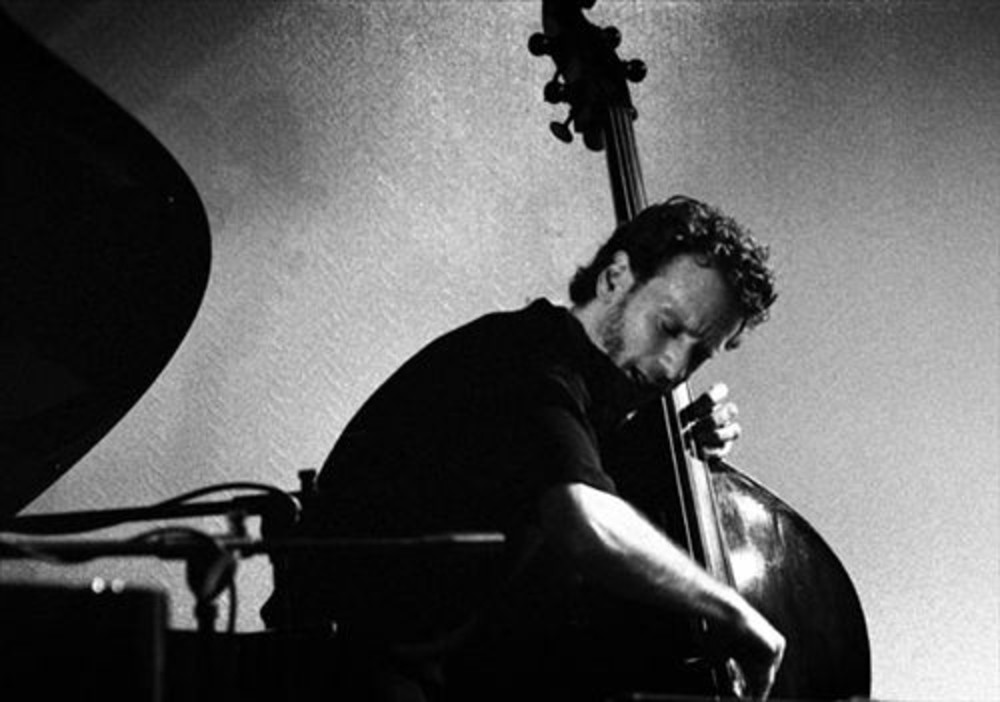
Larry Grenadier
2016–2019
·
2 albums
Listen
2
/5
Genres
Jazz Fusion
Jazz fusion (often simply called "fusion") blends the improvisational language and harmonic richness of jazz with the amplified instruments, grooves, and song forms of rock, funk, and R&B. It typically features electric guitars, electric bass or fretless bass, Rhodes electric piano, clavinet, analog and digital synthesizers, and a drum kit playing backbeat- and syncopation-heavy patterns. Hallmarks include extended chords and modal harmony, complex and shifting meters, brisk unison lines, virtuosic improvisation, and a production aesthetic that embraces effects processing and studio craft. The style ranges from fiery, aggressive workouts to polished, atmospheric textures, often within the same piece. Emerging in the late 1960s and flourishing through the 1970s, jazz fusion became a bridge between jazz audiences and rock/funk listeners, shaping later styles such as jazz-funk, smooth jazz, nu jazz, and parts of progressive and technical rock/metal.
Discover
Listen
Post-Bop
Post-bop is a modern jazz style that emerged in the early-to-mid 1960s as a synthesis of bebop, hard bop, modal jazz, cool jazz, third stream ideas, and the experimental impulses of the avant‑garde. It typically features acoustic small ensembles (often trumpet, saxophone, piano, bass, and drums) interacting with highly flexible time, non-functional or modal harmony, and motivic development rather than relying strictly on bebop chord cycles. Its sound balances structure and freedom: forms are clearly composed and often intricate, but improvisers stretch time feels, reharmonize on the fly, and use advanced harmonic colors such as quartal voicings, pedal points, and chromatic planing. Canonical touchstones include Miles Davis’s mid‑’60s Second Great Quintet (e.g., E.S.P., Nefertiti), Wayne Shorter’s Speak No Evil, Herbie Hancock’s Maiden Voyage, Andrew Hill’s Point of Departure, and many mid‑’60s Blue Note recordings that pushed beyond hard bop.
Discover
Listen
Jazz Double Bass
Jazz double bass refers to the role, techniques, and repertoire of the upright bass (double bass/contrabass) in jazz settings, from traditional New Orleans styles to contemporary avant‑garde and fusion. Characterized by a warm, percussive pizzicato tone, the instrument anchors harmony and time through walking bass lines, two‑feel patterns, and stylistic articulations such as swing, bop, and Latin grooves. Early players favored gut strings and acoustic projection; from the mid‑20th century onward, steel strings, pickups, and amplification broadened its dynamic range and soloistic possibilities. A rich arco (bowed) tradition—especially in ballads, modern jazz, and free improvisation—complements the dominant pizzicato practice. Jazz double bass encompasses foundational techniques (quarter‑note walking, chromatic approaches, voice‑leading through changes), idiomatic gestures (slap, ghost notes, rakes, glissandi, harmonics), and diverse ensemble roles (big band section, small‑group interplay, and solo feature). It is both the rhythmic engine with the drums and a lyrical voice capable of melodic solos and countermelodies.
Discover
Listen
Jazz
Jazz is an improvisation-centered music tradition that emerged from African American communities in the early 20th century. It blends blues feeling, ragtime syncopation, European harmonic practice, and brass band instrumentation into a flexible, conversational art. Defining features include swing rhythm (a triplet-based pulse), call-and-response phrasing, blue notes, and extended harmonies built on 7ths, 9ths, 11ths, and 13ths. Jazz is as much a way of making music—spontaneous interaction, variation, and personal sound—as it is a set of forms and tunes. Across its history, jazz has continually hybridized, from New Orleans ensembles and big-band swing to bebop, cool and hard bop, modal and free jazz, fusion, and contemporary cross-genre experiments. Its influence permeates global popular and art music.
Discover
Listen
Cimbalom
Cimbalom is a performance-centered genre built around the Hungarian concert cimbalom, a large chromatic hammered dulcimer played with lightweight beaters and controlled with a damper pedal. Its shimmering attacks, rolling tremolos, and bell-like arpeggios make it a signature sound of Central and Eastern Europe. While related dulcimers existed for centuries, the modern concert cimbalom was standardized in Budapest in the 1870s. The instrument then became central to urban Romani ("Gypsy") orchestras and Romanian taraf ensembles, and later entered classical, jazz, and film music. In this genre context, "cimbalom" denotes repertoire and ensembles where the instrument is the expressive lead voice.
Discover
Listen
Albums
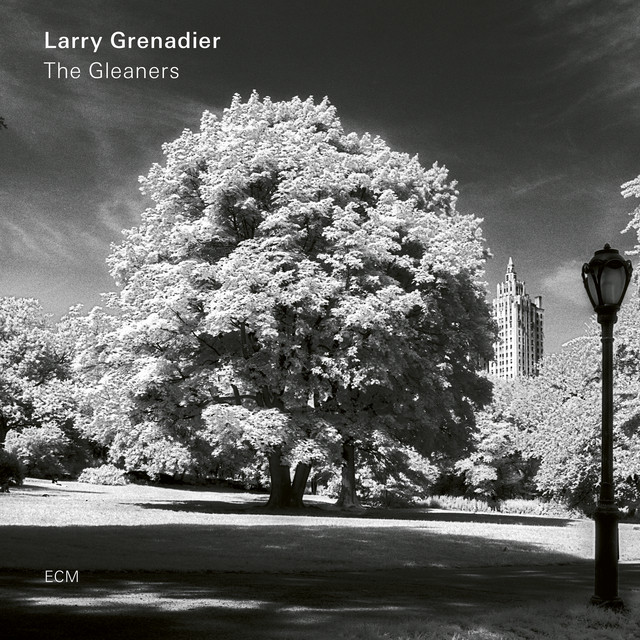
2019
The Gleaners
Larry Grenadier
Jazz Double Bass
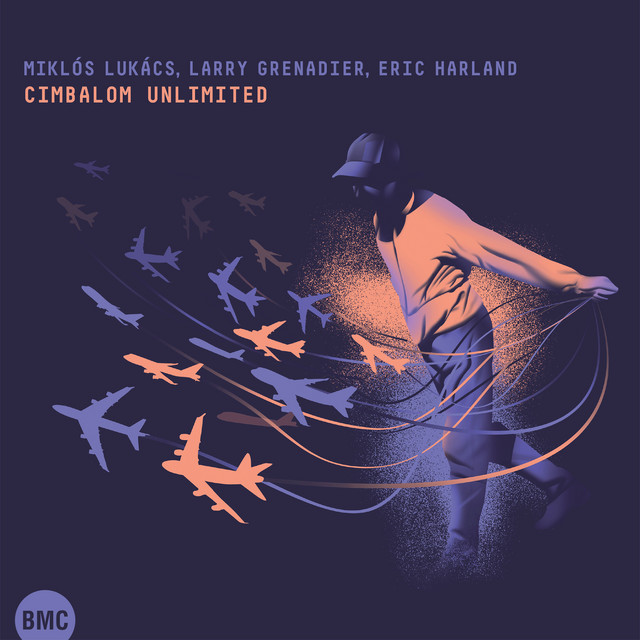
2016
Cimbalom Unlimited
Miklós Lukács, Larry Grenadier, Eric Harland
Cimbalom
Similar artists
4
/5
Miles Davis
Hard Bop
Jazz
Jazz Fusion
3
/5
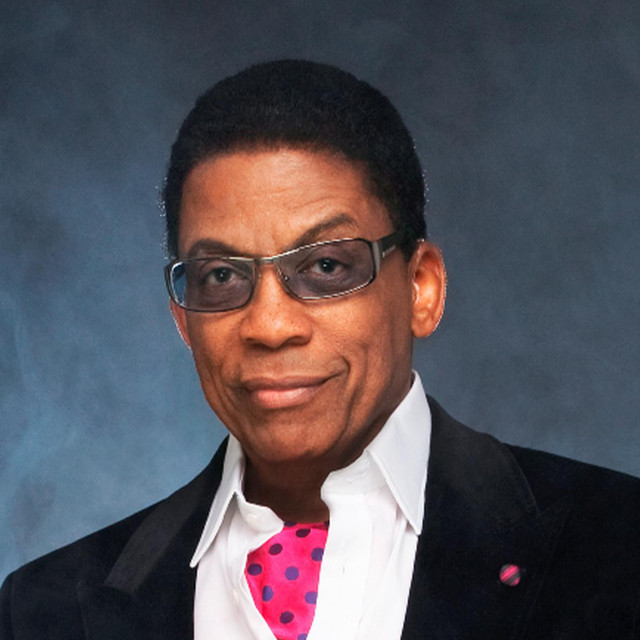
Herbie Hancock
Jazz
Jazz Fusion
Jazz-Funk
3
/5
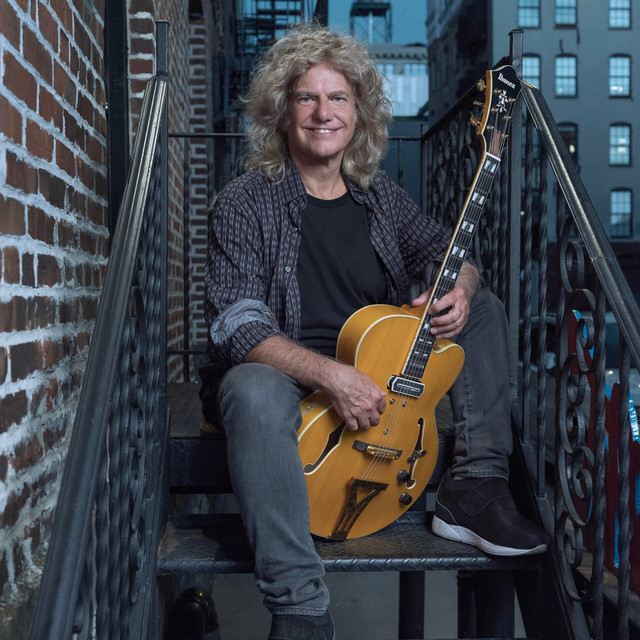
Pat Metheny
Avant-Garde Jazz
Jazz
Jazz Fusion
3
/5
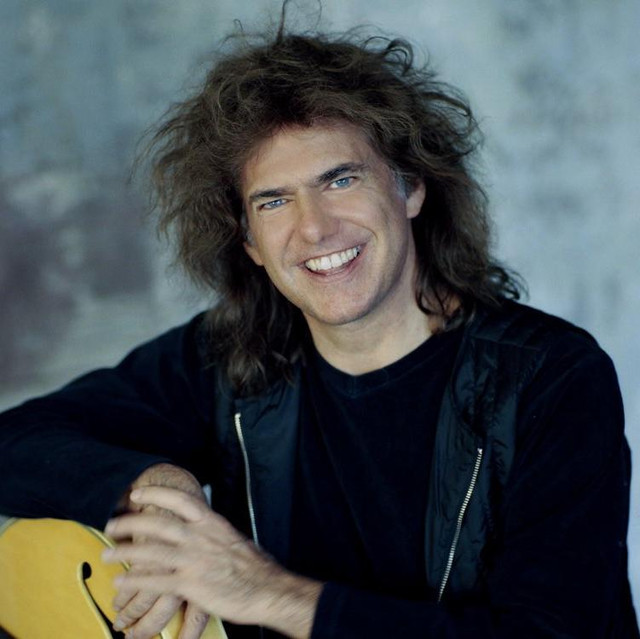
Pat Metheny Group
Jazz
Jazz Fusion
Ecm Style Jazz
3
/5
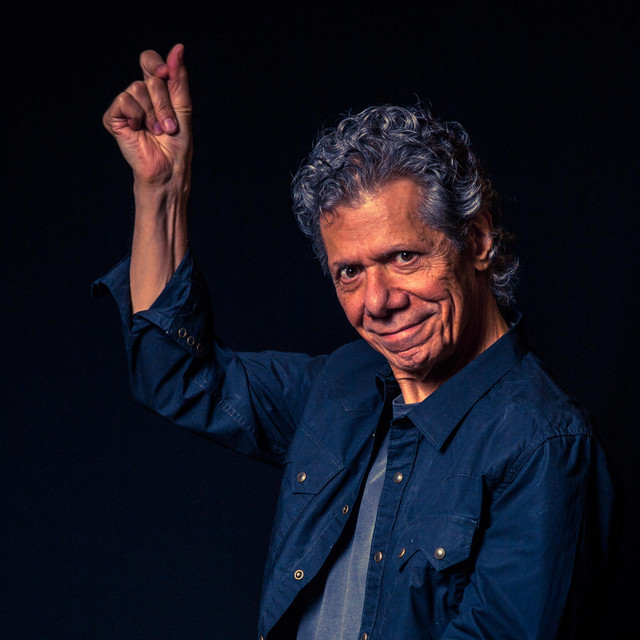
Chick Corea
Ecm Style Jazz
Jazz Fusion
Free Jazz
3
/5
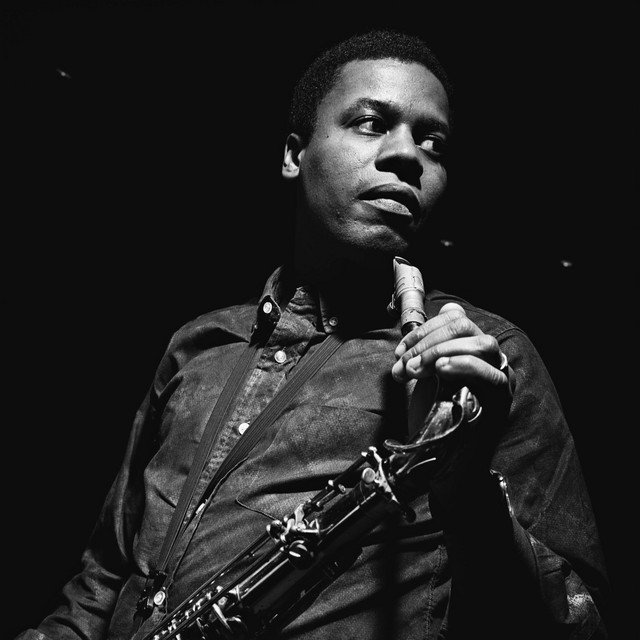
Wayne Shorter
Hard Bop
Jazz
Post-Bop
3
/5
Ryo Fukui
Jazz
Bebop
Jazz Fusion
3
/5
Hiromi
Jazz
Jazz Fusion
Third Stream
3
/5
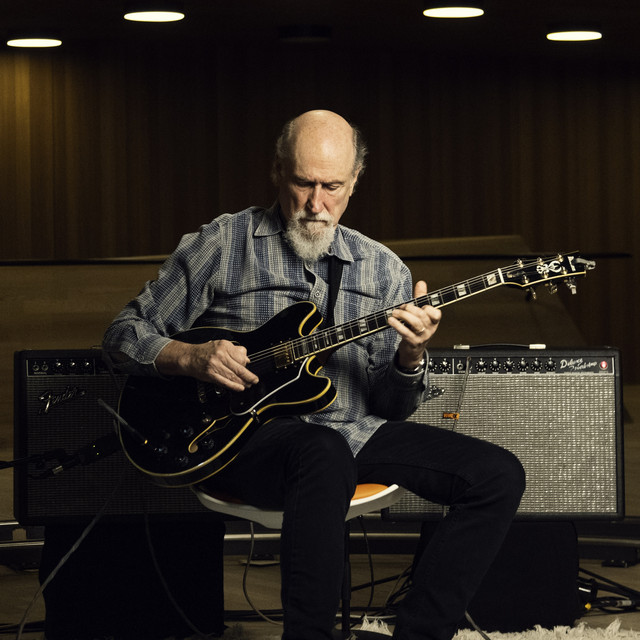
John Scofield
Jazz
Jazz Blues
Jazz Fusion
3
/5
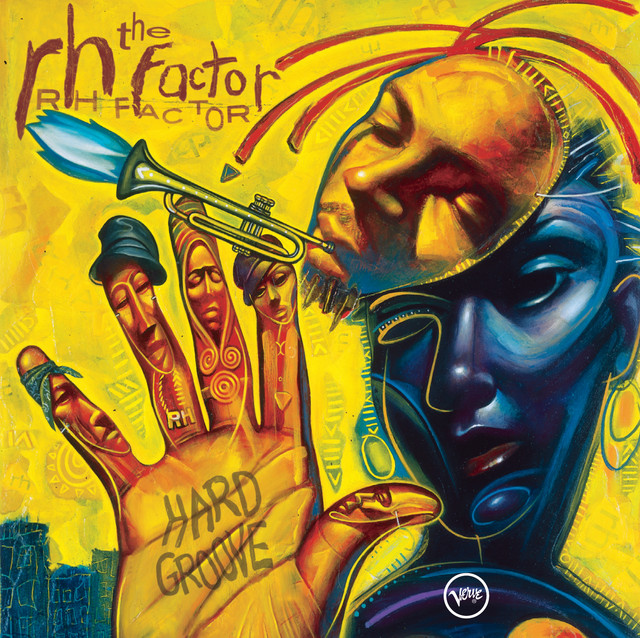
The RH Factor
Jazz
Jazz-Funk
Acid Jazz
Download our mobile app
Get the Melodigging app and start digging for new genres on the go
Download on the App Store
Get it on Google Play
© 2026 Melodigging
Give feedback
Legal
Melodding was created as a tribute to
Every Noise at Once
, which inspired us to help curious minds keep digging into music's ever-evolving genres.