Genres
Artists
Albums
Make Music
Sign in
Sign in
Artists
Jazz
Artists
Jazz
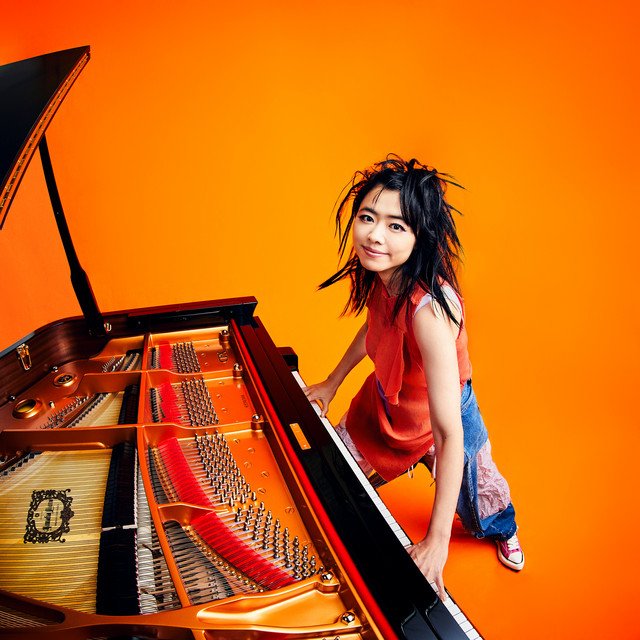
Hiromi
2021
·
1 album
Listen
3
/5
Genres
New Jazz
New Jazz is a contemporary subgenre of trap music that emerged from the underground SoundCloud scene. Despite its name, it is distinct from the 'Nu Jazz' of the 1990s. It is characterized by colorful, repetitive synthesizer melodies, often utilizing jazz-influenced 7th and 9th chords, paired with 'wonky' or off-kilter 808 basslines and bouncy, complex trap drum patterns. The sound is often described as psychedelic, playful, and experimental, bridging the gap between the aggression of Rage beats and the melodic sensibilities of Pluggnb.
Discover
Listen
Background Piano
Background piano is a contemporary, minimalist piano style designed to sit comfortably behind other activities such as reading, study, work, or meditation. The pieces are short, spacious, and consonant, prioritizing mood and texture over virtuosic display. Typical tracks feature soft dynamics (often with felted or muted pianos), slow tempos, gentle ostinatos, and simple diatonic harmonies colored by added 2nds or 9ths. Subtle ambience—room tone, reverb, light tape hiss—blurs edges and enhances a sense of stillness. It is music that rewards close listening yet never demands it, aligning with the ambient principle of being “as ignorable as it is interesting.”
Discover
Listen
Contemporary Jazz
Contemporary jazz is an umbrella term for post-1970 jazz that absorbs advances from post‑bop, fusion, free jazz, modern classical, and global traditions while retaining the core values of improvisation and interaction. It favors a flexible rhythmic feel (from straight‑8 to polyrhythms), modal and post‑tonal harmony, and a producer’s ear for space, texture, and sound design. Unlike earlier era labels tied to a single movement, contemporary jazz denotes a living, evolving practice. It ranges from intimate acoustic trios to electronics‑enhanced ensembles, often using odd meters, ambient timbres, and song forms that move beyond the 32‑bar standard. The result is a wide spectrum—from lyrical, ECM‑influenced spaciousness to groove‑forward, rhythmically intricate music influenced by funk and world traditions.
Discover
Listen
Jazz Fusion
Jazz fusion (often simply called "fusion") blends the improvisational language and harmonic richness of jazz with the amplified instruments, grooves, and song forms of rock, funk, and R&B. It typically features electric guitars, electric bass or fretless bass, Rhodes electric piano, clavinet, analog and digital synthesizers, and a drum kit playing backbeat- and syncopation-heavy patterns. Hallmarks include extended chords and modal harmony, complex and shifting meters, brisk unison lines, virtuosic improvisation, and a production aesthetic that embraces effects processing and studio craft. The style ranges from fiery, aggressive workouts to polished, atmospheric textures, often within the same piece. Emerging in the late 1960s and flourishing through the 1970s, jazz fusion became a bridge between jazz audiences and rock/funk listeners, shaping later styles such as jazz-funk, smooth jazz, nu jazz, and parts of progressive and technical rock/metal.
Discover
Listen
Post-Bop
Post-bop is a modern jazz style that emerged in the early-to-mid 1960s as a synthesis of bebop, hard bop, modal jazz, cool jazz, third stream ideas, and the experimental impulses of the avant‑garde. It typically features acoustic small ensembles (often trumpet, saxophone, piano, bass, and drums) interacting with highly flexible time, non-functional or modal harmony, and motivic development rather than relying strictly on bebop chord cycles. Its sound balances structure and freedom: forms are clearly composed and often intricate, but improvisers stretch time feels, reharmonize on the fly, and use advanced harmonic colors such as quartal voicings, pedal points, and chromatic planing. Canonical touchstones include Miles Davis’s mid‑’60s Second Great Quintet (e.g., E.S.P., Nefertiti), Wayne Shorter’s Speak No Evil, Herbie Hancock’s Maiden Voyage, Andrew Hill’s Point of Departure, and many mid‑’60s Blue Note recordings that pushed beyond hard bop.
Discover
Listen
Third Stream
Third stream is a hybrid genre that intentionally merges the languages of jazz and Western classical music. Coined by composer and horn player Gunther Schuller in 1957, the term describes music that is neither "jazz with strings" nor classical music with a swing veneer, but a true synthesis. It typically combines classical forms (such as fugue, theme and variations, or concerto-like structures) and orchestration with jazz harmony, rhythm, and improvisation. The results range from chamber-sized works for jazz combo and string quartet to large pieces for orchestra and jazz soloists. Third stream pieces often alternate between fully notated sections and improvised passages, use counterpoint and extended harmony, and may blend straight and swung time feels within a single work.
Discover
Listen
Avant-Garde Jazz
Avant-garde jazz is a boundary-pushing current of jazz that privileges experimentation, collective improvisation, and timbral exploration over conventional song forms and chord progressions. It often uses atonality or loose tonality, extended instrumental techniques, shifting or absent meters, and open forms. Ensembles may emphasize texture and density as much as melody and harmony, drawing as readily from modern classical music and non-Western traditions as from blues and bebop. While sometimes intense or noisy, avant-garde jazz also embraces spaciousness and silence, allowing players to interact in real time without predetermined roles. The result is music that questions the limits of jazz itself, foregrounding sound, spontaneity, and social expression.
Discover
Listen
Jazz
Jazz is an improvisation-centered music tradition that emerged from African American communities in the early 20th century. It blends blues feeling, ragtime syncopation, European harmonic practice, and brass band instrumentation into a flexible, conversational art. Defining features include swing rhythm (a triplet-based pulse), call-and-response phrasing, blue notes, and extended harmonies built on 7ths, 9ths, 11ths, and 13ths. Jazz is as much a way of making music—spontaneous interaction, variation, and personal sound—as it is a set of forms and tunes. Across its history, jazz has continually hybridized, from New Orleans ensembles and big-band swing to bebop, cool and hard bop, modal and free jazz, fusion, and contemporary cross-genre experiments. Its influence permeates global popular and art music.
Discover
Listen
Show all 8 genres
Albums
2021
2
/5
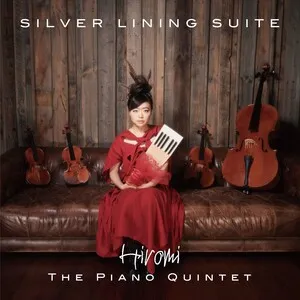
Silver Lining Suite
Hiromi
Third Stream
Jazz
Similar artists
4
/5
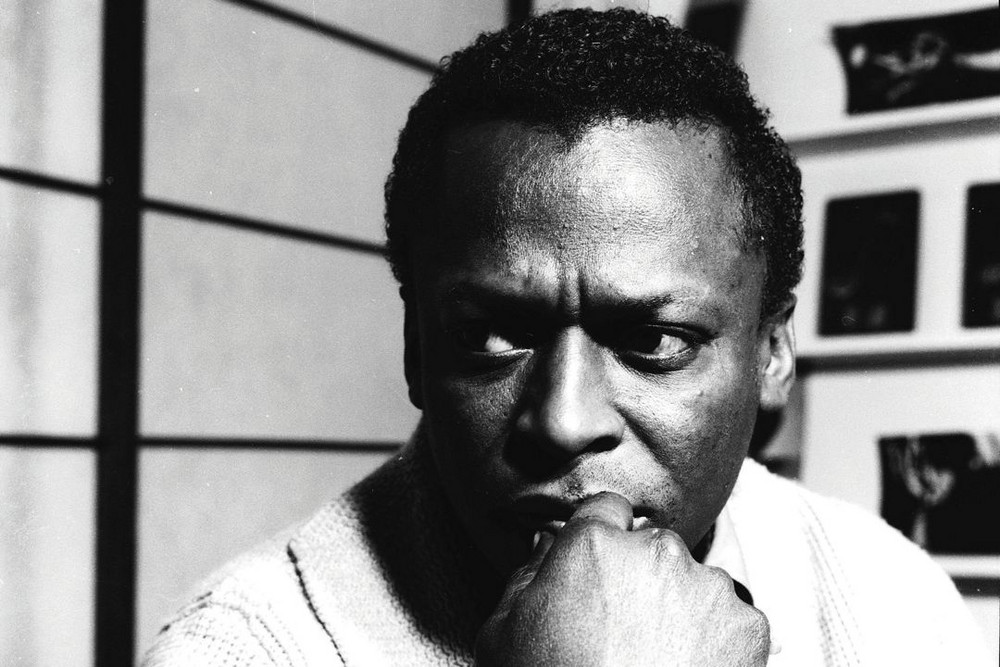
Miles Davis
Jazz
Jazz Fusion
Hard Bop
2
/5
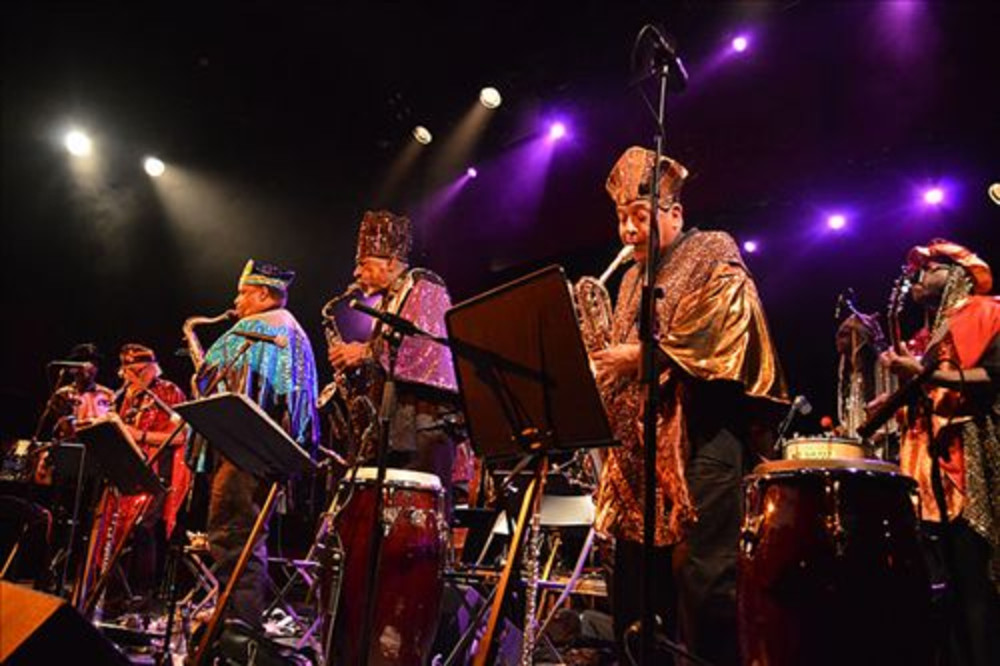
Sun Ra & His Arkestra
Experimental Big Band
Jazz
Free Jazz
3
/5
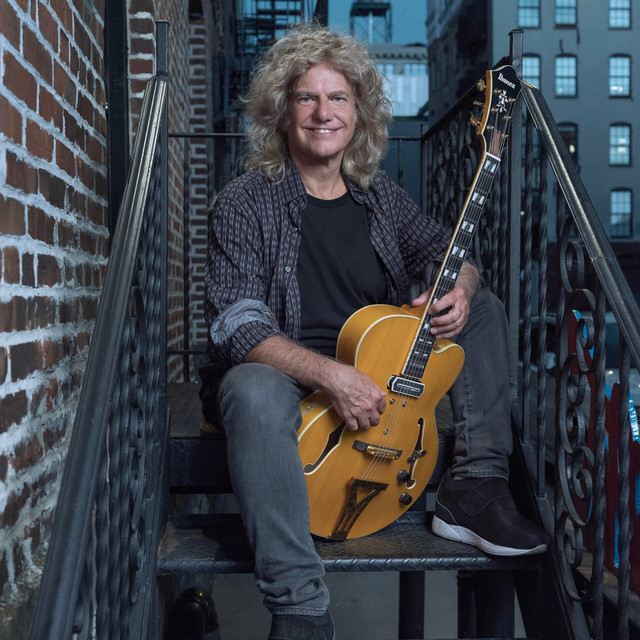
Pat Metheny
Avant-Garde Jazz
Jazz
Jazz Fusion
3
/5
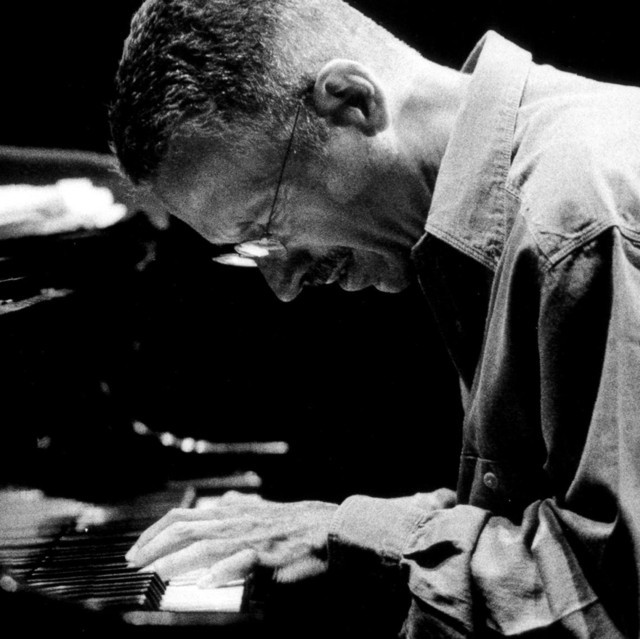
Keith Jarrett
Ecm Style Jazz
Contemporary Jazz
Jazz
3
/5
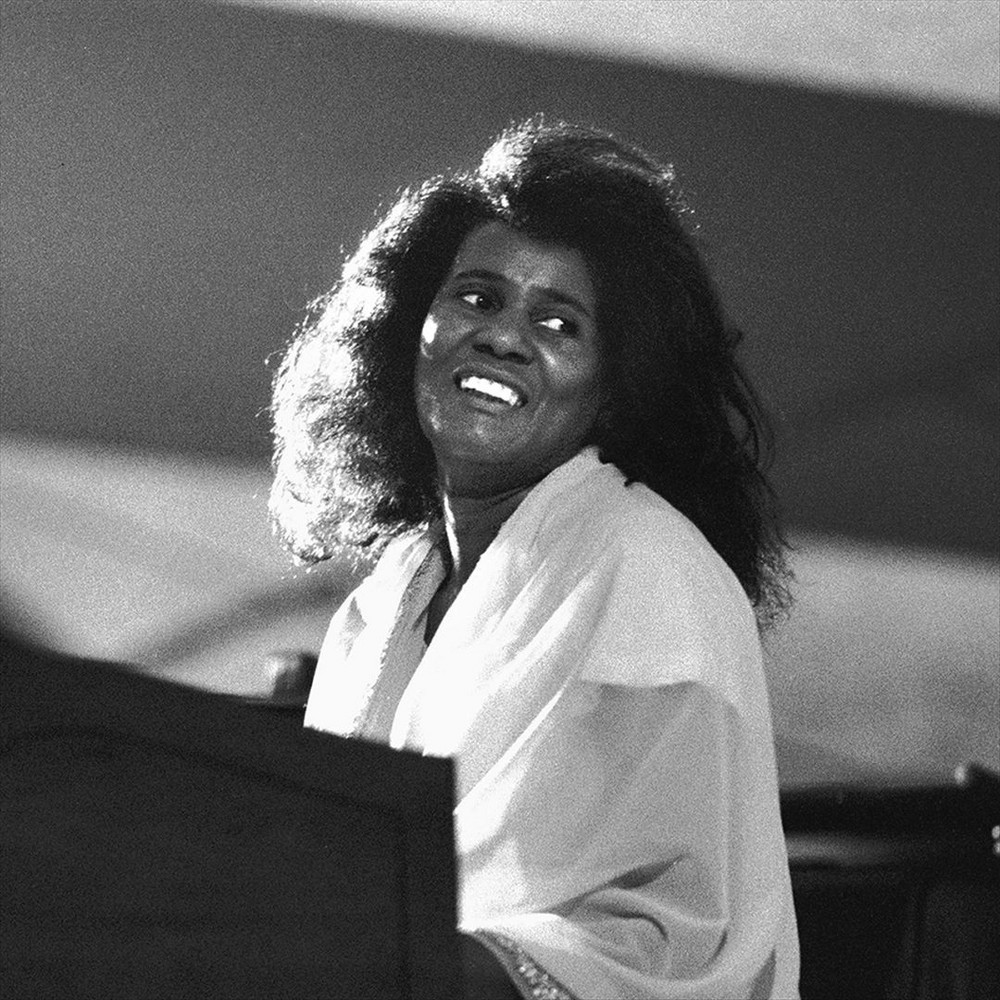
Alice Coltrane
Jazz
Free Jazz
Spiritual Jazz
2
/5
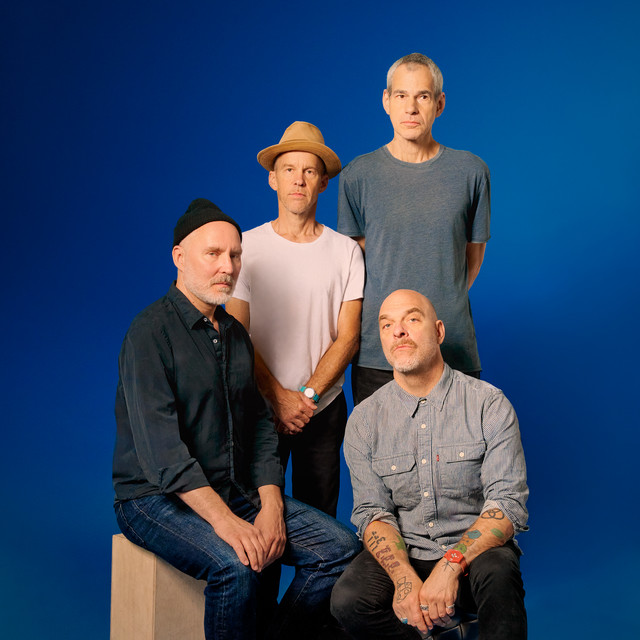
The Bad Plus
Avant-Garde Jazz
Jazz
Contemporary Jazz
3
/5
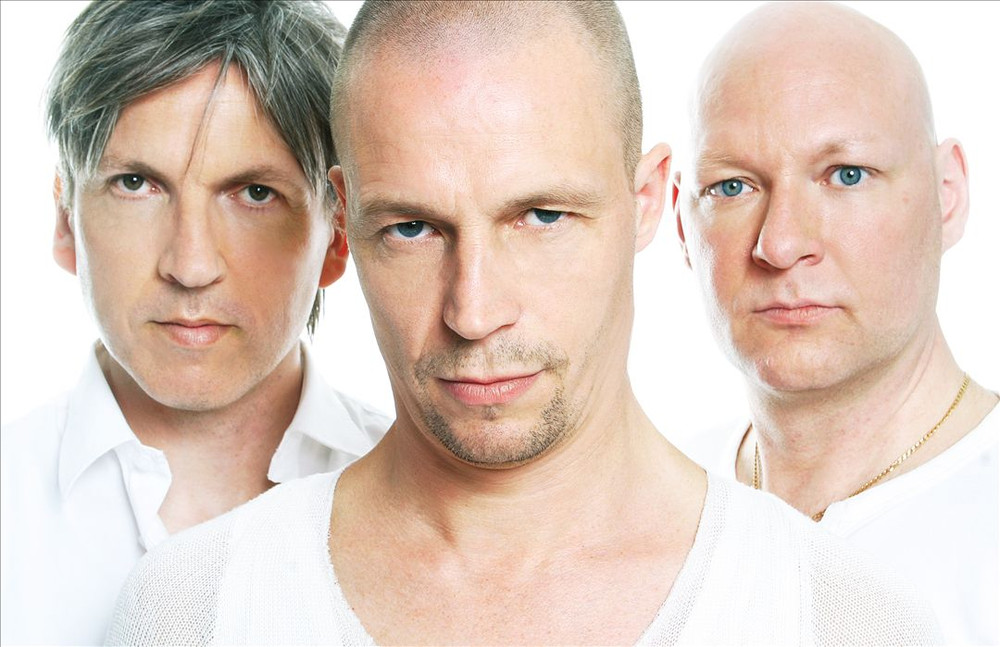
Esbjörn Svensson Trio
Jazz
Modern Jazz Trio
Contemporary Jazz
3
/5
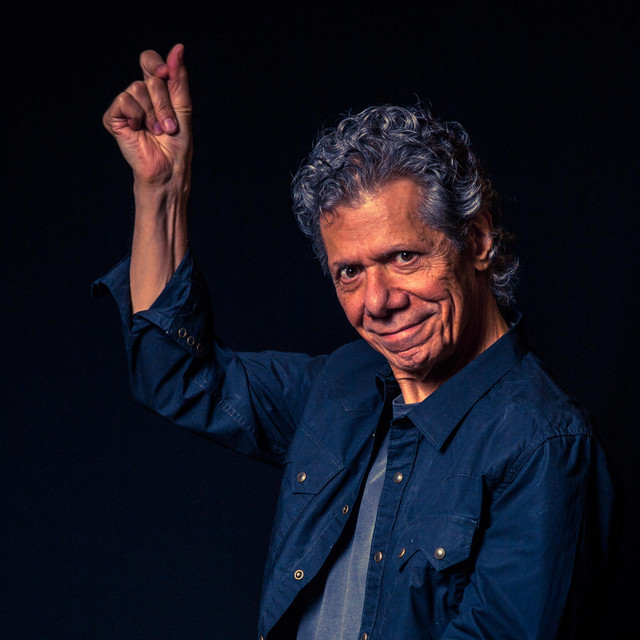
Chick Corea
Ecm Style Jazz
Jazz Fusion
Free Jazz
2
/5
Don Ellis
Big Band
Jazz
Experimental Big Band
3
/5
Herbie Hancock
Jazz
Jazz Fusion
Jazz-Funk
Download our mobile app
Get the Melodigging app and start digging for new genres on the go
Download on the App Store
Get it on Google Play
© 2026 Melodigging
Give feedback
Legal
Melodding was created as a tribute to
Every Noise at Once
, which inspired us to help curious minds keep digging into music's ever-evolving genres.