Genres
Artists
Albums
Make Music
Sign in
Sign in
Artists
Japanese Classical
Artists
Japanese Classical
Kodo
1985–1997
·
2 albums
Listen
2
/5
Genres
World
World music is a broad, industry-coined umbrella for traditional, folk, and contemporary popular styles from around the globe that fall outside the Anglo-American pop mainstream. The label emerged in the 1980s as a retail and marketing category to group diverse regional musics for international distribution. Musically, it spans acoustic and electric instrumentation; modal, pentatonic, and microtonal pitch systems; and rhythms ranging from cyclical grooves and polyrhythms to asymmetrical meters. While the term can obscure local specificity, it also facilitated cross-cultural collaboration, festivals, and recordings that brought regional genres to wider audiences.
Discover
Listen
Folk
Folk is a song-centered acoustic tradition rooted in community storytelling, everyday life, and social history. It emphasizes clear melodies, simple harmonies, and lyrics that foreground narrative, protest, and personal testimony. As a modern recorded genre, folk coalesced in the early-to-mid 20th century in the United States out of older ballad, work song, and rural dance traditions. It typically features acoustic instruments (guitar, banjo, fiddle, mandolin, harmonica), strophic song forms, and participatory singing (choruses, call-and-response).
Discover
Listen
Country
Country is a roots-based popular music from the rural American South that blends Anglo-Celtic ballad traditions with African American blues, gospel, and string-band dance music. It is characterized by narrative songwriting, plainspoken vocals with regional twang, and a palette of acoustic and electric instruments such as acoustic guitar, fiddle, banjo, pedal steel, and telecaster guitar. Rhythmically it favors two-step feels, train beats, shuffles, and waltzes, while harmony is largely diatonic (I–IV–V) with occasional country chromaticism and secondary dominants. Across a century, country has evolved through substyles like honky-tonk, the Nashville and Bakersfield sounds, outlaw country, neotraditionalist revivals, pop-country, and country-rap hybrids, but it consistently prioritizes storytelling about everyday life, love, work, faith, place, and identity.
Discover
Listen
Japanese Folk Music
Japanese folk music (min'yō and related regional traditions) is the collective body of vernacular song and instrumental practices that arose among Japan’s rural and coastal communities. It includes work songs (rice-planting, fishing, sake-brewing), festival and dance songs (Bon-odori), travelers’ and boatmen’s songs, lullabies, and ritual/seasonal chants. Melodies commonly draw on pentatonic collections such as the yo and in scales, and are richly ornamented with kobushi (vocal turns) and flexible timing shaped by ma (intentional silence/space). Textures are largely monophonic or heterophonic, with unison singing doubled by instruments like shamisen, fue (transverse bamboo flutes), shakuhachi, and sometimes koto; taiko and local percussion support dance and procession contexts. Regional styles (e.g., Tsugaru in the north, Amami in the south, Okinawa and Ainu traditions) contribute distinctive timbres, rhythms, and repertories that together define the breadth of Japanese folk expression.
Discover
Listen
Japanese Classical
Japanese classical refers to the courtly, religious, theatrical, and chamber traditions that crystallized in Japan from the Nara and Heian periods onward. It encompasses Gagaku (imperial court music), Shinto ritual music (kagura), Buddhist chant (shōmyō), Noh and Kabuki repertories (e.g., nagauta, jōruri), and chamber music for koto, shamisen, and shakuhachi (sankyoku). The style emphasizes modal color (ryō and ritsu modes, along with later in/yo pentatonic variants), the dramatic architecture of jo–ha–kyū (slow introduction, development, swift conclusion), and the aesthetic of ma (meaningful silence/space). Textures are often heterophonic or layered, timbres are cultivated for breathy, reedy, and bell-like colors (e.g., shō, hichiriki, ryūteki), and rhythm can range from free-flowing chant to stately ceremonial cycles. The result is a contemplative yet ceremonially powerful sound world distinct from Western common-practice tonality.
Discover
Listen
Albums
1997
1
/5
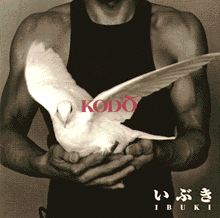
いぶき (Ibuki)
Kodō
Japanese Folk Music
Country
Folk
1985
1
/5
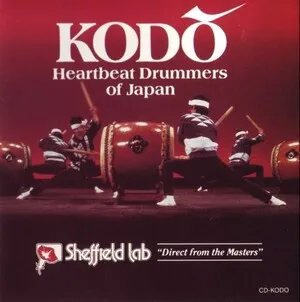
Heartbeat Drummers of Japan
Kodo 鼓童
Japanese Folk Music
Similar artists
1
/5
Various Artists
Afro-Funk
Alternative Rock
Ambient
2
/5
Nonesuch Explorer Series
East Asian Classical Music
Japanese Music
East Asian Music
1
/5
The Imperial Court Ensemble
Japanese Classical
Traditional Music
Classical
1
/5
桃山晴衣
Enka
Japanese Classical
Jōruri
4
/5
George Strait
Honky Tonk
Traditional Country
Country
3
/5
Iris DeMent
Folk
Americana
Country
3
/5
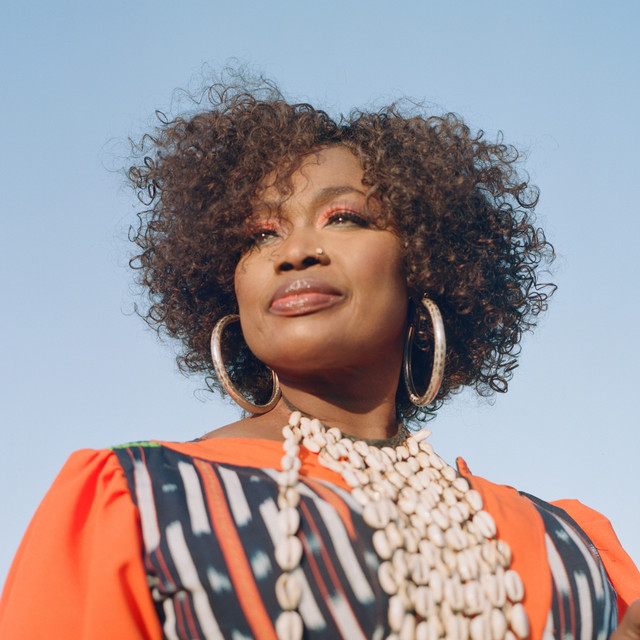
Oumou Sangaré
Wassoulou
Country
Folk
2
/5
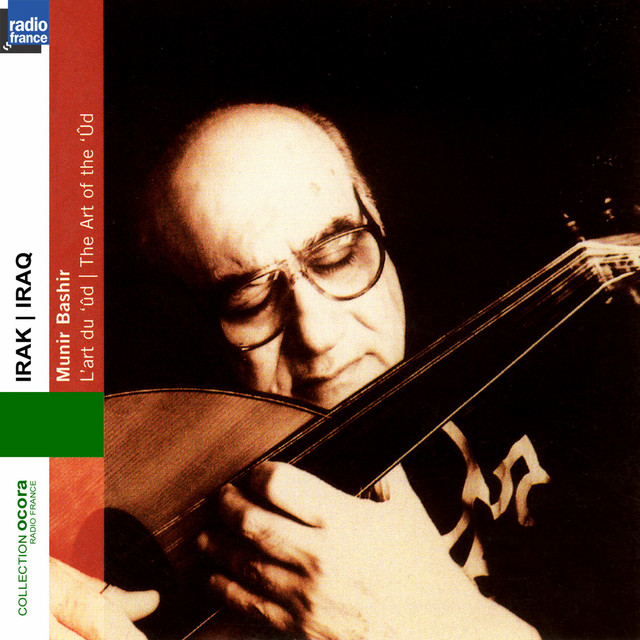
Munir Bashir
Traditional Music
Arabic Classical Music
Country
2
/5
Brighde Chaimbeul
Scottish Folk Music
Celtic
Celtic Folk Music
Cracow Klezmer Band, The
Ashkenazi Music
Country
Folk
Download our mobile app
Get the Melodigging app and start digging for new genres on the go
Download on the App Store
Get it on Google Play
© 2026 Melodigging
Give feedback
Legal
Melodding was created as a tribute to
Every Noise at Once
, which inspired us to help curious minds keep digging into music's ever-evolving genres.