Genres
Artists
Albums
Make Music
Sign in
Sign in
Artists
Enka
Artists
Enka
桃山晴衣
2000–2009
·
2 albums
Listen
1
/5
Genres
Enka
Enka is a Japanese popular song style known for its sentimental ballads, expressive vocals with wide vibrato, and dramatic, narrative delivery. It evokes nostalgia for hometowns, bygone eras, and lost love, often painting scenes of coastal ports, country roads, and seasonal landscapes. Musically, enka blends Western harmonic frameworks with Japanese melodic sensibilities. Melodies often use yonanuki (four-note-omission) major or minor pentatonic variants, creating a “traditional” Japanese color over simple, diatonic progressions. Arrangements favor lush strings, reverb-laden guitars, saxophone obbligatos, and occasional traditional timbres (shamisen or shakuhachi) for color. Culturally, enka rose to mass popularity during the postwar Shōwa era and remains tied to television variety shows, karaoke bars, and live theater venues. Its performance practice foregrounds pathos, rubato phrasing, and ornamental turns called kobushi.
Discover
Listen
Folk
Folk is a song-centered acoustic tradition rooted in community storytelling, everyday life, and social history. It emphasizes clear melodies, simple harmonies, and lyrics that foreground narrative, protest, and personal testimony. As a modern recorded genre, folk coalesced in the early-to-mid 20th century in the United States out of older ballad, work song, and rural dance traditions. It typically features acoustic instruments (guitar, banjo, fiddle, mandolin, harmonica), strophic song forms, and participatory singing (choruses, call-and-response).
Discover
Listen
Kayōkyoku
Kayōkyoku is a broad umbrella of Japanese popular song that dominated the nation’s mainstream from the prewar era through the 1980s, before the term J‑pop became prevalent. It blends Western popular idioms—such as jazz, swing, tango, and later rock and roll—with Japanese melodic sensibilities and lyric themes. Stylistically, kayōkyoku favors clear, memorable melodies, polished vocal delivery, and orchestral or big‑band arrangements. Its songs often use Western song forms (AABA or verse–chorus), while retaining a distinctly Japanese emotional tone rooted in nostalgia, romance, and everyday urban life.
Discover
Listen
East Asian Folk Music
East Asian folk music is an umbrella term for the traditional, community-rooted musics of China, Japan, Korea, Mongolia, and related cultures in the region. While the practices themselves are ancient, the category coalesced in the 1900s as folklorists, broadcasters, and state ensembles began documenting, standardizing, and reviving rural and ritual repertoires. Typical features include pentatonic-based melodies, flexible rhythm and meter, and heterophonic textures in which multiple performers ornament the same tune simultaneously. Vocal styles range from narrative epics and work songs to lyrical art-folk ballads, often delivered with regional timbres and rich ornamentation. Signature instruments include the Chinese erhu, pipa, dizi, and guzheng; the Japanese shamisen, shakuhachi, and koto; the Korean gayageum, haegeum, piri, and janggu; and Mongolian morin khuur and tovshuur, alongside various frame drums and gongs. Beyond village and ritual contexts, East Asian folk music today thrives on stage and in media, influencing popular genres and fusions that retain traditional scales, storytelling, and timbral aesthetics.
Discover
Listen
Jōruri
Jōruri is a Japanese narrative music-drama tradition in which a chanter (tayū) recites and sings a story to the accompaniment of a shamisen, most famously in bunraku (puppet theater) and also in kabuki. The music shifts fluidly between speech-like recitation and heightened melody, allowing the tayū to voice multiple characters and a third-person narrator. The best-known style is gidayū-bushi, founded by Takemoto Gidayū in Osaka, which became the standard for bunraku. Jōruri’s musical language employs pentatonic Japanese scales, flexible rhythm and tempo, and a dramatic pacing that follows the aesthetic principle of jo–ha–kyū (introduction–development–rapid finale). Its repertory includes historical epics (jidaimono) and domestic tragedies (sewamono), prized for vivid vocal expression and tightly integrated storytelling.
Discover
Listen
Japanese Folk Music
Japanese folk music (min'yō and related regional traditions) is the collective body of vernacular song and instrumental practices that arose among Japan’s rural and coastal communities. It includes work songs (rice-planting, fishing, sake-brewing), festival and dance songs (Bon-odori), travelers’ and boatmen’s songs, lullabies, and ritual/seasonal chants. Melodies commonly draw on pentatonic collections such as the yo and in scales, and are richly ornamented with kobushi (vocal turns) and flexible timing shaped by ma (intentional silence/space). Textures are largely monophonic or heterophonic, with unison singing doubled by instruments like shamisen, fue (transverse bamboo flutes), shakuhachi, and sometimes koto; taiko and local percussion support dance and procession contexts. Regional styles (e.g., Tsugaru in the north, Amami in the south, Okinawa and Ainu traditions) contribute distinctive timbres, rhythms, and repertories that together define the breadth of Japanese folk expression.
Discover
Listen
Classical
Classical music is the notated art-music tradition of Europe and its global descendants, characterized by durable forms, carefully codified harmony and counterpoint, and a literate score-based practice. The term “classical” can refer broadly to the entire Western art-music lineage from the Medieval era to today, not just the Classical period (c. 1750s–1820s). It privileges long-form structures (such as symphonies, sonatas, concertos, masses, and operas), functional or modal harmony, thematic development, and timbral nuance across ensembles ranging from solo instruments to full orchestras and choirs. Across centuries, the style evolved from chant and modal polyphony to tonal harmony, and later to post-tonal idioms, while maintaining a shared emphasis on written notation, performance practice, and craft.
Discover
Listen
East Asian Classical Music
East Asian classical music refers to the interconnected courtly, ritual, and elite art-music traditions of China, Korea, Japan, and (historically) Vietnam that share a deep lineage in classical Chinese musical thought and repertory. At its core are Confucian ceremonial aesthetics, pentatonic modal systems, heterophonic ensemble textures, and codified repertoires transmitted through court institutions, temples, and literati circles. Signature sound worlds include China’s refined guqin and yayue court ensembles, Japan’s stately gagaku and Buddhist shōmyō chant, Korea’s aak (Confucian ritual), hyangak/dangak, and jeongak (court and aristocratic music), and Vietnam’s nhã nhạc (Huế court music). The result is a family of traditions marked by timbral subtlety (e.g., sho chord clusters, hichiriki reeds, silk-string zithers), flexible but ceremonially structured rhythm, and modal nuance—often conveying grandeur, contemplation, and ritual solemnity.
Discover
Listen
Japanese Classical
Japanese classical refers to the courtly, religious, theatrical, and chamber traditions that crystallized in Japan from the Nara and Heian periods onward. It encompasses Gagaku (imperial court music), Shinto ritual music (kagura), Buddhist chant (shōmyō), Noh and Kabuki repertories (e.g., nagauta, jōruri), and chamber music for koto, shamisen, and shakuhachi (sankyoku). The style emphasizes modal color (ryō and ritsu modes, along with later in/yo pentatonic variants), the dramatic architecture of jo–ha–kyū (slow introduction, development, swift conclusion), and the aesthetic of ma (meaningful silence/space). Textures are often heterophonic or layered, timbres are cultivated for breathy, reedy, and bell-like colors (e.g., shō, hichiriki, ryūteki), and rhythm can range from free-flowing chant to stately ceremonial cycles. The result is a contemplative yet ceremonially powerful sound world distinct from Western common-practice tonality.
Discover
Listen
Show all 9 genres
Albums
2009
1
/5
Hikiyomigusa 弾き詠み草
Harue Momoyama 桃山晴衣
Jōruri
Japanese Folk Music
East Asian Classical Music
2000
1
/5
遊びをせんとや生まれけん~「梁塵秘抄」の世界 (Asobi o Sentoya Umareken Ryojin Hisho no Sekai)
Harue Momoyama 桃山晴衣
Jōruri
Classical
Folk
Similar artists
2
/5
Aiko Moriyama
Enka
Japanese Classical
Kayōkyoku
1
/5
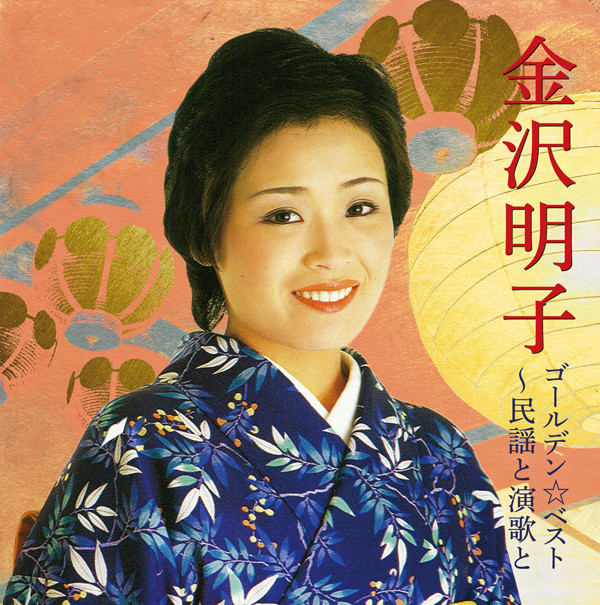
Akiko Kanazawa
Enka
Japanese Classical
Kayōkyoku
4
/5
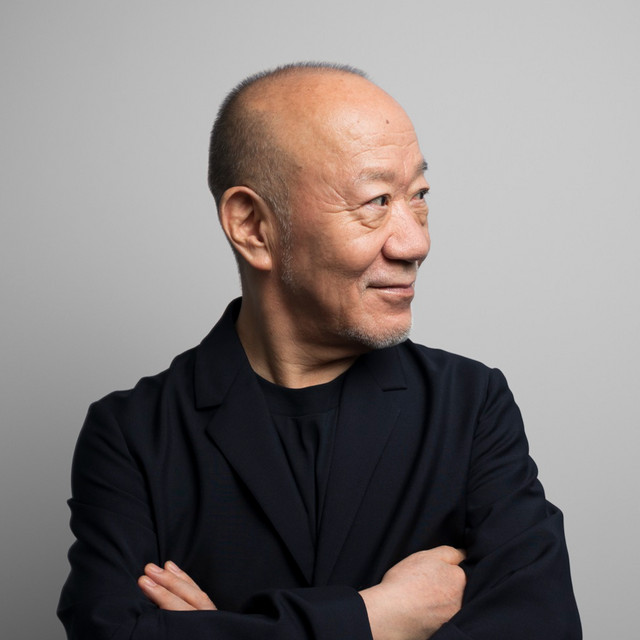
Joe Hisaishi
Japanese Classical
Anime
Cinematic Classical
1
/5
Various Artists
Afro-Funk
Alternative Rock
Ambient
3
/5
Seiko Matsuda
Idol Kayō
City Pop
Enka
3
/5
Yumi Matsutoya
Enka
City Pop
J-Pop
3
/5
Akina Nakamori
Idol Kayō
Techno Kayō
Kayōkyoku
3
/5
Koji Tamaki
Enka
Kayōkyoku
J-Pop
3
/5
Shogo Hamada
Enka
J-Pop
Kayōkyoku
3
/5
Eikichi Yazawa
Enka
J-Pop
J-Rock
Download our mobile app
Get the Melodigging app and start digging for new genres on the go
Download on the App Store
Get it on Google Play
© 2026 Melodigging
Give feedback
Legal
Melodding was created as a tribute to
Every Noise at Once
, which inspired us to help curious minds keep digging into music's ever-evolving genres.