Genres
Artists
Albums
Make Music
Sign in
Sign in
Artists
Nuevo Flamenco
Artists
Nuevo Flamenco
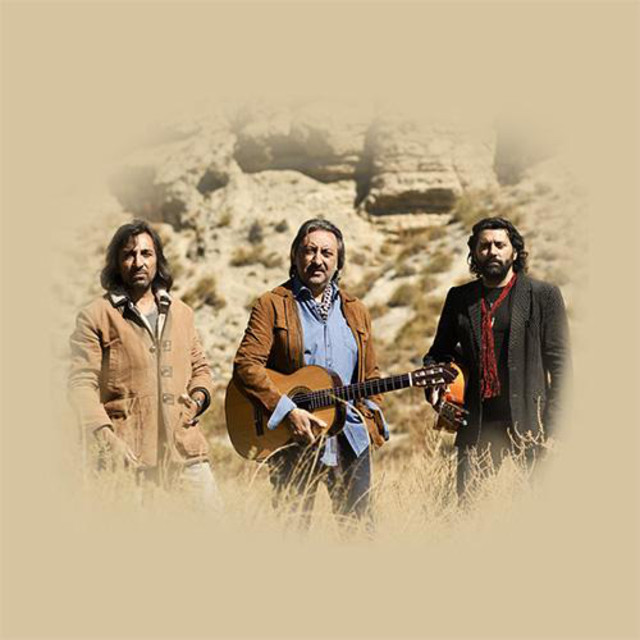
Ketama
1988–1995
·
4 albums
Listen
3
/5
Genres
Worldbeat
Worldbeat is a pop-oriented fusion that blends contemporary Western production (pop, rock, dance, and electronic) with rhythms, instruments, scales, and vocal styles drawn from diverse musical traditions around the world. It typically features layered percussion, polyrhythms, call-and-response vocals, and multilingual or code-switching lyrics, while maintaining accessible song forms and hook-driven choruses. Arrangements often juxtapose drum kits, bass guitar, and synths with instruments such as kora, mbira, oud, sitar, djembe, balafon, or charango. As a retail and radio category in the 1980s–1990s, worldbeat served both as a creative space for cross-cultural collaboration and a marketing umbrella, attracting praise for bridge-building and criticism for occasional exoticism or unequal credit-sharing.
Discover
Listen
Nuevo Flamenco
Nuevo flamenco is a modernized, crossover evolution of traditional Andalusian flamenco that integrates pop, rock, and jazz aesthetics while preserving core flamenco compás (rhythmic cycles), guitar techniques, and cante (vocal) expression. It is marked by the use of flamenco guitar alongside bass, cajón, handclaps (palmas), saxophone or flute, keyboards, and drum kit, yielding a more contemporary, often radio-friendly sound. Harmonically, it blends Phrygian/Phrygian dominant colors and modal cadences with jazz-inspired extensions and pop progressions. Rhythmically, nuevo flamenco favors accessible palos like rumba (and tangos), while still drawing energy from bulerías and other 12-beat cycles. Its production commonly embraces studio polish, global grooves, and melodic hooks, making it a gateway for international audiences into the flamenco tradition.
Discover
Listen
Flamenco Pop
Flamenco pop is a Spanish popular music style that blends the vocal melismas, guitar techniques, and rhythmic clapping (palmas) of flamenco with the song forms, hooks, and studio polish of mainstream pop. It keeps the emotive core of flamenco—often drawing on the Andalusian cadence and Phrygian color—while adopting verse–chorus structures, drum kits, bass guitar, keyboards, and radio-friendly arrangements. Groove-wise it frequently favors 4/4 feels (rumba/tangos-derived) over the traditional 12-beat palos to fit contemporary pop sensibilities. The result is an accessible, danceable sound that can be tender or intense, equally at home on festival stages and commercial airwaves.
Discover
Listen
Flamenco
Flamenco is a highly expressive musical and dance tradition from Andalusia that combines cante (song), toque (guitar), baile (dance), palmas (handclaps), and jaleo (shouts of encouragement). It is characterized by intricate rhythmic cycles called compás, intense vocal melismas with ornamental micro-inflections, and guitar techniques such as rasgueado, picado, alzapúa, golpe, and tremolo. Harmonically it often centers on the Phrygian mode and the Andalusian cadence (iv–III–II–I), creating a dramatic tension that complements the emotional depth of the lyrics, which frequently explore themes of love, loss, pride, and fate. Flamenco is organized into palos (forms) such as soleá, bulería, alegrías, seguiriyas, tientos/tangos, fandangos, tarantas, and rumba, each defined by its compás, mood, and traditional melodic/harmonic vocabulary.
Discover
Listen
Songhai Music
Songhai music refers to the traditional and contemporary musical practices of the Songhai/Songhay (including Zarma) people of the Niger River bend, centered around Gao and Timbuktu in present-day Mali and extending into Niger and Burkina Faso. It is marked by cyclical, swaying rhythms in 6/8 or 12/8, pentatonic-based melodies, call-and-response singing, and a close link between poetry, praise-singing, and social ceremony. Characteristic timbres come from skin-resonating calabash percussion and plucked lutes such as the kurbu/molo (a local ngoni-type lute), alongside handclaps, one-string fiddles (njarka/goge), and, in modern contexts, blues-inflected guitar. Historically tied to courtly praise and epic narrative during the Songhai Empire, the style today spans intimate village ceremonies, takamba dance repertoires, and globally known desert-blues hybrids popularized by artists like Ali Farka Touré.
Discover
Listen
Albums
1995
3
/5
De Aki A Ketama
Ketama
Nuevo Flamenco
1994
1
/5
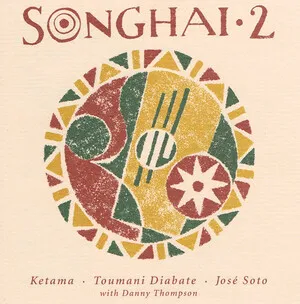
Songhai 2
Ketama, Toumani Diabaté & José Soto
Songhai Music
Nuevo Flamenco
Flamenco
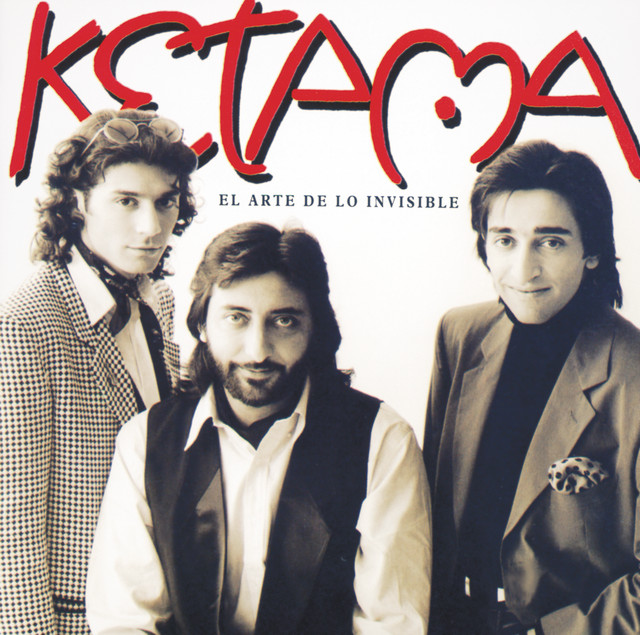
1993
2
/5
El Arte De Lo Invisible
Ketama
Nuevo Flamenco
1988
2
/5
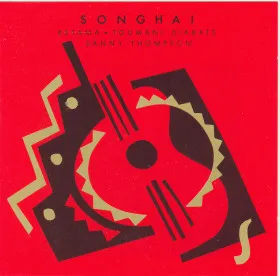
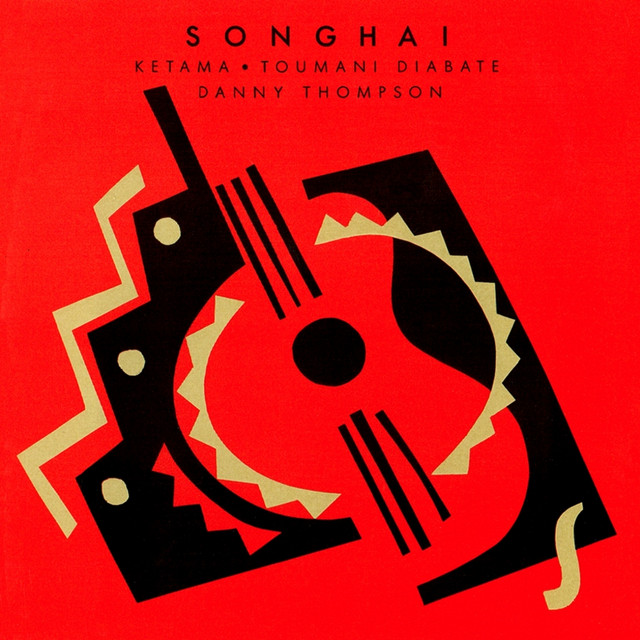
Songhai
Ketama, Toumani Diabaté & Danny Thompson
Worldbeat
Songhai Music
Nuevo Flamenco
Similar artists
2
/5
Danny Thompson
Flamenco
Bluegrass
Nuevo Flamenco
3
/5
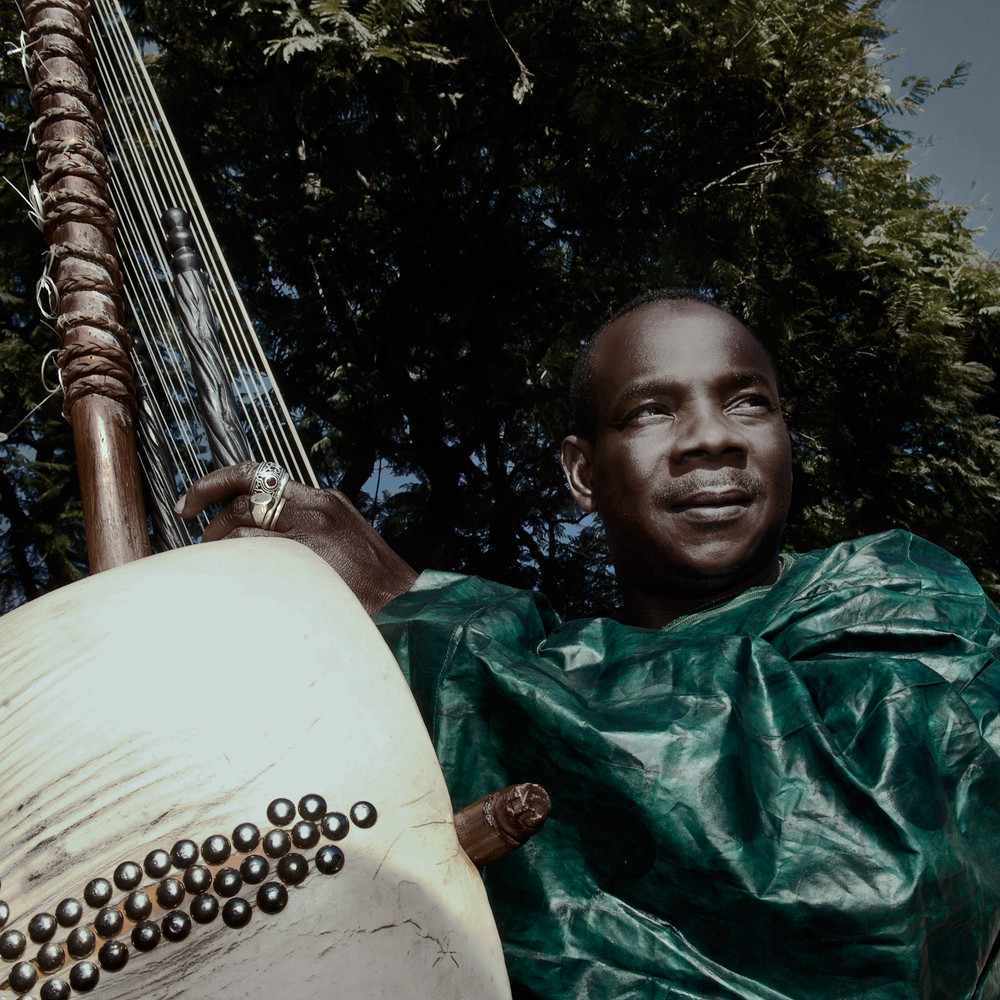
Toumani Diabaté
Griot
Mande Music
World
3
/5
María José Llergo
Nuevo Flamenco
Flamenco
Downtempo
3
/5
Estrella Morente
Nuevo Flamenco
Flamenco
Flamenco Pop
3
/5
Yerai Cortés
Nuevo Flamenco
Flamenco
Flamenco Pop
3
/5
Lin Cortés
Nuevo Flamenco
Flamenco
Flamenco Pop
3
/5
Israel Fernández
Nuevo Flamenco
Flamenco
Flamenco Pop
2
/5
Ray Heredia
Flamenco
Flamenco Pop
Nuevo Flamenco
2
/5
Kiki Morente
Nuevo Flamenco
Flamenco
Flamenco Pop
2
/5
Pata Negra
Flamenco
Rock Andaluz
Flamenco Pop
Download our mobile app
Get the Melodigging app and start digging for new genres on the go
Download on the App Store
Get it on Google Play
© 2026 Melodigging
Give feedback
Legal
Melodding was created as a tribute to
Every Noise at Once
, which inspired us to help curious minds keep digging into music's ever-evolving genres.