Genres
Artists
Albums
Make Music
Sign in
Sign in
Artists
Nuevo Flamenco
Artists
Nuevo Flamenco
Estrella Morente
2001–2006
·
4 albums
Listen
3
/5
Genres
Flamenco Urbano
Flamenco urbano is a contemporary Spanish fusion that blends core elements of flamenco—cante jondo vocal timbre, palmas handclaps, rasgueado and picado guitar, cajón, and the Andalusian cadence—with modern urban production such as reggaeton dembow, trap 808s, hip‑hop sampling, and R&B toplines. Compared with the earlier nuevo flamenco, which often merged flamenco with jazz, rock, and pop, flamenco urbano is explicitly grounded in post-2010s urban idioms and streaming-era aesthetics. It often features autotuned melisma, loop-based harmonies, processed claps, sparse bass-forward beats, and lyrics that pivot between street realism, romance, pride, and cultural identity. The result is music that can be club-ready and rhythmically infectious while retaining the emotive intensity and ornamentation of flamenco.
Discover
Listen
World
World music is a broad, industry-coined umbrella for traditional, folk, and contemporary popular styles from around the globe that fall outside the Anglo-American pop mainstream. The label emerged in the 1980s as a retail and marketing category to group diverse regional musics for international distribution. Musically, it spans acoustic and electric instrumentation; modal, pentatonic, and microtonal pitch systems; and rhythms ranging from cyclical grooves and polyrhythms to asymmetrical meters. While the term can obscure local specificity, it also facilitated cross-cultural collaboration, festivals, and recordings that brought regional genres to wider audiences.
Discover
Listen
Nuevo Flamenco
Nuevo flamenco is a modernized, crossover evolution of traditional Andalusian flamenco that integrates pop, rock, and jazz aesthetics while preserving core flamenco compás (rhythmic cycles), guitar techniques, and cante (vocal) expression. It is marked by the use of flamenco guitar alongside bass, cajón, handclaps (palmas), saxophone or flute, keyboards, and drum kit, yielding a more contemporary, often radio-friendly sound. Harmonically, it blends Phrygian/Phrygian dominant colors and modal cadences with jazz-inspired extensions and pop progressions. Rhythmically, nuevo flamenco favors accessible palos like rumba (and tangos), while still drawing energy from bulerías and other 12-beat cycles. Its production commonly embraces studio polish, global grooves, and melodic hooks, making it a gateway for international audiences into the flamenco tradition.
Discover
Listen
Flamenco Pop
Flamenco pop is a Spanish popular music style that blends the vocal melismas, guitar techniques, and rhythmic clapping (palmas) of flamenco with the song forms, hooks, and studio polish of mainstream pop. It keeps the emotive core of flamenco—often drawing on the Andalusian cadence and Phrygian color—while adopting verse–chorus structures, drum kits, bass guitar, keyboards, and radio-friendly arrangements. Groove-wise it frequently favors 4/4 feels (rumba/tangos-derived) over the traditional 12-beat palos to fit contemporary pop sensibilities. The result is an accessible, danceable sound that can be tender or intense, equally at home on festival stages and commercial airwaves.
Discover
Listen
Copla
Copla (often called copla andaluza or canción española) is a dramatic Spanish popular song style characterized by narrative lyrics, big emotions, and theatrical performance. It typically tells compact, melodramatic stories of love, jealousy, honor, betrayal, social stigma, or fate, delivered by a solo singer with highly expressive phrasing. Musically, copla favors clear tonal harmony (often minor-key), memorable melodies, and accompaniment that ranges from guitar or piano to full orchestra or band. Rhythms frequently draw on pasodoble and bolero feels, with touches of flamenco color and the Andalusian cadence that imbue the songs with a distinctly Iberian character. Historically linked to stage and cinema, copla thrives on performance: commanding vocals, precise diction, and emotional acting are as central as the music itself.
Discover
Listen
Flamenco
Flamenco is a highly expressive musical and dance tradition from Andalusia that combines cante (song), toque (guitar), baile (dance), palmas (handclaps), and jaleo (shouts of encouragement). It is characterized by intricate rhythmic cycles called compás, intense vocal melismas with ornamental micro-inflections, and guitar techniques such as rasgueado, picado, alzapúa, golpe, and tremolo. Harmonically it often centers on the Phrygian mode and the Andalusian cadence (iv–III–II–I), creating a dramatic tension that complements the emotional depth of the lyrics, which frequently explore themes of love, loss, pride, and fate. Flamenco is organized into palos (forms) such as soleá, bulería, alegrías, seguiriyas, tientos/tangos, fandangos, tarantas, and rumba, each defined by its compás, mood, and traditional melodic/harmonic vocabulary.
Discover
Listen
Iberian Music
Iberian music is an umbrella term for the intertwined musical traditions of Spain and Portugal, shaped over centuries by Mediterranean, North African, and European currents. It spans sacred chant and courtly song, rural dance traditions, fado and flamenco, art music inspired by folk idioms, and contemporary fusions. At its core are distinctive rhythmic cycles (such as flamenco compás), modal colors (notably the Phrygian cadence and Hijaz-like inflections), and poetic themes ranging from duende’s raw intensity to fado’s saudade. Guitars (Spanish and Portuguese), clapping (palmas), cajón, castanets, and regional instruments (gaita galega, bandurria, Portuguese guitarra) are central timbral markers. As a cultural matrix rather than a single style, Iberian music both preserves local identities—Andalusian, Galician, Catalan, Alentejano—and continually reinvents itself in dialogue with classical composition, jazz, rock, and electronic music.
Discover
Listen
Spanish Music
Spanish music is an umbrella term for the diverse musical traditions and popular styles that originate in Spain. It spans folkloric and regional idioms (such as flamenco, sevillanas, jota, and Galician, Basque, and Catalan song), urban popular genres (copla, pasodoble, pop, rock), and a rich classical tradition (zarzuela and concert music) shaped by Iberian history. Its sound world is marked by the legacy of Al‑Andalus and the Mediterranean: modal melodies (especially the Phrygian/"Andalusian" color), melismatic singing, intricate clapping (palmas), expressive guitar techniques, castanets, and dance-driven rhythms. At the same time, Spain’s sacred and courtly repertoires (medieval chant, Renaissance and Baroque polyphony) underpin a broader art‑music lineage that culminates in national classical styles of the 19th and 20th centuries. Today the term covers both heritage practices (flamenco cante jondo, regional dances) and contemporary fusions (flamenco pop/urbano, indie, and rock), reflecting Spain’s multilingual cultures and ongoing dialogue with Europe, the Mediterranean, and Latin America.
Discover
Listen
Show all 8 genres
Albums
2006
3
/5
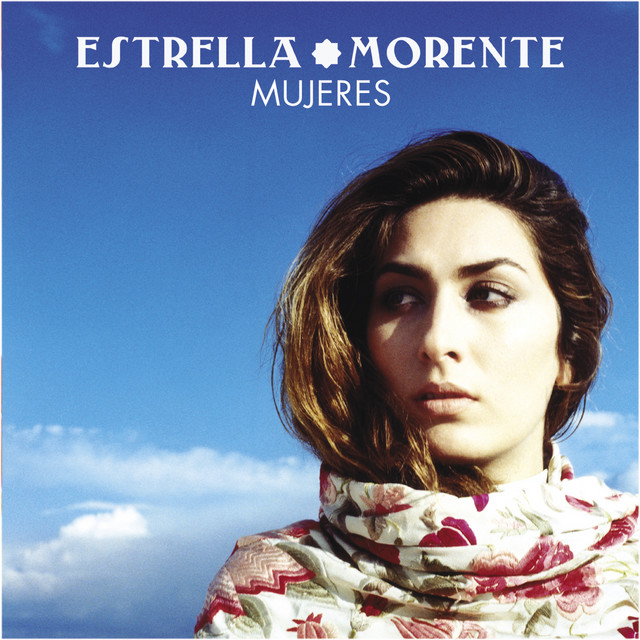
Mujeres
Estrella Morente
Nuevo Flamenco
2006
2
/5
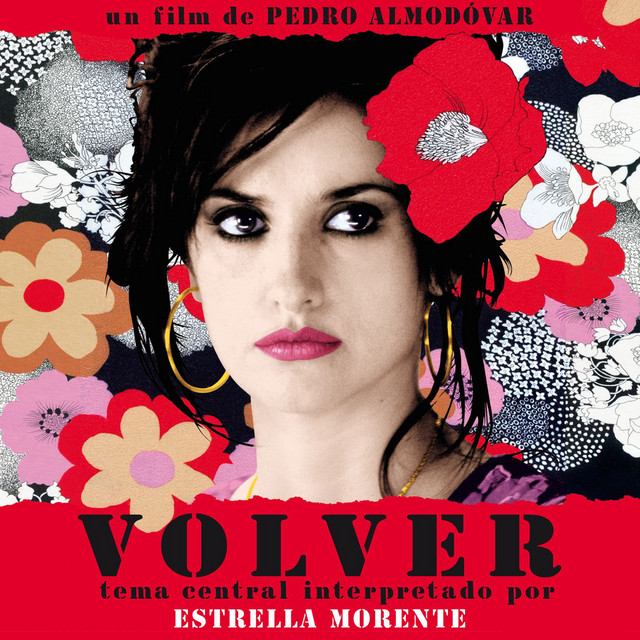
Volver
Estrella Morente
Nuevo Flamenco
2001
3
/5
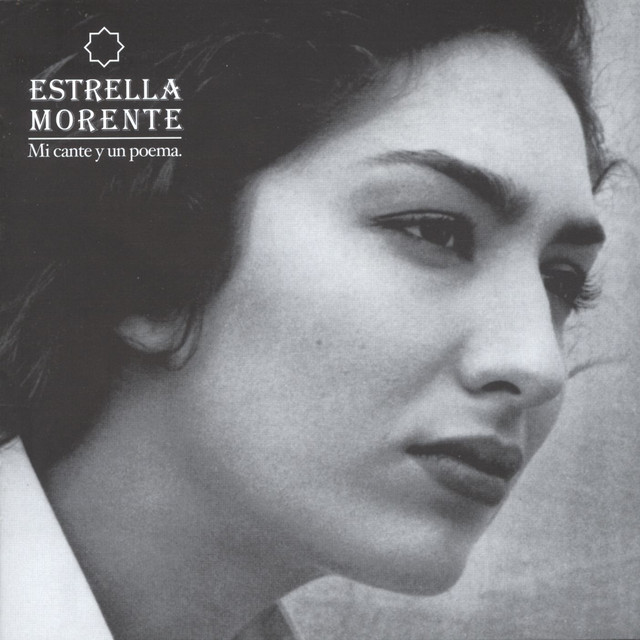
Mi cante y un poema
Estrella Morente
Nuevo Flamenco
Flamenco
Spanish Music
Copla
Estrella Morente
Copla
Similar artists
3
/5
María José Llergo
Nuevo Flamenco
Flamenco
Downtempo
3
/5
Yerai Cortés
Nuevo Flamenco
Flamenco
Flamenco Pop
3
/5
Lin Cortés
Nuevo Flamenco
Flamenco
Flamenco Pop
3
/5
Israel Fernández
Nuevo Flamenco
Flamenco
Flamenco Pop
2
/5
Kiki Morente
Nuevo Flamenco
Flamenco
Flamenco Pop
3
/5
Paco de Lucía
Flamenco
Iberian Music
Spanish Music
3
/5
Luis de Perikin
Nuevo Flamenco
Flamenco
Flamenco Pop
3
/5
Camaron De La Isla
Flamenco
Spanish Music
Iberian Music
3
/5
Kiko Veneno
Flamenco
Flamenco Pop
Rock Andaluz
5
/5
ROSALÍA
Latin
Flamenco
Neoperreo
Download our mobile app
Get the Melodigging app and start digging for new genres on the go
Download on the App Store
Get it on Google Play
© 2026 Melodigging
Give feedback
Legal
Melodding was created as a tribute to
Every Noise at Once
, which inspired us to help curious minds keep digging into music's ever-evolving genres.