Genres
Artists
Albums
Make Music
Sign in
Sign in
Artists
Flamenco
Artists
Flamenco
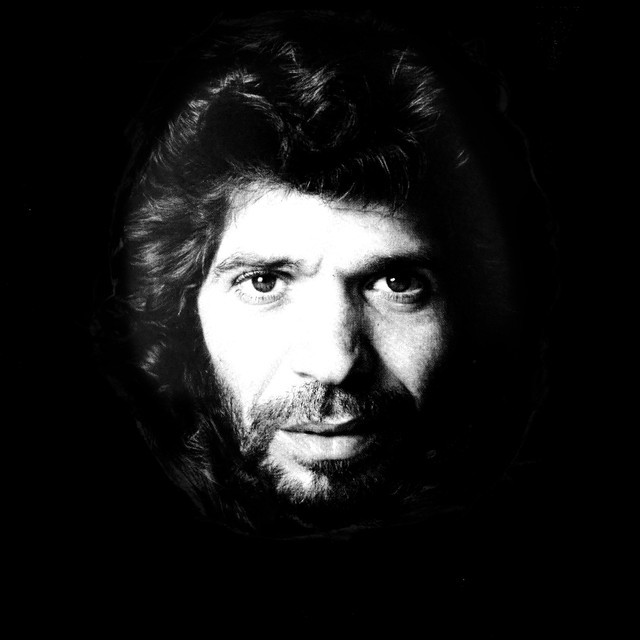
Camaron De La Isla
1969–2005
·
8 albums
Listen
3
/5
Genres
Flamenco Urbano
Flamenco urbano is a contemporary Spanish fusion that blends core elements of flamenco—cante jondo vocal timbre, palmas handclaps, rasgueado and picado guitar, cajón, and the Andalusian cadence—with modern urban production such as reggaeton dembow, trap 808s, hip‑hop sampling, and R&B toplines. Compared with the earlier nuevo flamenco, which often merged flamenco with jazz, rock, and pop, flamenco urbano is explicitly grounded in post-2010s urban idioms and streaming-era aesthetics. It often features autotuned melisma, loop-based harmonies, processed claps, sparse bass-forward beats, and lyrics that pivot between street realism, romance, pride, and cultural identity. The result is music that can be club-ready and rhythmically infectious while retaining the emotive intensity and ornamentation of flamenco.
Discover
Listen
Nuevo Flamenco
Nuevo flamenco is a modernized, crossover evolution of traditional Andalusian flamenco that integrates pop, rock, and jazz aesthetics while preserving core flamenco compás (rhythmic cycles), guitar techniques, and cante (vocal) expression. It is marked by the use of flamenco guitar alongside bass, cajón, handclaps (palmas), saxophone or flute, keyboards, and drum kit, yielding a more contemporary, often radio-friendly sound. Harmonically, it blends Phrygian/Phrygian dominant colors and modal cadences with jazz-inspired extensions and pop progressions. Rhythmically, nuevo flamenco favors accessible palos like rumba (and tangos), while still drawing energy from bulerías and other 12-beat cycles. Its production commonly embraces studio polish, global grooves, and melodic hooks, making it a gateway for international audiences into the flamenco tradition.
Discover
Listen
Flamenco Pop
Flamenco pop is a Spanish popular music style that blends the vocal melismas, guitar techniques, and rhythmic clapping (palmas) of flamenco with the song forms, hooks, and studio polish of mainstream pop. It keeps the emotive core of flamenco—often drawing on the Andalusian cadence and Phrygian color—while adopting verse–chorus structures, drum kits, bass guitar, keyboards, and radio-friendly arrangements. Groove-wise it frequently favors 4/4 feels (rumba/tangos-derived) over the traditional 12-beat palos to fit contemporary pop sensibilities. The result is an accessible, danceable sound that can be tender or intense, equally at home on festival stages and commercial airwaves.
Discover
Listen
Rumba Flamenca
Rumba flamenca is a lively, dance-oriented palo of flamenco that blends Afro‑Cuban rumba and son rhythms with Andalusian harmony and flamenco guitar technique. Characterized by a 4/4 compás with strong syncopation, percussive strumming (rasgueado and abanico), palmas (handclaps), light percussion (often cajón), and call-and-response vocals, it offers a more accessible, festive counterpart to the heavier palos of flamenco. Harmonically it often relies on the Andalusian cadence (for example Am–G–F–E) or simple I–IV–V progressions, while lyrics tend to be romantic, streetwise, or celebratory, making it a favorite for social dancing and crossover recordings.
Discover
Listen
Rumba
Rumba is an Afro‑Cuban, percussion‑driven song‑and‑dance genre that arose in the port neighborhoods and solares of Havana and Matanzas. It features complex interlocking rhythms played on congas (tumbadora, segundo, quinto), claves, and palitos, with the quinto drum improvising over cyclical patterns. The music is built around the rumba clave (in 3‑2 or 2‑3 orientation), call‑and‑response vocals, and a lead singer who declaims verses followed by catchy coros. Three principal styles exist: yambú (slow, playful), guaguancó (medium, flirtatious, with the iconic "vacunao" gesture in the dance), and columbia (fast, virtuosic, traditionally for solo male dancers). Historically performed with cajones (wooden boxes) when drums were restricted, rumba is a secular, community practice whose poetry, dance, and rhythm encode Afro‑Cuban history and identity. It is distinct from ballroom "rhumba" and from Congolese rumba, both of which were influenced by Cuban music rather than being the same style.
Discover
Listen
Bulería
Bulería is a fast, exuberant palo (style) of flamenco that crystallized in the city of Jerez de la Frontera in Andalusia. It is celebrated for its festive, improvisatory character and its elastic phrasing over a 12-beat compás. Rhythmically, bulería uses a cyclical 12-count with characteristic accents on 12, 3, 6, 8, and 10. Performers often feel it as 12–1–2, 3–4–5, 6–7, 8–9, 10–11, allowing push-and-pull between singers, guitarists, palmas (handclaps), and dancers. Harmonically it centers on the flamenco Phrygian mode (commonly E or A Phrygian) and favors the Andalusian cadence (iv–III–II–I) in a highly modal, drone-like context. Bulería thrives on jaleo (encouraging shouts), brisk palmas patterns, and sharp remates and cierres (punctuation and cadences). In performance it often becomes the high-energy climax of a flamenco gathering, showcasing virtuosity, wit, and rhythmic daring.
Discover
Listen
Flamenco
Flamenco is a highly expressive musical and dance tradition from Andalusia that combines cante (song), toque (guitar), baile (dance), palmas (handclaps), and jaleo (shouts of encouragement). It is characterized by intricate rhythmic cycles called compás, intense vocal melismas with ornamental micro-inflections, and guitar techniques such as rasgueado, picado, alzapúa, golpe, and tremolo. Harmonically it often centers on the Phrygian mode and the Andalusian cadence (iv–III–II–I), creating a dramatic tension that complements the emotional depth of the lyrics, which frequently explore themes of love, loss, pride, and fate. Flamenco is organized into palos (forms) such as soleá, bulería, alegrías, seguiriyas, tientos/tangos, fandangos, tarantas, and rumba, each defined by its compás, mood, and traditional melodic/harmonic vocabulary.
Discover
Listen
Spanish Music
Spanish music is an umbrella term for the diverse musical traditions and popular styles that originate in Spain. It spans folkloric and regional idioms (such as flamenco, sevillanas, jota, and Galician, Basque, and Catalan song), urban popular genres (copla, pasodoble, pop, rock), and a rich classical tradition (zarzuela and concert music) shaped by Iberian history. Its sound world is marked by the legacy of Al‑Andalus and the Mediterranean: modal melodies (especially the Phrygian/"Andalusian" color), melismatic singing, intricate clapping (palmas), expressive guitar techniques, castanets, and dance-driven rhythms. At the same time, Spain’s sacred and courtly repertoires (medieval chant, Renaissance and Baroque polyphony) underpin a broader art‑music lineage that culminates in national classical styles of the 19th and 20th centuries. Today the term covers both heritage practices (flamenco cante jondo, regional dances) and contemporary fusions (flamenco pop/urbano, indie, and rock), reflecting Spain’s multilingual cultures and ongoing dialogue with Europe, the Mediterranean, and Latin America.
Discover
Listen
Iberian Music
Iberian music is an umbrella term for the intertwined musical traditions of Spain and Portugal, shaped over centuries by Mediterranean, North African, and European currents. It spans sacred chant and courtly song, rural dance traditions, fado and flamenco, art music inspired by folk idioms, and contemporary fusions. At its core are distinctive rhythmic cycles (such as flamenco compás), modal colors (notably the Phrygian cadence and Hijaz-like inflections), and poetic themes ranging from duende’s raw intensity to fado’s saudade. Guitars (Spanish and Portuguese), clapping (palmas), cajón, castanets, and regional instruments (gaita galega, bandurria, Portuguese guitarra) are central timbral markers. As a cultural matrix rather than a single style, Iberian music both preserves local identities—Andalusian, Galician, Catalan, Alentejano—and continually reinvents itself in dialogue with classical composition, jazz, rock, and electronic music.
Discover
Listen
Show all 9 genres
Albums
2005
3
/5
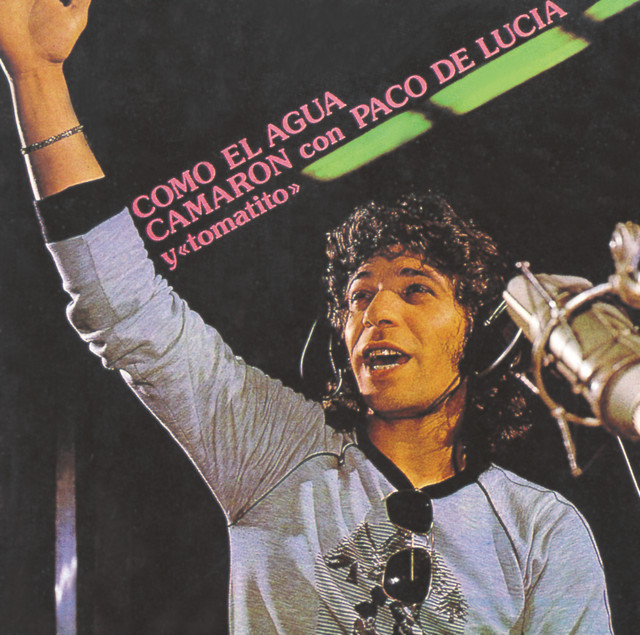
Como El Agua (Remastered)
Camaron De La Isla
Rumba
2004
1
/5
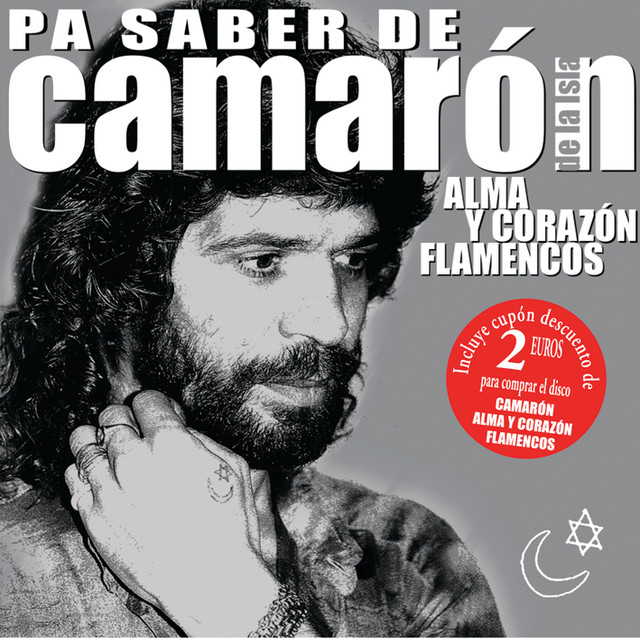
Pa Saber de Camaron
Camaron De La Isla
Rumba
1989
2
/5
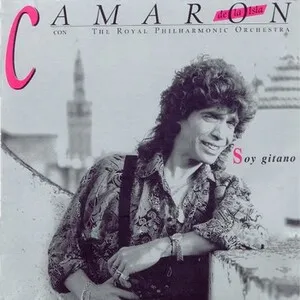
Soy gitano
Camarón de la Isla
Rumba Flamenca
1981
3
/5
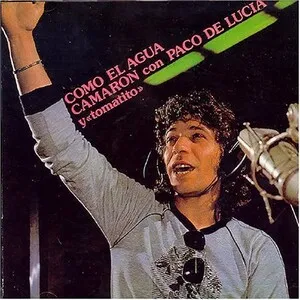
Como el agua
Camarón de la Isla, Paco de Lucía & Tomatito
Bulería
Flamenco
Spanish Music
1979
3
/5
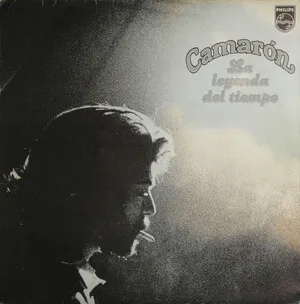
La leyenda del tiempo
Camarón
Flamenco
Nuevo Flamenco
Iberian Music
1977
2
/5
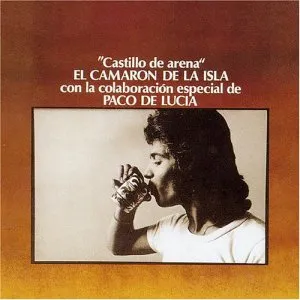
Castillo de arena
Camarón de la Isla
Flamenco
Spanish Music
Iberian Music
1970
2
/5
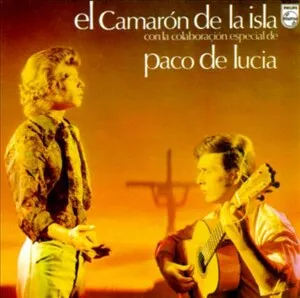
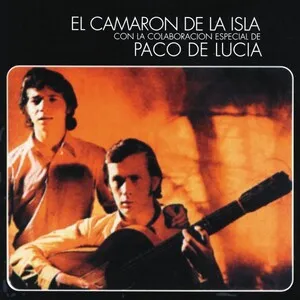
El Camarón de la Isla con la colaboración especial de Paco de Lucía [2]
Camarón de la Isla
Flamenco
1969
2
/5
El Camarón de la Isla con la colaboración especial de Paco de Lucía
Camarón de la Isla
Flamenco
Spanish Music
Similar artists
3
/5
Estrella Morente
Nuevo Flamenco
Flamenco
Flamenco Pop
2
/5
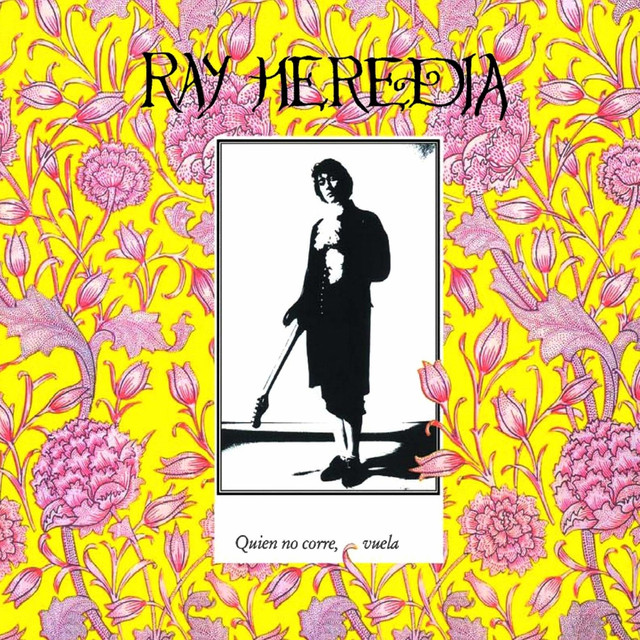
Ray Heredia
Flamenco
Flamenco Pop
Nuevo Flamenco
3
/5
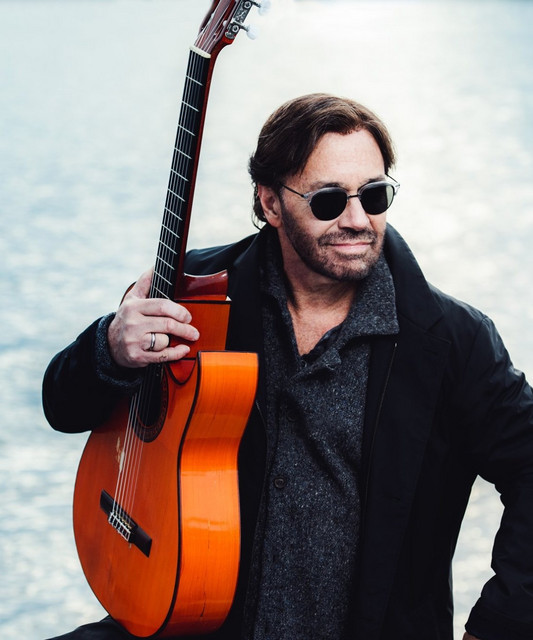
Al Di Meola
Flamenco Jazz
Flamenco
Jazz
2
/5
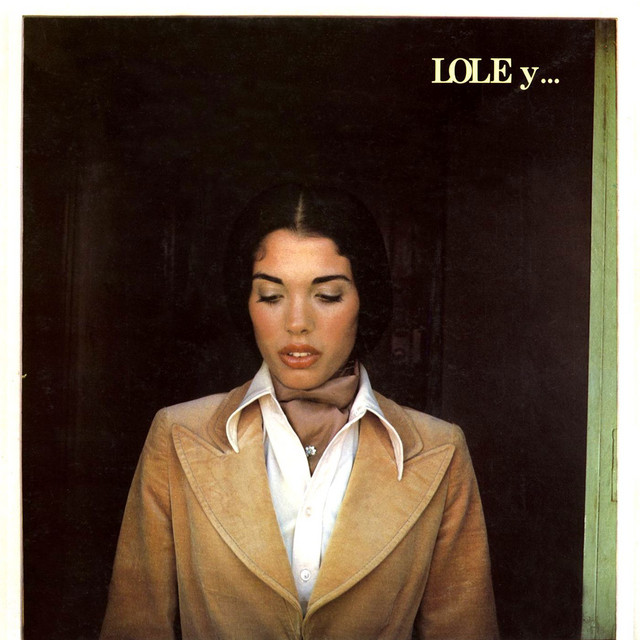
Lole Y Manuel
Flamenco
Flamenco Pop
Iberian Music
2
/5
Rocío Márquez
Flamenco
Flamenco Pop
Iberian Music
5
/5
ROSALÍA
Latin
Flamenco
Neoperreo
3
/5
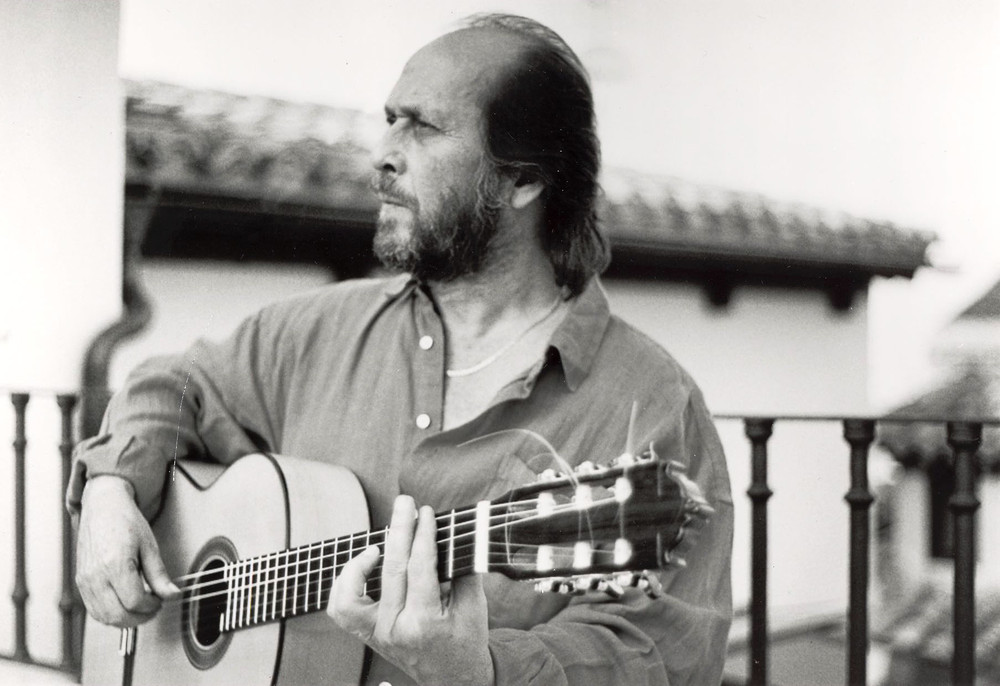
Paco de Lucía
Flamenco
Iberian Music
Spanish Music
3
/5
Kiko Veneno
Flamenco
Flamenco Pop
Rock Andaluz
3
/5
John McLaughlin
Flamenco
Jazz
Jazz Fusion
3
/5
Rodrigo y Gabriela
Acoustic Rock
Nuevo Flamenco
Flamenco
Download our mobile app
Get the Melodigging app and start digging for new genres on the go
Download on the App Store
Get it on Google Play
© 2026 Melodigging
Give feedback
Legal
Melodding was created as a tribute to
Every Noise at Once
, which inspired us to help curious minds keep digging into music's ever-evolving genres.