Genres
Artists
Albums
Make Music
Sign in
Sign in
Artists
Latin
Artists
Latin
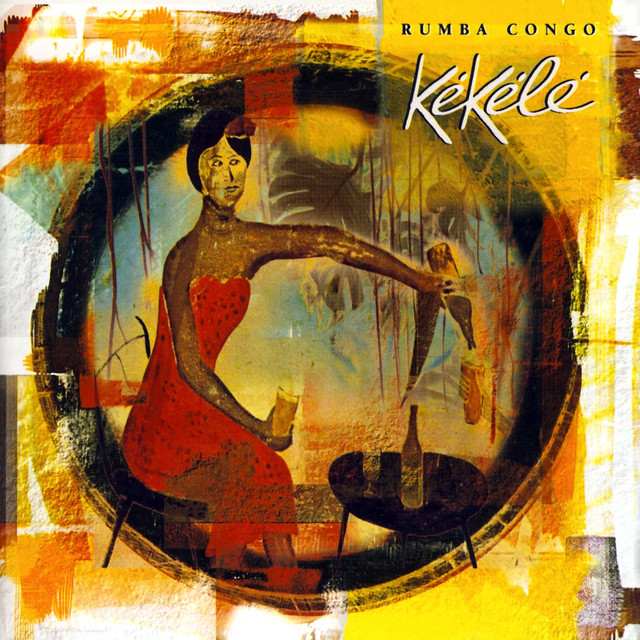
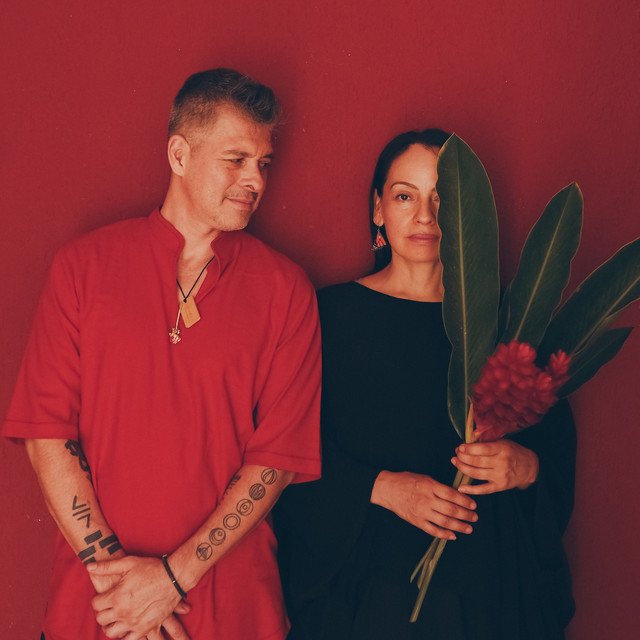
Kékélé
1998
·
1 album
Listen
1
/5
Genres
World
World music is a broad, industry-coined umbrella for traditional, folk, and contemporary popular styles from around the globe that fall outside the Anglo-American pop mainstream. The label emerged in the 1980s as a retail and marketing category to group diverse regional musics for international distribution. Musically, it spans acoustic and electric instrumentation; modal, pentatonic, and microtonal pitch systems; and rhythms ranging from cyclical grooves and polyrhythms to asymmetrical meters. While the term can obscure local specificity, it also facilitated cross-cultural collaboration, festivals, and recordings that brought regional genres to wider audiences.
Discover
Listen
Soukous
Soukous is a high-energy dance music that evolved in the Congolese region (Kinshasa–Brazzaville) from Congolese rumba and Afro‑Cuban styles. It is defined by interlocking electric guitars, buoyant bass lines, bright horn stabs, and long, fast "sebene" instrumental sections designed for dancing. Vocals are often in Lingala with French interjections, and themes frequently revolve around romance, urban life, and social commentary. The music emphasizes forward motion and joyful release, pairing Afro‑Cuban rhythmic logic (clave-informed phrasing) with signature Congolese guitar picking that creates a shimmering, cascading texture.
Discover
Listen
Latin
Latin (as a genre label) is a broad umbrella used by the recording industry to categorize popular music rooted in Latin America, the Caribbean, and the Iberian world, often characterized by syncopated Afro-diasporic rhythms, dance-forward grooves, and lyrics primarily in Spanish or Portuguese. As a marketplace category that took shape in the mid-20th century United States, it gathers diverse traditions—Afro-Cuban, Brazilian, Mexican, and Caribbean styles—into a shared space. In practice, "Latin" spans everything from big-band mambo and bolero ballads to contemporary pop, rock, hip hop, and dance fusions produced by artists of Latin American heritage.
Discover
Listen
Rumba
Rumba is an Afro‑Cuban, percussion‑driven song‑and‑dance genre that arose in the port neighborhoods and solares of Havana and Matanzas. It features complex interlocking rhythms played on congas (tumbadora, segundo, quinto), claves, and palitos, with the quinto drum improvising over cyclical patterns. The music is built around the rumba clave (in 3‑2 or 2‑3 orientation), call‑and‑response vocals, and a lead singer who declaims verses followed by catchy coros. Three principal styles exist: yambú (slow, playful), guaguancó (medium, flirtatious, with the iconic "vacunao" gesture in the dance), and columbia (fast, virtuosic, traditionally for solo male dancers). Historically performed with cajones (wooden boxes) when drums were restricted, rumba is a secular, community practice whose poetry, dance, and rhythm encode Afro‑Cuban history and identity. It is distinct from ballroom "rhumba" and from Congolese rumba, both of which were influenced by Cuban music rather than being the same style.
Discover
Listen
Albums
1998
2
/5
Kinavana
Kékélé
Soukous
Latin
Rumba
Similar artists
2
/5
Sam Mangwana
Marrabenta
Champeta
Congolese Rumba
1
/5
Various Artists
Afro-Funk
Alternative Rock
Ambient
4
/5
Gipsy Kings
Rumba Catalana
Flamenco
Rumba Flamenca
4
/5
Manu Chao
World
Latin Alternative
Chill Pop
4
/5
El Barrio
Rock Andaluz
Rumba
Flamenco
4
/5
Cesária Evora
Morna
Twoubadou
Cape Verdean Music
4
/5
Lila Downs
Latin
Latin Alternative
Latin Folk
3
/5
Toumani Diabaté
Griot
Mande Music
World
3
/5
Rodrigo y Gabriela
Acoustic Rock
Nuevo Flamenco
Flamenco
3
/5
Afro-Cuban All Stars
Son Cubano
Latin Jazz
Afro-Cuban Jazz
Download our mobile app
Get the Melodigging app and start digging for new genres on the go
Download on the App Store
Get it on Google Play
© 2026 Melodigging
Give feedback
Legal
Melodding was created as a tribute to
Every Noise at Once
, which inspired us to help curious minds keep digging into music's ever-evolving genres.