Genres
Artists
Albums
Make Music
Sign in
Sign in
Artists
Byzantine Chant
Artists
Byzantine Chant
Kassia
2009
·
1 album
Listen
1
/5
Genres
Byzantine Chant
Byzantine chant is the monophonic, a cappella liturgical music of the Eastern Roman (Byzantine) Church, sung primarily in Greek and organized around the octoechos (eight-mode) system. Its melodies are modal rather than harmonic, unfolding in one line supported in later practice by a sustained drone (ison). The repertory sets biblical psalms and hymnic poetry (e.g., troparia, kontakia, stichera, and canons) to melodies that follow textual accent and rhetorical pacing rather than strict meter. Notation employs neumes that encode melodic direction and ornate formulae, preserving a highly codified oral tradition. The sound is characterized by free rhythm, microtonal inflections in certain modes, and an austere, prayerful timbre designed for resonant ecclesiastical spaces. Byzantine chant remains central to the worship of the Eastern Orthodox Church and has shaped a wide family of chant traditions across the Mediterranean and Slavic worlds.
Discover
Listen
Byzantine Music
Byzantine music is the sacred chant tradition of the Byzantine (Eastern Roman) Empire, cultivated primarily in the Greek-speaking Christian world. It is a monophonic, vocal art that uses modal systems (the Octoechos), formulaic melodic patterns, and an ison (drone) to support the principal melody. It is performed a cappella in liturgical contexts, with texts drawn from scripture and hymnography in Greek and related Christian languages. Its notation developed a distinctive neumatic script, and its aesthetics emphasize prayerful sobriety, rhetorical declamation of sacred texts, and highly ornamented melodic gestures governed by modal grammar.
Discover
Listen
Hymns
Hymns are strophic, text-driven songs of praise, devotion, or instruction intended for congregational or communal singing, most closely associated with Christian worship. They typically use clear, memorable melodies, regular poetic meters, and straightforward harmonies so that large groups can sing together with ease. While the concept of a hymn as a sacred song predates Christianity (e.g., in Ancient Greek and Jewish traditions), Christian hymnody coalesced late in the 4th century with Ambrosian practice in Milan and then expanded through Latin and Greek liturgical cultures. Over time, hymn singing moved from monastic and cathedral settings into congregational life, especially after the Protestant Reformation, where metrical psalms and vernacular hymns became a defining feature of worship. Modern hymnody ranges from chant-like, modal melodies without accompaniment to robust, four-part chorale harmonizations with organ, and even contemporary arrangements that adapt classic hymn texts and tunes to newer popular styles.
Discover
Listen
Albums
2009
1
/5
Kassia
Kassia / VocaMe
Byzantine Chant
Byzantine Music
Hymns
Similar artists
3
/5
Anonymous
Ars Antiqua
Gregorian Chant
Medieval
2
/5
Divna Ljubojevic
Gregorian Chant
Byzantine Chant
Byzantine Music
1
/5
VocaMe
Gregorian Chant
Medieval
Byzantine Chant
4
/5
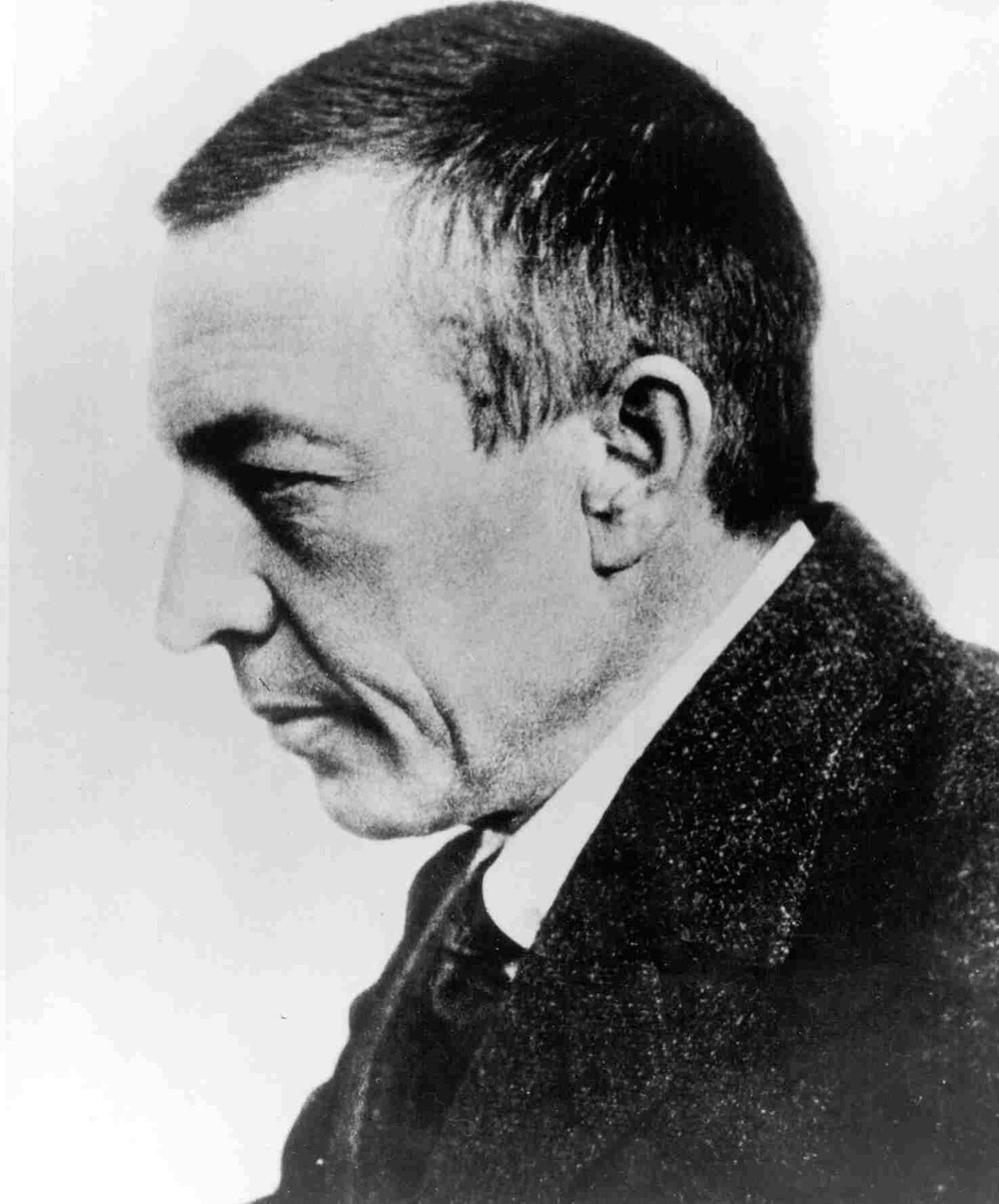
Sergei Rachmaninoff
Classical
Moscow School
Choral Concerto
4
/5
Traditional
Gregorian Chant
Spanish Classical Music
Medieval Classical Music
3
/5
John Nelson
Deep Soundtrack
Byzantine Chant
Byzantine Music
2
/5
Estonian Philharmonic Chamber Choir
Choral
Minimalism
Holy Minimalism
2
/5
Alexander Lingas
Medieval
Byzantine Chant
Byzantine Music
2
/5
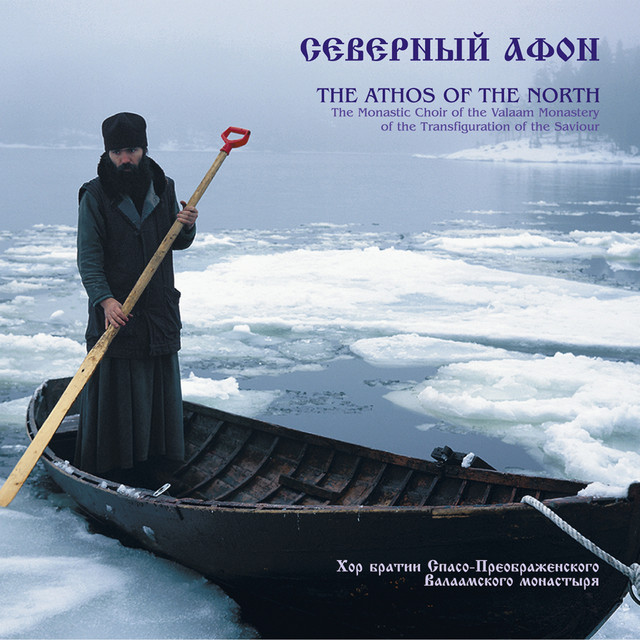
Хор братии Валаамского монастыря
Gregorian Chant
Byzantine Chant
Byzantine Music
2
/5
TRONOS - corul de psalți al Patriarhiei Române
Gregorian Chant
Byzantine Chant
Byzantine Music
Download our mobile app
Get the Melodigging app and start digging for new genres on the go
Download on the App Store
Get it on Google Play
© 2026 Melodigging
Give feedback
Legal
Melodding was created as a tribute to
Every Noise at Once
, which inspired us to help curious minds keep digging into music's ever-evolving genres.