Genres
Artists
Albums
Make Music
Sign in
Sign in
Artists
Boogie-Woogie
Artists
Boogie-Woogie
Julia Lee And Her Boyfriends
1955
·
1 album
Listen
2
/5
Genres
Swing
Swing is a jazz style centered on a buoyant, danceable groove created by a walking bass, four-to-the-bar rhythm guitar, a backbeat emphasis on 2 and 4, and a lilted “swung” eighth-note feel. Typically performed by big bands (saxes, trumpets, trombones, and a rhythm section) as well as small combos, it balances written arrangements with improvised solos. Hallmarks include call-and-response between horn sections, riff-based melodies, shout choruses that build intensity near the end of an arrangement, and rich sectional voicings grounded in blues language and ii–V–I harmonic motion. Tempos range from medium to brisk, serving social dances like the Lindy Hop and Jitterbug. Swing’s expressive phrasing, dance-floor focus, and sophisticated arranging made it the dominant popular music of the late 1930s and early 1940s.
Discover
Listen
Vintage Swing
Vintage swing refers to the original, dance‑era swing recorded mainly during the 1930s and 1940s in the United States. It is characterized by a buoyant “swing” rhythmic feel (uneven, lilting eighths), strong four‑to‑the‑bar pulse, walking bass lines, and riff‑driven horn writing. Typical ensembles were big bands with sections of saxophones, trombones, trumpets, and a rhythm section of guitar (four‑to‑the‑bar), piano, double bass, and drums (hi‑hat on 2 and 4). The style balances tightly arranged call‑and‑response figures with spotlighted improvised solos. Vocals often draw on the blues, with scat singing and witty songcraft common. The “vintage” designation points to the sound of the period: monaural 78‑rpm recordings, ribbon mics, room‑forward balances, and lively ballrooms—music designed for social dance styles like the Lindy Hop and jitterbug.
Discover
Listen
Boogie-Woogie
Boogie-woogie is a highly rhythmic, piano-centered branch of the blues distinguished by its driving “eight-to-the-bar” left-hand ostinato and improvised right-hand riffs. While it shares the 12‑bar blues framework and blue-note vocabulary, it places an unusually strong emphasis on groove, forward motion, and danceability. Typically performed at brisk tempos, the style features a rolling, repeated bass pattern in broken octaves (or a walking single-note line) that locks into a shuffle or 12/8 swing feel. Over this foundation, the right hand plays syncopated licks, triplet figures, crushed grace notes, tremolos, and call‑and‑response motifs, often quoting and varying short, catchy riffs. The result is a propulsive, celebratory sound designed for social dancing and energetic performance.
Discover
Listen
Albums
1955
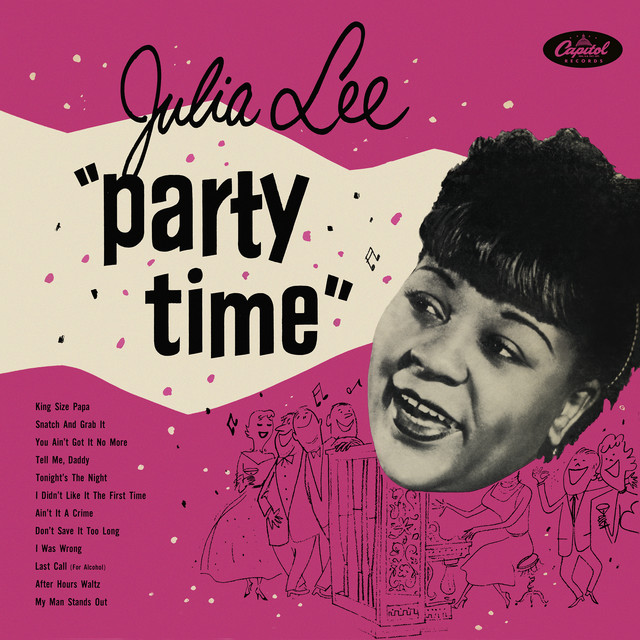
Party Time
Julia Lee And Her Boyfriends
Vintage Swing
Similar artists
3
/5
Jools Holland
Boogie-Woogie
Jazz
Blues
3
/5
LaVern Baker
Jump Blues
Boogie-Woogie
Doo-Wop
3
/5
Ruth Brown
Blues
Boogie-Woogie
Jazz Blues
3
/5
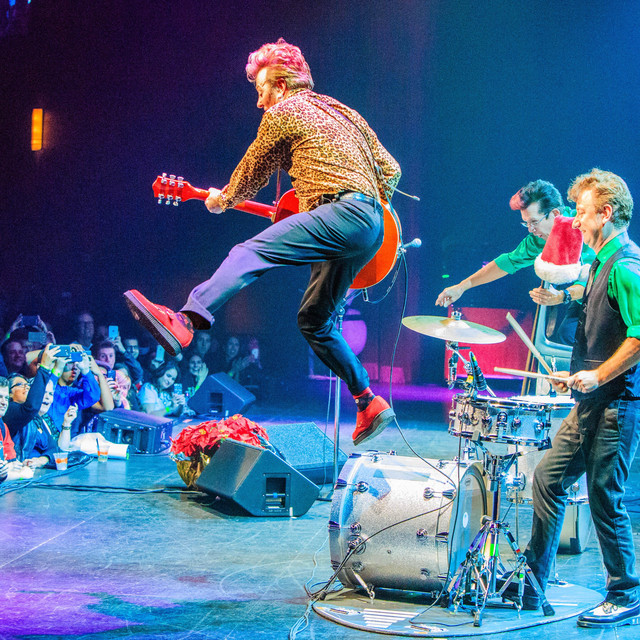
The Brian Setzer Orchestra
Swing Revival
Swing
Rockabilly
3
/5
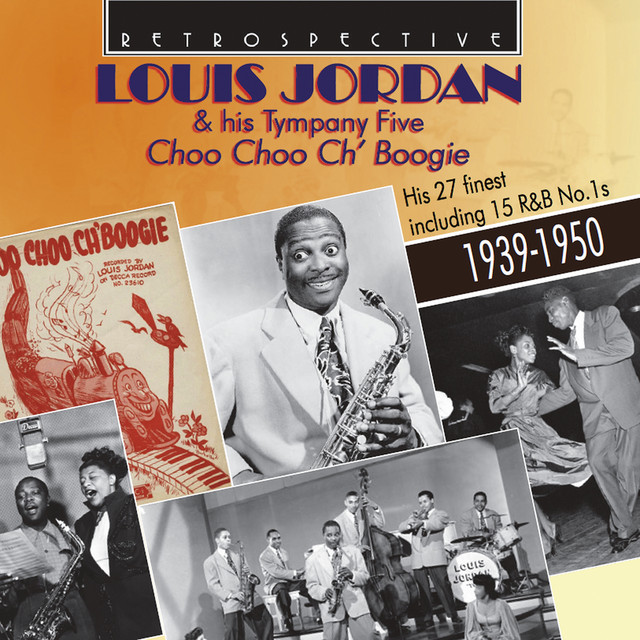
Louis Jordan & His Tympany Five
Big Band
Boogie-Woogie
Jazz Blues
2
/5
Big Joe Turner
Jump Blues
Blues
R&b
2
/5
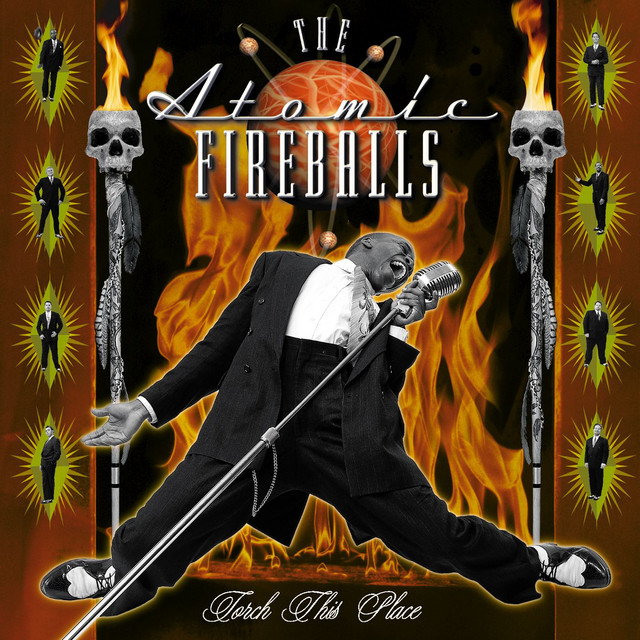
The Atomic Fireballs
Swing Revival
Big Band
Boogie-Woogie
2
/5
Louis Jordan
Jump Blues
Tin Pan Alley
Big Band
2
/5
Wynonie Harris
Jump Blues
Boogie-Woogie
Rockabilly
2
/5
Earl Hines
Big Band
Boogie-Woogie
Hard Bop
Download our mobile app
Get the Melodigging app and start digging for new genres on the go
Download on the App Store
Get it on Google Play
© 2026 Melodigging
Give feedback
Legal
Melodding was created as a tribute to
Every Noise at Once
, which inspired us to help curious minds keep digging into music's ever-evolving genres.