Genres
Artists
Albums
Make Music
Sign in
Sign in
Artists
Jump Blues
Artists
Jump Blues
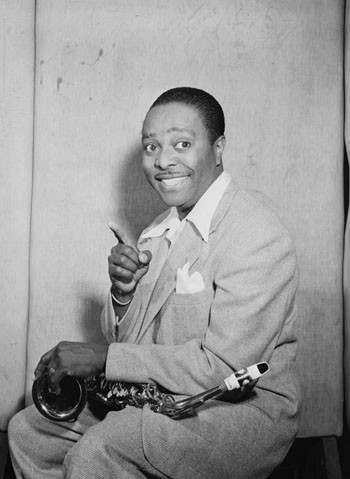
Louis Jordan
1956–2023
·
7 albums
Listen
2
/5
Genres
Rock And Roll
Rock and roll is a high-energy, dance-oriented popular music style that emerged in the United States in the early-to-mid 1950s. It fuses the 12‑bar blues and boogie‑woogie with the backbeat and instrumentation of rhythm & blues, the twang and storytelling of country, and the fervor of gospel. Its hallmark sound centers on a strong backbeat (accented on beats 2 and 4), driving rhythm sections, electric guitar riffs, prominent piano or saxophone leads, and catchy, chorus-forward songwriting. Typical harmonies revolve around I–IV–V progressions, often in 12-bar form, with swung or shuffle feels and punchy turnarounds. Culturally, rock and roll catalyzed a youth movement linked to dancing, teen identity, and social change. It bridged racial audiences by popularizing Black American musical traditions for mainstream listeners, and it laid the foundation for subsequent rock styles and much of modern pop.
Discover
Listen
Jump Blues
Jump blues is a high‑energy, small‑combo offshoot of swing and urban blues that crystallized in the United States during the 1940s. It features driving boogie‑woogie piano patterns, a propulsive shuffle or backbeat, riffing horn sections (often led by tenor sax), and exuberant, shout‑style vocals. Songs typically use 12‑bar blues or related blues‑based forms at brisk tempos, with catchy call‑and‑response hooks between singer and horns. Lyrics frequently center on nightlife, romance, humor, and double entendres. The style’s compact arrangements, honking sax solos, and dance‑floor focus made it a jukebox staple and a crucial bridge from swing to rhythm and blues and early rock and roll.
Discover
Listen
R&b
R&B (Rhythm and Blues) is a vocal- and groove-centered popular music tradition that blends blues tonality, jazz harmony, and gospel-inflected singing with a steady backbeat. It emphasizes expressive lead vocals, call-and-response, lush harmonies, and danceable rhythms. From its 1940s roots in African American communities to its later evolutions, R&B has continually absorbed and reshaped surrounding sounds—from jump blues and swing in the early days to soul, funk, hip hop, and electronic production in the contemporary era. Today, R&B ranges from intimate, slow-burning ballads to club-ready tracks, all tied together by a focus on feel, melody, and vocal performance.
Discover
Listen
Swing
Swing is a jazz style centered on a buoyant, danceable groove created by a walking bass, four-to-the-bar rhythm guitar, a backbeat emphasis on 2 and 4, and a lilted “swung” eighth-note feel. Typically performed by big bands (saxes, trumpets, trombones, and a rhythm section) as well as small combos, it balances written arrangements with improvised solos. Hallmarks include call-and-response between horn sections, riff-based melodies, shout choruses that build intensity near the end of an arrangement, and rich sectional voicings grounded in blues language and ii–V–I harmonic motion. Tempos range from medium to brisk, serving social dances like the Lindy Hop and Jitterbug. Swing’s expressive phrasing, dance-floor focus, and sophisticated arranging made it the dominant popular music of the late 1930s and early 1940s.
Discover
Listen
Big Band
Big band is a large-ensemble style of jazz and popular dance music built around brass, reed, and rhythm sections playing arranged parts. Typical instrumentation includes five saxophones (often doubling clarinet/flute), four trombones, four trumpets, and a rhythm section of piano, guitar, upright bass, and drum set. The music emphasizes swing rhythms, call-and-response between sections, riff-based writing, and dramatic shout choruses, while leaving space for improvised solos. Born in American ballrooms and theaters, big band became the sound of the Swing Era, providing both music for dancing and a platform for sophisticated arranging and orchestration that shaped much of 20th‑century jazz and popular music.
Discover
Listen
Jazz
Jazz is an improvisation-centered music tradition that emerged from African American communities in the early 20th century. It blends blues feeling, ragtime syncopation, European harmonic practice, and brass band instrumentation into a flexible, conversational art. Defining features include swing rhythm (a triplet-based pulse), call-and-response phrasing, blue notes, and extended harmonies built on 7ths, 9ths, 11ths, and 13ths. Jazz is as much a way of making music—spontaneous interaction, variation, and personal sound—as it is a set of forms and tunes. Across its history, jazz has continually hybridized, from New Orleans ensembles and big-band swing to bebop, cool and hard bop, modal and free jazz, fusion, and contemporary cross-genre experiments. Its influence permeates global popular and art music.
Discover
Listen
Blues
Blues is an African American musical tradition defined by expressive "blue notes," call-and-response phrasing, and a characteristic use of dominant-seventh harmony in cyclical song forms (most famously the 12‑bar blues). It is as much a feeling as a form, conveying sorrow, resilience, humor, and hard-won joy. Musically, blues commonly employs the I–IV–V progression, swung or shuffled rhythms, and the AAB lyric stanza. Melodies lean on the minor/major third ambiguity and the flattened fifth and seventh degrees. Core instruments include voice, guitar (acoustic or electric), harmonica, piano, bass, and drums, with slide guitar, bends, and vocal melismas as signature techniques. Over time the blues has diversified into regional and stylistic currents—Delta and Piedmont country blues, urban Chicago and Texas blues, West Coast jump and boogie-woogie—while profoundly shaping jazz, rhythm & blues, rock and roll, soul, funk, and much of modern popular music.
Discover
Listen
Tin Pan Alley
Tin Pan Alley refers to the late‑19th- and early‑20th‑century New York music‑publishing hub that industrialized the creation and promotion of American popular song. Centered around West 28th Street in Manhattan, publishers and song pluggers churned out catchy tunes for mass sheet‑music sales and vaudeville performance. Musically, Tin Pan Alley songs favored memorable melodies, clear hooks, and singable ranges, often set in 3/4 waltz time or 4/4 with light syncopation picked up from ragtime. The prevailing 32‑bar AABA form became a defining template, with diatonic harmony enriched by secondary dominants, circle‑of‑fifths motion, and occasional modulations. Culturally, Tin Pan Alley fed Broadway revues, vaudeville circuits, and later radio and film, laying the foundation of the Great American Songbook. Its output ranges from romantic ballads to novelty numbers and uptempo dance songs, shaping the language of American popular music for decades.
Discover
Listen
Revue
A revue is a plot-light, multi-act stage entertainment that strings together songs, dances, comedy sketches, and specialty acts around a loose theme or topical satire. Unlike a book musical, a revue prioritizes spectacle and variety over narrative, showcasing chorus lines, star turns, witty patter songs, and lavish costumes and sets. Its musical numbers often reflect popular styles of their day (e.g., Tin Pan Alley, jazz age foxtrots) and can be easily excerpted as standalone songs.
Discover
Listen
Boogie-Woogie
Boogie-woogie is a highly rhythmic, piano-centered branch of the blues distinguished by its driving “eight-to-the-bar” left-hand ostinato and improvised right-hand riffs. While it shares the 12‑bar blues framework and blue-note vocabulary, it places an unusually strong emphasis on groove, forward motion, and danceability. Typically performed at brisk tempos, the style features a rolling, repeated bass pattern in broken octaves (or a walking single-note line) that locks into a shuffle or 12/8 swing feel. Over this foundation, the right hand plays syncopated licks, triplet figures, crushed grace notes, tremolos, and call‑and‑response motifs, often quoting and varying short, catchy riffs. The result is a propulsive, celebratory sound designed for social dancing and energetic performance.
Discover
Listen
Show all 10 genres
Albums
2023
1
/5
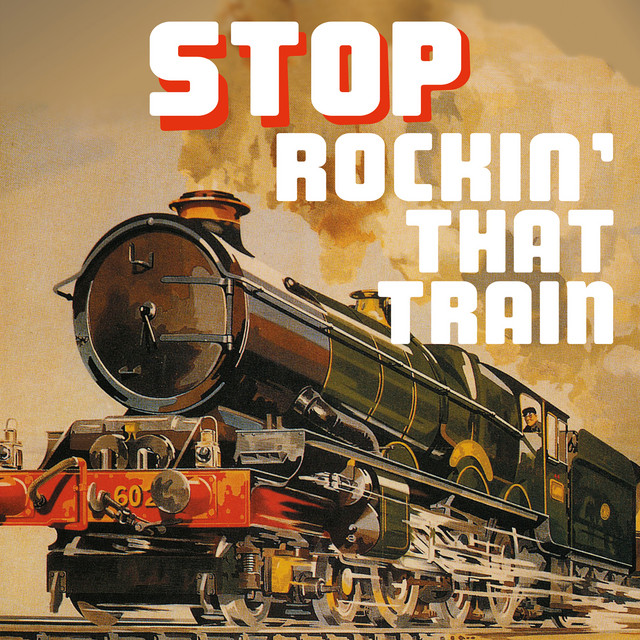
Stop Rockin' That Train
Louis Jordan
Tin Pan Alley
1991
2
/5
Five Guys Named Moe (Original London Cast)
Five Guys Named Moe
Revue
1958
1
/5
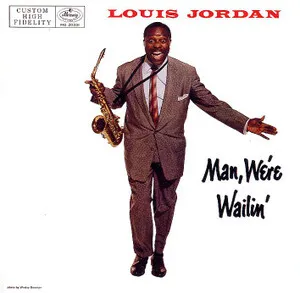
Man, We're Wailin'
Louis Jordan
Jump Blues
1956
3
/5
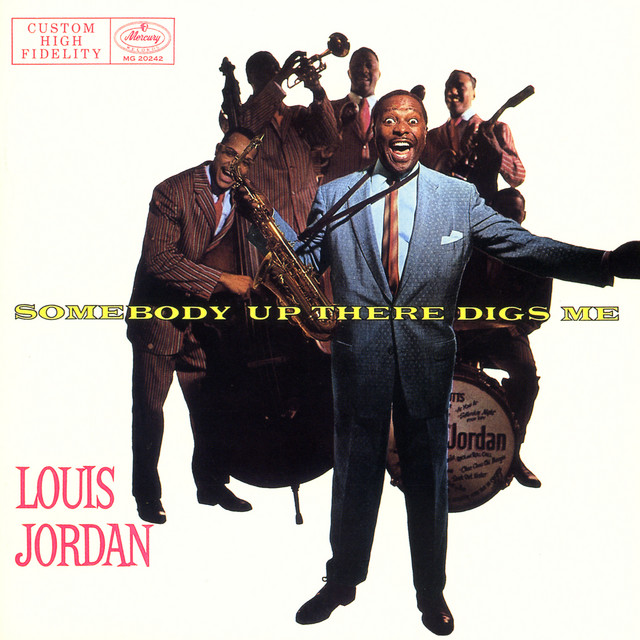
Somebody Up There Digs Me
Louis Jordan
Tin Pan Alley
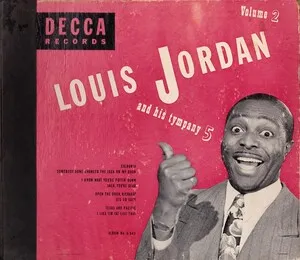
Louis Jordan and His Tympany 5, Volume 2
Louis Jordan
Jump Blues
Louis Jordan and His Tympany Five
Louis Jordan
Jump Blues
Somebody Up There Digs Me
Louis Jordan
Jump Blues
Similar artists
1
/5
Various Artists
Afro-Funk
Alternative Rock
Ambient
2
/5
Big Joe Turner
Jump Blues
Blues
Boogie
2
/5
Roomful Of Blues
Jump Blues
Blues
Blues Rock
3
/5
Louis Prima
Jump Blues
Swing
Big Band
2
/5
Colin James
Blues
Blues Rock
Boogie-Woogie
2
/5
Roy Milton
Jump Blues
Blues
Boogie-Woogie
3
/5
Ruth Brown
Blues
Boogie-Woogie
Jazz Blues
2
/5
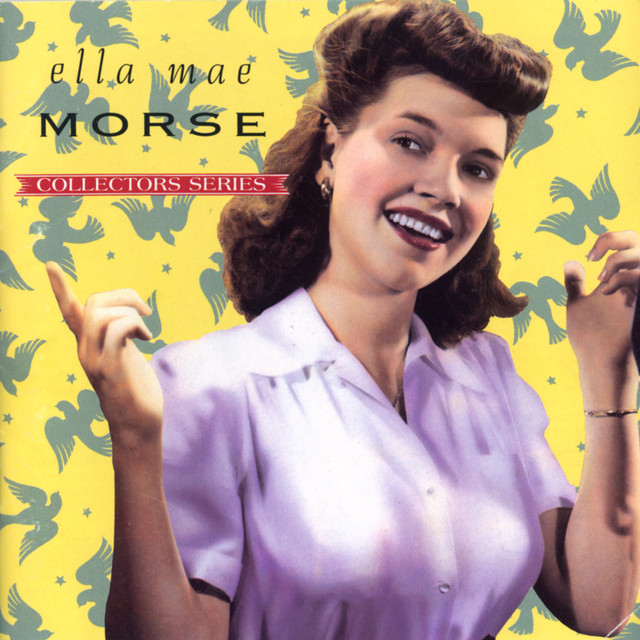
Ella Mae Morse
Boogie-Woogie
Big Band
Jump Blues
2
/5
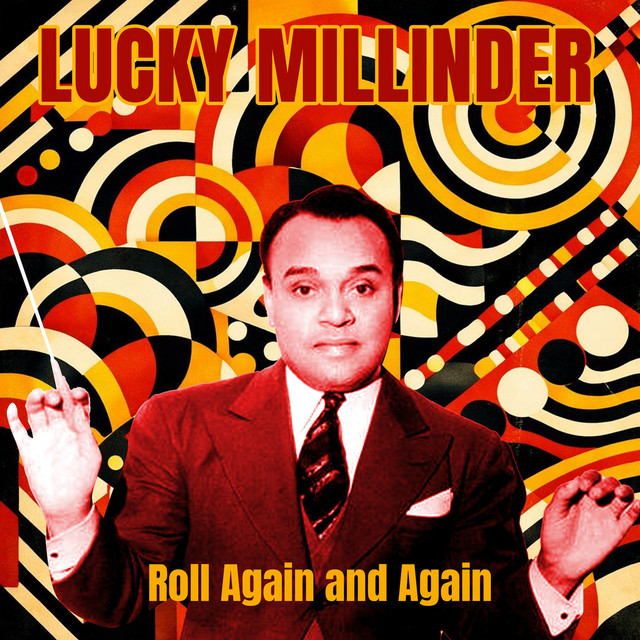
Lucky Millinder
Big Band
Boogie-Woogie
Jump Blues
3
/5
Jools Holland
Boogie-Woogie
Swing
Big Band
Download our mobile app
Get the Melodigging app and start digging for new genres on the go
Download on the App Store
Get it on Google Play
© 2026 Melodigging
Give feedback
Legal
Melodding was created as a tribute to
Every Noise at Once
, which inspired us to help curious minds keep digging into music's ever-evolving genres.