Genres
Artists
Albums
Make Music
Sign in
Sign in
Artists
Classical
Artists
Classical
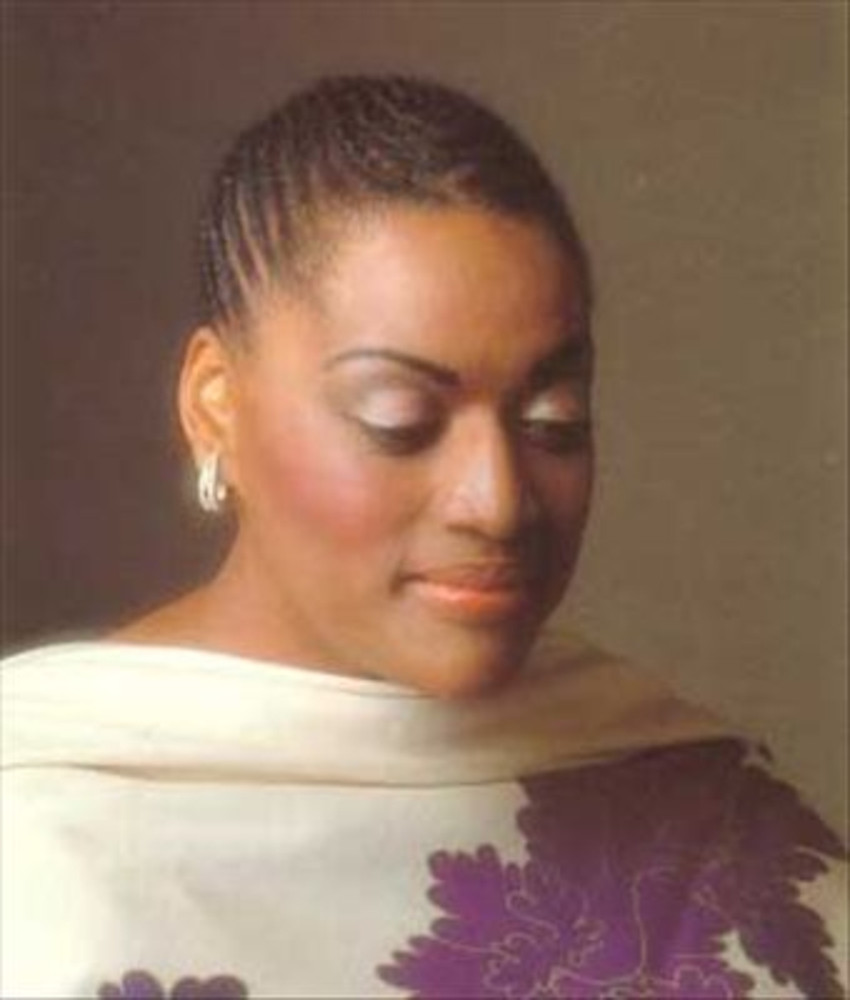
Jessye Norman
1983–1989
·
3 albums
Listen
2
/5
Genres
Traditional Black Gospel
Traditional Black Gospel is a sacred African American musical tradition that crystallized in the early 20th century and reached a "golden age" from the 1930s to the 1950s. It pairs blues-inflected melodies and jazz harmonies with congregational call-and-response, handclaps, and testimonies of faith, hope, and deliverance. Rooted in spirituals, ring shouts, hymns, and Holiness-Pentecostal worship, it features powerful lead vocals, responsive choirs or quartets, and driving rhythmic feels (often 12/8 shuffle or swung 4/4) supported by piano or Hammond organ, tambourine, and later rhythm sections. The style is performance-centered and participatory: songs intensify through vamping, ad‑libs, modulations, and dynamic swells, transforming devotional texts into communal, ecstatic praise.
Discover
Listen
New German School
The New German School (Neu deutsche Schule) was a mid‑19th‑century movement in German‑speaking music that championed program music, dramatic narrative, and progressive harmony. Centered around Franz Liszt in Weimar and Richard Wagner’s concept of music drama, it stood in contrast to the Brahms‑aligned current that favored "absolute" music. Its aesthetics privileged extra‑musical ideas (literature, myth, history) as structuring forces for composition. Techniques such as thematic transformation, extensive chromaticism, and motivic networks (leitmotifs) gave coherence to single‑movement orchestral forms and continuous operatic fabrics. The orchestra itself became an active narrator, expanded in size, color, and brass/woodwind innovations.
Discover
Listen
Orchestral Song
Orchestral song is an art-song tradition in which a solo voice is accompanied by a full orchestra rather than piano or a small chamber ensemble. It preserves the intimate, text-led focus of lieder and mélodie while expanding the expressive palette with orchestral color, timbral contrast, and large-scale dynamic shaping. Unlike opera, it is not staged and typically sets discrete poems or groups of poems, often assembled into cycles. Forms range from strophic to through-composed, and the style spans late-Romantic tonal idioms to early modernist harmonies. Central to the genre is the careful balance between textual clarity and orchestral richness, with the orchestra acting as a commentator and colorist—introducing motives, painting imagery, and framing the vocal line with preludes, interludes, and postludes.
Discover
Listen
Art Song
Art song is an intimate, concert-music genre in which a poetic text is set for solo voice with an equally integral piano accompaniment. Unlike popular song, it is composed for attentive listening in the recital hall or salon, and unlike opera, it does not require staging or multiple characters. The genre privileges prosody, word-painting, and subtle harmonic color to illuminate imagery and emotion in the poem. Forms range from strophic and modified strophic to fully through-composed designs, and the piano often supplies prelude, interludes, and a telling postlude that extends or reframes the text’s sentiment. German Lieder, French mélodie, and English-language art song are the best-known national currents within this tradition.
Discover
Listen
Lied
Lied (plural: Lieder) is the German art song: a finely crafted setting of German-language poetry for solo voice and piano. It is characterized by an intimate, chamber-scale dialogue between singer and pianist in which the accompaniment is an equal partner rather than mere support. Texts are drawn from canonical poets such as Goethe, Heine, Rückert, and Eichendorff, and the music often employs vivid text painting, flexible prosody, and nuanced harmonic color to illuminate poetic imagery. Formal designs include strophic, modified strophic, and through-composed forms, allowing composers to mirror a poem’s narrative or emotional arc. The Lied flourished in the Romantic era, crystallizing ideals of interiority, nature, folklore, and the unity of poetry and music. It remains central to recital repertoire and a cornerstone of German vocal culture.
Discover
Listen
Romantische Oper
Romantische Oper (Romantic Opera) is an early nineteenth‑century German operatic genre that blends folkloric subject matter, medieval or fantastic settings, and a heightened orchestral role with the number‑opera practices inherited from the late Classical era. Rather than growing directly out of the eighteenth‑century Singspiel, it was decisively shaped by the French opéra comique of the Revolutionary and Napoleonic eras. Characteristic are reminiscence motifs—recognizable musical phrases tied to characters, ideas, or places—that recur across a work to bind drama and music, prefiguring later leitmotivic techniques. Orchestration becomes vivid and dramaturgical (hunting horns, nature painting, offstage ensembles), while choruses and folk‑like tunes reinforce themes of the supernatural, heroism, nationhood, and the poetic power of nature. Typical libretti draw on German folk tales, legends, and medieval romance; musically, the style favors singable, diatonic melodies colored by chromatic harmony and striking timbral effects to depict magic and terror alongside lyric intimacy.
Discover
Listen
Spirituals
Spirituals are religious folk songs created by enslaved Africans and their descendants in the United States, blending West African musical practices with Protestant Christian hymnody. Sung primarily a cappella, they feature call-and-response, improvisation, rich timbral expression, and rhythmic drive supported by body percussion (clapping, stomping) and the ring shout. Texts draw on Biblical narratives—especially Exodus, captivity, deliverance, and redemption—while often carrying coded meanings about resistance, escape, and communal hope. Melodies frequently use pentatonic patterns, blue-leaning inflections, and flexible meter, while group performance encourages heterophony and spontaneous variation. Over time, spirituals moved from work fields and praise houses to concert stages through arranged choral traditions, profoundly shaping American music by influencing gospel, blues, jazz, soul, and the broader canon of U.S. folk and popular song.
Discover
Listen
Opera
Opera is a large-scale theatrical genre that combines music, drama, and visual spectacle, in which the story is primarily conveyed through singing accompanied by an orchestra. It unites solo voices, ensembles, and chorus with staging, costumes, and often dance to create a total artwork. Emerging in late Renaissance Italy and flourishing in the Baroque era, opera developed signature forms such as recitative (speech-like singing that advances the plot) and aria (lyrical numbers that explore character and emotion). Over the centuries it evolved diverse national styles—Italian bel canto, French grand opéra, German music drama—while continually experimenting with orchestration, harmony, narrative structure, and stagecraft.
Discover
Listen
German Music
German music is a broad umbrella for the musical traditions created in the German-speaking lands, spanning from medieval sacred chant and courtly song to world-shaping classical composition, folk idioms, and modern popular and electronic styles. It is central to the Western classical canon (from chorales and counterpoint to symphonies and opera), yet it also encompasses vernacular streams such as Volksmusik and Schlager, as well as innovative modern movements like Krautrock, Neue Deutsche Welle, Berlin techno, Deutschrap, and Neue Deutsche Härte. Across eras, characteristic traits include structural clarity, deep harmonic development, contrapuntal craft, and—especially in vocal genres—German-language texts that range from devotional and philosophical to satirical and everyday themes. Because “German music” names a national tradition rather than one single style, it combines art-music lineages (medieval to contemporary), regional folk practices, and international exchange, with German hubs (Leipzig, Dresden, Berlin, Hamburg, Munich, Düsseldorf, Cologne) acting as engines of musical education, performance, and experimentation.
Discover
Listen
Classical
Classical music is the notated art-music tradition of Europe and its global descendants, characterized by durable forms, carefully codified harmony and counterpoint, and a literate score-based practice. The term “classical” can refer broadly to the entire Western art-music lineage from the Medieval era to today, not just the Classical period (c. 1750s–1820s). It privileges long-form structures (such as symphonies, sonatas, concertos, masses, and operas), functional or modal harmony, thematic development, and timbral nuance across ensembles ranging from solo instruments to full orchestras and choirs. Across centuries, the style evolved from chant and modal polyphony to tonal harmony, and later to post-tonal idioms, while maintaining a shared emphasis on written notation, performance practice, and craft.
Discover
Listen
Show all 10 genres
Albums
1989
1
/5
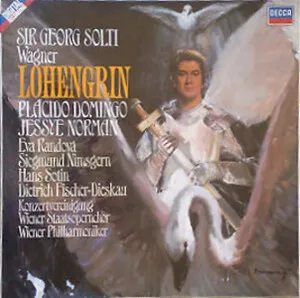
Lohengrin
Richard Wagner
Romantische Oper
New German School
German Music
1983
2
/5
Vier letzte Lieder; 6 Orchesterlieder
Richard Strauss
Lied
German Music
Art Song
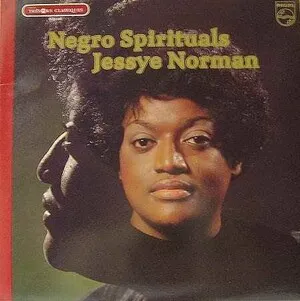
Negro Spirituals
Jessye Norman
Traditional Black Gospel
Similar artists
4
/5
Wiener Philharmoniker
Classical
Romantic Classical
Romanticism
3
/5
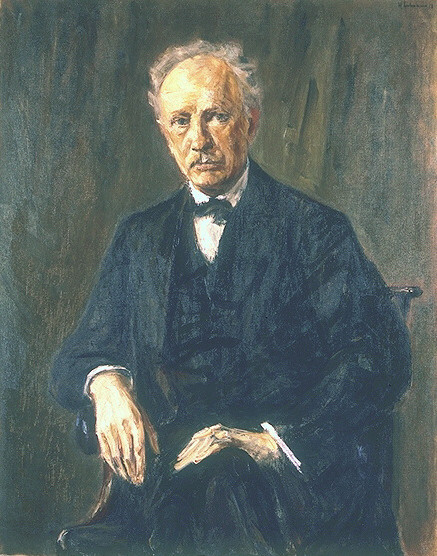
Richard Strauss
Symphonic Poem
Classical
Orchestral
3
/5
Dietrich Fischer-Dieskau
Art Song
Lied
Classical
4
/5
Berliner Philharmoniker
Classical
Romantic Classical
Romanticism
4
/5
Herbert von Karajan
Classical
Symphonic Poem
Symphony
2
/5
Otto Klemperer
Choral
Classical
Opera
2
/5
Christa Ludwig
Classical
Opera
Requiem
2
/5
Gundula Janowitz
Cantata
Classical
Opera
2
/5
Elisabeth Schwarzkopf
Classical
Opera
Art Song
2
/5
Hans Hotter
Classical
Opera
Art Song
Download our mobile app
Get the Melodigging app and start digging for new genres on the go
Download on the App Store
Get it on Google Play
© 2026 Melodigging
Give feedback
Legal
Melodding was created as a tribute to
Every Noise at Once
, which inspired us to help curious minds keep digging into music's ever-evolving genres.