Genres
Artists
Albums
Make Music
Sign in
Sign in
Artists
Field Recording
Artists
Field Recording
Jana Winderen
2009–2021
·
17 albums
Listen
1
/5
Genres
New Isolationism
New isolationism is a contemporary strain of isolationist ambient and post-industrial minimalism that emerged in the 2010s, particularly around Scandinavian experimental labels and studios. It foregrounds intimate, close-mic’d sound, negative space, and a quiet-but-present noise floor; its pieces feel both internal and architectural, like rooms built from reverb tails, tape hiss, and soft electronics. Sonically, the style blends glacial drones, fragile chamber timbres (strings, organ, piano), lo‑fi electronics, and field recordings into stark, slow-evolving tableaux. Melodic information is sparse—often only a few tones or gestures—while rhythm is either absent or reduced to distant pulses, heartbeats, or mechanical cycles. Vocals, when they appear, are murmured, diaristic, or abstracted by pitch and time manipulation. Aesthetically, new isolationism is post‑internet and diaristic: it captures solitude, memory, and dislocation with a palette that feels personal yet estranged, drawing as much from contemporary gallery sound practice as from classic dark ambient.
Discover
Listen
Lowercase
Lowercase is a minimalist strain of experimental ambient music that privileges extremely quiet, often barely-perceptible sound. Instead of melody and rhythm, it focuses on micro-sonic details—hiss, hums, room tone, paper rustle, HVAC drones, cable buzz, and distant environmental traces—presented at very low volumes. Coined by artist Steve Roden in the early 2000s, the term denotes both a sonic aesthetic and a listening practice: attentive, headphone-based, and patient. Releases frequently use long durations, wide dynamic range, and near-silence to pull listeners toward the threshold of audibility. Labels such as 12k, LINE, and Trente Oiseaux, along with galleries and sound-art contexts, helped situate lowercase at the intersection of ambient, electroacoustic composition, and conceptual sound art.
Discover
Listen
Reductionism
Reductionism is a strand of experimental, improvised music that emerged in the late 1990s, coalescing in scenes around Berlin, London, Tokyo, and Vienna. It focuses on extremely quiet dynamics, the creative use of silence, and the cultivation of subtle, unconventional timbres. Hallmarks include microtonality, extended and non-standard techniques, high amplification at very low volumes, and attention to minute sonic events such as friction, breath, electrical hum, and resonant artifacts. Rather than narrative arcs or traditional rhythm/harmony, the music prioritizes space, texture, and the act of listening itself.
Discover
Listen
Ambient
Ambient is a form of electronic and electroacoustic music that prioritizes tone, atmosphere, and texture over conventional song structures and rhythmic drive. It typically features slow-moving harmonies, sustained drones, gentle timbral shifts, and extensive use of space and silence. Rather than drawing attention to itself through hooks or beats, ambient is designed to be as ignorable as it is interesting, rewarding both background listening and focused immersion. Artists often employ synthesizers, samplers, tape loops, field recordings, and subtle acoustic instruments, with reverb and delay creating a sense of place. Substyles range from luminous, consonant soundscapes to darker, more dissonant atmospheres.
Discover
Listen
Insect Sounds
Insect sounds is a nature-recording genre focused on capturing the acoustic life of insects—crickets, katydids, cicadas, grasshoppers, beetles, and other arthropods—both as documentary field recordings and as contemplative listening material. It privileges unmanipulated, high-fidelity ambience where the insects’ rhythms, choruses, and timbral details become the "music." While scientific collections and sound archives existed earlier, the genre coalesced as a consumer-facing category during the 1970s–1990s alongside nature-sound albums and the field-recording movement. Releases range from taxonomically organized reference compilations to immersive nocturnal soundscapes that emphasize place, season, and time of day. Aesthetically, insect sounds overlap with ambient, new age, and sound art: long takes, minimal intervention, and a strong sense of space. Technically, it relies on specialized microphones (parabolic dishes, contact mics) and high sample rates to render subtle stridulations and ultrasonics with clarity.
Discover
Listen
Sound Art
Sound art is an interdisciplinary practice that treats sound itself as the primary artistic material, often prioritizing listening, space, and context over conventional musical form. It commonly appears as installations, sculptures, site‑specific works, and conceptual pieces presented in galleries, museums, and public spaces rather than on a traditional stage. Rather than focusing on melody, harmony, or beat, sound art emphasizes timbre, texture, perception, and spatialization. Works may use field recordings, environmental sound, feedback, room acoustics, silence, psychoacoustic phenomena, or generative and interactive systems. The listener’s movement, the architecture, and the social environment frequently become integral to the piece, encouraging attentive, situation‑based listening.
Discover
Listen
Drone
Drone is a minimalist music genre defined by sustained tones, long durations, and extremely gradual change. Harmony is often static or centered on a single fundamental with subtle overtone shifts, while rhythm tends toward stasis or very slow pulses. Sound sources range from acoustic instruments (e.g., strings, organ, bagpipes, shruti box, tambura) to electronics (sine waves, oscillators, feedback, tape loops, and later digital synthesis and processing). Many composers favor just intonation or other alternative tuning systems to emphasize beating patterns, psychoacoustic effects, and the internal life of sound. Although drone as a sonic principle is ancient and global, the modern experimental genre cohered in the 1960s through the New York minimalists and related avant‑garde circles, then spread into ambient, experimental, and heavy music scenes. The focus is less on melody and more on timbre, resonance, and the phenomenology of listening.
Discover
Listen
Experimental
Experimental music is an umbrella term for practices that prioritize exploration, process, and discovery over adherence to established genre norms. It embraces new sound sources, nonstandard tuning systems, indeterminacy and chance operations, graphic and open-form scores, extended techniques, and technology-led sound design (tape, electronics, computers, and live processing). Rather than a single style, it is a methodology and ethos: testing hypotheses about sound, structure, and performance, often blurring boundaries between composition, improvisation, sound art, and performance art. Listeners can expect unfamiliar timbres, unusual forms, and an emphasis on how music is made as much as the resulting sound.
Discover
Listen
Nature Recordings
Nature recordings are unaccompanied, minimally edited captures of natural soundscapes such as birdsong, wind, rain, surf, rivers, amphibians, insects, and other environmental ambiences. The emphasis is on documentary fidelity, long-form listening, and preserving dynamic range rather than musical composition in the traditional sense. Releases often present extended, uninterrupted tracks from a single habitat or time window (e.g., dawn chorus, coastal storm, tropical rainforest at night), inviting listeners to experience place through sound. While closely related to field recording and soundscape composition, nature recordings typically avoid added instruments or overt sound design, privileging biophony and geophony with as little anthrophony (human-made noise) as possible.
Discover
Listen
Audio Documentary
Audio documentary is a narrative non‑fiction form created specifically for listening. It blends reportage, interviews, archival tape, field recordings, narration, and montage to present real events, people, and ideas. Unlike audio drama, which stages fiction with actors, audio documentary prioritizes factual storytelling and journalistic ethics while borrowing dramatic structure, pacing, and sound design to deepen engagement. Its craft relies on careful research, on‑location sound, and editorial shaping to build scenes and a clear point of view.
Discover
Listen
Neoclassicism
Neoclassicism in music is a 20th‑century movement that revived forms, genres, and aesthetics from the Baroque and Classical eras, but reframed them with modern harmony, rhythm, and orchestration. It emphasizes clarity, balance, objectivity, and contrapuntal craft, often rejecting late‑Romantic excess while retaining a tonal or modal center enriched by dissonance, bitonality, and crisp rhythmic drive. Typical hallmarks include neobaroque dance suites, neoclassical sonatas and concerti, chamber‑oriented scoring, clean textures, and a dry, anti‑rhetorical performance style.
Discover
Listen
Animal Sounds
Animal sounds is a non-music, documentary-focused genre centered on the unaccompanied vocalizations and behaviors of animals—such as birdsong, whale song, insect choruses, amphibian calls, and mammal vocalizations—captured in the field. Rather than emphasizing melody, harmony, or beat, works in this genre present the acoustic ecology of a place and time. Producers often favor minimal processing to preserve scientific, educational, and experiential value, though some releases organize recordings into thematic "soundscapes" (e.g., dawn chorus, coastal rookeries). The genre is commonly used for education, research, relaxation, and as raw material for ambient, electroacoustic, and sound art contexts.
Discover
Listen
Field Recording
Field recording is the practice and genre of capturing sounds in situ—outside the studio—using portable recording equipment. It centers on documenting environments, human activities, wildlife, weather, machinery, rituals, and music as they actually occur, often with minimal intervention. As a listening genre, field recording foregrounds place and presence. Releases may present unprocessed, extended takes (e.g., a shoreline at dawn), or carefully edited sequences that map a soundwalk, a village festival, or a factory floor. The results range from documentary-style fidelity to abstract, immersive soundscapes that emphasize texture, spatiality, and the ecology of sound.
Discover
Listen
Show all 13 genres
Albums
2021
1
/5
Colliding Wind
Jana Winderen
Field Recording
2011
1
/5
Energy Field
Jana Winderen
Nature Recordings
Field Recording
2010
1
/5
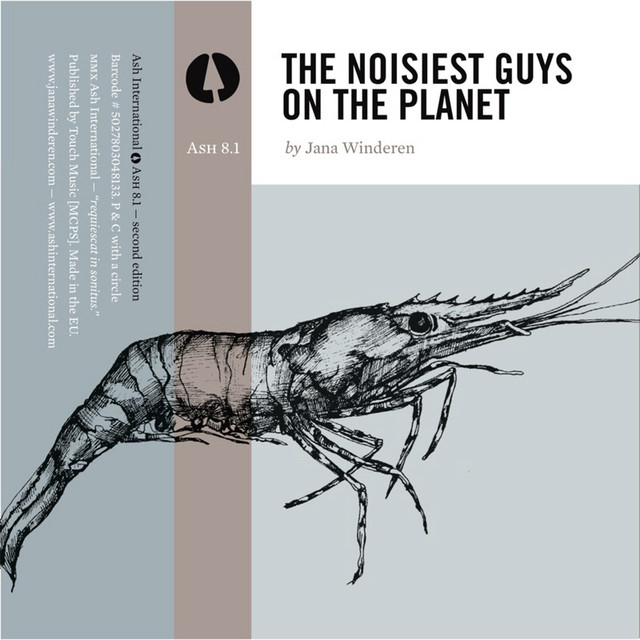
The Noisiest Guys on the Planet
Jana Winderen
Animal Sounds
Field Recording
2009
1
/5
Submerged
Jana Winderen
Field Recording
The Wanderer
Jana Winderen
Field Recording
Spring Bloom in the Marginal Ice Zone
Jana Winderen
Field Recording
The Wanderer
Jana Winderen
Nature Recordings
Spring Bloom in the Marginal Ice Zone
Jana Winderen
Nature Recordings
The Wanderer
Jana Winderen
Reductionism
Evaporation
Jana Winderen
Lowercase
The Listener
Jana Winderen
Lowercase
The Wanderer
Jana Winderen
Lowercase
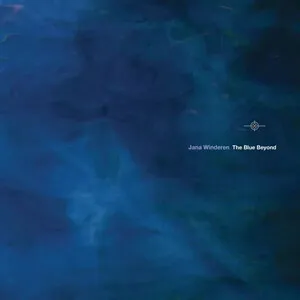
The Blue Beyond
Jana Winderen
Sound Art
The Listener
Jana Winderen
Insect Sounds
Pasvikdalen
Jana Winderen
Audio Documentary
The Listener
Jana Winderen
Animal Sounds
The Wanderer
Jana Winderen
Animal Sounds
Similar artists
2
/5
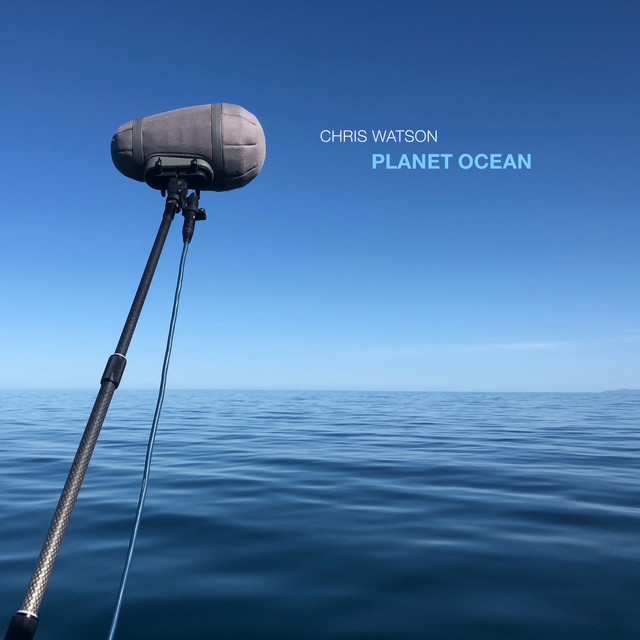
Chris Watson
Field Recording
Lowercase
Ambient
1
/5
Various Artists
Afro-Funk
Alternative Rock
Ambient
3
/5
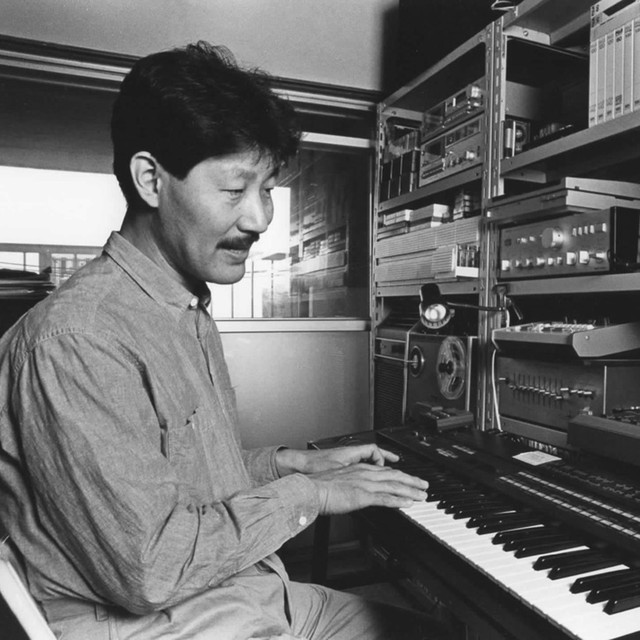
Hiroshi Yoshimura
Ambient
Fourth World
Drone
2
/5
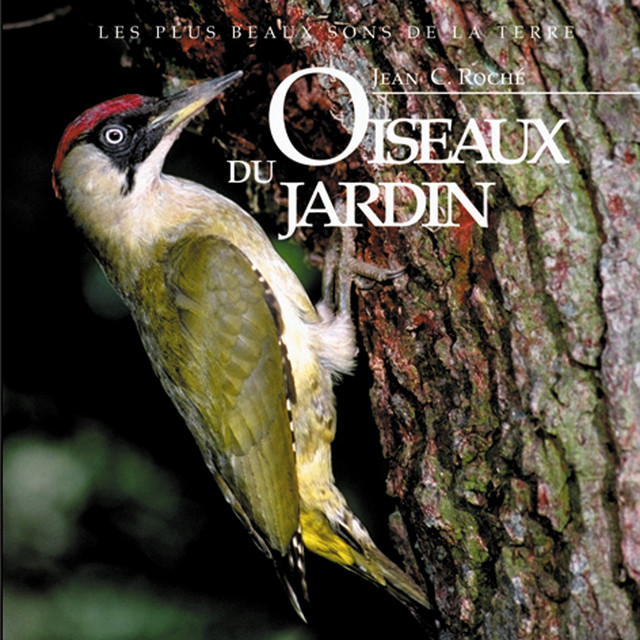
Jean C. Roché
Birdsong
Non-Music
Animal Sounds
1
/5
小久保 隆
Ambient
Field Recording
Nature Recordings
1
/5
Tribes Of Neurot
Ambient
Experimental
Dark Ambient
1
/5
Ron Nagorcka
Animal Sounds
Bird Sounds
Minimalism
4
/5
Nature Sounds
Pet Calming
Sleep
Animal Sounds
1
/5
Ernest Hood
Field Recording
Ambient
Electronic
1
/5
Kajsa Lindgren
Field Recording
Ambient
Classical
Download our mobile app
Get the Melodigging app and start digging for new genres on the go
Download on the App Store
Get it on Google Play
© 2026 Melodigging
Give feedback
Legal
Melodding was created as a tribute to
Every Noise at Once
, which inspired us to help curious minds keep digging into music's ever-evolving genres.