

Your digging level
Description
Bird sounds is a non-music audio genre centered on the recording and presentation of avian vocalizations—songs, calls, alarm notes, wing sounds, and choruses—captured in natural habitats. Releases typically feature unprocessed or minimally edited field recordings that highlight species identification, behavior, and ecological context.
While often issued as documentary or educational material for ornithologists and birders, bird-sound albums have also been widely used for relaxation, meditation, film and game sound design, and as source material in electroacoustic and ambient composition. Projects range from single-species studies to immersive “dawn chorus” soundscapes and region-focused guides.
History
The genre traces back to the earliest wildlife recordings. In 1889, German recordist Ludwig Koch made one of the first-known sound documents of a bird on wax cylinder, establishing bird sounds as a recordable subject. In the late 1920s and 1930s, Arthur A. Allen and Peter Paul Kellogg at Cornell University began systematic outdoor recording of North American birds, pioneering field techniques and releasing educational discs that helped standardize the genre.
Postwar advances in portable recording equipment enabled clearer, longer takes. LPs presenting species-by-species “audio field guides” proliferated; European and North American labels issued series organized by habitat or region. These recordings served dual roles—scientific reference and public nature education—cementing bird sounds as a specialized catalog category.
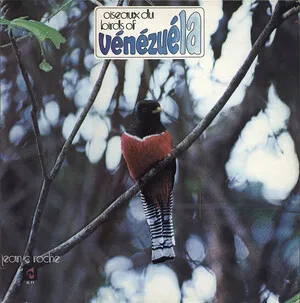
Improved microphones (parabolic and shotgun) and quieter tape recorders expanded the repertoire to include delicate high-frequency songs and complex choruses. Recordists such as Jean C. Roché and Dan Gibson produced widely distributed albums that also reached relaxation and new age audiences. Libraries like Cornell’s Macaulay Library professionalized cataloging, metadata, and conservation of masters.
The transition to digital recorders and high-sampling-rate workflows brought greater fidelity and reduced equipment noise. Community-driven archives (e.g., global upload platforms) accelerated species coverage and geographic breadth. Today, bird sounds intersect with bioacoustics research, conservation monitoring, and creative practices in ambient, acousmatic, and sound art—while remaining a core documentary genre for natural history.
Treat the work as documentary phonography: the goal is to capture authentic bird vocalizations with minimal intrusion. Plan by species, season, and behavior (e.g., territory singing, dawn chorus, lekking) and research call types in advance.

%2C%20Cover%20art.webp)



