Genres
Artists
Albums
Make Music
Sign in
Sign in
Artists
Soundtrack
Artists
Soundtrack
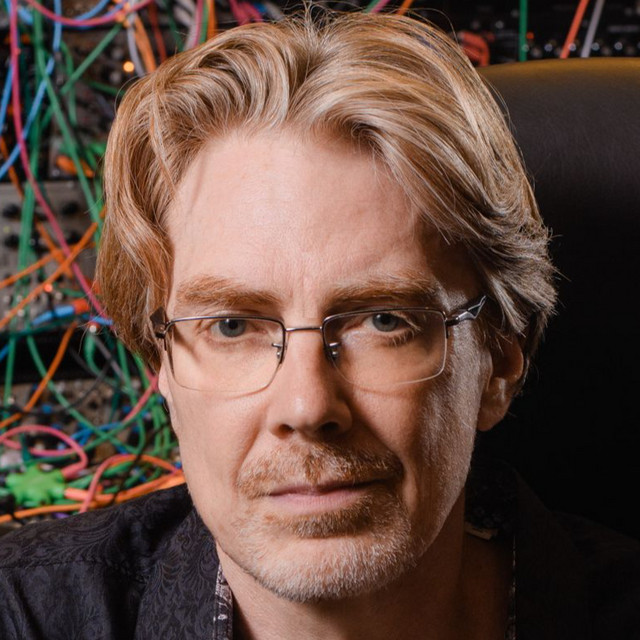
Inon Zur
2015
·
1 album
Listen
3
/5
Genres
Bardcore
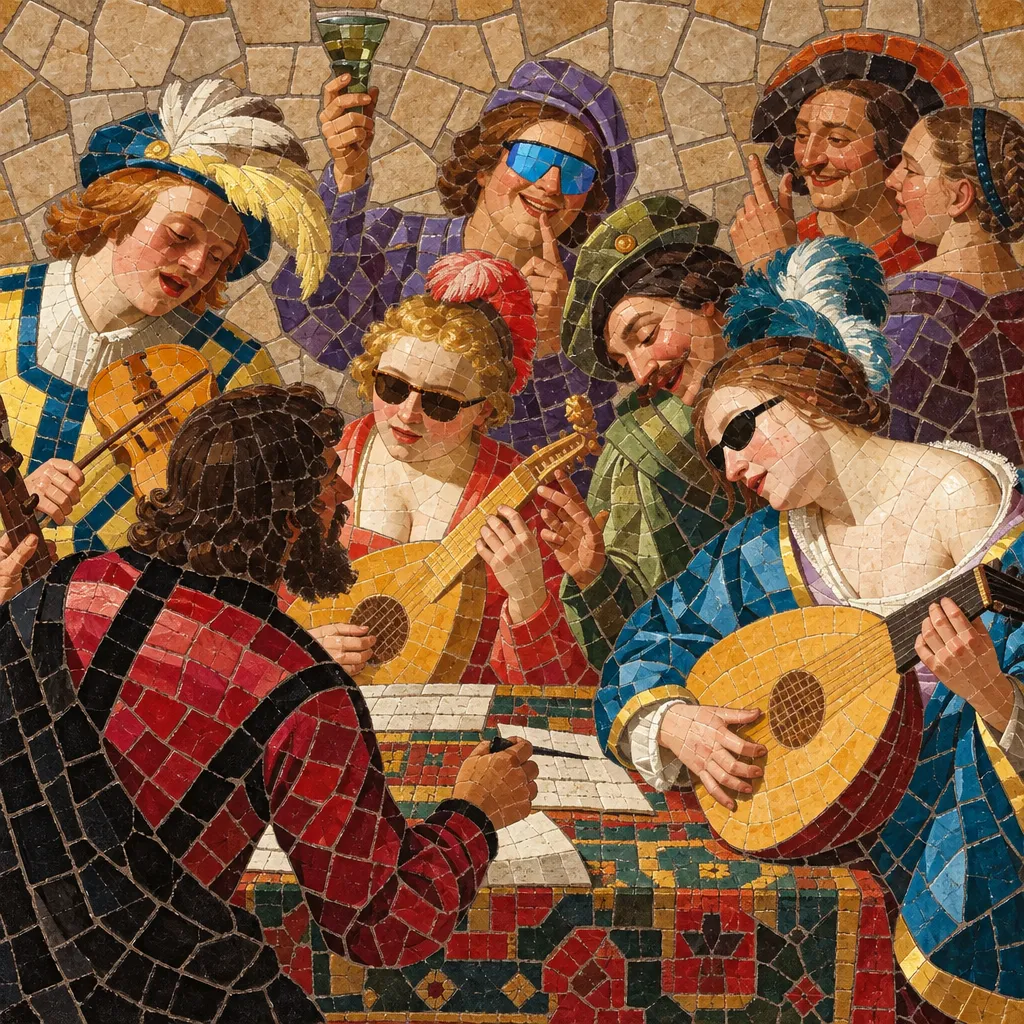
Bardcore is an internet-born microgenre in which contemporary pop, hip hop, and rock songs are reimagined as if performed by medieval or early Renaissance minstrels. Arrangements typically substitute modern instrumentation with lutes, harps, recorders, hurdy-gurdies, rebecs, shawms, hand drums, and choir-like vocals, while adapting melodies and harmonies to modal idioms (Dorian, Aeolian, Mixolydian). Lyrics are often translated into faux Middle English or archaic diction, and mixes are treated with intimate, stone-room reverbs to evoke a historical ambience. The result is a playful blend of historical pastiche and modern earworms that embraces both meme culture and early-music aesthetics.
Discover
Listen
Lo-Fi Vgm
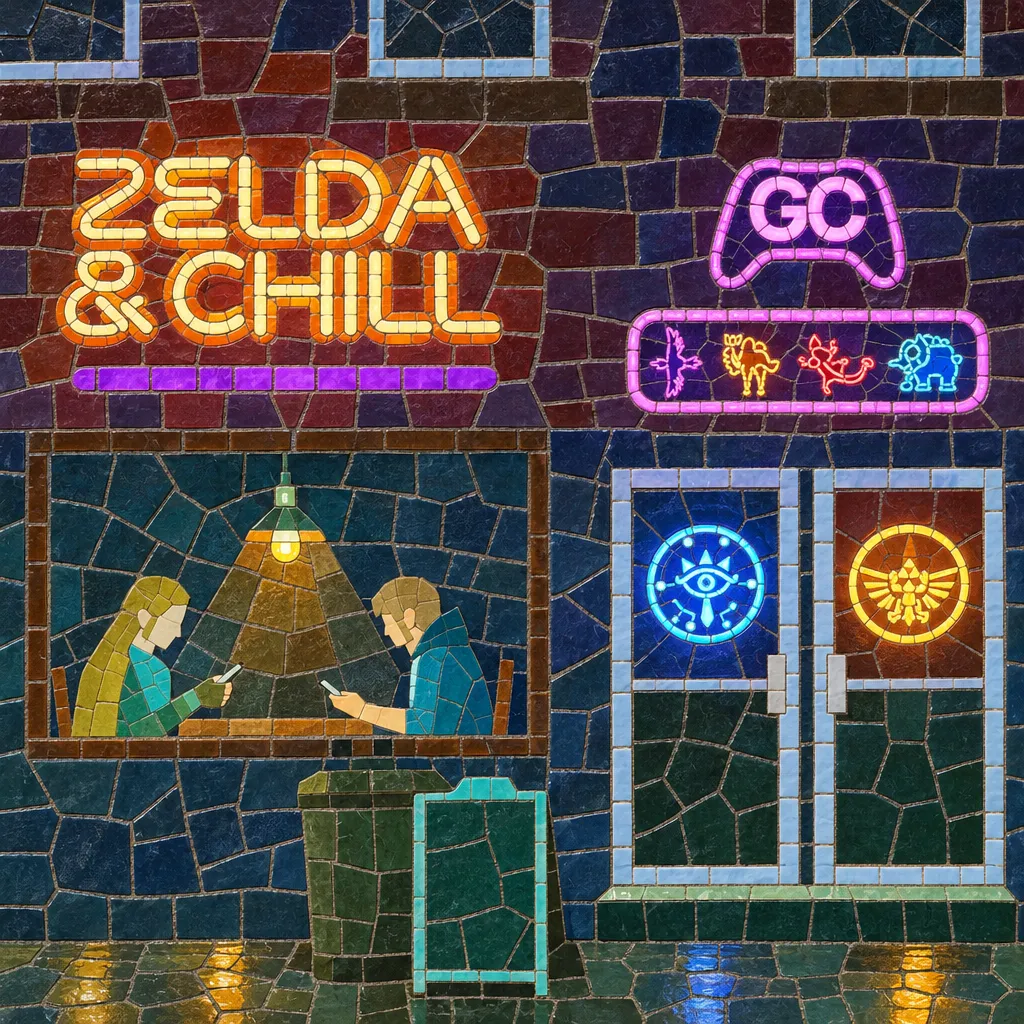
Lo‑fi VGM (lo‑fi video game music) is a crossover style that blends the relaxed, tape‑warmed aesthetics of lo‑fi hip hop with melodies and atmospheres from classic and contemporary video game scores. Producers typically re‑harmonize or gently reharmonize well‑known themes, slow the tempos into the 60–90 BPM range, add vinyl crackle, tape hiss, dusty drums, soft keys/guitar, and cozy ambience, and retain the nostalgic contours of the original cues. The result is music suited for studying, streaming, or unwinding, while evoking game‑world nostalgia. Netlabels and collectives—most visibly GameChops and Curaga Records—helped codify the sound with licensed, album‑length reinterpretations of major franchises.
Discover
Listen
The Wave
The Wave is a loosely defined cluster of American post-hardcore/emo bands that surged in the early 2010s as emo-pop’s mainstream moment faded. The name was a tongue‑in‑cheek scene tag that stuck in press coverage, but it points to a real overlap in sound, ethos, and touring networks. Musically, The Wave fuses the urgency of 1990s post‑hardcore and screamo with confessional, literate lyric writing associated with emo. Expect shouted or half‑sung/half‑spoken vocals, dynamic quiet‑loud builds, intricate but driving drums, and guitar textures that shift between glassy clean arpeggios and overdriven, emotive climaxes. The songs often emphasize catharsis, narrative detail, and community-minded DIY presentation.
Discover
Listen
Flint Sound
Flint sound is a contemporary Michigan rap style centered in Flint, United States. It is characterized by fast, minimal, piano- or organ-led beats, dry and upfront vocals, and bar-by-bar “punch‑in” delivery that often rides slightly ahead of or behind the grid for a conversational, off‑kilter feel. The production typically favors bright piano loops, staccato 808 slides, crisp claps or rimshots, and sparse percussion, leaving plenty of space for relentless punchlines, gritty street reportage, and mischievous humor. While hard-edged and streetwise, the style frequently leans into charismatic personality and wit, making it both aggressive and infectious for dancing.
Discover
Listen
Game Mood
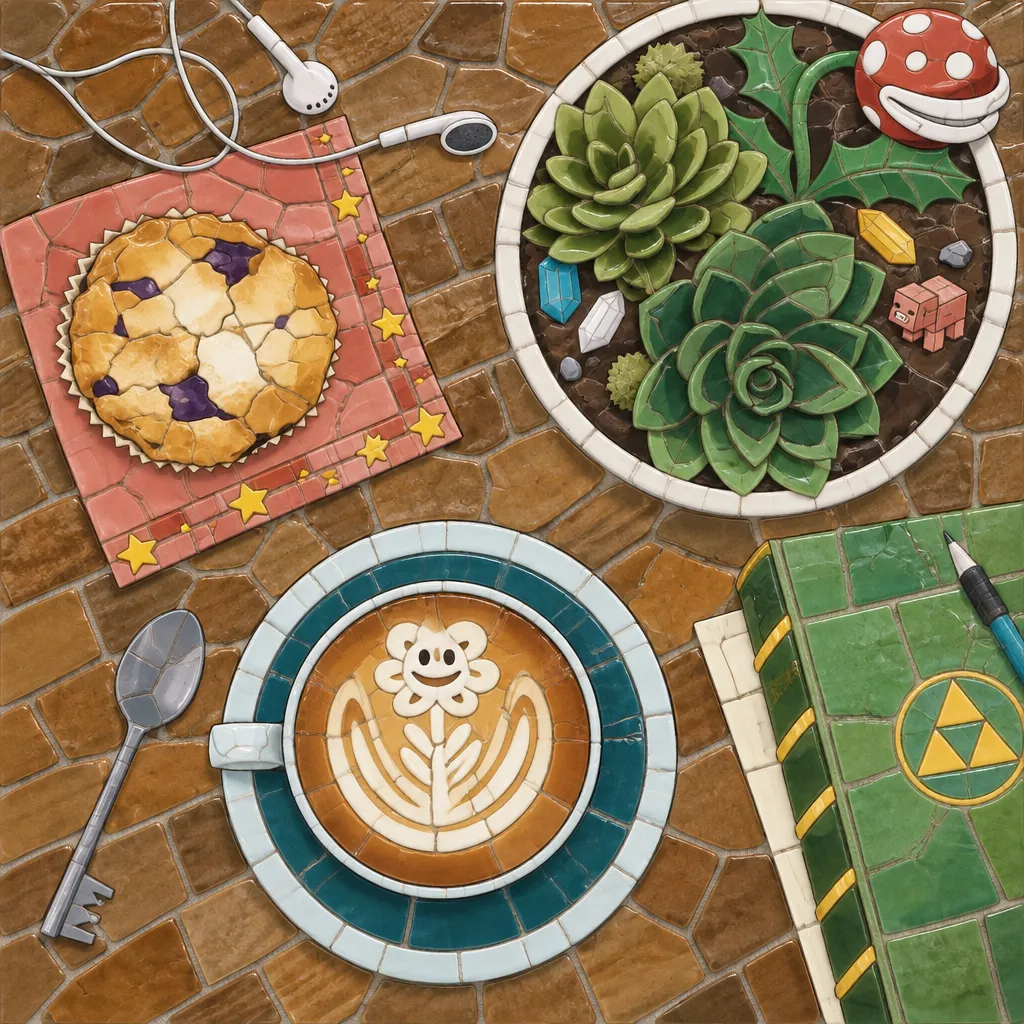
Game mood is a contemporary, internet-native style that blends chill, loop-friendly electronic production with the melodic signifiers of video game music. It is crafted to sit comfortably behind gameplay, streaming, studying, or casual listening. The palette typically includes soft synth pads, gentle sidechained chords, arpeggiated leads, and light, clicky drum programming. Subtle chiptune timbres, sparkling bell or mallet tones, retro console textures, and synthwave-adjacent pads are common, while arrangements avoid intrusive vocals and sharp transients so the music remains non-distracting. Tempos are usually mid-slow (often 70–100 BPM or 120–140 BPM in half-time), harmonies are diatonic and consonant, and tracks are structured in seamless loops or gradual layer builds. The overall feel is soothing, nostalgic, and lightly propulsive—ideal for maintaining focus while preserving a sense of playful immersion.
Discover
Listen
Video Game Music
Video game music (VGM) is the soundtrack or background music composed specifically to accompany and enhance interactive gameplay. In its earliest decades, VGM was bound by severe hardware constraints: simple programmable sound generators (PSG) and later FM-synthesis chips limited composers to a handful of monophonic channels, basic waveforms, and tiny memory footprints. Those constraints forged a distinctive, catchy, loop-based idiom—often called “chip music” or “8‑bit”—that became the emblematic sound of early games. As technology advanced, VGM expanded into rich orchestral, rock, electronic, and hybrid palettes and adopted adaptive/interactive scoring techniques so the music could change with the player’s actions. Today it spans everything from intimate, textural ambience to full symphonic epics, while still celebrating its retro chip heritage.
Discover
Listen
Orchestral Soundtrack
Orchestral soundtrack refers to film (and later television and game) scores written primarily for symphony orchestra, drawing on the language of Romantic and post-Romantic concert music while serving narrative and dramatic functions. The style emphasizes leitmotifs, rich orchestration, and a wide dynamic range to underscore character, mood, and on‑screen action. It balances thematic memorability with precise synchronization to picture, and often blends late‑Romantic harmony with Impressionist color, occasional modernist techniques, and, in contemporary practice, subtle electronic augmentation.
Discover
Listen
Soundtrack
Soundtrack is music created to accompany and enhance visual media such as film, television, and video games. It includes original scores (instrumental or vocal music composed specifically for the picture) and, at times, curated compilations of pre-existing songs. Stylistically, soundtrack is a meta-genre that can encompass orchestral symphonic writing, jazz, electronic and synth-driven textures, choral forces, popular song, and experimental sound design. Its defining trait is functional storytelling: themes, motifs, harmony, rhythm, and timbre are shaped by narrative needs, character psychology, pacing, and editing. Common features include leitmotifs for characters or ideas, modular cues that can be edited to picture, dynamic orchestration for dramatic range, and production approaches that sit well under dialogue and sound effects. Because it must synchronize to picture, soundtrack often uses clear dramatic arcs, tempo maps, and hit points.
Discover
Listen
Score
Score refers to original music composed to synchronize with and shape the narrative of visual media—primarily film, television, and, later, video games. Unlike a “soundtrack,” which often compiles pre-existing songs, a score is written to picture, uses timing cues to support storytelling beat by beat, and develops recurring themes (leitmotifs) for characters, settings, or ideas. The palette ranges from late‑Romantic orchestration and modernist harmony to jazz idioms, electronic sound design, and global instrumentation. Hallmarks include thematic development, hit points, motif variation, orchestration color, and a close relationship with sound effects and dialogue in the final mix.
Discover
Listen
Show all 9 genres
Albums
2015
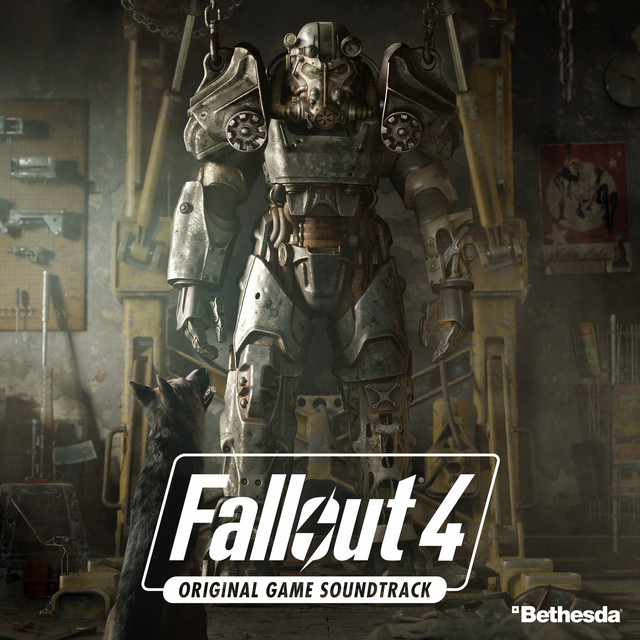
Fallout 4: Original Game Soundtrack
Inon Zur
Orchestral Soundtrack
Similar artists
5
/5
Hans Zimmer
Score
Soundtrack
Classical
4
/5
Jeremy Soule
Medieval
Soundtrack
Orchestral Soundtrack
3
/5
Jesper Kyd
Nordic Soundtrack
Soundtrack
Video Game Music
4
/5
John Williams
Soundtrack
Classical
Orchestral
4
/5
Ludwig Göransson
Nordic Soundtrack
Classical
Soundtrack
4
/5
Ramin Djawadi
Soundtrack
Classical
Ethereal Wave
4
/5
Michael Giacchino
Soundtrack
Colombian Pop
Dance-Pop
4
/5
James Newton Howard
Classical
Soundtrack
Chinese Classical Performance
4
/5
James Horner
Soundtrack
Classical
Boogie-Woogie
4
/5
Alexandre Desplat
Score
Soundtrack
Chinese Classical Performance
Download our mobile app
Get the Melodigging app and start digging for new genres on the go
Download on the App Store
Get it on Google Play
© 2026 Melodigging
Give feedback
Legal
Melodding was created as a tribute to
Every Noise at Once
, which inspired us to help curious minds keep digging into music's ever-evolving genres.