Genres
Artists
Albums
Make Music
Sign in
Sign in
Artists
J-Pop
Artists
J-Pop
imase
2022
·
1 album
Listen
4
/5
Genres
Asian Rock
Asian Rock (in the contemporary online-rap sense) is a pluggnb-derived microstyle that fuses the dense, bouncy percussion of pluggnb with bright, anime/Asian-rock-tinged melodic cues. Production typically layers airy bells, mallet or synth plucks, and shimmering pads with soaring synthetic guitar leads that nod to Japanese rock and anime-score aesthetics. Vocals lean melodic—half-sung, half-rapped—with light autotune and emotive hooks, riding swung hi-hats, skipping rimshots, and rubbery 808 slides. Rather than a geographic tag, this style labels a sonic palette: internet-native trap built on pluggnb drums and glossy, nostalgic melodies that evoke anime openings and J-rock guitar heroics.
Discover
Listen
Experimental Indie
Experimental indie is a broad, exploratory wing of independent rock and pop that prioritizes curiosity over convention. It blends DIY recording practices with off‑kilter song forms, unusual timbres, and a willingness to fold in ideas from avant‑pop, noise, electronic music, and psych. Rather than a fixed sound, it is a method and attitude: use the tools at hand (bedroom rigs, pedals, samplers, tape, software) to push past genre borders, while keeping the immediacy and intimacy of indie. Expect jagged rhythms, warped hooks, collage‑like arrangements, and production choices that foreground texture as much as melody.
Discover
Listen
Men Chika
Men chika (メン地下) is the Japanese underground male idol scene, made up of boy groups who perform high-energy J‑pop and dance-pop in small live houses, theaters, and idol events rather than on major mainstream stages. Musically it blends glossy J‑pop songwriting with club-ready EDM/electropop production, punchy hooks built for call-and-response, and chant breaks designed for wotagei/fan MIX participation. Songs commonly feature bright synths, four-on-the-floor or trap-inflected grooves, stacked gang shouts, and key‑change finales. Lyrically the focus is on youth, dreams, devotion, and intimacy with fans—reinforced by close-contact fan practices like cheki (instax photos) and meet-and-greets. Culturally, men chika parallels the long-running “chika idol” (underground idol) movement on the women’s side, but orients to a largely female fanbase and a circuit centered on Tokyo live houses and regional circuits. It is as much a participatory fan culture as it is a sound, shaping how songs are arranged, staged, and monetized.
Discover
Listen
Neo-City Pop
Neo-city pop is a 2010s revival-and-update of Japanese city pop, keeping the glossy, urban “night drive” feel while integrating modern production and contemporary black-music influences. It blends Western-influenced Japanese pop songwriting aesthetics from the 1970s–1980s (bright major/minor shifts, sophisticated chord movement, polished hooks) with newer sounds such as neo soul and acid jazz (warmer harmonies, pocket-focused grooves, and jazz-informed keyboards). Typical tracks feel sleek and contemporary but intentionally nostalgic, often using retro synth colors, disco/funk rhythm guitar, and clean, high-fidelity mixes that reference the original era without fully imitating it.
Discover
Listen
Workout Product
Workout product is a functional, production-oriented music micro-genre built for high-energy exercise contexts—HIIT, cardio, strength circuits, spin, and bootcamps. Rather than being artist-led, it is library- and catalog-driven: concise, loop-friendly tracks emphasize a steady, powerful four-on-the-floor pulse, simple hyping hooks, and drop-focused structures that sustain intensity. Typical tempos fall in the 120–150 BPM range (often synced to rep cadence or interval timers), with bright, compressed sonics, sidechained bass, and clear transitional cues for work/rest blocks. It draws from mainstream EDM and dance-pop (big-room builds, future-bass lift, electro-house grit) and modern pop/rap percussion. The result is highly motivational, durable background music that helps pace workouts and energize group classes, digital fitness content, and gym environments.
Discover
Listen
J-Pixie
J‑pixie is a sparkle‑bright corner of contemporary Japanese pop/rock that blends anison (anime song) bombast with idol polish and indie‑rock drive. The “pixie” label hints at the sound’s effervescent, twinkling timbres: high, agile female vocals; glittering synth arpeggios; and punchy guitars that sprint toward cathartic, sky‑punching choruses. Arrangements tend to be compact and cinematic—verse/pre‑chorus/chorus structures with dramatic lifts, halftime-to-double‑time switches, precision drum fills, and frequent late‑song key changes. The overall aesthetic is optimistic and youthful, with lyrics about resolve, friendship, and wonder, often peppered with catchy English hooks. It sits between mainstream J‑Pop, anison, seiyū (voice‑actor) pop, and female‑fronted alt‑rock, making it both playlist‑friendly and tailor‑made for anime tie‑ins and live band settings.
Discover
Listen
Modern Indie Pop
Modern indie pop is a 2010s-forward style of pop made largely outside the traditional major-label pop pipeline, but with a strong focus on hooks, concise song forms, and modern production. It typically blends indie-rock songwriting attitudes (personal lyrics, DIY aesthetics, alternative scenes) with contemporary pop sonics such as punchy drums, bright or glassy synths, tight vocal editing, and streaming-era arrangement pacing. Compared with earlier indie pop, “modern” indie pop is usually more producer-led, more influenced by electronic and R&B-informed pop textures, and often designed to translate well to playlists and short-form content without losing an alternative identity.
Discover
Listen
Kawaii Edm
Kawaii EDM is a Japanese-born microgenre of electronic dance music that blends bright, "cute" pop aesthetics with modern club production. It emphasizes sparkling timbres, buoyant melodies, and animated sound design (glissando "chirps," toy-like mallets, chip-bleeps, and airy vocal chops) while keeping EDM’s sidechained punch and dance-floor momentum. Stylistically, it sits at the intersection of J‑pop songwriting and future-bass/EDM frameworks: major or Lydian-leaning harmonies, jazzy 7ths/9ths, catchy hooks, and half‑time drops with supersaw stacks or bell/pluck arpeggios. Visually and culturally, it is inseparable from anime, doujin/otaku culture, and internet netlabel communities, pairing sugar‑rush optimism with a polished, hyper-detailed mix.
Discover
Listen
Otacore
Otacore is a fan-driven, internet-native umbrella for music centered on anime, manga, gaming, and broader otaku culture. Rather than a single strict musical style, it describes a cluster of scenes where pop, electronic, rock, and rap intersect with anime aesthetics, story tropes, and character/fandom references. Typical otacore repertoires include Vocaloid productions, anisong-style pop/rock, high-energy EDM with kawaii sound design, nightcore-style edits, game-inspired chiptune flourishes, and cover cultures (English/Japanese) tied to anime and game franchises. Distribution and discovery are powered by platforms such as Nico Nico Douga, YouTube, SoundCloud, streaming playlists, and later TikTok, where memeability, fan videos (AMVs), and vtuber performances help songs spread globally.
Discover
Listen
Glitch Hop Edm
Glitch hop EDM is a bass-heavy, midtempo offshoot of glitch and hip-hop that adopts the large-scale sound design, drops, and festival-ready structures of contemporary EDM. It typically runs around 90–115 BPM with a swung or syncopated hip-hop groove, while employing stutter edits, tape stops, bitcrushing, buffer repeats, granular chops, and intricate automation to create the characteristic "glitched" feel. Tracks often feature thick, modulated basslines; punchy, off-kilter drums; chopped vocals and foley; and harmonies that borrow from jazz, funk, and soul, all arranged in EDM-style buildups and drops.
Discover
Listen
Lo-Fi Emo
Lo-fi emo is a DIY offshoot of the emo tradition that blends emotionally direct songwriting with the intimate aesthetics of home recording. It favors tape- or laptop-recorded sounds, audible room noise and hiss, simple guitar figures, and hushed, conversational vocals. Musically it often draws on twinkly Midwest-emo guitar voicings or sparse acoustic strums, minimal drum programming or lightly mic’d kits, and gentle reverb or chorus for a soft, dreamy patina. Lyrics are introspective and confessional—journals set to music—highlighting vulnerability, loneliness, nostalgia, and fleeting moments of connection. The genre flourished on Bandcamp, Tumblr, and SoundCloud, where micro-labels and peer-to-peer communities enabled rapid sharing of demos, splits, and cassette runs. Its low barrier to entry and personal tone made it a recognizable aesthetic across the 2010s and into the streaming era.
Discover
Listen
Ritmada
Ritmada is a contemporary Brazilian dance-music style built around short, repetitive, resonant rhythmic loops. It favors immersive, highly danceable grooves that draw on Afro‑Brazilian percussion and timbres, but presents them with a cleaner, more radio-friendly production aesthetic. Compared to rougher street-oriented bass styles, ritmada typically places greater emphasis on sung or rapped lyrics and hook structure, while keeping the beat hypnotic and driving.
Discover
Listen
Yakousei
Yakousei is an eclectic, internet-native strain of J‑Pop that coalesced in the late 2010s. It blends Vocaloid-informed songwriting with indie pop sensibilities, bright electropop textures, and danceable, club‑ready grooves. Lyrically, the style leans inward: songs often explore sleepless nights, urban solitude, and coming‑of‑age anxieties, pairing intimate narratives with big, melodic hooks. Production favors glossy synths, clean guitars, and tightly programmed drums, while vocals—human or software‑assisted—trace agile, hook‑dense lines that feel both nostalgic and contemporary.
Discover
Listen
J-Pop
J-pop (Japanese pop) is a broad umbrella for mainstream Japanese popular music that blends Western pop/rock, dance, and R&B with distinctly Japanese songwriting, vocal delivery, and industry practices. It is characterized by strong hooks, polished production, bright synths and guitars, frequent key changes and modulatory bridges, and chorus-first or chorus-centric structures. J-pop spans idol groups, singer-songwriters, band-oriented pop-rock, electronic dance-pop, and R&B ballads, while remaining closely tied to television, advertising, video games, and anime tie-ins (anisong).
Discover
Listen
Japanese Teen Pop
Japanese teen pop is a branch of J-pop aimed primarily at adolescent audiences, blending the bright melodicism of kayōkyoku with modern dance-pop production and tightly choreographed, media-friendly performances. It emphasizes singable hooks, polished group vocals, and upbeat arrangements in major keys, often with key-change finales, call-and-response chants, and short English catchphrases. Lyrics center on school life, friendship, first love, dreams, and perseverance, presented through wholesome, aspirational idol personas. As a multimedia phenomenon, Japanese teen pop is inseparable from television variety shows, commercials, anime tie-ins, and an intense fan culture. Girl and boy groups dominate, but iconic solo teen idols have also shaped the genre’s sound and image.
Discover
Listen
Singer-Songwriter
Singer-songwriter is a song-focused style in which the same person writes, composes, and performs their own material, often accompanying themselves on acoustic guitar or piano. It emphasizes personal voice, lyrical intimacy, and storytelling over elaborate production. Arrangements are typically sparse, allowing the melody, words, and performance nuance to carry the song’s emotional weight. While rooted in folk and blues traditions, singer-songwriter embraces pop and rock songcraft, producing works that can range from quiet confessional ballads to subtly orchestrated, radio-ready pieces.
Discover
Listen
Pop
Pop is a broad, hook-driven style of popular music designed for wide appeal. It emphasizes memorable melodies, concise song structures, polished vocals, and production intended for radio, charts, and mass media. While pop continually absorbs elements from other styles, its core remains singable choruses, accessible harmonies, and rhythmic clarity. Typical forms include verse–pre-chorus–chorus, frequent use of bridges and middle-eights, and ear-catching intros and outros. Pop is not defined by a single instrumentation. It flexibly incorporates acoustic and electric instruments, drum machines, synthesizers, and increasingly digital production techniques, always in service of the song and the hook.
Discover
Listen
Show all 17 genres
Albums
2022
4
/5
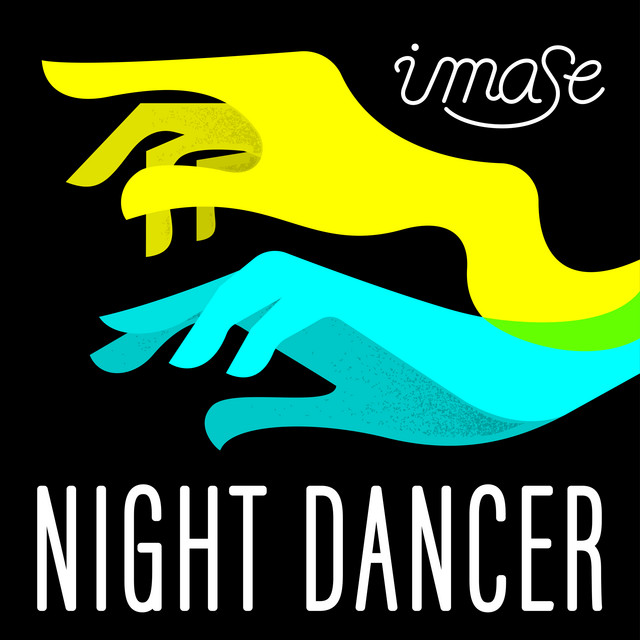
NIGHT DANCER
imase
J-Pop
Similar artists
4
/5
Ado
Vocaloid
J-Pop
J-Rock
4
/5
Kenshi Yonezu
J-Pop
J-Rock
Anime
4
/5
YOASOBI
Anime
J-Pop
Experimental Indie
4
/5
OFFICIAL HIGE DANDISM
J-Rock
Anime
J-Pop
4
/5
King Gnu
J-Rock
Anime
J-Pop
4
/5
natori
Anime
J-Pop
Men Chika
4
/5
Sheena Ringo
J-Pop
Art Pop
Rock
4
/5
yama
Anime
Experimental Indie
Isekai
3
/5
VK Blanka
J-Rock
Anime
Experimental Indie
4
/5
sakanaction
Japanese Indie
Alternative Dance
Experimental Indie
Download our mobile app
Get the Melodigging app and start digging for new genres on the go
Download on the App Store
Get it on Google Play
© 2026 Melodigging
Give feedback
Legal
Melodding was created as a tribute to
Every Noise at Once
, which inspired us to help curious minds keep digging into music's ever-evolving genres.