Genres
Artists
Albums
Make Music
Sign in
Sign in
Artists
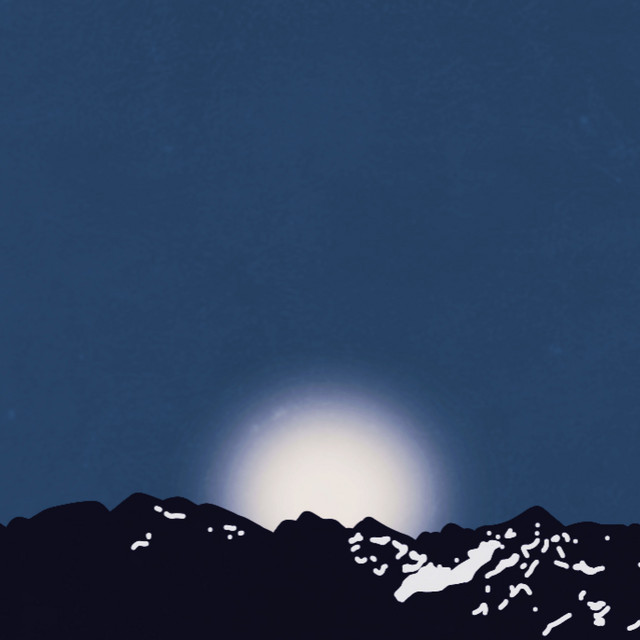
Liminal Space
Artists
Liminal Space
Imagine Drowning
2020
·
1 album
Listen
2
/5
Genres
Barber Beats
Barber beats is a vaporwave-adjacent microgenre characterized by slowed, loop-based instrumentals built from lounge, smooth jazz, and easy-listening samples. Producers emphasize a soft, cushiony drum groove, heavy time-stretching, subtle pitch shifting, and warm, dusty textures that evoke waiting rooms, lobbies, and late‑night cable atmospheres. Typical tracks sit around 85–105 BPM, lean on mellow chords, brushed snares or gentle drum-machine kits, and favor tasteful filtering, vinyl crackle, and roomy reverb. The result is hypnotic, low-stakes background music that feels both nostalgic and liminal—less overtly ironic than classic vaporwave, yet still rooted in sample-based moodcraft and retro corporate aesthetics.
Discover
Listen
Liminal Space
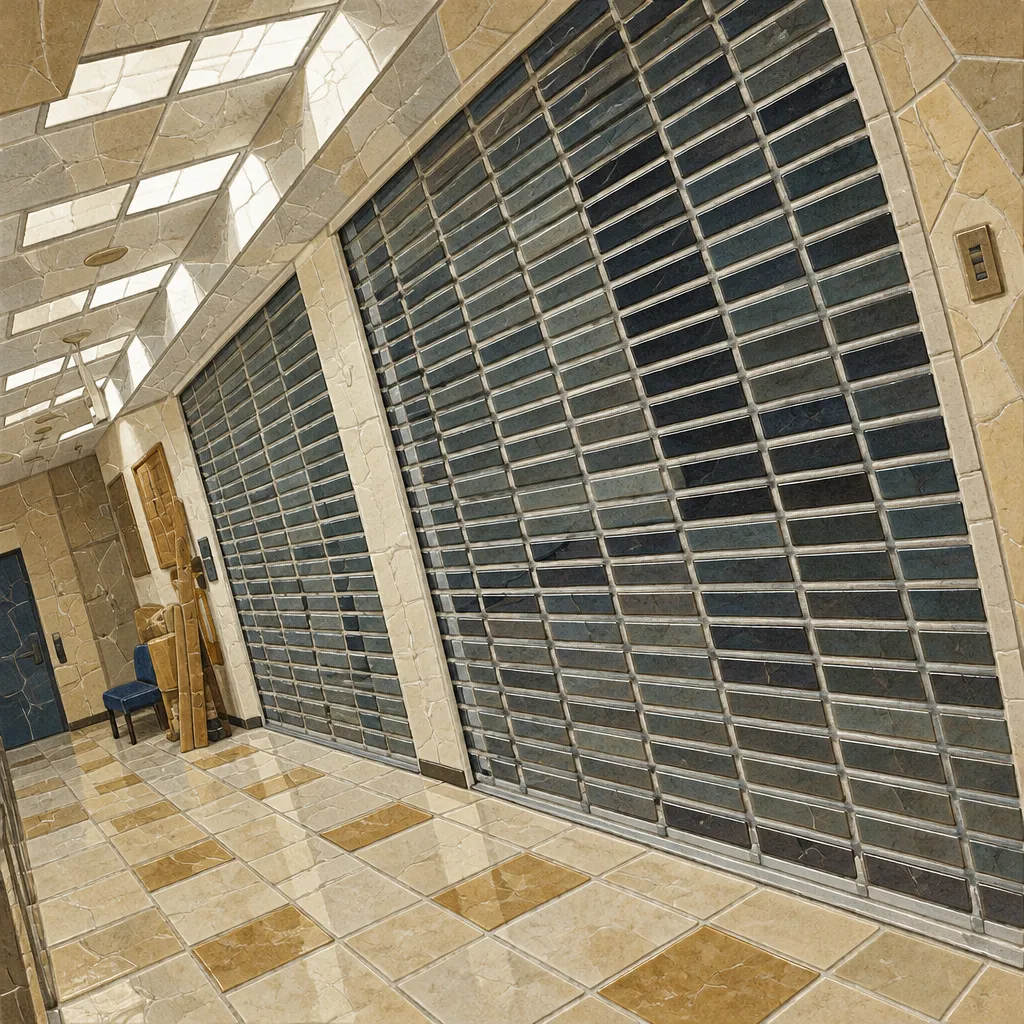
Liminal space is an internet-borne microgenre/aesthetic of ambient and vaporwave-adjacent music that aims to evoke the uncanny feeling of being in empty transitional places—deserted school corridors, unlit parking structures, late-night office lobbies, or closed shopping malls. Sonically, it blends hushed drones, diffuse synth pads, tape hiss, and faraway environmental noises with fragments of public-address announcements or detuned muzak. The harmonic language is static, unresolved, and memory-like, with slow fades, extreme reverberation, and time-stretching that flatten the sense of motion. The result is a dreamlike, nostalgic, and often eerie atmosphere that feels suspended between past and present, presence and absence.
Discover
Listen
New Isolationism
New isolationism is a contemporary strain of isolationist ambient and post-industrial minimalism that emerged in the 2010s, particularly around Scandinavian experimental labels and studios. It foregrounds intimate, close-mic’d sound, negative space, and a quiet-but-present noise floor; its pieces feel both internal and architectural, like rooms built from reverb tails, tape hiss, and soft electronics. Sonically, the style blends glacial drones, fragile chamber timbres (strings, organ, piano), lo‑fi electronics, and field recordings into stark, slow-evolving tableaux. Melodic information is sparse—often only a few tones or gestures—while rhythm is either absent or reduced to distant pulses, heartbeats, or mechanical cycles. Vocals, when they appear, are murmured, diaristic, or abstracted by pitch and time manipulation. Aesthetically, new isolationism is post‑internet and diaristic: it captures solitude, memory, and dislocation with a palette that feels personal yet estranged, drawing as much from contemporary gallery sound practice as from classic dark ambient.
Discover
Listen
Broken Transmission
Broken transmission is a vaporwave-adjacent microgenre built from fragmented, channel-surfing collages of analog broadcast ephemera. Producers splice together tiny shards of TV idents, news stingers, commercials, interstitial music, and dead air, emphasizing tape hiss, static, dropouts, and tuning noise as musical material. Often beatless or only loosely pulsed, tracks unfold like late-night flipping through channels: abrupt cuts, fleeting jingles, station sign‑offs, and half-heard voiceovers that dissolve into snow. The result is a liminal, hauntological mood—nostalgia filtered through the mechanical errors and material decay of VHS, cable boxes, and broadcast tape. Where classic vaporwave slows and loops pop smoothness, broken transmission foregrounds the texture of the medium itself. It treats errors, transitions, and broadcast artifacts as hooks, creating an uncanny documentary of mediated memory.
Discover
Listen
Analog Horror
Analog horror is an internet-born horror style that foregrounds the texture and limits of obsolete media. It is characterized by lo‑fi, band‑limited sound, tape hiss, wow and flutter, and the sonic vocabulary of public‑access TV, VHS cassettes, emergency broadcast signals, and numbers stations. In narrative terms, it tends toward cryptic, surreal plots presented as faux archival broadcasts, training films, or interrupted transmissions. Musically, the idiom leans on drones, minimal motifs, degraded samples, and detuned analog synths, using period‑authentic processing to evoke dread, nostalgia, and the uncanny.
Discover
Listen
Dark Ambient
Dark ambient is a post‑industrial subgenre that coalesced in the mid‑1980s, drawing primarily on ambient music but shifting its focus toward ominous, subterranean space and timbre. It is characterized by long, low‑frequency drones; dissonant or microtonal overtones; and an enveloping, gloomy or catacomb‑like atmosphere. While largely electronic (synthesizers, samplers, tape and digital processing), artists frequently incorporate field recordings, contact‑mic textures, bowed metal, gongs, and fragments of traditional instruments captured with semi‑acoustic techniques and then heavily processed. Melody and pulse are minimized; instead the music emphasizes immersive sound design, psychoacoustic detail, and slowly evolving textures that evoke dread, awe, and isolation.
Discover
Listen
Ambient
Ambient is a form of electronic and electroacoustic music that prioritizes tone, atmosphere, and texture over conventional song structures and rhythmic drive. It typically features slow-moving harmonies, sustained drones, gentle timbral shifts, and extensive use of space and silence. Rather than drawing attention to itself through hooks or beats, ambient is designed to be as ignorable as it is interesting, rewarding both background listening and focused immersion. Artists often employ synthesizers, samplers, tape loops, field recordings, and subtle acoustic instruments, with reverb and delay creating a sense of place. Substyles range from luminous, consonant soundscapes to darker, more dissonant atmospheres.
Discover
Listen
Drone
Drone is a minimalist music genre defined by sustained tones, long durations, and extremely gradual change. Harmony is often static or centered on a single fundamental with subtle overtone shifts, while rhythm tends toward stasis or very slow pulses. Sound sources range from acoustic instruments (e.g., strings, organ, bagpipes, shruti box, tambura) to electronics (sine waves, oscillators, feedback, tape loops, and later digital synthesis and processing). Many composers favor just intonation or other alternative tuning systems to emphasize beating patterns, psychoacoustic effects, and the internal life of sound. Although drone as a sonic principle is ancient and global, the modern experimental genre cohered in the 1960s through the New York minimalists and related avant‑garde circles, then spread into ambient, experimental, and heavy music scenes. The focus is less on melody and more on timbre, resonance, and the phenomenology of listening.
Discover
Listen
Show all 8 genres
Albums
2020
Stain Licker
Imagine Drowning
Liminal Space
Similar artists
3
/5
The Caretaker
Hauntology
Ambient
Dark Ambient
1
/5
Atomiste
Drone
Ambient Noise Wall
Ambient
4
/5
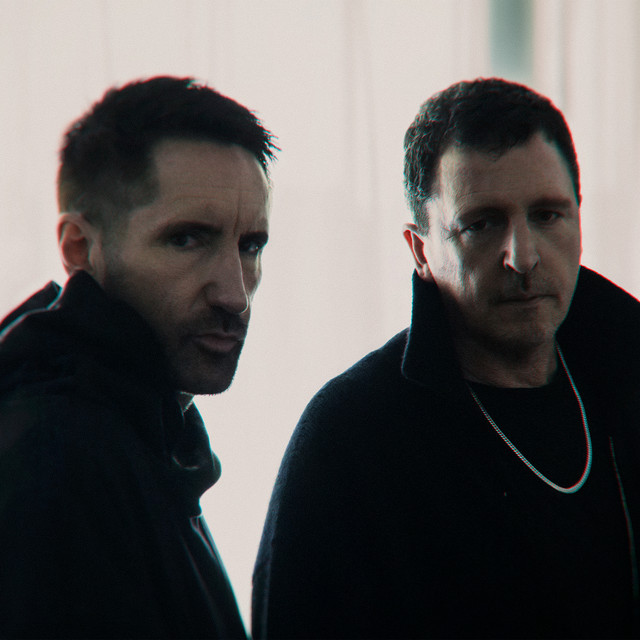
Nine Inch Nails
Cyberpunk
Industrial
Industrial Rock
3
/5
Grouper
Ambient
Drone
Ambient Pop
3
/5
Lauge
Ambient Psychill
Ambient
Dark Ambient
3
/5
Varg²™
Experimental
Ambient
Electronic
3
/5
Philippe Deschamps
Drone
Ambient
Dark Ambient
3
/5
Tim Hecker
Ambient
Drone
Experimental
3
/5
William Basinski
Tape Music
Ambient
Sound Art
3
/5
Atrium Carceri
Ambient
Dark Ambient
Drone
Download our mobile app
Get the Melodigging app and start digging for new genres on the go
Download on the App Store
Get it on Google Play
© 2026 Melodigging
Give feedback
Legal
Melodding was created as a tribute to
Every Noise at Once
, which inspired us to help curious minds keep digging into music's ever-evolving genres.